Full Article
about Ramales de la Victoria
Cave rock art
Hide article Read full article
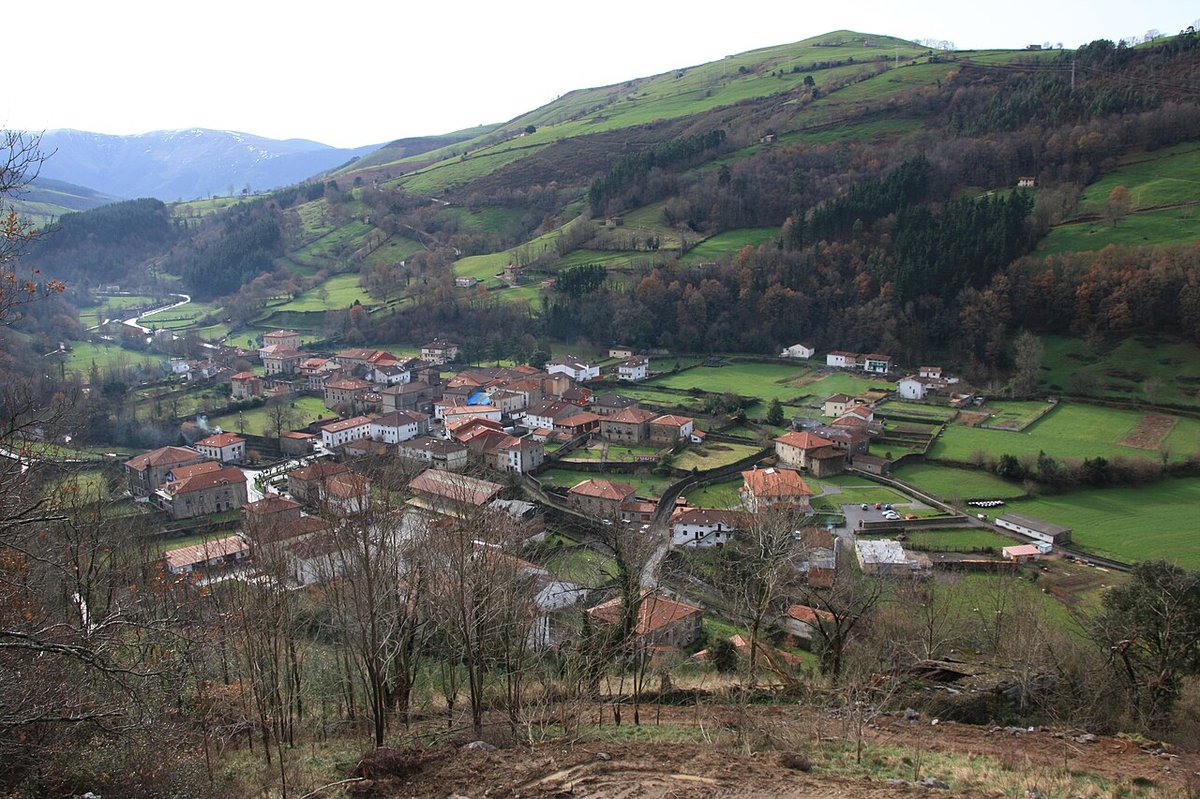
A valley framed by rock and tradition
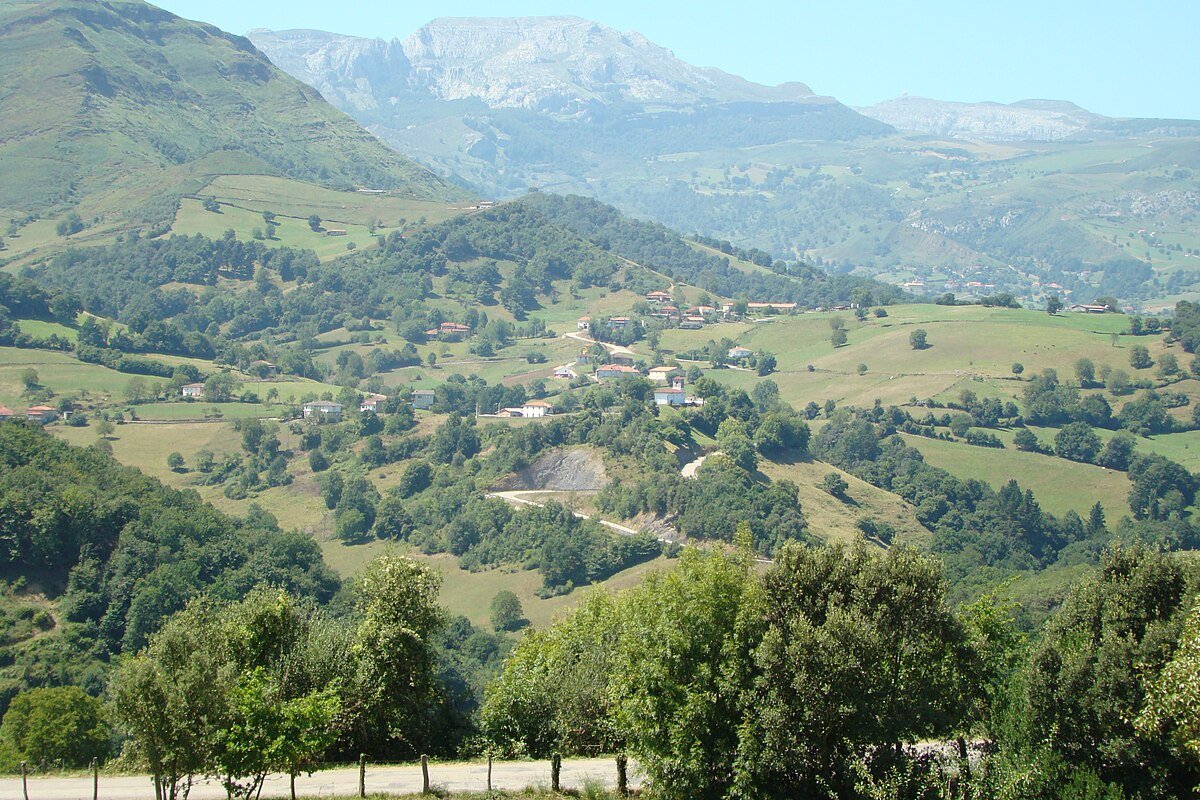
Tourism in Ramales de la Victoria tends to revolve around two things: the caves and the mountain range that encloses the valley. Life here follows that landscape quite closely. On Whit Sunday, for example, many locals walk up towards Covalanas in a romería, a traditional pilgrimage. A band follows behind, and people carry flowers and food as they go. It is not staged for visitors. It is simply the town doing what it has always done.
That sense of continuity runs through the place. Ramales does not feel arranged for tourism, and that shapes how it is best approached.
Parking above, walking down
The town sits on two clear levels. The road runs along the upper part, from where the whole settlement can be seen below in the valley. If you pay attention, there are turn-offs where you can drop down and leave the car without much trouble. Carry on too far and you end up staying above, where the main street narrows quite a bit. It makes more sense to park and walk down.
The centre is compact and slopes gently towards the Asón river. The main square brings together a few simple elements: benches, a kiosk and the Palacio de Revillagigedo. The building now functions as a library and cultural space. Its façade remains, though the original towers disappeared long ago. If it is open, it is worth stepping inside briefly. If not, the exterior gives a quick impression.
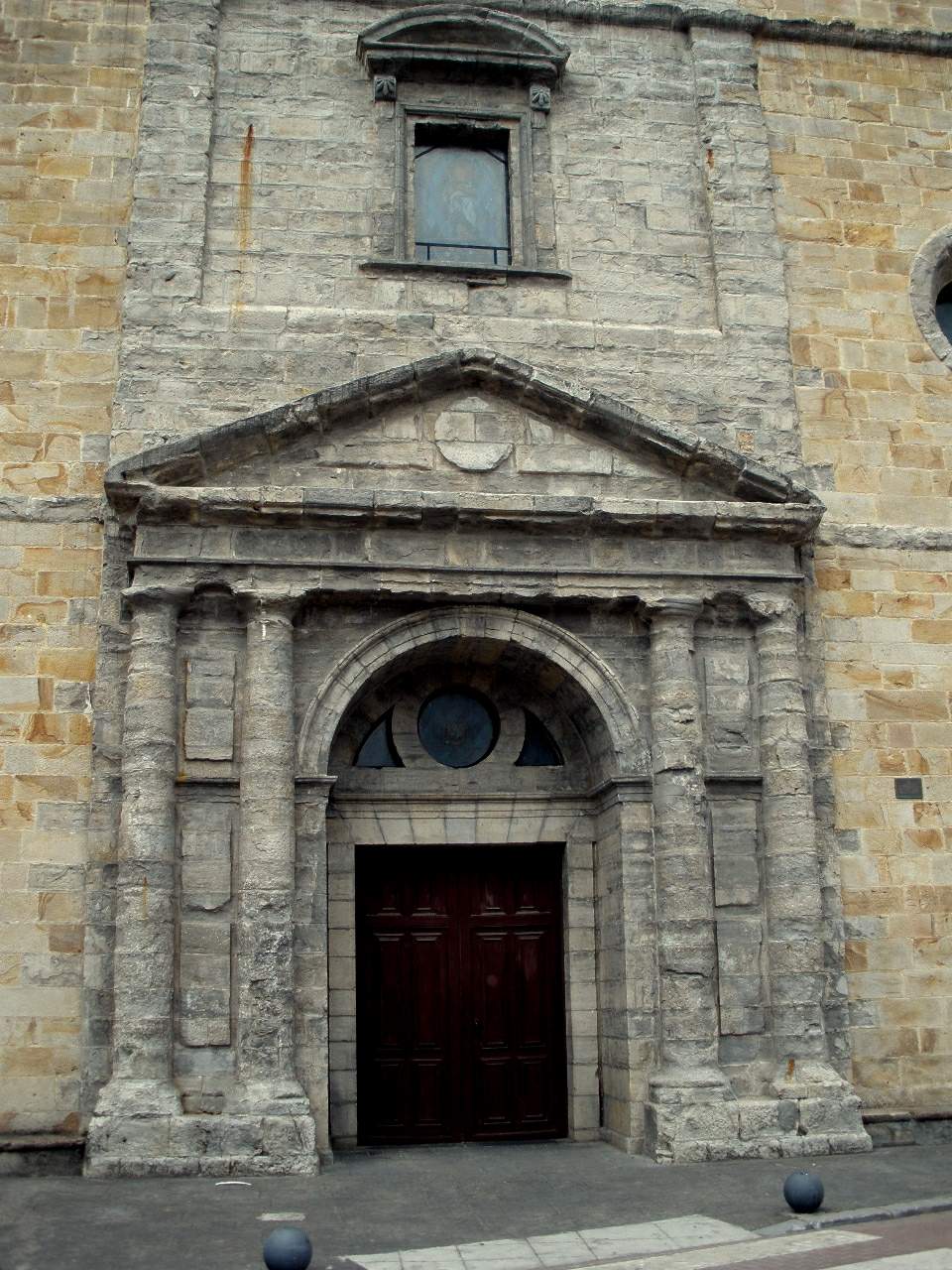
Very close by stands the church of San Pedro. Grey stone walls, a red roof and a bell tower that was rebuilt centuries ago after repeated damage. There are references to marks from past conflicts in the area on its walls, though they are not easy to pick out at a glance.
Everything here is within a short walk. There is no need to plan much. You move through it in minutes, and that is part of the rhythm of the place.
Caves, darkness and red deer
The caves are the main reason many people come to Ramales de la Victoria. Covalanas is especially known for its Palaeolithic paintings, above all the red deer figures traced across the rock. Entry requires advance booking, and visits take place in small groups to avoid altering the conditions inside.
The approach follows a metal walkway that climbs the hillside. It is not especially long, though it does rise steadily. Inside, lighting is minimal. The explanation is given with a torch or pointer, guiding attention to specific shapes on the wall. When the lights go out completely, the level of darkness explains why these caves have remained so well preserved.
Cullalvera offers a different scale altogether. It is much larger, with a vast entrance that makes an impression before you even step inside. Nearby lies La Haza, less well known but part of the same network of sites that draw people into this landscape.
For those who prefer to stay outside, there are footpaths across the hills that connect several of these areas. They are short routes, winding through oak and eucalyptus. Some stretches climb sharply, so they are not entirely flat walks. Even so, they give a sense of how close the natural setting is to the town.
Rock faces and a short ferrata
Close to the access point for Covalanas, the limestone walls form a small climbing area known among those who climb in the region. The routes are short and the rock rises vertically, which creates a steady flow of activity at weekends.
Not far from there begins the via ferrata of El Cáliz. Compared to others in Cantabria, it is brief. A fixed cable runs along the route, with a few exposed sections and a Tibetan bridge adding some variation. It can be completed in under an hour if you already have experience. Even so, basic equipment such as a helmet and harness is expected, along with a degree of respect for the rock.
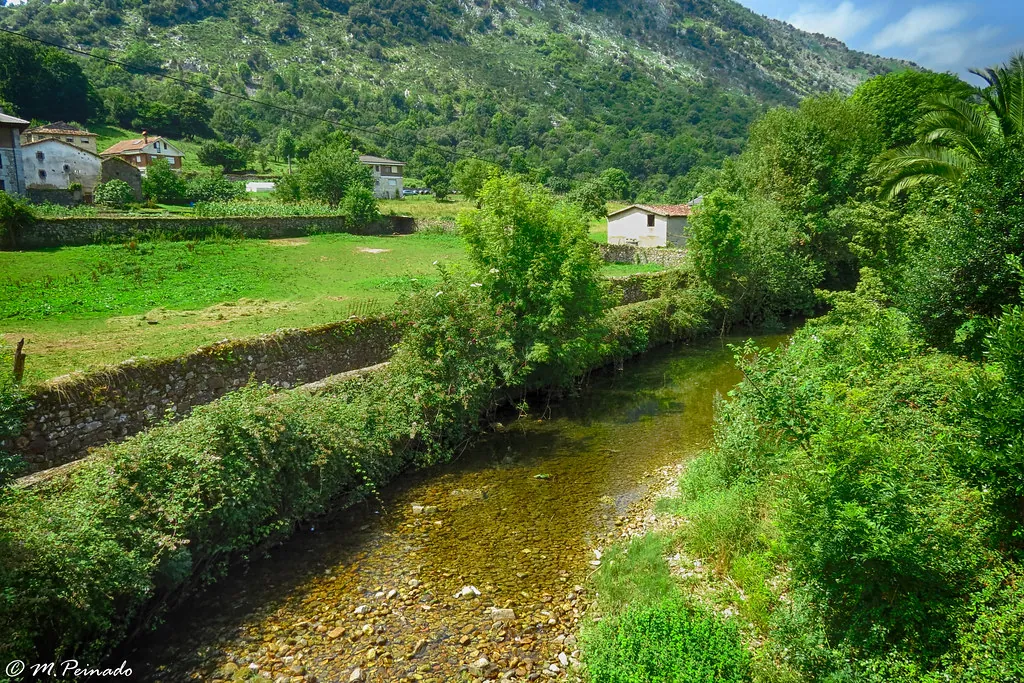
Below, the river passes by and there is a picnic area where people often stop afterwards. It is a natural pause point rather than a destination in itself, a place to sit for a while before moving on.
Food and a summer dance
Around the square and nearby streets, cocido montañés appears regularly on menus, especially at midday. It is a substantial dish made with beans, cabbage and compango, a mix of meats typical of the region. There is nothing elaborate about how it is served here. It is filling and direct, in keeping with the wider atmosphere of the town.
At the beginning of summer, Ramales holds a well-known verbena, an open-air evening celebration. Mantones, traditional shawls, take centre stage. The story told locally links them to an old chest found after a battle in the area, though the details are not entirely agreed upon. What matters now is the present-day scene: the square fills with music and dancing that continues late into the night, with the feel of a village festival rather than a formal event.
A straightforward way to spend the day
Arriving in the morning works well. A cave visit with a reservation gives the day a clear starting point. After that, a walk in the hills offers a change of pace if you feel like stretching your legs. Later on, the square is there for a pause before moving on.
Ramales de la Victoria does not rely on tourism in the same way as other towns in Cantabria. There are no rows of shopfronts designed for visitors. It sits on the way to the Asón valley and the caves, and it makes more sense when treated as a stop along that route. Pause, see what is there, and continue the journey.