Full Article
about El Astillero
Seaside town with a shipbuilding tradition
Hide article Read full article
A town shaped by metal and water
By mid-afternoon, as the light begins to drop over the ría, the sound of metal still slips between the industrial sheds and nearby streets. El Astillero has long lived with that background noise: sharp blows, chains dragging, engines starting and stopping. For generations, the shipyard set the pace of daily life. Even now, there are moments when the town sounds exactly like that, iron against salt water.
Visitors who come looking for tourism in El Astillero often notice this contrast first. There is a working-class neighbourhood pressed up against the ría, an industrial memory that has not disappeared, and just a short walk away, quiet marshland where the noise fades almost entirely.
The shifting air of Guarnizo
In Guarnizo, the air changes with the tide. At low tide, a dense smell rises from seaweed and dark mud. At high tide, the ría clears and reflects the sky like a sheet of grey-silver.
This stretch of shoreline once held one of the major historic shipyards of the bay. For centuries, ships were built here in a sheltered setting, using timber brought down from nearby hills and taking advantage of the easy route out towards the Bay of Santander. What remains today are industrial facilities, dry docks and wide yards where iron dominates the view.
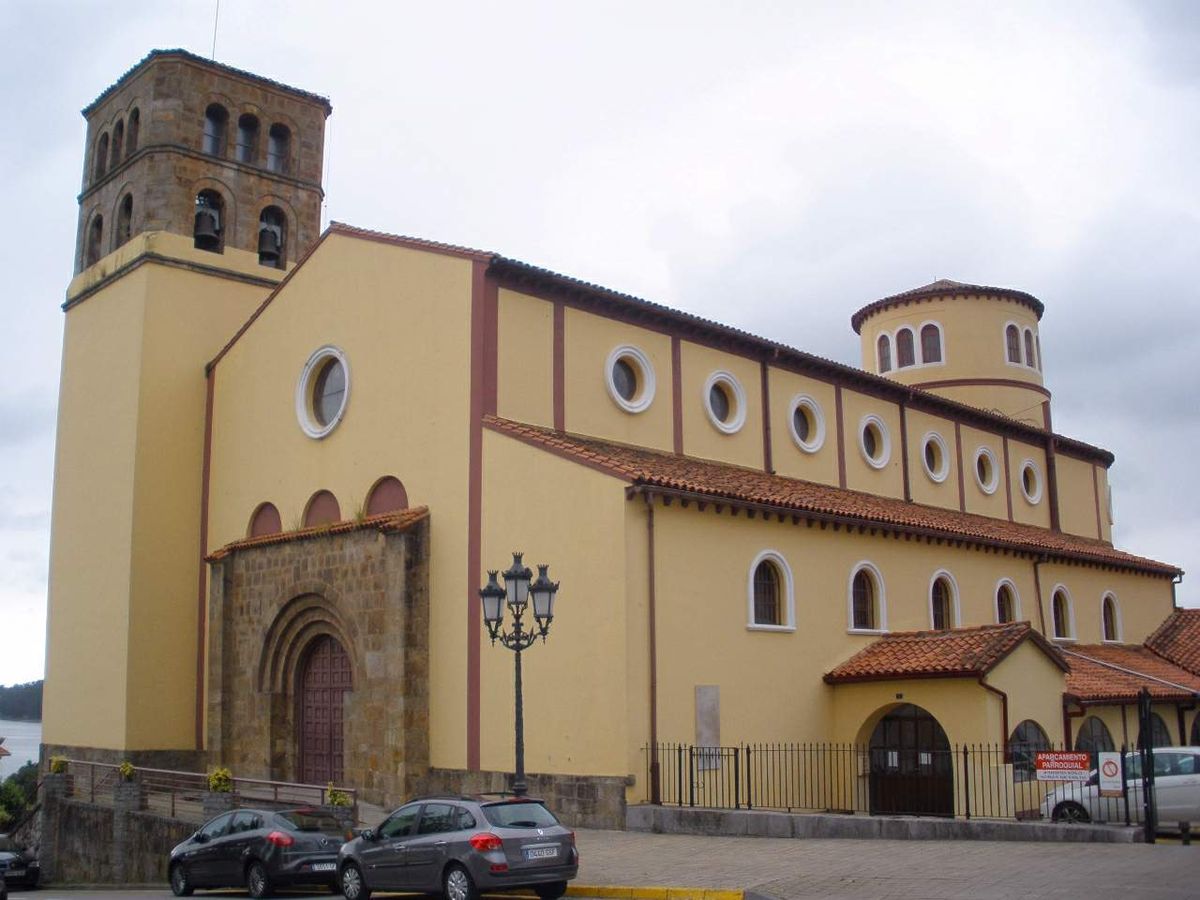
Higher up in the neighbourhood stands the church of Nuestra Señora de Muslera. The climb shifts the perspective. From there, the ría curves inland and the houses step up the slope. At certain times of the afternoon, the light comes in low and everything takes on a muted orange tone, while below, lorries continue moving towards the workshops.
Walking the marshes of the ría de Solía
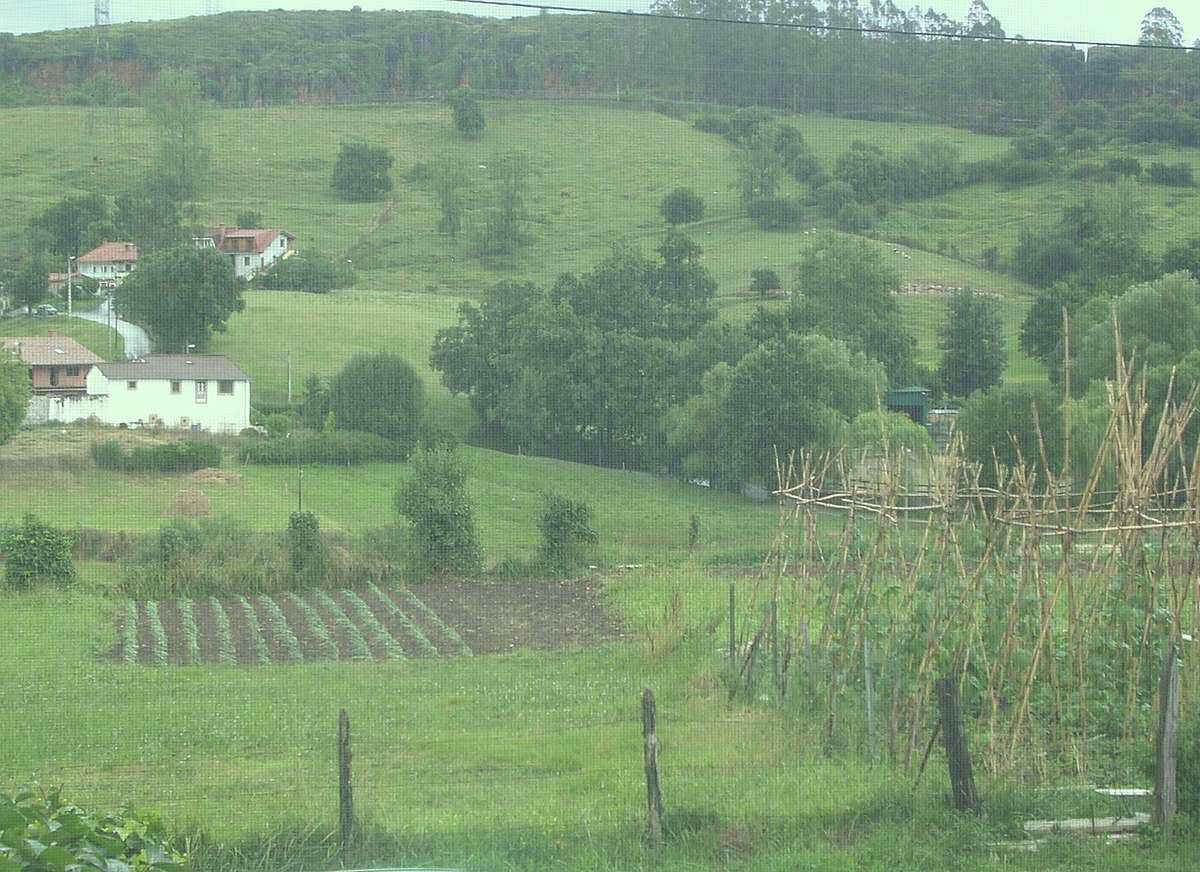
Just a few minutes from the centre, the landscape changes completely. The marshes of the ría de Solía begin quietly, with a path that follows the water between reeds and narrow channels shaped by the tide.
The sea moves in and out here twice a day. When the water drops, the mud is exposed and birds gather to feed. Herons appear, along with small wading birds, and sometimes groups of cormorants standing with wings open to dry. It does not take a long walk to grasp how quickly the sea reclaims space every few hours.
The path can soften after rain, and some sections become slippery. Footwear with a good grip makes a difference on damp days.
Simple food, familiar flavours
Late morning brings a brief pause in many of the town’s bars, where people stop for something quick before returning to work. Around that time, soba sometimes appears. It is a simple mix of toasted bread, butter and sugar, more filling than it looks. It is not something advertised or guaranteed. Some days it is just there.
At home and on daily menus, the food follows well-known Cantabrian traditions. Cocido montañés, a hearty bean and pork stew, is common, along with other bean dishes and fish from the coast when available. Desserts often include quesada or sobaos, both typical sweets from the Pasiego valleys.
Guarnizo is also the birthplace of Paco Gento, one of the most widely known footballers from Cantabria. His name still comes up easily in bar conversations when the topic turns to football.
Festive days and a busy ría
During the summer, the ría becomes more animated with rowing activities and local celebrations. Around the Virgen de Muslera, there is usually movement on the water: traineras, the traditional rowing boats of northern Spain, training or competing, with people watching the regattas from the banks and a noticeable atmosphere building through the afternoon.
The fiestas of San José are another key moment in the town’s calendar, closely tied to its identity. Streets fill more than usual, with parades, music and fireworks at night.
Those who prefer a quieter view of El Astillero may want to avoid these dates, when the pace shifts and the town draws larger crowds.
When to arrive and how the day changes
El Astillero lies just a few kilometres from Santander and can be reached quickly by road or local train following the bay inland.
Late spring and early summer tend to offer a good balance for a walk along the ría. Days are longer, and the wind has not yet become too strong. The feel of the place changes noticeably depending on the hour. Early morning brings less traffic and more stillness in the marshes. Towards evening, the light softens and the industrial sounds carry differently.
August is busier, especially at weekends. An early start can make a difference during that time of year. With fewer people around and the tide rising slowly, the ría returns to its usual rhythm. Water and metal set the tone again, much as they always have in El Astillero.