Full Article
about Anievas
Quiet Besaya valley
Hide article Read full article
A valley shaped by small sounds
At the edge of a dirt track, the stone church in Barriopalacio appears almost without warning. Around midday, the light falls directly onto its dark roof, while in the nearby meadows the faint sound of cowbells carries across the grass and the wind moves slowly through the oak leaves. This is one of the first impressions of Anievas, a valley where silence is not the absence of life but the sum of small details: birds calling, water running along a roadside channel, a door opening somewhere in the distance.
The municipality is spread across several small villages scattered along the valley floor and lower slopes, all linked by narrow roads and rural tracks. Barriopalacio acts as a reference point because it is home to the parish church of San Juan Bautista. The building is simple, made of dark stone, with a bell tower that still marks the rhythm of the day for those living nearby. Around it stand traditional mountain houses, known in this part of Cantabria for their solid construction, with ageing wooden balconies and small windows. Many face south to make the most of limited winter sunlight. On some façades, carved stone coats of arms are still visible, a common feature in the Besaya area.
Walking between villages and fields
Getting around Anievas usually involves walking at least part of the way. The villages are relatively close to each other, but the routes between them rarely follow straight lines. Paths curve around enclosed meadows bordered by low stone walls, cross small streams, and sometimes pass through patches of woodland where the ground stays damp even in summer.
When mist settles in the valley, it lingers and softens everything into a bluish grey tone. Fences appear darker, the grass shines with moisture, and the sound of footsteps on gravel seems louder than usual. After several days of rain, care is needed. Some stretches become slippery, and even short inclines can feel more demanding than expected.
A walk between two nearby villages rarely takes more than an hour at an unhurried pace. Along the way, it is common to see cows resting in the fields, hear the distant hum of a tractor, or meet local residents still moving on foot between their plots of land.
Practical notes before setting off
Anievas is not a place of constant activity or services. There are no bars open at all hours, nor shops to quickly pick up supplies. For anyone planning to spend a morning or afternoon walking through the valley, it is more practical to bring water and something to eat in advance, or to stop in nearby towns in the Besaya area where more services are available.
The weather is another important factor. After several consecutive days of rain, dirt tracks can become muddy and some paths uncomfortable to walk. Footwear with a firm sole makes a noticeable difference, especially on uneven or wet ground.
A simple route through the landscape
With limited time, a straightforward way to understand Anievas is to walk from Barriopalacio towards one of the nearby villages, such as Villasuso or Calga. The route passes through meadows defined by low stone walls and wooden gates that creak as they open.
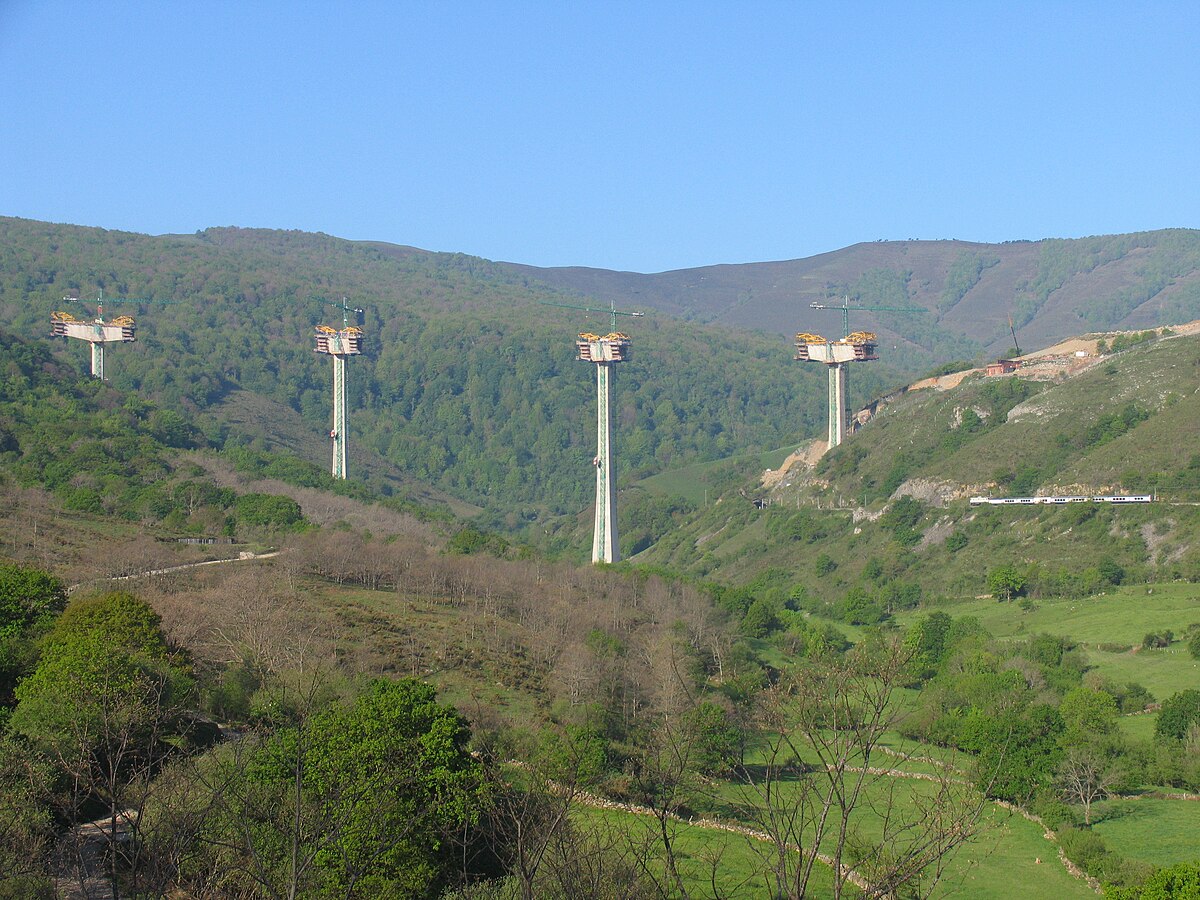
Partway along, there are small rises in the terrain that offer a wider view of the valley. From these points, the landscape opens up into green slopes, patches of oak woodland, and, in the distance, the mountains that close in around the Besaya. On overcast days, clouds hang low and the colours of the valley shift subtly from one moment to the next.
The rhythm of the seasons
Winter in Anievas is damp and quiet. The light fades early in the afternoon, and temperatures drop quickly once the sun disappears. When the weather turns, visibility on the smaller roads can decrease significantly, so it is worth keeping track of the time when planning a return.
Spring and autumn bring more movement to the valley. Streams run fuller, grass grows quickly, and the greens vary depending on the slope and the angle of the light. These seasons are particularly calm for walking between villages without encountering many people.
Reaching the valley
To reach Anievas from Santander, the usual route follows the motorway that runs through the Besaya towards Los Corrales de Buelna. From there, local roads lead into the valley. The final stretch passes between meadows and small settlements, with gentle curves and very little traffic.
There are no extensive services within the municipality itself, so it is sensible to arrive prepared, with water, some food, and enough time to move around without rushing.
In the end, Anievas is best understood by paying attention to small things: moss covering stones in shaded areas, the cold water of a roadside spring, or the smell of damp wood drifting from an open barn. These details can easily go unnoticed when travelling quickly, yet here they form part of everyday life.