Full Article
about Arenas de Iguña
Heart of the Besaya valley
Hide article Read full article
A valley without a single centre
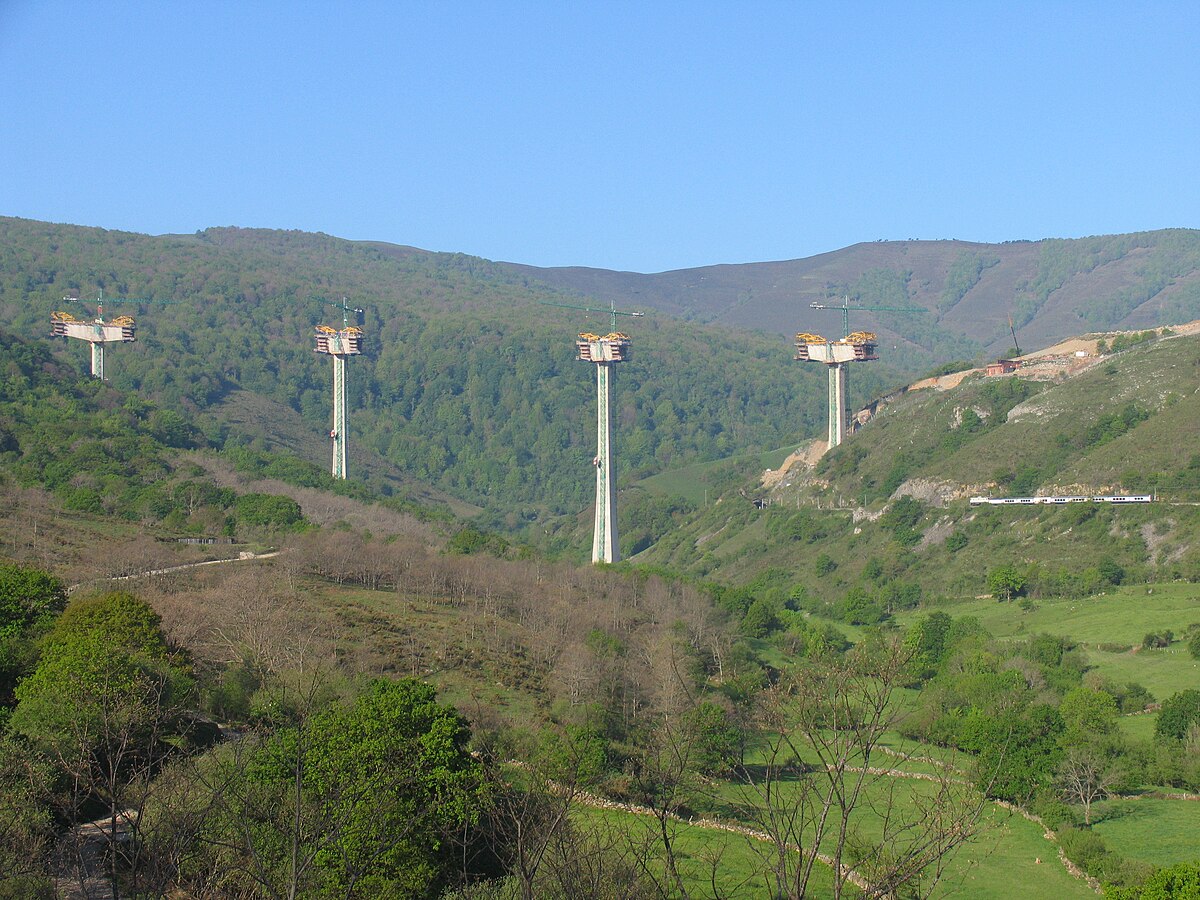
To understand Arenas de Iguña, start with the map. The municipality stretches along the middle Besaya valley, but you will not find a single, concentrated village. Instead, the population of around 1,700 spreads across several neighbourhoods and smaller districts. Houses trace the river and climb the hillsides, set among meadows, kitchen gardens and woodland. This scattered layout is not an accident; it is the traditional pattern of Cantabria’s inland valleys, where life has long been organised around movement through the landscape rather than a central square.
For centuries, this valley served as a natural corridor towards the interior. Later, the road and railway set the rhythm. What remains today is a fragmented picture: parish churches, hillside chapels and working mountain houses scattered across land that is still in use.
San Martín de Tours: the parish anchor
In the main settlement of Arenas, the tower of the church of San Martín de Tours acts as a visual reference. It can be seen from various points in the valley. The building itself is the result of successive modifications, likely starting in the 16th century.
This is not a monumental church. Its significance comes from its function. In this region, the parish church historically defined both the religious and administrative heart of a community. That role has faded but not vanished. The space around San Martín still operates as a meeting point. The church sits within the daily rhythm of the village; its opening hours often depend on the day and local needs.
Santa Eulalia in Pie de Concha: rural Romanesque
A few kilometres away, in Pie de Concha, stands one of the area’s oldest structures. The hermitage of Santa Eulalia sits among open fields and farmhouses. It does not command the landscape; it blends into it.
This is a modest example of rural Romanesque architecture. Thick walls, a simple design and compact proportions speak of practical construction. Such chapels were built across Cantabrian valleys during the Middle Ages to serve small, dispersed communities. A visit here is brief. The context matters more than the building: the surrounding meadows and working paths explain why these hermitages were necessary parts of everyday life.
San Cipriano: a viewpoint and a pilgrimage
The hermitage of San Cipriano occupies higher ground. The climb from below is short but steep, following tracks that can turn muddy after rain. This is a common condition in a valley known for its damp climate.
From the top, the geography makes sense. You see the Besaya valley opening northwards and the neighbourhoods scattered across the slopes. The location gave this hermitage a dual purpose found throughout the region: a site for local pilgrimage and a natural vantage point. The view clarifies the dispersed settlement pattern better than any description.
Mountain houses and working land
No single monument defines Arenas de Iguña. Its character comes from the accumulation of elements across the territory. Traditional stone houses, known as casonas montañesas, appear among the neighbourhoods. Some show carved coats of arms; others have south-facing wooden balconies.
Many are still lived in. They are not museum pieces but part of working properties that include barns, enclosed meadows and access tracks. This continuity shapes the area. You move through an active landscape, not a staged one. Walking short distances on local paths is pleasant, but covering longer stretches between districts requires a car. The local roads are narrow, which slows travel and reinforces the real distances within the municipality.
Remember that much of what you see is private property, actively used by those who live and work here.
Festivities and local rhythms
The main celebration in Arenas revolves around its patron saint, San Martín, in November. During summer, various neighbourhoods hold their own smaller festivities.
The ascent to San Cipriano retains the structure of a traditional romería. People from across the valley gather at the hermitage and the surrounding meadows to spend the day outdoors. The date can shift from year to year, but the form of the event stays consistent.
In homes and family gatherings, the substantial cuisine of inland Cantabria remains present. These are dishes shaped by a humid climate and rural work.
Practical considerations: space and weather
The municipality feels larger on the ground than it appears on a map. The dispersed layout means you cannot see everything quickly. It works better to choose two or three points and explore them without hurry.
Weather in the Besaya valley changes fast. Fog and rain are frequent, particularly outside summer. When the ground is wet, paths—especially those leading uphill—become slippery.
Arenas de Iguña lies close to the main road linking Santander with the Spanish interior. Access into the valley branches off from this route. Inside, local roads connect the settlements, following the contours of the land. Movement here takes time. That rhythm, dictated by geography and use, defines the experience as much as any site you visit.