Full Article
about Cartes
Noble town of the Besaya
Hide article Read full article
Evening light on the Torreón
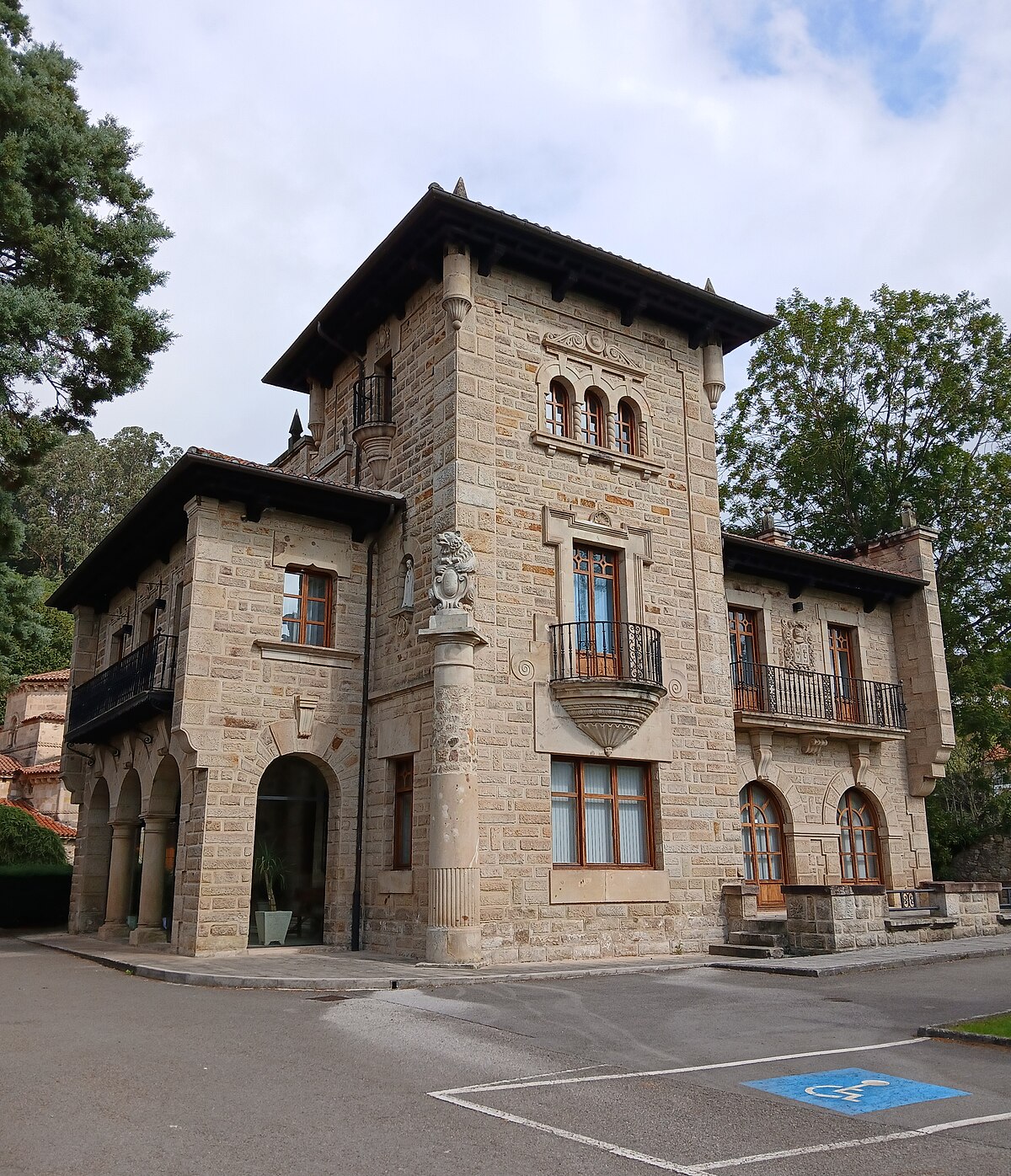
At six in the evening, as the sun dips behind the Monte de la Matanza, the stone of the Torreón de los Manrique turns a warm gold. From the square, the light slides slowly across its blocks, as if the tower were still keeping watch over the route through the valley. At that hour, Cartes stops feeling like a simple point between Torrelavega and Los Corrales. It begins to register as a place with its own weight and rhythm.
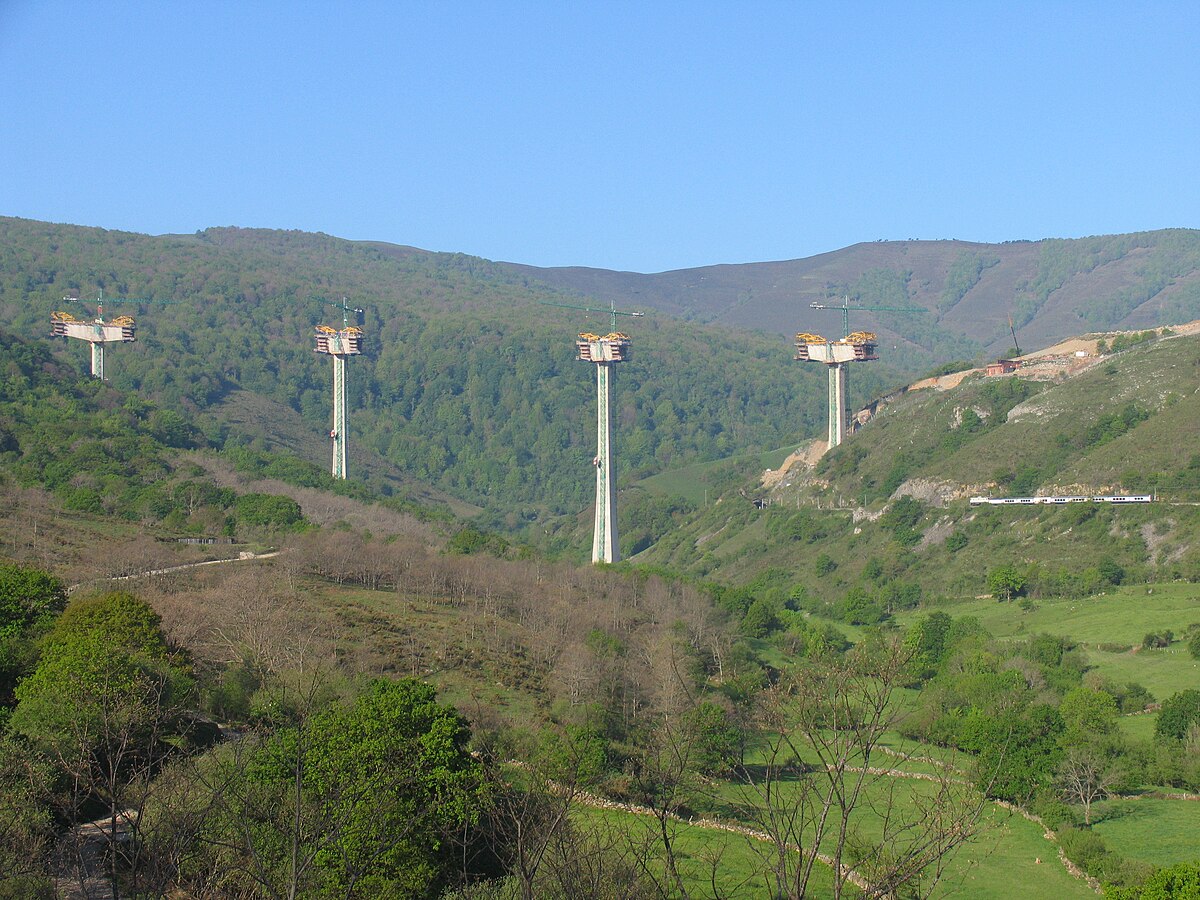
The scene does not rely on spectacle. It is a shift in tone more than anything else, a quiet change in how the town sits within its surroundings. The valley narrows and opens in gentle turns, and Cartes holds its place within that landscape without drawing attention to itself.
The scent of iron and cherries
In the Besaya valley, Cartes often smells of two very different things depending on the day: hot metal and ripe fruit. The industrial estate of Mies de Molladar sets the pace for many mornings. Early on, cars and vans arrive in a steady line, and the road quickly fills with movement. This is part of the town’s present, as visible as anything else.
Step away from that activity, though, and the atmosphere changes. Paths that run alongside the Besaya, or small routes that climb towards nearby fields, lead into quieter ground. In spring and early summer, cherry trees appear scattered across gardens and meadows. They are not organised into large orchards, but stand alone, tended over years by local families.
By June, it is common to see neighbours gathering fruit into buckets or small baskets. The cherries are usually on the smaller side, with a slight sharpness that makes it easy to reach for another. There is nothing commercial about it. It is a habit that sits naturally within the season, repeated without much fuss.
The link with iron goes back further. The area still recalls old ironworks that once used the force of the Besaya and its tributaries. Even now, along certain paths towards Riocorvo or across the slopes of the valley, dark fragments of slag appear among the gravel. They are easy to miss unless attention drifts down to the ground, but they remain as traces of that early industrial past.
Stone houses and wide doorways
Walking through the historic centre of Cartes is, above all, an unhurried experience. The streets are short, and stone houses line them with broad entrances that open directly onto the road. Many of these doorways carry carved coats of arms, their edges softened over time by moss and damp air.
Some of the larger houses, built between the 17th and 18th centuries, still keep their wooden balconies and detailed iron grilles. Signs of daily use are visible everywhere. Steps worn down by years of passing feet, door knockers polished smooth by countless hands, patches of stone that have shifted in colour because of the valley’s moisture. Nothing feels staged or preserved behind glass.
Close to this historic core stands the church of Santa María de Yermo. Inside, the space is restrained, with dark wood and a lingering scent of wax that clings faintly when stepping back outside. The church has been protected as heritage for decades and continues to act as a point of reference for local people, especially on Sunday mornings.
Days when the town fills with sound
There are moments in the year when Cartes changes pace completely. One of the most recognised is the romería of San Cipriano, usually held in September in the meadow that shares its name. Throughout the morning, people arrive from nearby villages, and the sound of bagpipes carries across the area even before reaching the gathering itself.
Stalls appear with traditional sweets and homemade food. Among the things passed around most often are rosquillas and other fried doughs, still warm as they move from hand to hand. Conversations happen standing up, in small groups scattered across the grass, with no clear beginning or end.
There are also days centred on livestock that draw farmers from across the region. Trailers and lorries arrive, animals are unloaded, and clusters of people form around them. The discussions can stretch on, focused on teeth, legs or weight, continuing a way of looking and judging that has long been part of rural fairs.
When quiet returns
To see Cartes without that movement, it is enough to come during autumn or on an ordinary weekday. Early in the morning, fog often drifts down from the Besaya and settles over the town. Roofs emerge through a layer of cold damp that can take hours to lift.
The rhythm shifts again. Neighbours step out on foot to buy bread, brief conversations take place in doorways, and cars pass slowly on their way towards Torrelavega. By late afternoon, the paths leading towards Riocorvo or the river plains grow almost empty.
Walking there as evening falls requires a bit of care. Some stretches have no street lighting, and mobile coverage can drop out in parts of the valley. In return, once the sound of the road fades, what remains is simple and direct: water moving along the Besaya, and the occasional bark of a dog in the distance. In a place like Cartes, that is more than enough.