Full Article
about Cieza
Small Besaya valley
Hide article Read full article
A valley rather than a single village
Cieza is a municipality in the Besaya valley of Cantabria, but it doesn’t function like a single village. Its roughly five hundred inhabitants are spread across several settlements scattered along the hillsides and the valley floor. The landscape here is one of hay meadows, stone livestock cabins, and paths that connect neighbourhoods separated by fields and woodland. There is no compact historic centre to speak of.
The geography explains the layout. You’ll find small clusters of houses and farmsteads strung along local roads and agricultural tracks. The older buildings show a practical vernacular: stone ground floors with wooden eaves and enclosed balconies above, a construction suited to the steady rain and damp winters of inland Cantabria.
One of the main settlements holds the parish church of San Pedro. The structure you see today generally dates from the 16th century, though it has been altered. It’s a simple building, consistent with rural architecture here. Its significance is more functional than artistic; for centuries, it served as a central reference point in a municipality where homes are widely dispersed.
Walking through the different neighbourhoods, you can spot coats of arms on some of the larger houses. They point to families that once held local standing. These elements don’t form a monumental ensemble, but they help place Cieza within the older inland routes that connected the Cantabrian coast to the central plateau.
The view from the tracks
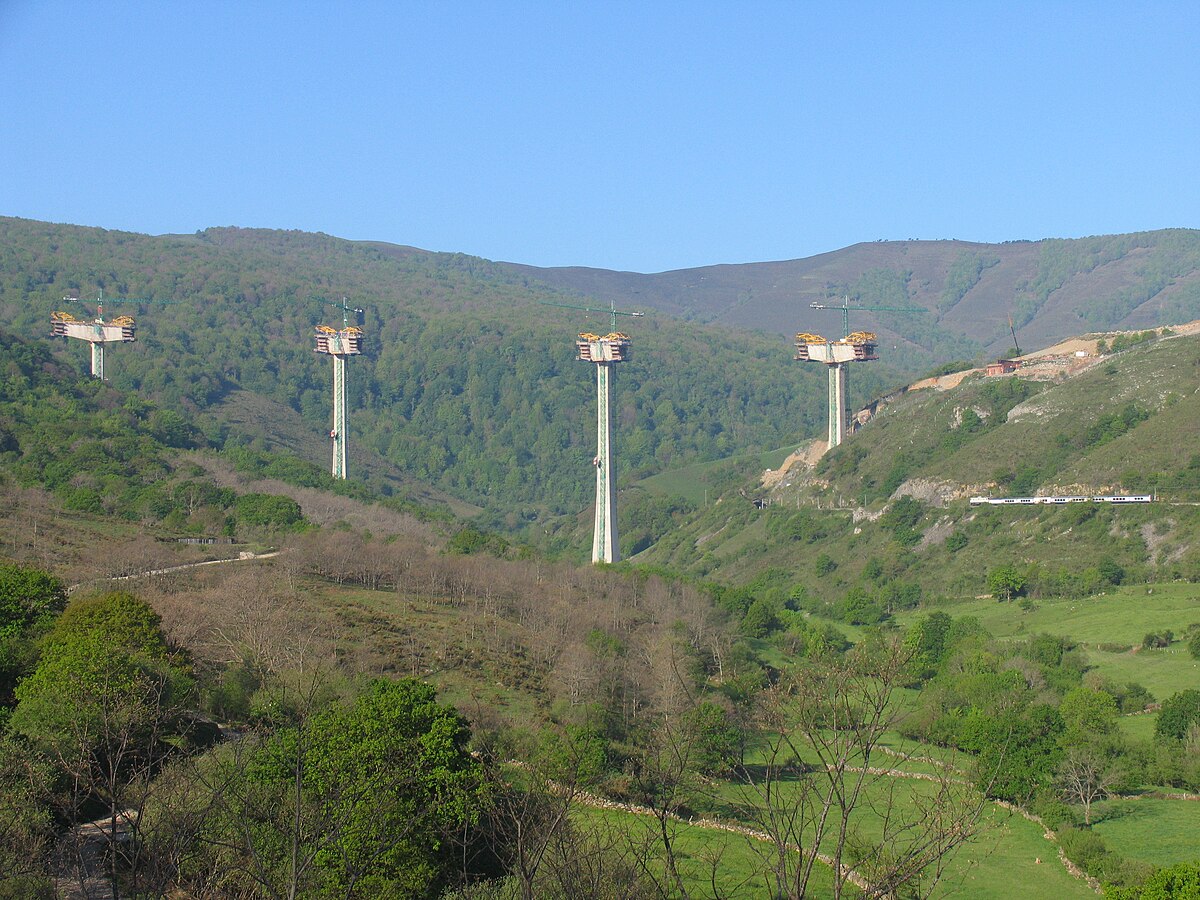
There are no built viewpoints. The scenery reveals itself from the agricultural tracks that climb above the settlements. A short ascent gives you enough height to take in the valley floor, trace the line of the Besaya River, and see how the hills close in on both sides.
The vegetation follows the water. In wetter areas, oak and ash are common, with some beech. On more open ground, pasture dominates, divided by hedgerows that mark individual plots. The light shifts decisively with the seasons: the bright green of spring and summer fades into muted ochres and browns come autumn.
Walking the working paths
The paths leading from the neighbourhoods are working routes first. They are used to move cattle, reach meadows, or access cabins. As such, they remain basic—dirt tracks that can turn muddy after rain, with tall grass along the edges.
Walking them for an hour gives you a clear sense of how the landscape functions. It’s common to hear small streams running down toward the Besaya or to see cows in the adjoining fields. There are no waymarked long-distance trails within the municipality itself, but you can easily link several settlements via local roads and tracks for a relaxed walk from one cluster of houses to another.
A landscape shaped by livestock
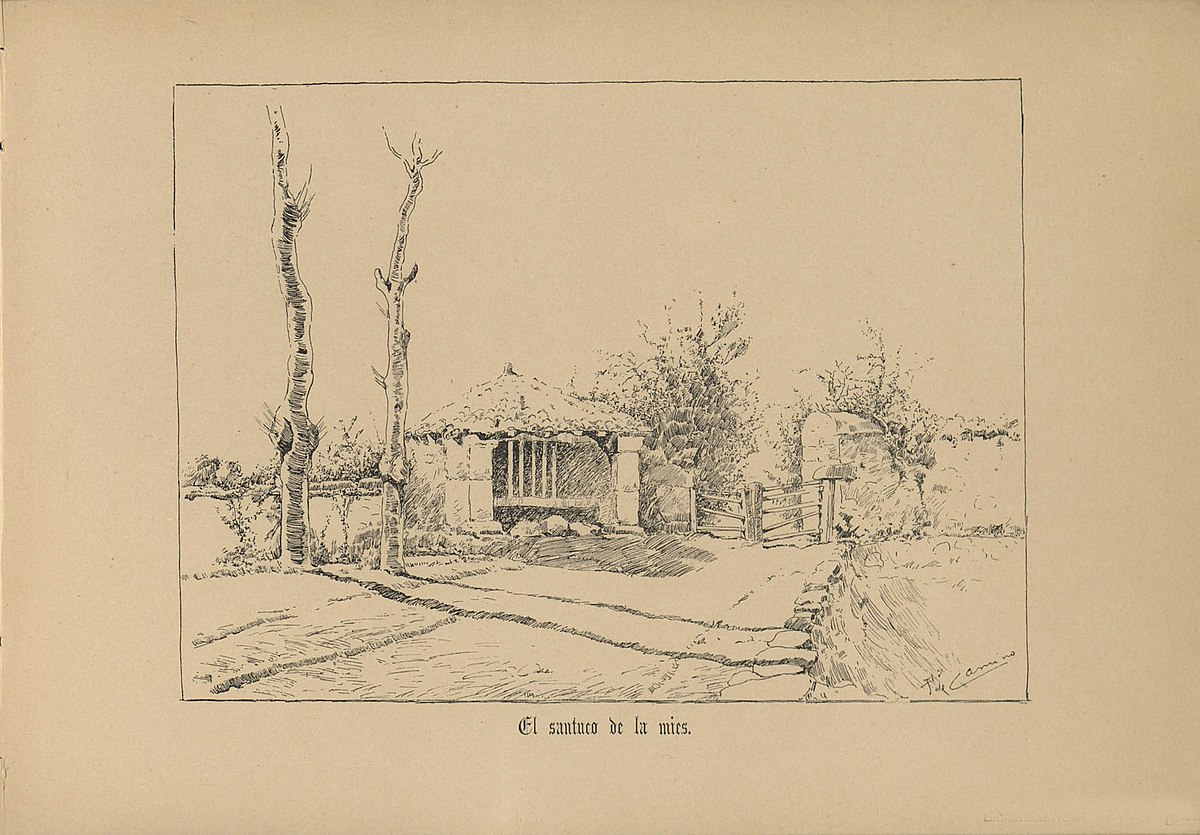
Cattle farming sets the rhythm here. Much of the land around the houses is pasture or hay meadow. In spring and summer, you’ll likely see grass being cut and gathered. This use of the land explains the stone cabins dotted across the hillsides; some are still in use, while others stand as remnants of a once-widespread way of life.
The impression is of a place where agriculture is not scenery but an active part of daily life. The arrangement of fields, paths, and buildings reflects an ongoing relationship with the land.
Visiting with care
You can grasp Cieza’s character in a short time—a walk through one settlement and a loop on nearby paths is usually sufficient. Remember that many paths cross private, working land. Don’t block access with your car, close any gates you pass through, and avoid entering meadows where livestock are present.
After rain, shaded sections of path can be slippery. Sturdy footwear is advisable.
When to go
Spring brings visible activity to the fields with new grass growth. Autumn has its own appeal, with changing woodland colours and softer afternoon light. Summer temperatures are often milder than on the coast, though humidity persists. In winter, outdoor activity dwindles and the landscape grows quiet.
Getting there
From Santander, take the A-67 south toward the plateau. Local roads then branch off into the valley, connecting Cieza’s scattered settlements. These roads are narrow in places, with bends and gradients typical of this part of Cantabria.