Full Article
about Los Corrales de Buelna
Industrial heart of the Besaya
Ocultar artículo Leer artículo completo
The teenagers spill out of the secondary school gates at two o’clock sharp, the same hour the market stalls on Calle Real begin folding away their striped awnings. Within minutes the centre of Los Corrales de Buelna smells of grilled pork, detergent and river damp—an ordinary Tuesday that tells you, faster than any guidebook, that this is a place that works first and welcomes visitors second.
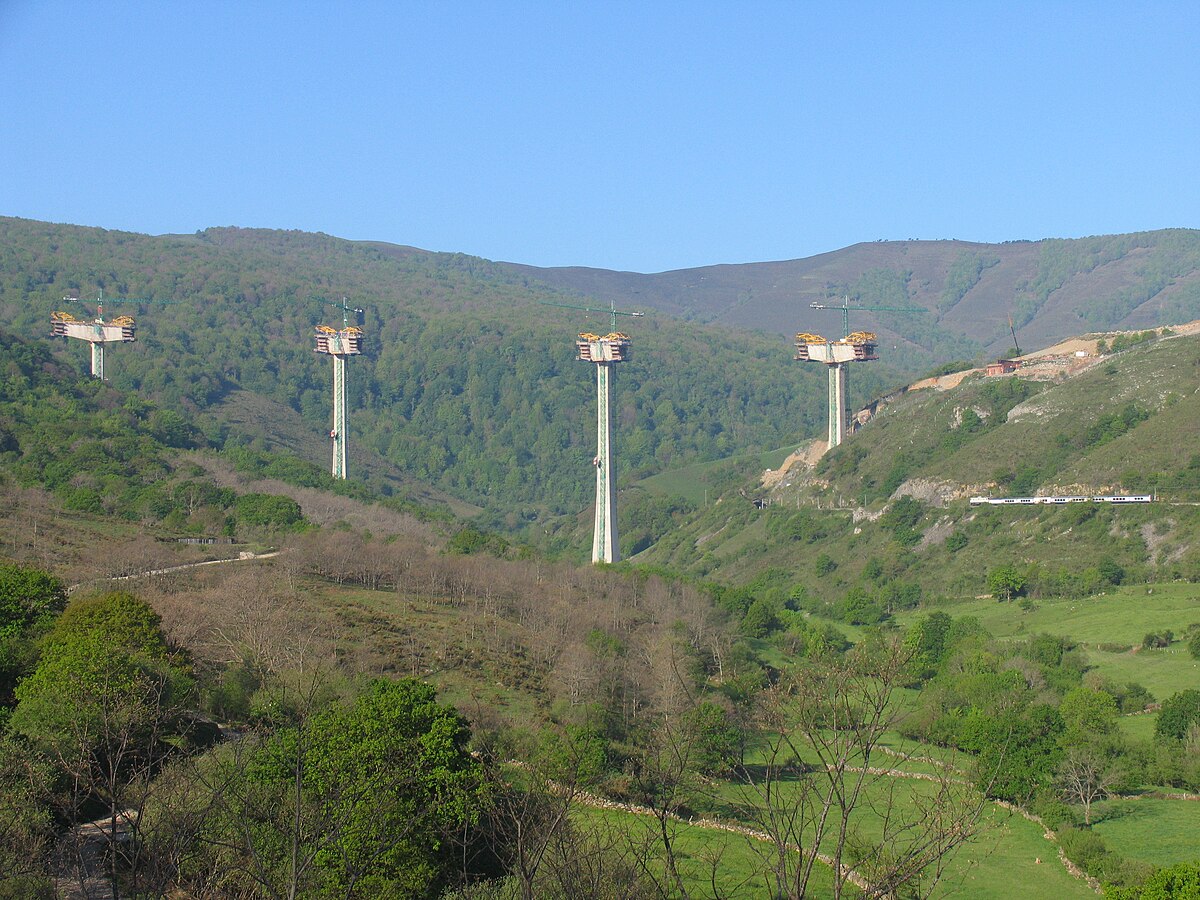
That order of priorities is refreshing. Cantabria’s Besaya valley has always been a corridor rather than a showcase: shepherds, charcoal burners and, later, textile labourers moved through it long before anyone thought to photograph it. The town’s 11,000 inhabitants still treat the through-road—the same A-67 that links Santander to the Meseta—as their main artery, not a catwalk. You arrive here because you are travelling, not because you have been packaged.
A town that keeps its front door open
Start where the traffic lights meet the river. The parish church of San Pedro Ad Víncula rises above a triangle of granite benches occupied by retired men who debate football without ever quite looking at one another. The tower is 18th-century, sturdy rather than sublime; step inside and the air is cool, faintly incense-sweet, the nave floor worn into shallow ruts by four hundred years of work boots.
From the church door three streets fan out. Head north on Callejón and you pass stone mansions whose coats of arms have been smoothed almost blank by rain. One house still has the iron ring where merchants tethered mules; another has a 1930s chemist’s shopfront, the glass bottles labelled in fading sepia script. Nobody charges admission, nobody offers a leaflet. The only soundtrack is a wheeled shopping basket clacking over cobbles.
Ten minutes uphill, the barrio of Somaconcha tips you suddenly into pasture. Cows graze between apple trees; the houses shrink to two-storey cottages with wooden balconies painted the same green as the valley floor. In April the blossom drifts across the lane like wet confetti; in October the smell is of cider and woodsmoke. Either season delivers the town’s best light—soft, diffused by the Cantabrian clouds that snag on the coastal range thirty kilometres away.
The river that refuses to be picturesque
The Besaya is not the sort of watercourse that appears on souvenir tins. When autumn rains swell it, the current runs the colour of builder’s tea and carries entire branches downstream. In August it can shrink to a braid of shallow channels where herons pick their way among supermarket trolleys. Yet a 25-minute stroll on the signed path south of the N-611 still pays dividends: kingfishers flash turquoise where the bank is shaded by alder, and the hum from the furniture factory fades behind you.
Cross the wooden footbridge beyond the sewage works (the smell disappears after fifty metres) and you reach a gravel bar where locals swim on July evenings. The water temperature rarely tops 20 °C; bring sandals because the stones are ankle-turners. If that sounds uninviting, remember that the same stretch once powered fulling mills that supplied wool to Royal Navy contractors. Industrial heritage seldom comes with turquoise infinity pools.
Leg-stretching without the altitude bravado
Los Corrales sits at 160 m above sea level, low enough for chestnut and walnut rather than alpine pine. That makes it useful base camp for walkers whose knees object to Pyrenean gradients. Three waymarked circuits leave from the old railway station—now a bright-red cultural centre that hosts evening classes in calligraphy and line dancing.
The shortest loop (6 km, two hours) climbs gently through allotments where grandparents grow the purple beans that end up in cocido montañés. The medium circuit (11 km) swings across the railway footbridge to the hamlet of Hoznayo, then returns along a lane banked with wild fennel. The longest (17 km) gains 450 m of ascent to the Romanesque chapel of San Pelayo on a ridge that suddenly reveals the Bay of Biscay—unless, as happens roughly one day in three, the view is deleted by fog.
Mountain bikes are popular, but the terrain punishes over-confidence. A local club prints free route cards that warn, in capital letters, “NO ES PLANO”. Believe them: the road to San Pelayo hits 12 % in places, and the tarmac is ribbed like a washboard. Hire bikes are non-existent; bring your own or ask at the polideportivo about day rental of town-owned hybrids—€15, helmet included, cash only.
Food that tastes of Thursdays, not food festivals
Guidebooks love to praise Cantabrian cocido as if it were endangered cuisine. In Los Corrales it is simply what appears at 14:00 when the sky is the colour of pewter. The version served in Bar Gijón on Plaza de España uses compango—a bundle of blood sausage, chorizo and bacon—simmered with the local fabes beans until the broth turns ochre. A portion costs €9.50 and arrives with a ceramic jug of rough cider; ask for “un culín” and the barman will pour from shoulder height, spilling just enough to prove his wrist is steady.
Thursday is market day, so the same square fills with vans whose owners shout the merits of tetilla cheese, walnut halves and sobaos—a buttery sponge sold by the kilo. The queue at the fish van is longest at 11 a.m.; by noon the razor clams are gone and the proprietor starts sweeping ice into the gutter. If you are self-catering, the Supermercado Familia on Calle San Sebastián stocks locally made quesada—a baked cheesecake that travels better than the more famous queso de nata.
When the valley throws a party
Late June brings the fiestas of San Pedro: brass bands, churro stands and a travelling fair whose dodgems thump until two in the morning. The programme changes annually—one year the highlight is a stone-lifting contest, the next a folk group from Asturias—but the format remains reassuringly fixed: Mass at noon, procession at seven, fireworks at midnight.
August is barrio month. Each quarter chooses its own weekend, closes its streets to traffic and decorates balconies with paper flowers made by children who have spent July in workshops run, improbably, by the local electricity co-op. The most atmospheric is Somaconcha’s night-time paella popular; tickets (€6) go on sale at the bakery the preceding Monday and sell out by Wednesday.
Carnival in February is smaller than the masked blow-outs of nearby Santoña, but the murgas—satirical street choirs—sing lyrics sharp enough to make the mayor blush. If you understand Spanish, stand near the town hall steps where the acoustics carry every insult up to the third-floor windows.
The practical bits you will not find on Instagram
Arriving: The A-67 from Santander delivers you in 25 minutes. Leave at junction 33, not 32, or you will be funnelled into Torrelavega’s industrial estate. There is no railway station; FEVE trains stop four kilometres away in Bárcena de Pie de Concha, a pleasant enough walk if your rucksack is not the size of a fridge.
Parking: Blue bays in the centre cost €1.20 for two hours, free between 14:00 and 17:00. On market day (Thursday) arrive before 10 a.m. or surrender to the underground car park under the health centre—€4.50 all day, gloomy but secure.
Accommodation: The three-star Hotel Saja has 28 rooms overlooking the river; doubles from €65, including a breakfast buffet that runs out of croissants by nine. Two rural houses in Somaconcha sleep four from €90 per night; they book solid for Easter and the first two weeks of August. Wild camping is tolerated only above the 400 m contour—technically outside the municipal boundary, so pack water because the cows have already claimed the springs.
Weather reality check: Even in July the night temperature can drop to 12 °C when the wind swings north-west. Bring a fleece for 22:00, however blistering the afternoon felt. Rain is possible any month; the annual total is double Manchester’s, delivered in shorter, heavier bursts. A €5 supermarket umbrella survives about one storm before the spokes revolt.
Leave before you ruin it
Los Corrales works because it does not depend on you. The butchers, chemists and hardware shops would survive even if every tourist stayed on the coast. That self-sufficiency is the appeal, and also the warning: treat the place as a set and you will be disappointed. Stay a morning, drink a culín, walk the river path until the traffic noise fades, and you will have seen the town as it sees itself—useful, weather-beaten, quietly confident. Then drive on, ideally before the teenagers spill out of school again and remind you that their world was never paused for postcard purposes.