Full Article
about Santiurde de Reinosa
Remote Upper Besaya
Hide article Read full article
A valley that opens without warning
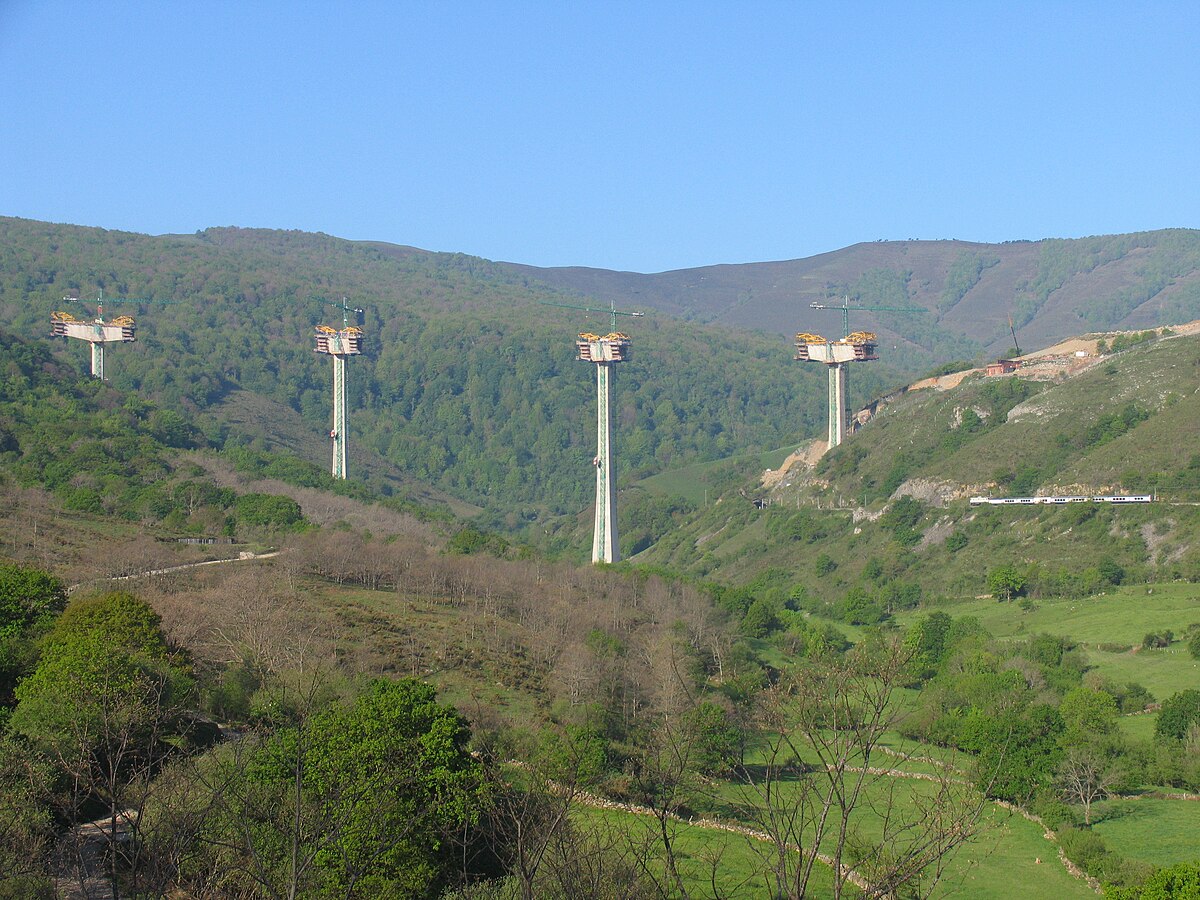
Just before reaching Reinosa, the road bends one last time and the landscape suddenly widens. Damp meadows stretch out, divided by low stone walls, with the occasional farm building set back from the road. Santiurde de Reinosa appears without any real announcement: a small cluster of houses, dark roofs, and a quietness that remains largely undisturbed, broken now and then by a passing car or the distant clatter of cowbells from nearby fields.
This is not a place for ticking off sights. It invites a slower pace, where attention shifts to small details: the rough texture of stonework, iron gates leading into vegetable plots, grass pushing through the gaps in cobbled ground. The impression is less about landmarks and more about noticing how things are made and used.
The church at the heart of the village
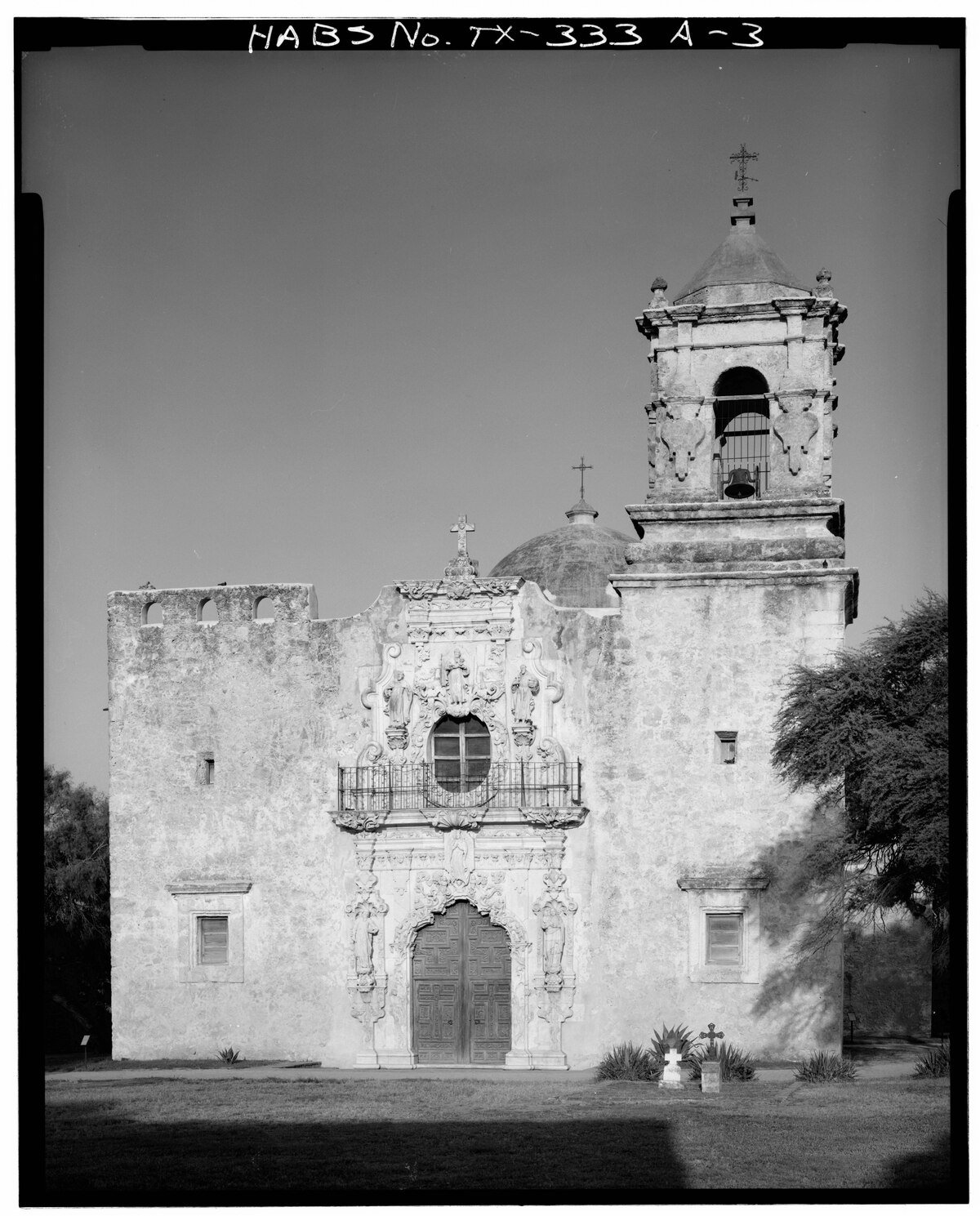
The village centres on the parish church of Santa María. It is a simple stone building, with small windows that let in a muted, filtered light. The door is often closed, though occasionally it is open and allows for a brief look inside.
The interior follows the same restrained approach. Wooden pews show years of wear, and a modest altarpiece stands without elaborate decoration. Everything suggests a space built to last and to serve its purpose, rather than to impress.
Around the church, several older houses cluster together. Some display carved coats of arms or inscriptions set into the stone above their entrances. Others still have heavy wooden doors darkened by time. These are thick-walled homes, designed with the cold winters of this part of Cantabria in mind.
Stone houses and working land
Walking through the few streets of Santiurde reveals clear traces of its agricultural past, which is still very much present. Wide entrances that once allowed carts to pass through, sheds attached to the main house, and small stables built onto the sides of homes all point to a life closely tied to the land.
The façades are not uniform, nor have they been polished into a neat finish. Damp patches mark some walls, newer mortar sits alongside much older stone, and iron railings show layers of paint built up over time. The overall feeling is practical rather than decorative.
At many points during the day, the dominant sounds are not voices but animals. Cows graze in nearby fields, a dog barks from within a yard, and birds move between the scattered trees across the valley. Human activity feels present but not constant, woven into the rhythms of the landscape rather than separate from it.
Paths across the meadows
There are no signposted walking routes or curated trails around Santiurde. Instead, a network of agricultural tracks links fields and small rural buildings. These paths leave the village in several directions and soon become simple dirt tracks.
After several days of rain, which is common in this area, mud appears quickly. Anyone heading out along these paths will want footwear that can handle wet ground. Even so, walking a short distance is worthwhile. Within minutes, the village falls behind and the openness of the valley becomes more apparent.
On the nearby slopes, birch trees grow alongside scattered maples. When the wind picks up, their leaves produce a dry, rustling sound that carries across the fields. Between these patches of trees, cows and sheep graze, usually contained by simple wire fences.
Close to Reinosa
Santiurde is small, and a visit is usually brief. In about an hour, it is possible to walk through the centre at a relaxed pace, take in the façades, and follow one of the tracks out towards the meadows.
For anything beyond that, such as picking something up, having a coffee, or simply finding a bit more movement, the usual option is to head to Reinosa, which is only a short drive away. From there, routes continue towards the Sierra de Híjar and more open mountain areas.
Before you go
Access to Santiurde is straightforward by car, though some of the agricultural tracks are narrow and not always easy for turning around. It makes sense to leave the car near the main junction in the village and continue on foot, taking care not to block entrances to fields or barns.
Livestock farming is still active here every day. It is normal to come across tractors, trailers, or animals close to the road.
In winter, and after prolonged rain, the ground can become very soft, and the cold often feels sharper than expected from looking at a map. A short walk, with suitable clothing, is usually the best way to take in the place.
Santiurde de Reinosa does not revolve around tourism. It is, above all, a village where daily life remains tied to the surrounding meadows. That becomes clear quite quickly when standing still for a moment and listening to the valley.