Full Article
about Campoo de Enmedio
Roman city of Julióbriga
Ocultar artículo Leer artículo completo
The cattle grid at the edge of Matamorosa rattles louder than the church bell. That single clang tells you the altitude has crept above 850 m and the air has thinned just enough to make the grass look Irish-green. Campoo de Enmedio starts here: not with a dramatic gateway or a signposted viewpoint, but with a grid designed to stop wandering cows, not tourists.
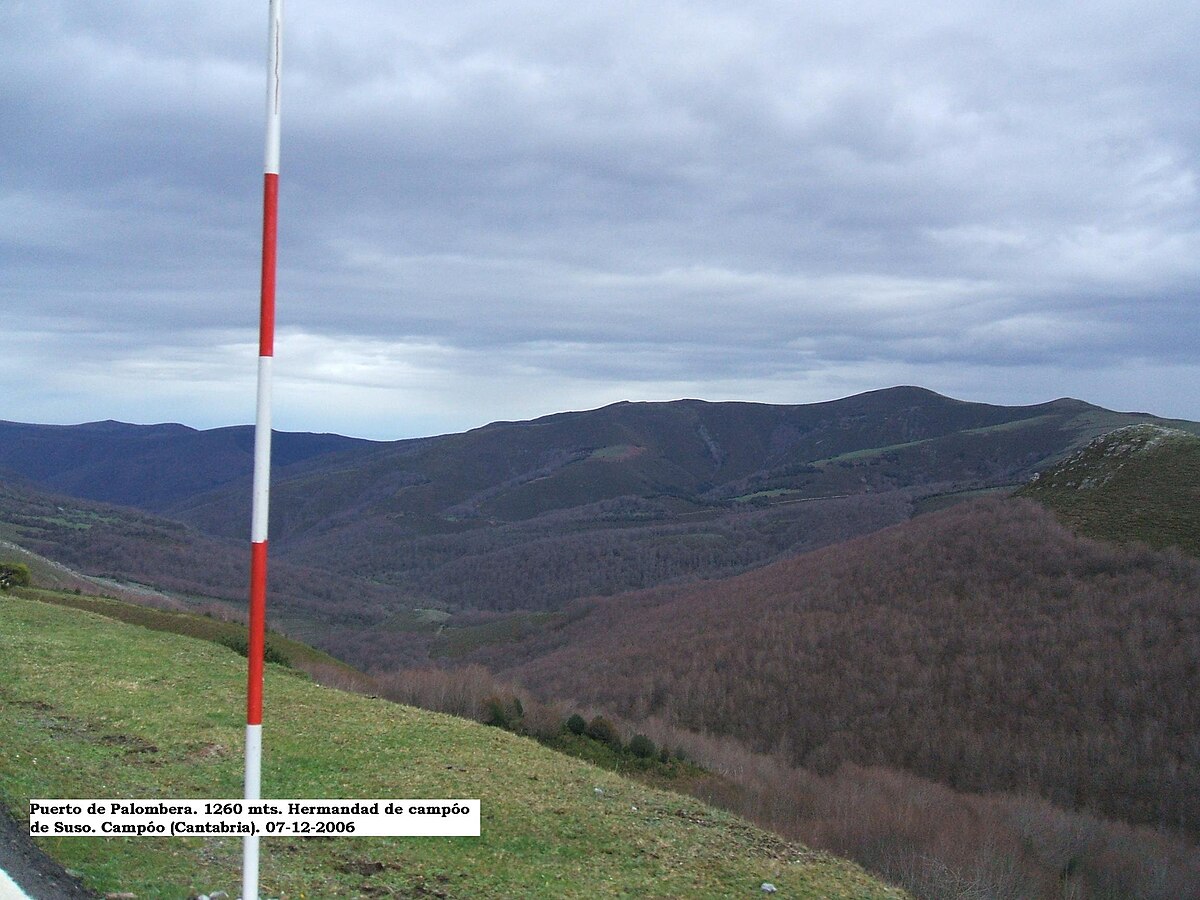
Most British maps label the whole district simply “Campoo”, which is the first misunderstanding. Campoo de Enmedio is the rural collar around the small industrial town of Reinosa, 90 minutes south-west of Santander on roads that switch from motorway to mountain without ceremony. The village chain—Matamorosa, Abiada, Pesquera, Retortillo—spreads across a high, dry basin that feels closer to Castile than to Cantabria’s rainy coast. Rain shadows matter: you can leave Santander under drizzle and still find laundry-day sunshine here.
What passes for a centre
Matamorosa’s high street is 400 m of stone houses, a pharmacy, one cash machine and a bakery that runs out of sobaos pasiegas by 11 a.m. There is no arcaded plaza; instead, villagers lean on parked 4×4s to talk. The church of San Pedro stands slightly uphill, its door usually unlocked in the mornings. Inside, the nave is plain, rebuilt after a fire in the 1940s, but the Romanesque baptismal font survived and still holds water. A laminated sheet, printed by the local council, apologises for the lack of “artistic treasures” and suggests you look at the roof trusses. Honesty can be refreshing.
Architecture buffs sometimes grimace at the concrete balconies added in the 1970s, yet the stone mansions with carved coats of arms further down the lane prove that money—timber, livestock, later the railway—passed through long before tourists did. Walk five minutes past the last house and you are between hedgerows where red admirals feed on buddleia. The path is signed PR-S5, a humble footpath rather than a branded trail, and it joins Matamorosa to Abiada in 45 minutes. OS-style maps are sold in Reinosa’s paper shop for €6; phone GPS works, but only when you crest a ridge.
Lunch at 1,000 m
Altitude sharpens appetite. The only daily menu is served at Bar El Centro, opposite the petrol pumps. €12 buys three courses, bread and a half-bottle of local tempranillo. Monday’s cocido montañés arrives in an individual clay pot—white beans, pork ribs, black pudding—enough to fuel the 6 km hike to the Ebro reservoir without feeling evangelical about health. If you prefer lighter fare, ask for quesada pasiega, a baked cheesecake that tastes like a cross between Yorkshire curd tart and lemon posset. The owner, Eva, will demonstrate proper cider-pouring technique if the bar is quiet: bottle held high, glass held low, eyes on the foam, not the camera.
Vegetarians should speak up; jamón is considered seasoning. Vegan travellers may end up with tortilla española and a shrug—eggs don’t count as meat locally.
Water, wind and winter
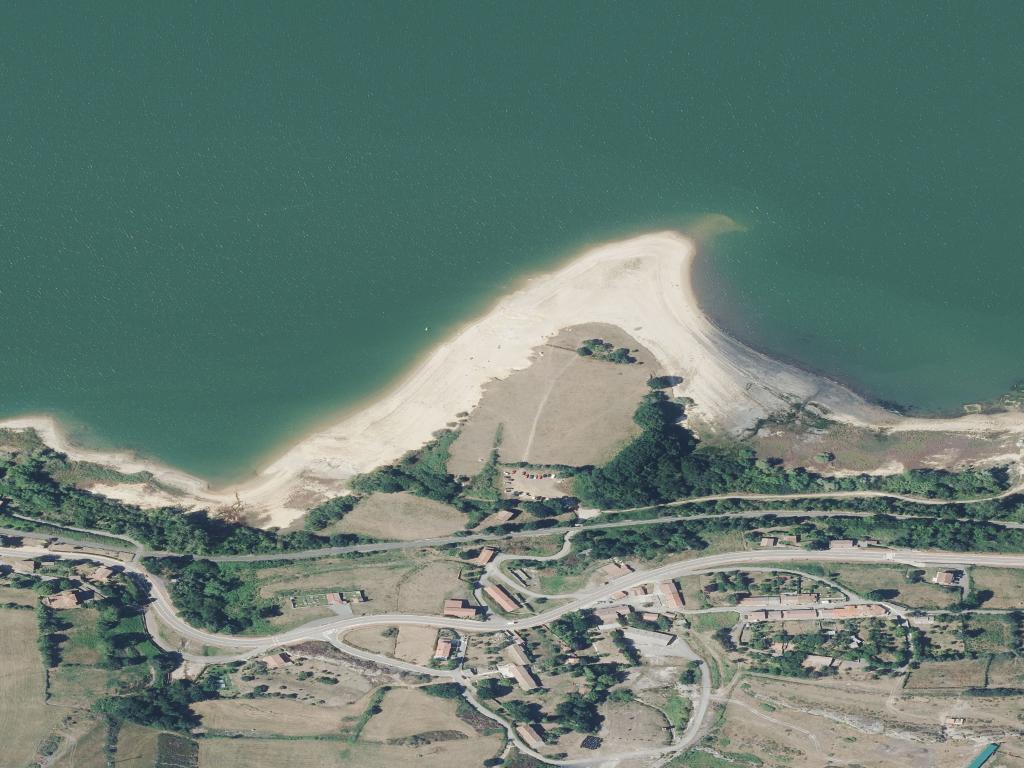
Drive 12 minutes south-east and the road suddenly overlooks the Ebro reservoir, a seven-kilometre tongue of water created in 1953 to cool a thermal power station that closed in 2011. The lake remains, ringed by birch and replanted Scots pine. On weekdays you might share the shore with two retired anglers from Burgos; at weekends half of Cantabria arrives with kayaks tied to roof racks. There is no hire kiosk—bring your own craft, or simply walk the dam and watch red kites ride the thermals.
Winter changes the rules. The same road is gritted up to the Alto Campoo ski station, 25 minutes above the villages, but ice can start at 900 m. Temperatures drop to –8 °C on clear nights; British-style diesel waxing problems are common, so fill up with Alpine-mix fuel in Reinosa. Snow chains are compulsory above the reservoir from December to March, signposted but rarely enforced until a lorry slides sideways across both lanes. Spring, by contrast, is crisp and blossom-heavy; autumn brings beech woods the colour of burnt toast, set against straw-coloured meadows that feel transplanted from the Pyrenees.
Scattered heritage
History here is diffuse rather than monumental. Retortillo, 7 km west, guards the ruins of a Roman mansio beside the old silver route. A single information board shows a floor plan; you need imagination (and mosquito repellent in summer) to picture travellers changing horses in 100 AD. Closer to Matamorosa, the medieval bridge at Pesquera still carries local traffic—one hump-backed lane wide, no parapet, watch for cattle trucks at dawn.
What links the hamlets is work, not tourism. Stone barns have feeding chutes for winter hay; every tiny settlement keeps a communal threshing floor now used for summer fiestas. Visit during the Feria de San Pedro (last weekend in June) and you will find ox-driving contests, verbena dancing until 3 a.m., and street stalls selling cider at €2 a glass. The atmosphere is closer to an English county show than to a Spanish feria on the coast: prize bulls wear coloured rosettes, children race sack-style in grain sacks, and nobody expects foreigners to know the words to the folk song.
Getting it right
Base yourself here only if you have wheels. Buses connect Reinosa to Santander four times daily, but the onward service to Matamorosa is timed for school runs and non-existent at weekends. A hire car from Santander airport costs around £90 for three days in low season; the drive is motorway except the final 10 km, and parking is free everywhere. Mobile coverage on EE and Vodafone works in Matamorosa centre but drops to SOS on the back lanes—download Google Maps offline the night before.
Accommodation is limited to four rural casas rurales (self-catering townhouses) and one small hotel above the bakery. Expect to pay £55–£70 per night for two, including wood for the stove. Breakfast is DIY: buy milk in glass bottles from the dairy van that toots through the village at 9 a.m., match it with still-warm sobaos for an instant sugar rush.
The honest verdict
Campoo de Enmedio will not sweep social media. It offers no whitewashed lanes, no Michelin stars, no gift shops flogging fridge magnets. Instead you get altitude light that makes every stone wall photograph like a 1950s postcard, the smell of hay curing in stone barns, and enough walking routes to fill a long weekend without repeating a step. Come prepared for thin air, sudden weather changes and the quiet that descends when farm machinery shuts down for the day. If that sounds like effort, stay on the coast. If it sounds like space, set the sat-nav for Matamorosa and arrive before the bakery closes.