Full Article
about Hermandad de Campoo de Suso
Cradle of the Ebro River and snow
Hide article Read full article
A valley made of villages
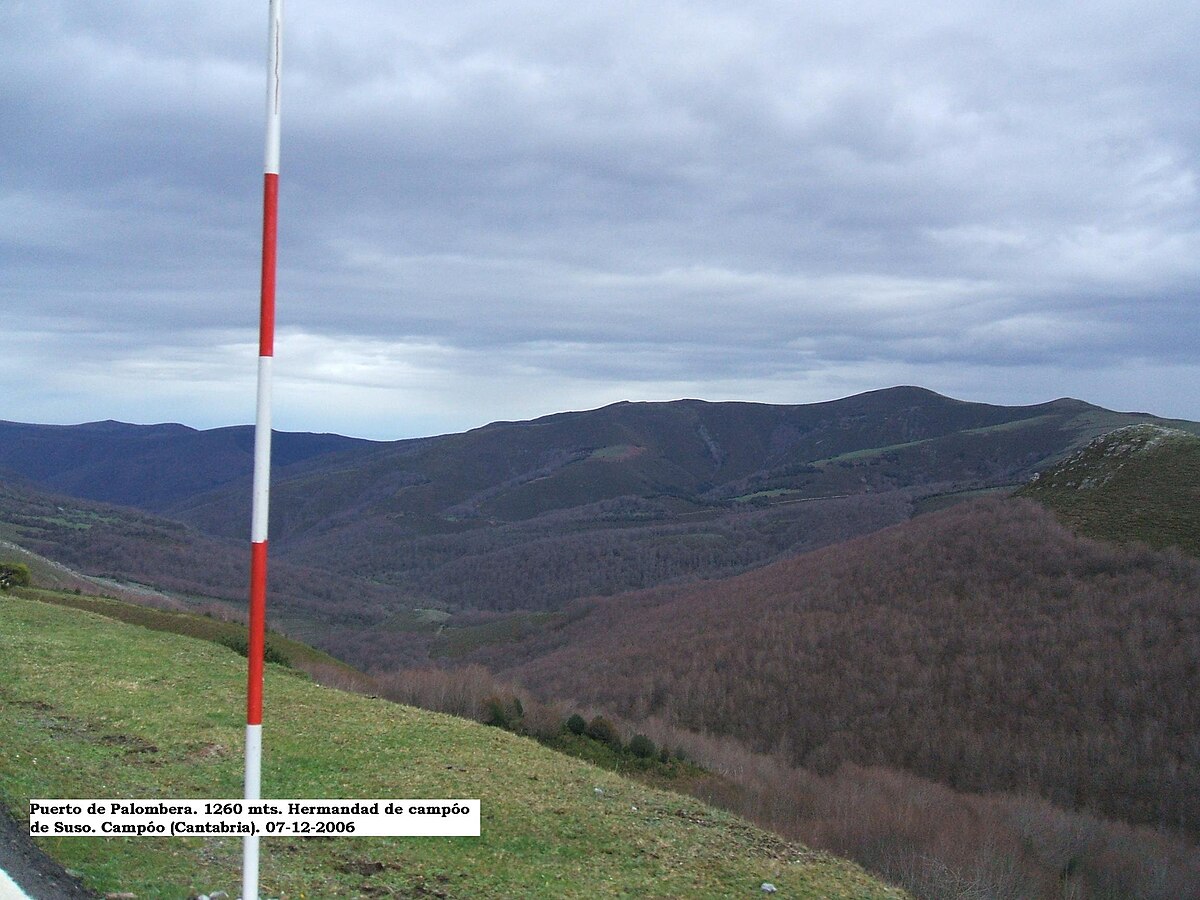
Hermandad de Campoo de Suso sits at the head of the Campoo valley, inland in Cantabria. It does not function as a single town but as a collection of small settlements scattered across the valley floor and the surrounding slopes. There are fourteen separate nuclei, many of them around 1,000 metres above sea level. The shape of the land explains much of what follows: long winters, open meadows and houses built to cope with cold and damp.
The architecture reflects those conditions. Stone is the dominant material, often paired with wooden balconies and south-facing solanas designed to catch the light. Some façades display noble coats of arms. They point to periods when certain rural families gathered enough resources to build larger homes within what has always been a livestock-based landscape.
That rural economy still shows clearly. Meadows surround each settlement, and cattle remain part of everyday life. The Tudanca breed has played an important role here. The dispersed layout of the municipality also shapes how it is explored. On a map the villages appear close, yet the roads rise and fall through the valley, making a car the practical way to move between them.
Romanesque landmarks in the valley
The colegiata de San Pedro de Cervatos is the best-known historic building in the municipality. Built in the 12th century, it belongs to the Romanesque tradition of Campoo, which is generally restrained in style. Here, though, the exterior corbels stand out. They depict human figures, animals and some scenes of a sexual nature that still attract attention from those who take the time to look closely.
The interior is not always open, but the exterior alone gives a clear sense of the building. Its volumes are solid and well defined, and the stonework retains notable precision despite the passing centuries.
In Villacantid, another Romanesque example appears in the iglesia de Santa Juliana. This is a small church, with limited decoration. The carefully cut stone blocks and the absence of elaborate ornament give it a feeling of durability rather than display.
The iglesia de San Cipriano in Suano follows a similar rural line. It stands among meadows and scattered houses, not set apart from its surroundings but integrated into the everyday rhythm of the village.
In Proaño and Naveda, attention shifts from religious buildings to domestic architecture from the 17th and 18th centuries. Here, traditional mountain houses can be seen with thick walls, continuous balconies and attached agricultural spaces. Many of these buildings remain linked to livestock activity.
Roads, slopes and changing light
Connections between villages rely on local roads and tracks that run along the valley floor or climb towards nearby mountain passes. Walking between settlements is possible, though the gradients are noticeable. Distances that seem short on paper can take longer than expected on foot.
The landscape changes markedly with the seasons. In spring, the meadows turn an intense green. Autumn brings ochre tones to hedgerows and hillsides. During winter, snow can cover the higher parts of the valley, while wind is more present in exposed areas.
Fog is also common on overcast days. When it settles into the valley, visibility drops and the entire place takes on a different character, altering distances and softening outlines.
Food shaped by the mountains
Local cooking keeps a distinctly mountain character. Dishes based on beef are common, particularly from Tudanca cattle, alongside cheeses made in the area and stews cooked slowly over time. Portions tend to be generous, reflecting a way of life tied to physical work outdoors.
At certain times of year, recipes linked to traditional slaughter or dairy production return to the table. This is not a cuisine designed to impress through complexity, but one intended to nourish well and suit the climate.
Practical notes for visiting
Hermandad de Campoo de Suso is not easily understood through a quick stop. The villages are separate, each with its own pace, and moving between them takes time. Travelling by car is effectively necessary, along with allowing space to pause in several places.
Many churches remain closed outside of services or pre-arranged visits. For that reason, visits often take place from the outside. Even so, the architecture and its setting offer enough to grasp the character of the area.
Basic services are spread across different settlements in the valley. There is no single centre where everything is concentrated.
If you only have two hours
With limited time, starting in Cervatos makes sense to see the exterior of the colegiata. From there, continuing towards Suano or Villacantid allows for a look at smaller Romanesque churches. Proaño or Naveda then provide a quieter view of traditional valley architecture and how villages are organised around the meadows.
Hermandad de Campoo de Suso is best understood through these details: houses turned towards the sun, Romanesque churches scattered across the landscape and the constant presence of pasture.