Full Article
about Las Rozas de Valdearroyo
Inland beaches in Campoo
Hide article Read full article
Un valle transformado por el agua
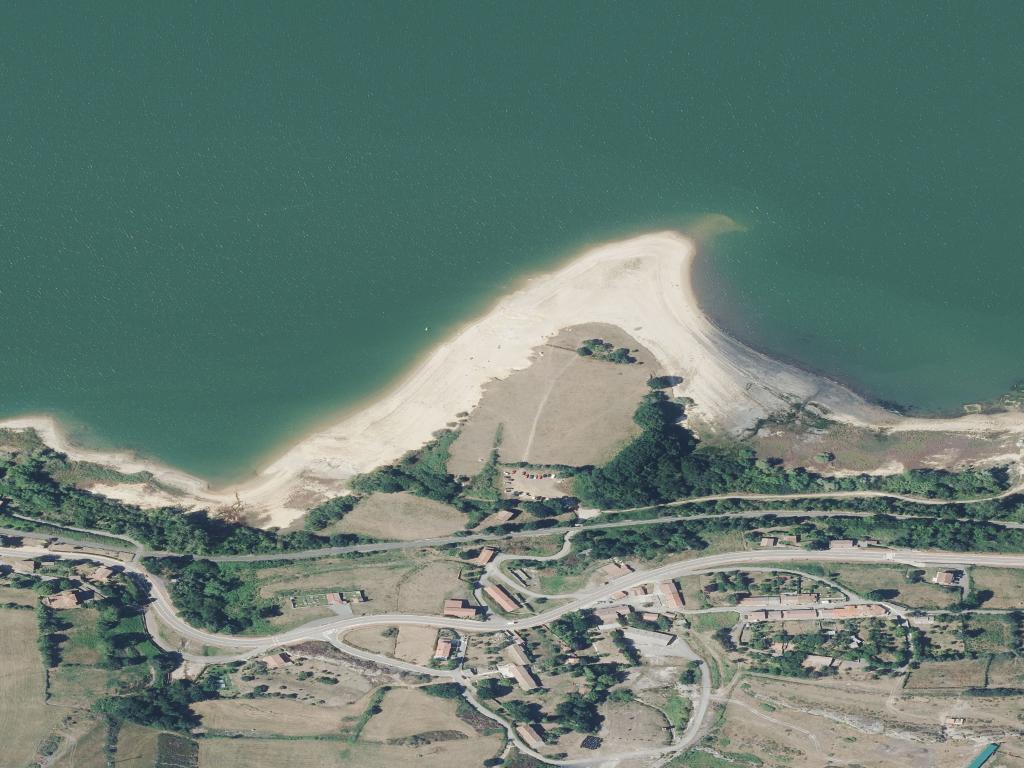
Para entender Las Rozas de Valdearroyo hay que empezar por el embalse del Ebro. La presa se construyó a mediados del siglo XX. Antes, el terreno era un valle con prados, caminos y aldeas dispersas. El agua anegó buena parte de ese paisaje original. Los pueblos que quedaron a salvo vieron cómo su entorno cambiaba por completo.
Esa transformación aún define el carácter del lugar. El embalse no es un elemento más, es la razón por la que el territorio se organiza como lo hace. Lo que fue un valle recogido se convirtió en un espacio abierto, donde la línea de la orilla se mueve con las estaciones.
Una orilla que nunca es la misma
El agua del embalse del Ebro dibuja hoy los límites del valle. Su nivel sube y baja con el deshielo, la lluvia y la gestión de la presa. En épocas secas, quedan al descubierto extensiones de fango y piedra que normalmente están sumergidas. Cuando el nivel sube, el agua llega a los taludes de los montes.
Los días sin viento, la superficie parece quieta, como una lámina gris. Con aire, se forman olas pequeñas y el reflejo de las lomas se deshace. El paisaje resulta ancho, expuesto, muy distinto del valle cerrado que había antes de la presa.
Esta variación es parte de la vida aquí. Un mismo mirador cambia de un mes a otro. Los límites entre tierra y agua nunca están fijos.
El pueblo y su trazado
La población principal es pequeña y se extiende sin un orden estricto. Las casas de piedra dominan, algunas con corredores de madera o balcones cerrados. No se levantaron siguiendo un plan, y esa irregularidad se nota. Muchas construcciones se han reformado, pero quedan huellas de etapas anteriores.
Portones de hierro pesado, muros con señales de antiguas ampliaciones y cercados que ahora sirven para otra cosa muestran cómo ha evolucionado el pueblo. Estos detalles conviven con reformas recientes, sin un estilo unificado. El resultado es un carácter práctico, por capas.
En el centro está la iglesia parroquial de San Pedro. Su origen es del siglo XVI, aunque la estructura actual incluye reformas posteriores. No es un templo grande, pero su papel en el pueblo es claro. La plaza se organiza a su alrededor, y desde ahí se entiende la escala del asentamiento.
Fuera del núcleo, aparecen pequeñas ermitas y cruces de camino en los alrededores. Están ligadas a las vías que conectaban los barrios y las aldeas dispersas por el valle antes del embalse. Esos caminos formaban parte de la vida cotidiana, y sus trazos aún ayudan a leer el territorio.
Bosque y senderos en las lomas
Las laderas alrededor de Las Rozas tienen manchas de roble y haya. No son bosques continuos y extensos. Se alternan con pastos y claros, creando un paisaje mezclado, no denso.
Se accede a estas zonas por pistas ganaderas o senderos informales que usan los vecinos. No hay una red amplia de rutas señalizadas. Moverse por el terreno exige atención al suelo y seguir trazas a veces poco definidas.
El cambio estacional se ve sobre todo en otoño, cuando los robles y las hayas cambian de color. La humedad es frecuente en esta parte de Cantabria, y el suelo puede estar resbaladizo. Caminar aquí suele ser más lento, más atento, sobre todo en tramos sin señal clara.
La impresión general es la de un paisaje vivido, no dispuesto para la visita. Los senderos responden a un uso práctico, y el bosque se siente integrado en las rutinas locales.
Aves en la ribera
Las orillas del embalse atraen aves acuáticas. Con paciencia, se pueden ver garzas y cormoranes, junto a distintos tipos de patos que pasan parte del año aquí. Su presencia varía según la época y las condiciones.
No hay miradores específicos para observación ni infraestructura preparada. Depende más de quedarse quieto y dedicar tiempo. La apertura del embalse permite ver aves desde varios puntos de la ribera, aunque sin acceso estructurado ni guía.
Esta falta de equipamiento marca la experiencia. No se trata de llegar a un sitio concreto, sino de fijarse en lo que hay alrededor. La actividad sigue siendo informal, ligada al ritmo del lugar.
La pesca en el embalse
La pesca forma parte de las actividades habituales en el embalse. Requiere licencia y atenerse a la normativa vigente, que cambia según la temporada. Estas reglas determinan cuándo y cómo se puede pescar.
Entre las especies que se citan en estas aguas están la trucha, el lucio y la carpa, aunque su presencia puede variar con el tiempo. Las condiciones del embalse no son constantes, y eso afecta a lo que se encuentra en cada periodo.
Como en otros aspectos de la zona, la pesca aquí está condicionada por la naturaleza cambiante del agua. El nivel, el tiempo y los ciclos estacionales influyen en cómo se usa el embalse.
Un lugar marcado por su ritmo
Las Rozas de Valdearroyo tiene 258 habitantes y un ritmo tranquilo. No es un destino pensado para una agenda llena de actividades. Funciona mejor como una parada breve o como base para recorrer los alrededores más amplios del embalse.
El tiempo influye mucho en cómo se vive el lugar. El viento fuerte puede cambiar el paisaje rápido y hacer incómodo pasear junto al agua. Los días despejados permiten leer con más claridad la relación entre el embalse y el antiguo valle.
La zona no pretende ofrecer una imagen pulida o fija. Su carácter viene del cambio, de la adaptación y de cómo el agua ha redefinido todo a su alrededor.