Full Article
about Valdeprado del Río
Upper valley of the young Ebro
Ocultar artículo Leer artículo completo
The stone trough still holds water. It sits where two lanes meet in Valdeprado del Río, fed by a thin pipe that never quite stops running. Locals call it la fuente and fill plastic jerry-cans for the drive home; visitors usually miss it because the map shows nothing here worth stopping for. That is the first lesson of this scattered municipality: the interesting bits are unlabelled.
Valdeprado is not one village but a necklace of hamlets—La Fuente, La Víña, El Mazo, a dozen more—strung across folds of pasture at 900–1,100 m. Stone houses are bolted to barns, slate roofs tilt at whatever angle the slope demands, and every second gate opens onto meadow rather than street. The population hovers around 320, plus a floating herd of russet-coloured cows that wander between pasture and milking shed twice daily. You hear them before you see them: brass bells clank down lanes barely wider than a tractor.
Walking the Invisible Map
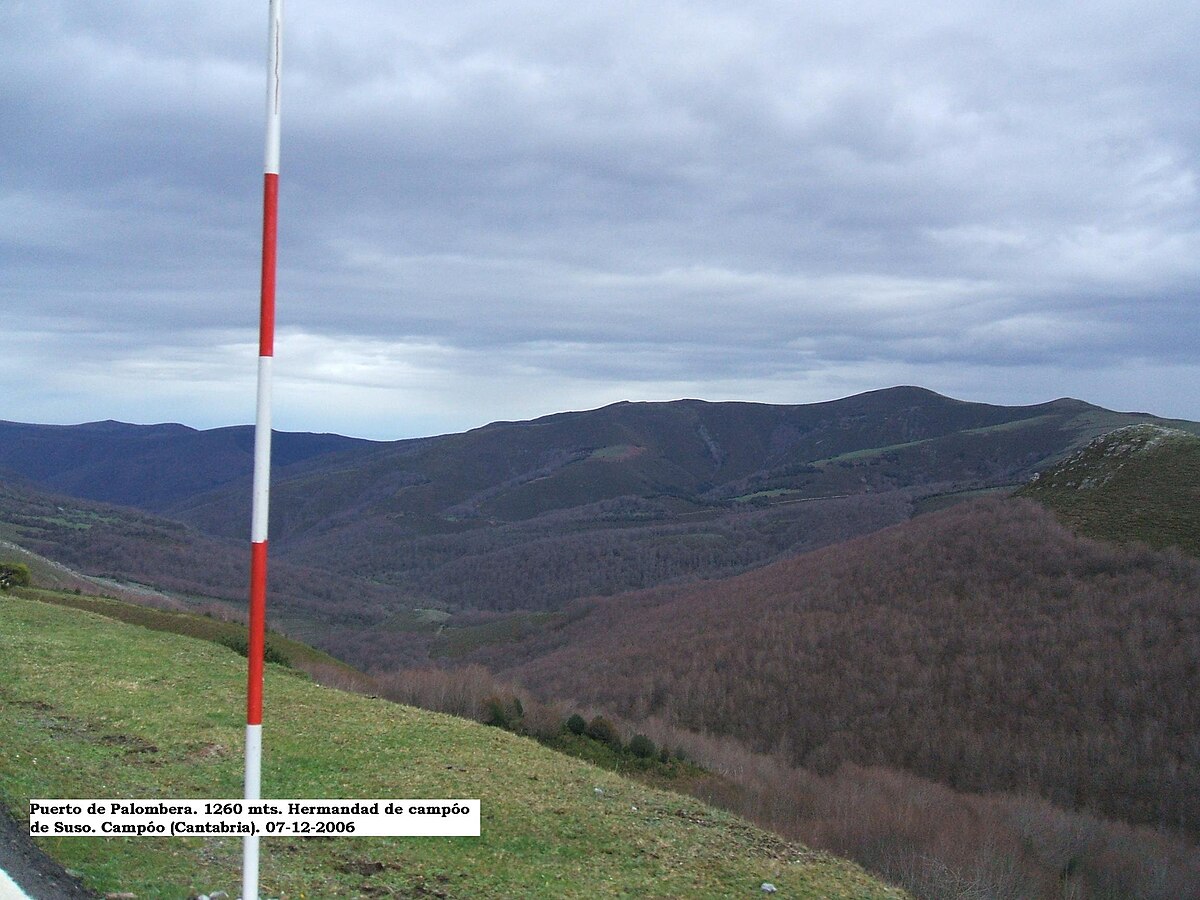
Footpaths here pre-date the tarmac. They link hamlets to haylofts, haylofts to water, water to church. None is longer than 6 km, yet the vertical gain can top 300 m on a short crossing. A typical morning ramble might start at the Romanesque chapel of San Andrés (keys with Señora Carmen, house opposite the green post-box) and climb a green lane past abandoned threshing circles to the ridge above El Vaho. From the crest the valley opens northwards: the Ebro reservoir glints 20 km away, the first serious mountains of the Cordillera Cantábrica bruise the horizon. There is no signage, no selfie platform, just a stone wall to lean on while you get your breath back.
After rain the clay sticks like wet biscuit to boots; in July the same earth turns rock-hard and cracks like broken plates. The pragmatic choice is May–June or mid-September–October, when the hay is cut, nights are cool and the bracken is short enough to see over. Winter brings proper snow most years; drifts can linger on north-facing bends until March, so carry chains even if the motorway was clear.
The only marked circuit is a 9 km loop that marketing leaflets call Ruta de las Portillas ("gate-route"). It is pleasant but incomplete: the arrows stop at a wire gate where the farmer replaced the posts and never bothered to re-nail the sign. Keep the river on your right and you will emerge on the CA-274 eventually; turn left and the tarmac leads back to the bar.
One Bar, No Bank, Five Cheeses
El Furancho is easy to spot: the only building with fairy-lights year-round. Inside, the menu is written on a cardboard box lid and changes with whatever José Luis has traded. One constant is cocido montañés, a mild white-bean stew with black pudding and pancetta; order it mid-week and the beans will have been soaked the previous night in the same pan they are served in. A plate costs €9 and arrives with half a loaf of bread baked by his sister in Reinosa. Vegetarians get a tortilla de patatas thick as a paperback; vegans should bring sandwiches.
Drink options are red wine from Aranda or water from the tap. No coffee machine—José Luis refuses to clean the milk spouts—so espresso means a two-minute walk to the grocery, where Pilar fires up a Nespresso on Saturdays only. The nearest cashpoint is 25 km south in Reinosa; the bar takes cards, but the signal drops when the weather is "funny", i.e. most afternoons.
Cheese is sold from a fridge in the porch: five versions of cow’s-milk queso de nata, each wrapped in supermarket cling-film and labelled only by weight. The youngest is creamy enough to spread; the 60-day version develops crunchy protein crystals that Brits usually associate with mature Cheddar. Buy a wedge (€7 for 250 g) and they will slip in a frozen gel-pack so it survives the Ryanair flight home.
Stone, Slate, Silence
Architecture buffs expecting arcaded plazas will be disappointed. The appeal is micro-scale: hand-forged iron hinges shaped like tulips, a 1730 date-stone carved with a pilgrim shell, barn doors painted the same green as the local tractors. Churches are unlocked only for funerals and the annual romería in late July; otherwise you peer through keyholes at baroque altarpieces gilded the colour of burnt butter. The exception is the Real Santuario de Montesclaro, three kilometres north on a wooded spur. It is technically outside the municipality, but the footpath starts opposite El Furancho and climbs through beech woods noisy with chaffinches. Inside, the rococo chapel glitters like an overdressed reliquary; outside, the terrace delivers a 40-km view towards the Picos de Europa. Pilgrims arrive on the first Sunday of August; everyone else gets the place to themselves.
Logistics for the Unhurried
Getting here: Fly Santander with Ryanair from Stansted, Manchester or Edinburgh. Hire cars live in the airport car park; ignore the hard sell on sat-nav—Google works until the final 8 km, then the signal dies. Take the A-67 south to Aguilar de Campoo, peel off on the N-611, then twist up the CA-274 for 22 km. The road is single-track for the last stretch; if you meet a cattle lorry, reverse to the nearest passing bay. Total drive from Santander: 1 h 40 min.
Sleeping: Los Carabeos has three rooms above the old schoolhouse, beams blackened by 200 years of wood-smoke. Bathrooms are new, Wi-Fi is not. €70 B&B, payable in cash. The only alternative is 12 km away in Riaño de Campoo, where two three-star hotels compete for weekday engineers working on the wind-farm. Book the night before; Cantabrian businessmen travel mid-week and rooms vanish.
Weather cheat-sheet: At 1,000 m, July averages 18 °C at midday, 8 °C at dawn. A fleece in August is not overkill; a rain-shell in May is essential. Snow can fall any month with an ‘r’ in it—listen to the farmer, not the app.
What Can Go Wrong
The single most common mishap is assuming proximity. "Just down the road" might mean a 200 m drop followed by a ford. A couple from Guildford recently followed their GPS down a concrete track marked camino particular and spent the night in a field when the hire-car belly-pan grounded on a rock. If the tarmac stops, you have gone too far.
Second error: timing lunch. Kitchens shut at 15:30 and do not reopen for supper until 20:30. Arrive at 16:00 and you will be offered crisps and beer, nothing warmer. Carry emergency almonds.
Third: dogs. Every farm keeps a mastiff the size of a small bear. They are tethered, but the rope sometimes reaches the lane. Maintain eye contact, walk wide, do not run—same rule as the New Forest, but with more slobber.
Heading Home
Leave early and the sun lifts mist off the meadows in pale sheets; cows file through gates like commuters punching in. By nine the day-trippers from Santander are still an hour away and you have the stone trough, the silent church and the winding road to yourself. Fill a bottle for the journey—the water is cold enough to numb your gums and tastes faintly of iron, a souvenir without a gift-shop label.