Full Article
about Comillas
Modernist town on the Cantabrian coast
Hide article Read full article
Comillas, a village reshaped by the sea and the Americas
In September 1881, King Alfonso XII convened his Council of Ministers in Comillas. The choice of this small Cantabrian fishing port, then home to little more than a thousand people, over Madrid or Santander, was a statement. It signalled a shift. Electric lighting was being tested in its streets, a rarity in Spain, and the town’s physical form was being rewritten by wealth earned across the Atlantic.
The indiano influence on architecture
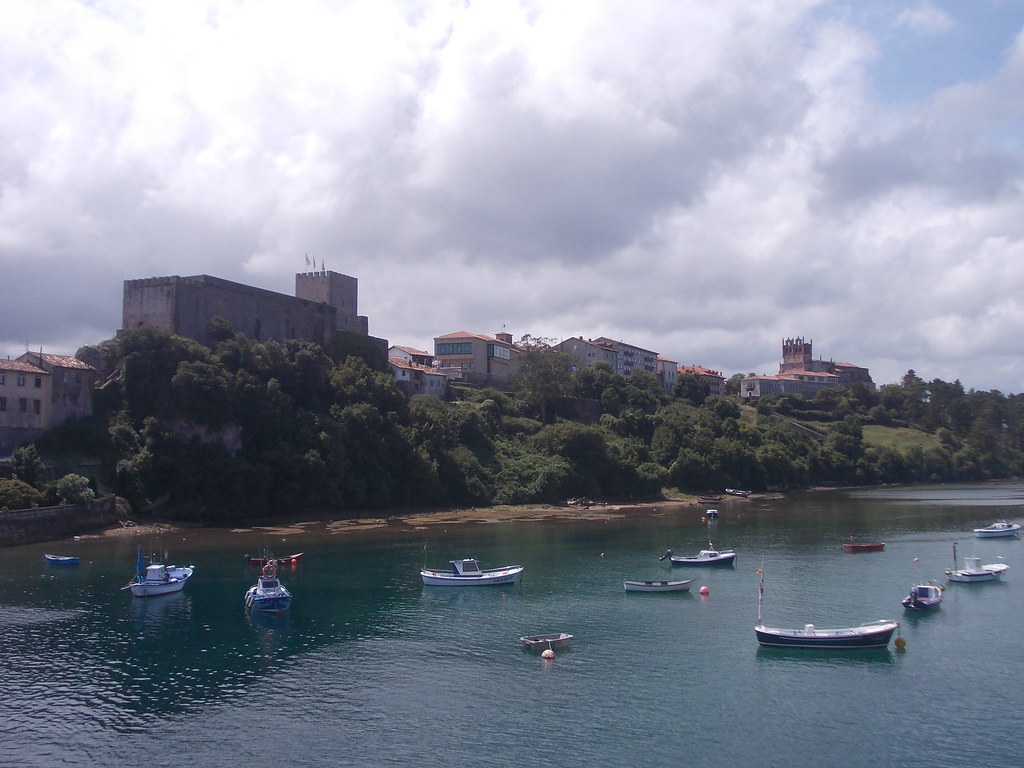
Comillas has a small estuary that provided shelter for local boats for centuries. A proper port was built in the 18th century, but the most profound change arrived with returning migrants. In the mid-19th century, residents who had made fortunes in Cuba and Puerto Rico came back with a clear ambition: to build. Their patronage explains the density of notable architecture in such a confined space.
The Palacio de Sobrellano, designed by Joan Martorell, is the most prominent example. Its neo-Gothic silhouette in brick and glazed ceramic is visible from various points. It was built for the first Marquis of Comillas, whose family name is inseparable from the town’s transformation. The adjacent chapel-pantheon completes the ensemble.
A short walk away, set among pines, is El Capricho de Gaudí. Commissioned by Máximo Díaz de Quijano in the 1880s, the house is an early work by Antoni Gaudí. Its use of wrought iron, brick, and ceramic tiles—particularly the sunflowers that give it its name—was unconventional for the period.
A university on the hill
Dominating the skyline is the former Pontifical University. Its scale seems disproportionate to the town below. Constructed in the late 19th century for the education of clergy and Catholic elites, its broad brick façades and grand staircases convey a deliberate authority. The institution moved to Madrid decades ago; the restored building now hosts university functions, bringing a contingent of students back to its halls.
In the old town centre, the church of San Cristóbal shows a layered history. Its construction spanned centuries, resulting in a blend of Baroque foundations and later modifications. As the patron saint, San Cristóbal’s feast day remains a fixed point in the local calendar.
A cemetery above the coastline
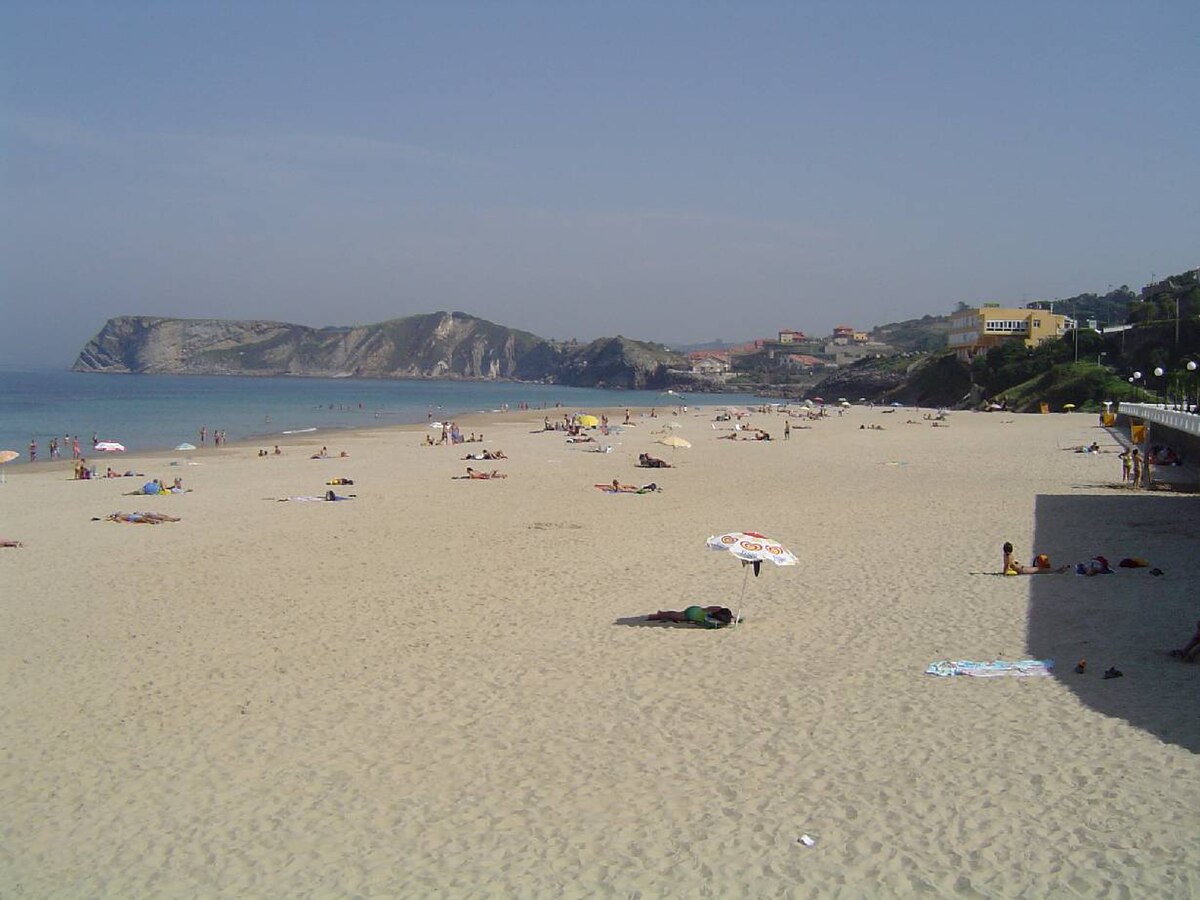
Behind the university, a path leads through pines to the cemetery. It occupies the site of a medieval church and looks directly over the Cantabrian Sea. The view frames Comillas’s dual identity: the open ocean ahead, and to the side, the estuary and marshes that lead toward Oyambre Natural Park.
The cemetery contains 19th-century pantheons belonging to indiano families. Their mausoleums feature anchors, broken columns, and detailed stonework that speak of both maritime life and acquired wealth. The site’s power derives from this juxtaposition of elaborate memorials and the raw expanse of sea.
Walking to the natural park
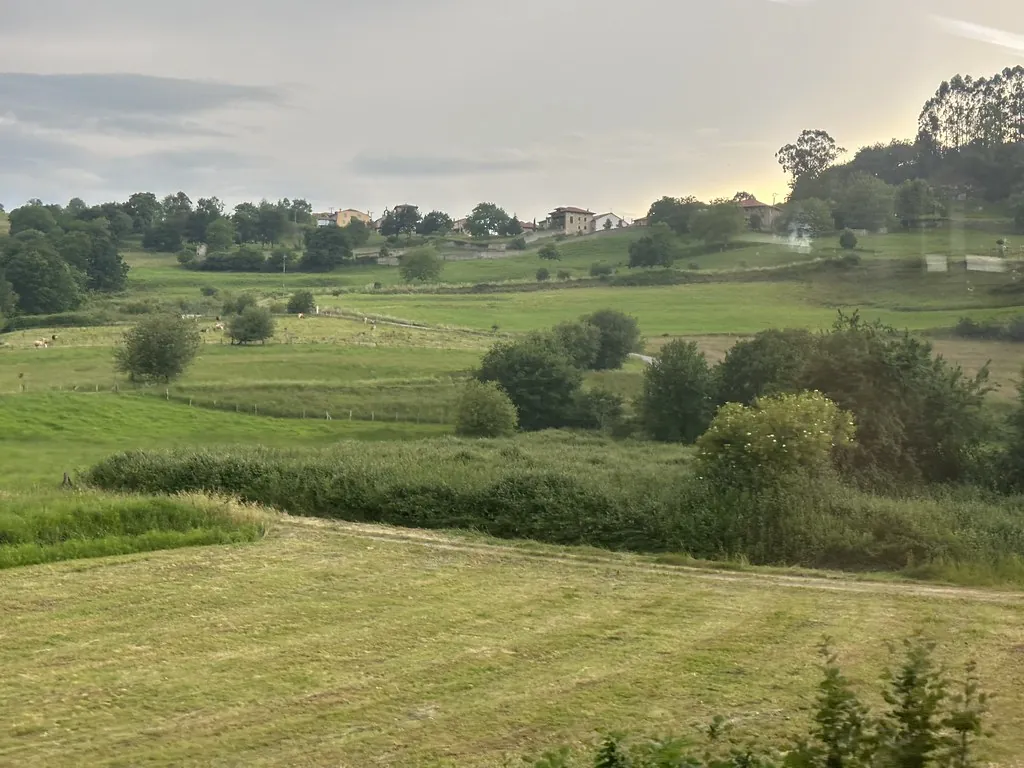
From the cemetery area, footpaths descend toward the coast. They cross meadows and pine woods, opening onto views of the Ría de la Rabia and the beaches of Oyambre. At low tide, the landscape reconfigures itself, exposing sandbars and marsh. These are not remote trails; you will see locals walking here regardless of the weather, which shifts rapidly from sun to sea mist.
Practical notes on cuisine and rhythm
The food follows Cantabrian patterns. Cocido montañés, a stew of beans, cabbage, and pork, is common in colder months. In season, bonito del norte appears on menus. For something sweet, quesada and sobao are staples, their presence rooted in family connections many here maintain with the Pasiego valleys inland.
The year’s rhythm is marked by familiar traditions, with the festival of San Cristóbal as an anchor. Comillas functions on two levels: as a working village with its own pace, and as a repository of an architectural moment financed by distant seas.