Full Article
about Miengo
Wild dunes and beaches
Ocultar artículo Leer artículo completo
The Estuary that Changes Shape
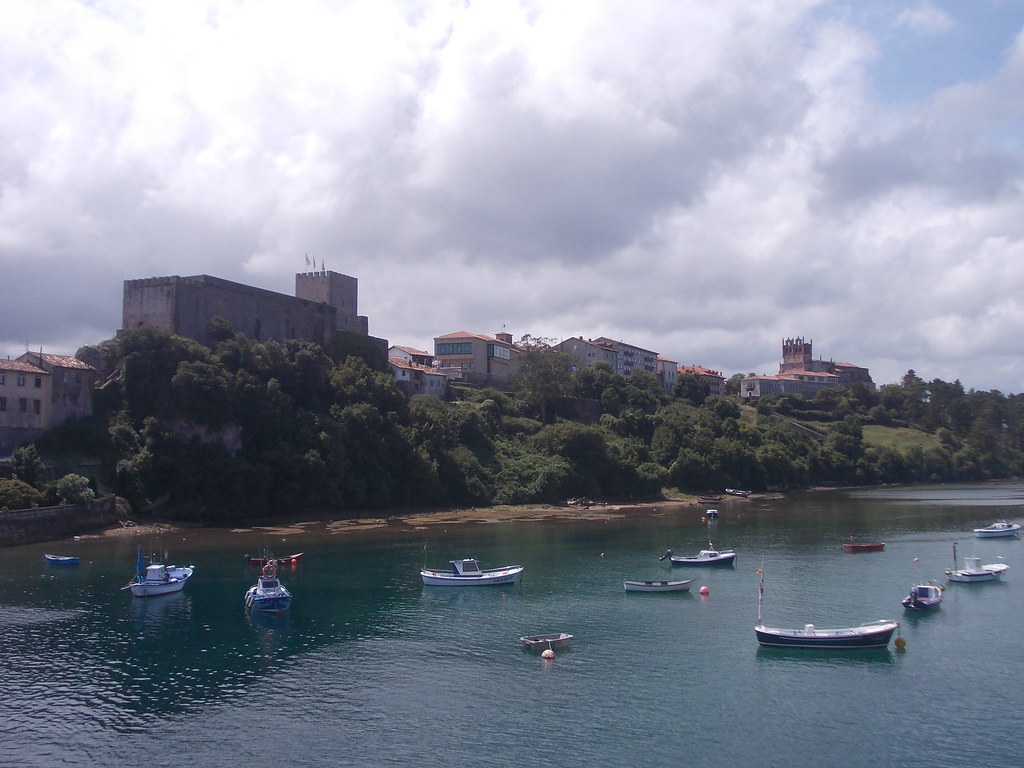
Stand at the edge of Mogro estuary at midday and you'll see a broad sheet of silver water reaching toward the sea. Return six hours later and the view has vanished. Mudflats threaded with narrow channels stretch into the distance, gulls wheel overhead, and the smell of salt marsh replaces the morning's fresh breeze. This twice-daily transformation defines Miengo more than any church or town square ever could.
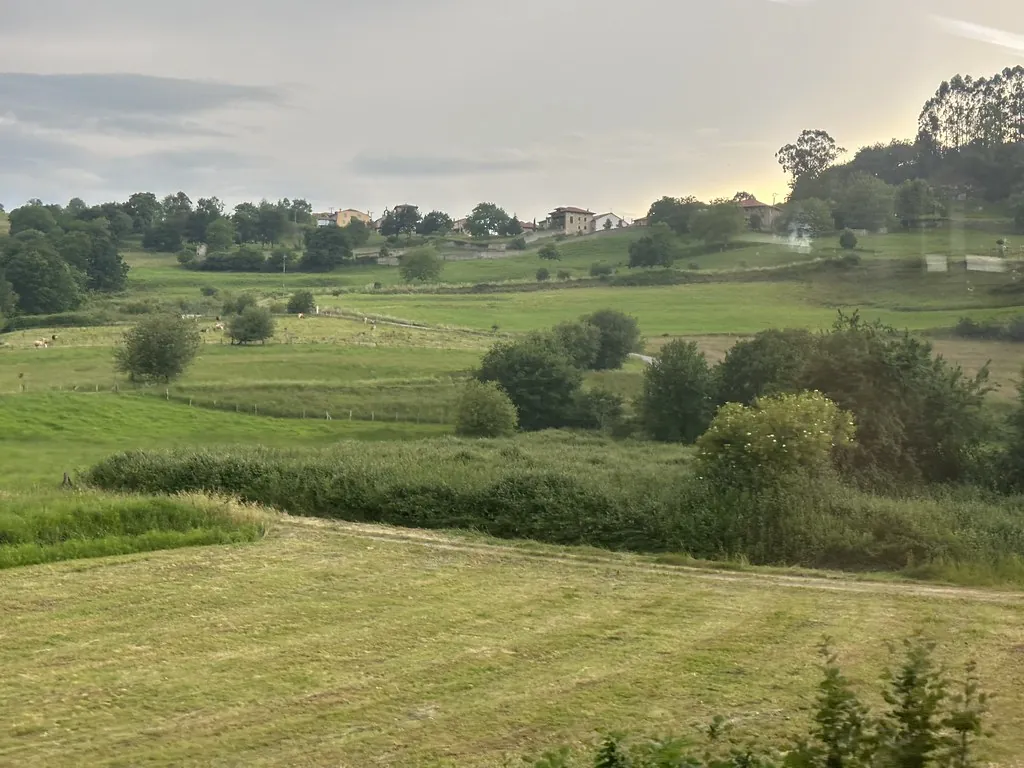
The municipality strings along four kilometres of Cantabrian coastline, yet it has no centre to speak of. Instead, scattered hamlets—Mogro, Cudón, Cuchía, and half a dozen others—sit among dairy pastures and stone walls, connected by narrow lanes where cattle have right of way. It's less a village than a collection of places that happen to share a parish, and understanding this dispersal is key to avoiding frustration.
Beaches that Shift with the Weather
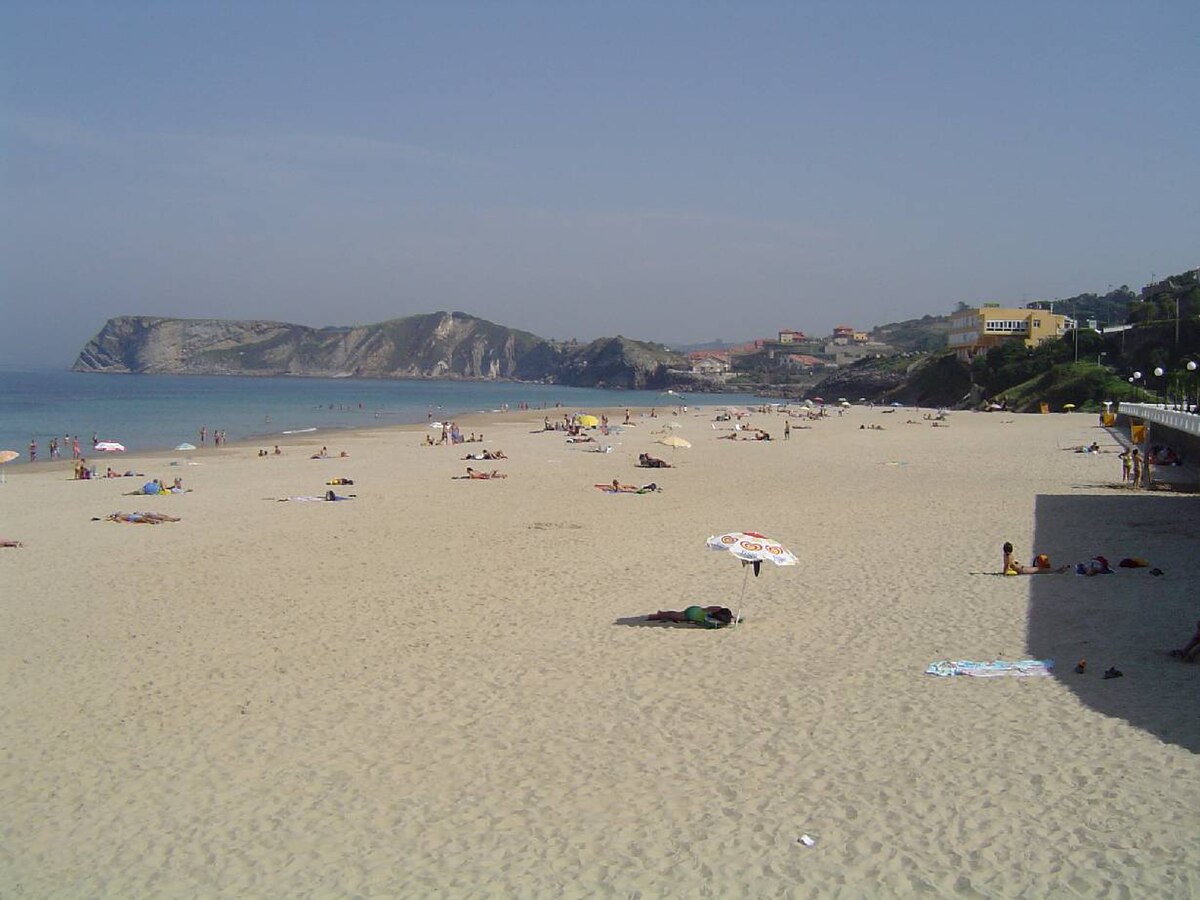
Cuchía beach faces northwest, catching whatever the Bay of Biscay decides to throw at it. When the wind drops, the broad sweep of golden sand fills with families from Santander seeking breathing space. When it doesn't, the same families retreat to Santander's more sheltered bays, leaving surfers in thick wetsuits to claim the waves. The beach bar, El Chiringuito, stays open regardless—its thick-cut chips and grilled squid providing refuge when sand starts stinging bare legs.
Smaller Usil beach sits tucked behind a headland, five minutes' drive east. High tide brings swimmers to its pocket of sand; low tide reveals rock pools where children hunt for crabs while parents scan the horizon for rain clouds. The contrast between the two beaches is stark: Cuchía's openness versus Usil's enclosure, Atlantic force versus estuary calm. Locals choose daily based on wind direction, something visitors learn after one sand-blasted picnic too many.
Parking at both requires strategy. The official Cuchía car park fills by 11:00 on August weekends, but the rough ground behind it—unsigned but tolerated—absorbs overflow until around 13:00. After that, it's a ten-minute walk from roadside spaces along the CA-231. Usil has fewer spaces but correspondingly fewer visitors; midweek in September, you might share the sand with only a handful of dog-walkers and the occasional horse rider exercising their mount along the water's edge.
Walking Without a Destination
The coastal path east from Cuchía climbs onto low cliffs before dropping into the Dunas de Liencres Natural Park. This four-kilometre stretch delivers exactly what British walkers expect from northern Spain: gorse-covered headlands, sudden views of empty coves, and the constant soundtrack of waves on rocks. The path's surface varies from compacted earth to loose gravel—waterproof boots recommended outside summer, when rain turns sections slippery.
Inland walks follow ancient lanes between stone walls. One recommended circuit starts at Cudón's church, climbs past the imposing but private Palacio de la Bodega, then loops through pastures to rejoin the CA-231 after ninety minutes. The route passes zero shops or bars, so pack water and expect curious cows to block the path. Spring brings wild orchids among the grass; autumn offers blackberries for casual snacking.
Eating Between Farm and Sea
Miengo's restaurants reflect its split personality. Bodega Cuevas in Mogro occupies a converted farmhouse where dairy smells still linger in the courtyard. Inside, the menu runs from grilled beef—local, naturally—to sea bass caught that morning. Portions follow Cantabrian convention: order one dish between two unless you're ravenous. The grilled squid arrives tender rather than rubbery, seasoned simply with olive oil and sea salt. Locals drink the regional cider, less sharp than Asturian varieties, served in wine glasses rather than the traditional wide pours.
At Cuchía beach, El Chiringuito understands British requirements. Alongside rabas (fried squid rings) come proper chips, thick-cut and golden. They stock HP Sauce alongside local alioli, and the coffee meets northern European strength standards. Prices match UK beach cafés—expect €12-15 for squid and chips with a drink—but the sea view comes free.
For self-caterers, the Saturday market in nearby Polanco offers proper Spanish market shopping. The cheese stall does a semi-cured cow's milk cheese that travels well—buy a wedge for picnics, but remember to pack a knife in checked luggage. Fish vans visit Mogro on Tuesday and Thursday mornings; arrive early for the best selection, and bring cash as the nearest ATM stands three kilometres away in Polanco.
Practical Realities
Santander airport sits twenty minutes away via the A-67, making Miengo arguably the quickest Cantabrian beach destination for UK arrivals. Car hire is essential—public transport connects the hamlets sporadically, and taxis require booking. Mobile signal disappears in coastal hollows; download offline maps before setting out.
Accommodation scatters across the municipality. Check locations carefully—many rentals advertised as "Miengo" sit inland with zero sea views. Coastal options range from the Posada Lunada's nine rooms (breakfast includes both tortilla and marmalade) to self-catering apartments above Cuchía's beach bar. Week-long bookings dominate July and August; shorter stays become possible in shoulder seasons when the light turns golden and beaches empty.
Weather demands flexibility. Summer mornings can start clear before Atlantic clouds roll in; pack layers regardless of forecasts. Winter brings dramatic seas and empty roads, but also closed beach bars and limited dining options. Spring and autumn offer the best balance—mild temperatures, changing skies, and sufficient daylight for walks that end at a bar table with a glass of local cider.
Miengo rewards those who abandon checklist tourism. Come for three days, not one. Walk the estuary at both high and low tide. Eat where farmers and surfers share tables. Accept that the village has no centre, the beaches have no facilities beyond summer, and the wind might ruin your picnic. Understanding these limitations transforms them into the very reasons for visiting—a stretch of Cantabrian coast where the rhythms of tide and weather still dictate the day's possibilities, and where British visitors can experience Atlantic Spain without the infrastructure that usually accompanies it.