Full Article
about Ruiloba
Balcony over the Cantabrian Sea
Hide article Read full article
Ruiloba, o cuando un pueblo no tiene un cartel de "bienvenida"
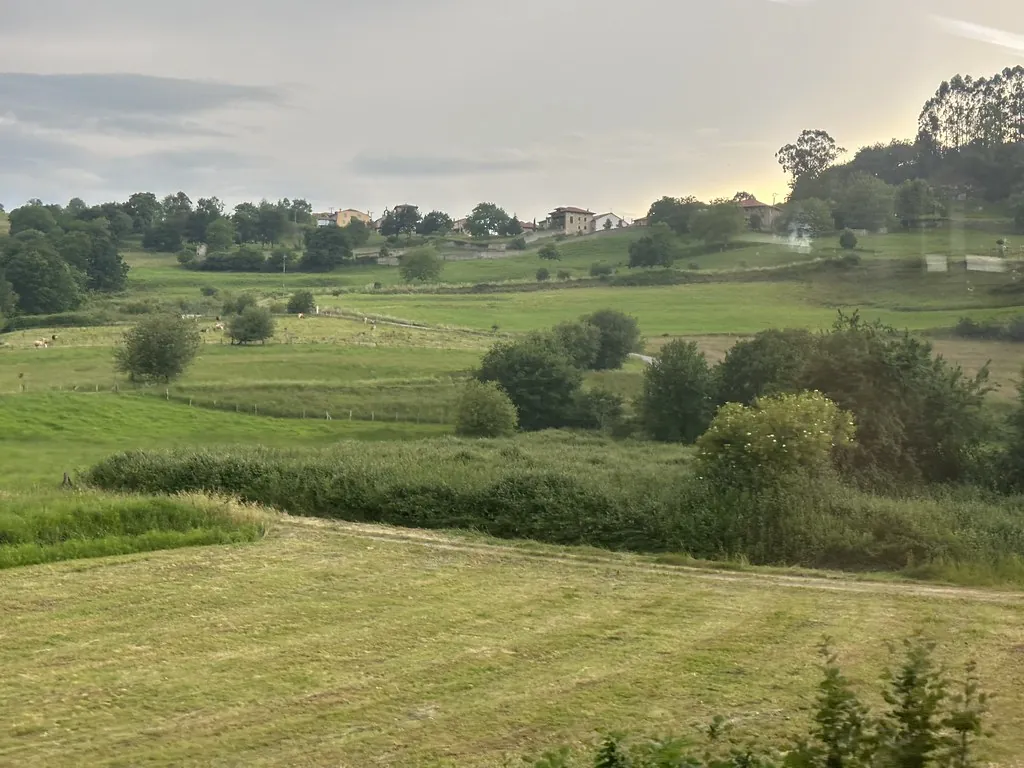
Llegar a Ruiloba es como ir a casa de alguien que vive en una urbanización: pasas por una rotonda, luego otra, ves casas a la izquierda, más campo a la derecha, y de repente ya estás ahí sin haber visto un letrero claro. No hay un centro que aglutine todo. El pueblo son varios barrios desperdigados entre prados y caminos de tierra, y eso es justo lo que vas a encontrar.
Concha es tu punto de referencia (más o menos)
Si tuviera que elegir un sitio para empezar, sería Concha. Ahí está la iglesia de San Julián y Santa Basilisa, que sirve más para orientarte que para quitarte el hipo. Es de piedra, sobria, del tipo que pasa desapercibida hasta que te paras un minuto. En la fachada hay unos escudos tallados, seguramente de familias de la zona hace siglos. Son ese detalle curioso que notas mientras atas el cordón de la zapatilla.
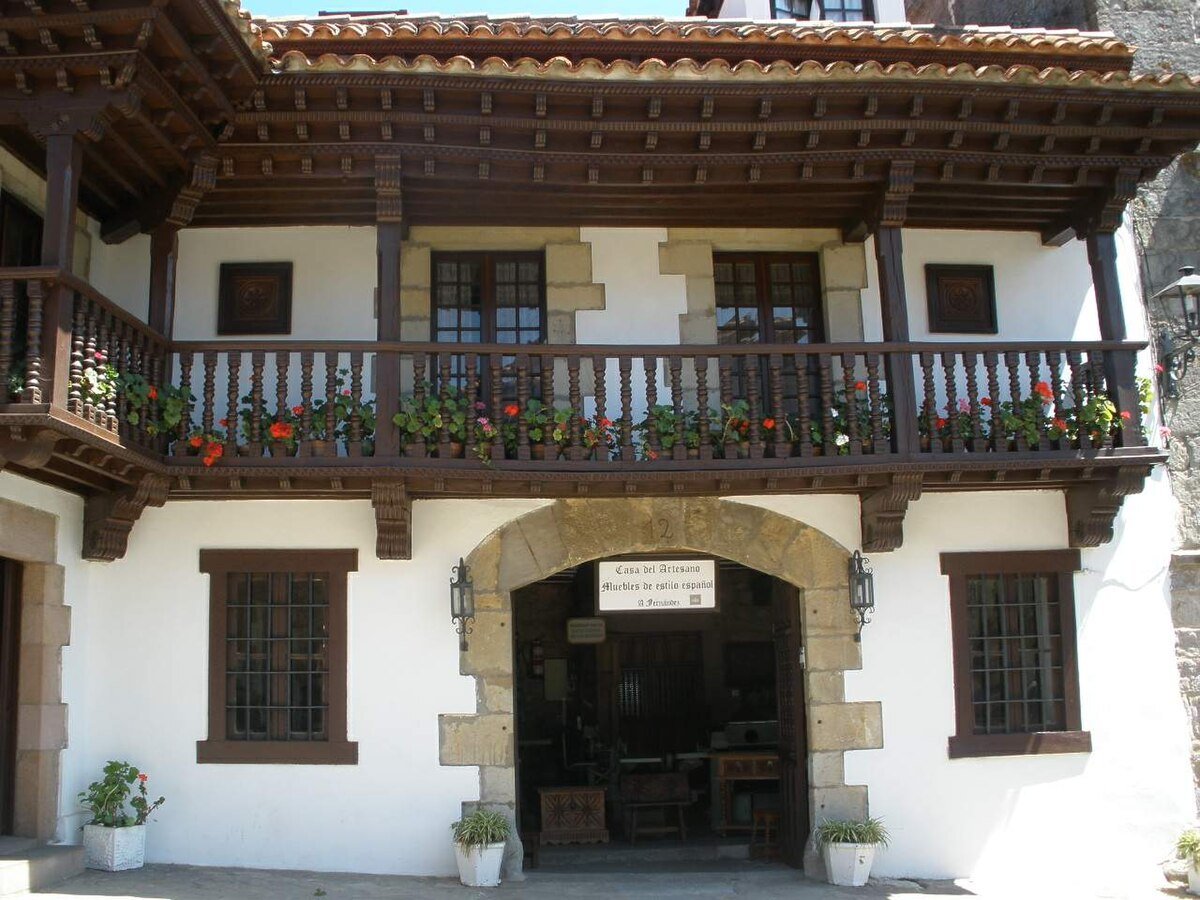
Las casas alrededor son las típicas cántabras: muros anchos, balcones de madera ya un poco combados, portalones bajos. Algunas se notan vividas; otras tienen esa pinta de segunda residencia. El silencio es el de siempre aquí: lo rompe el viento, algún pájaro o el mugido lejano de una vaca.
Desde Concha, si tomas cualquier camino que salga cuesta abajo o entre prados, en algún momento verás el mar Cantábrico al fondo. No hay miradores con barandillas; simplemente la carretera hace una curva y ahí está la mancha azul entre los verdes. Es un buen efecto.
Caminar aquí tiene su aquel
La mejor forma (y casi la única) de pillarle el tranquillo a Ruiloba es andando. Olvídate de senderos señalizados con marcas blancas y verdes. Aquí caminas por las pistas agrícolas de toda la vida, las que usan los tractores y los vecinos para ir a sus huertas.
Tiene un ritmo raro: caminas cinco minutos sintiéndote en medio del campo puro y duro, doblas una esquina y te encuentras tres casas con su gallinero. Luego vuelves al campo. Y así.
Es fácil perder la noción. Un cruce parece llevar a una casa pero en realidad se adentra en una finca; otro camino prometedor acaba en una cancela cerrada. Te recomiendo llevar el mapa del móvil a mano si no quieres dar más vueltas de las necesarias. Perderse un poco forma parte del plan, pero llegar hasta una granja con perros que no parecen muy sociables… ya menos.
Tienes playa a diez minutos
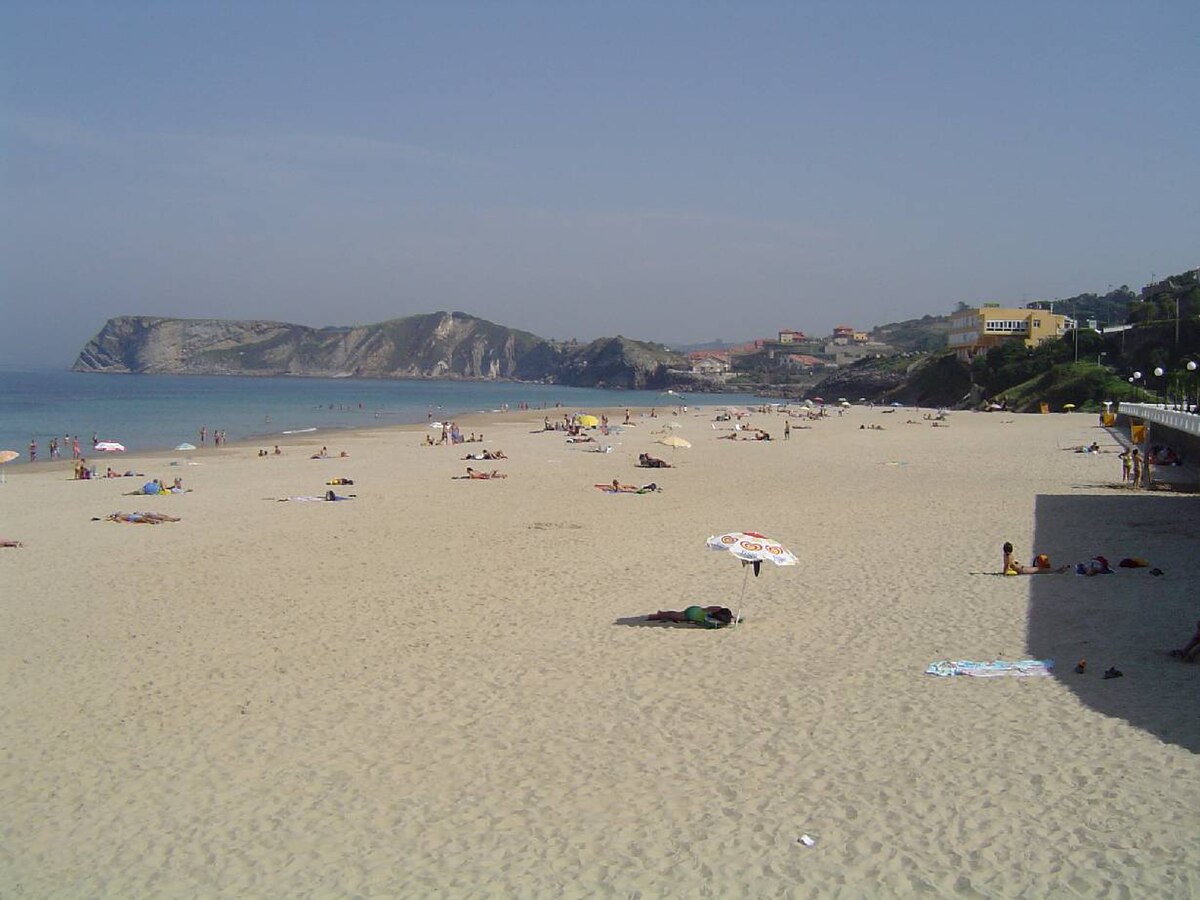
Esto es lo bueno: estás en pleno campo, pero en un cuarto de hora en coche puedes estar pisando la arena enorme de Oyambre o paseando por los acantilados cerca de Comillas. El cambio es bestia: pasas del silencio roto solo por las vacas al viento fuerte y constante del Cantabria.
Mucha gente usa Ruiloba exactamente así: como base tranquila para dormir, desde donde salir cada día hacia la costa o a sitios como Santillana del Mar (que está ahí mismo y siempre está abarrotada). Volver por la tarde a estas carreteritas vacías después del jaleo turístico se agradece.
Si vas con prisa
No hace falta dedicarle medio día. Con aparcar en Concha (cuidado donde, que muchos huecos son entradas a fincas), dar una vuelta a pie por sus calles y luego enfilar uno de los caminillos entre prados durante quince minutos, ya lo has captado.
Te fijarás en las cosas pequeñas: una huerta con lechugas impecables, unas gallinas sueltas, el sonido del agua en una reguera. Eso te da más información sobre Ruiloba que cualquier monumento.
Luego ya decides si te quedas con esa tranquilidad o te lanzas a la costa.
Cuándo ir y cómo moverse
La primavera y principios del verano le sientan bien: todo está verde intenso y aún no se nota tanto el trasiego vacacional. El invierno o los días lluviosos son otra cosa: todo se vuelve más gris y lento. Puede tener su encanto si buscas desconectar totalmente, pero ve con botas: algunos caminos se convierten en un barrizal importante después de unos días de agua.
Para llegar desde Santander se va hacia Torrelavega y luego se toma la carretera dirección Comillas. En cuanto pasas Comillas hacia el oeste enseguida ves los carteles. Necesitas coche sí o sí para moverte entre barrios. Aparcar requiere sentido común: mira bien si ese hueco junto al camino es realmente para visitantes o es la entrada a un prado donde suelen estar las ovejas. Conduce despacio. En cualquier curva puede aparecer un tractor ocupando tres cuartos de la calzada.
Ruiloba no vende nada espectacular ni tiene una lista de imprescindibles. Es simplemente cómo es esta parte del campo cántabro cuando le quitas el foco turístico más evidente.Y a veces eso basta