Full Article
about San Vicente de la Barquera
Historic fishing town
Hide article Read full article
A coastal town shaped by water
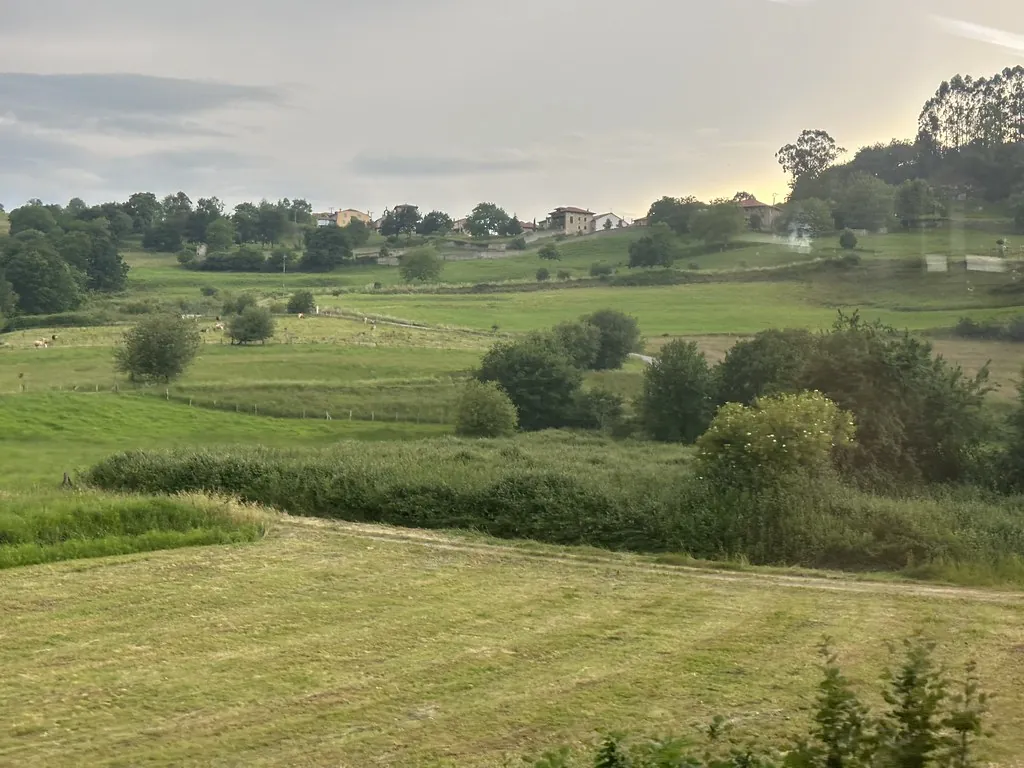
San Vicente de la Barquera feels like a place that never quite chose between mountains and sea. It sits on the western coast of Cantabria, between an estuary, salt marshes and the open Cantabrian Sea. Geographically, it lies closer to Asturias than to Santander, and that in-between quality shows up in both the food and the local character. Here, Picón cheese is not treated as a light afterthought. It carries weight.
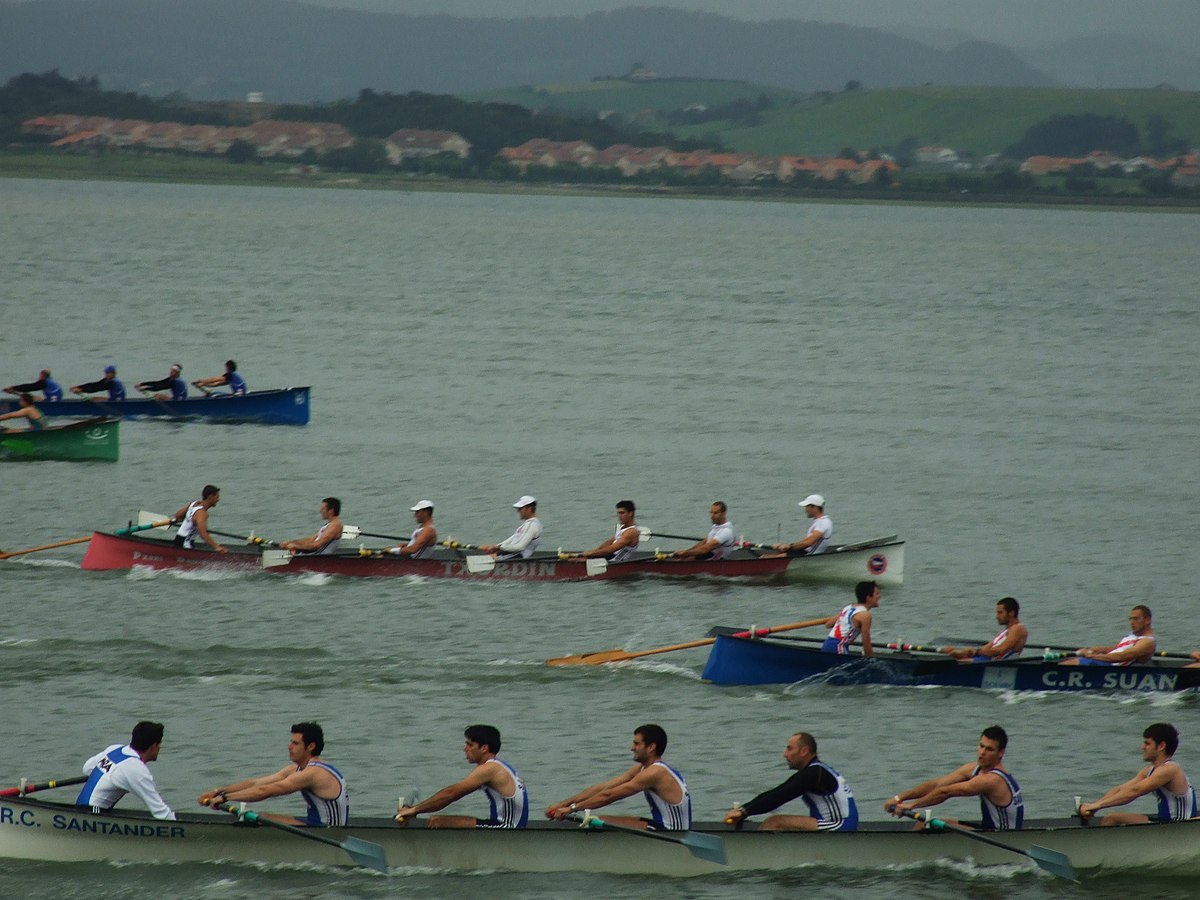
The setting explains a lot. Water moves in and out with the tide, shaping daily life without much fuss. The town has grown right where the estuary opens out, making the most of a natural balance between shelter and exposure. That relationship with the sea is constant, visible and practical rather than decorative.
The old town above the estuary
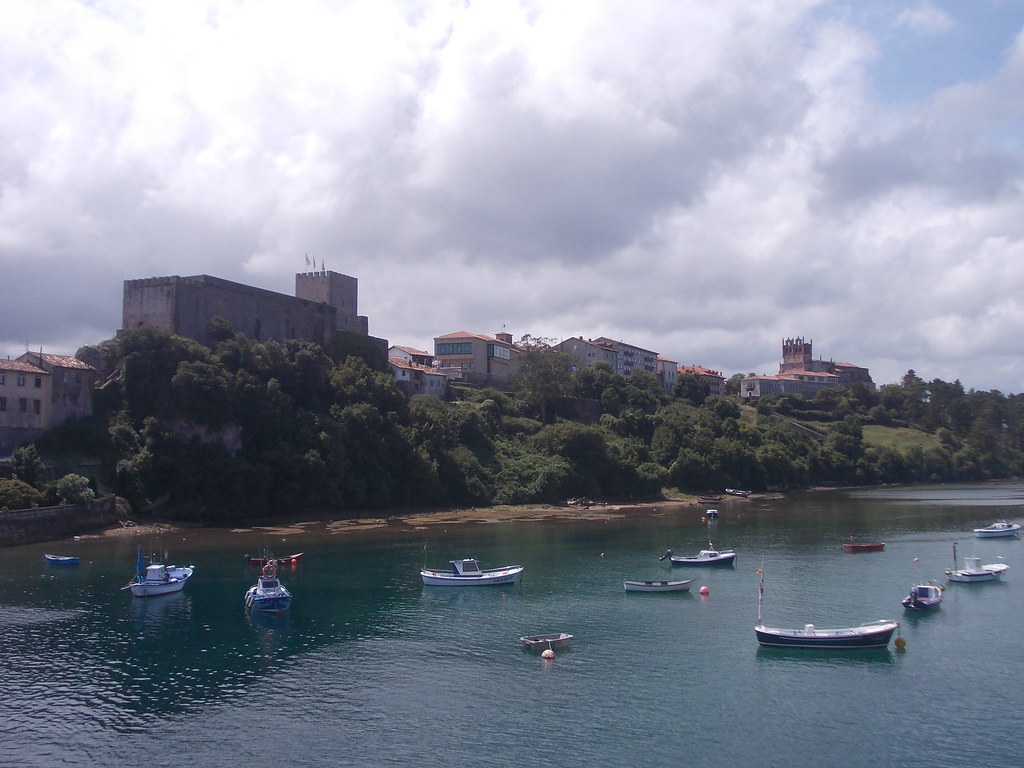
The usual way in is across the Puente de la Maza. It stretches out with a long sequence of arches, although the exact number seems to depend on who you ask. From the bridge, the layout becomes clear. On one side sits the harbour with its boats. On the other, the Puebla Vieja climbs tightly up the hill.
Parking can take patience, especially in summer. Many locals leave their cars a little further from the centre and walk in. That approach makes sense, as the historic area itself is compact.
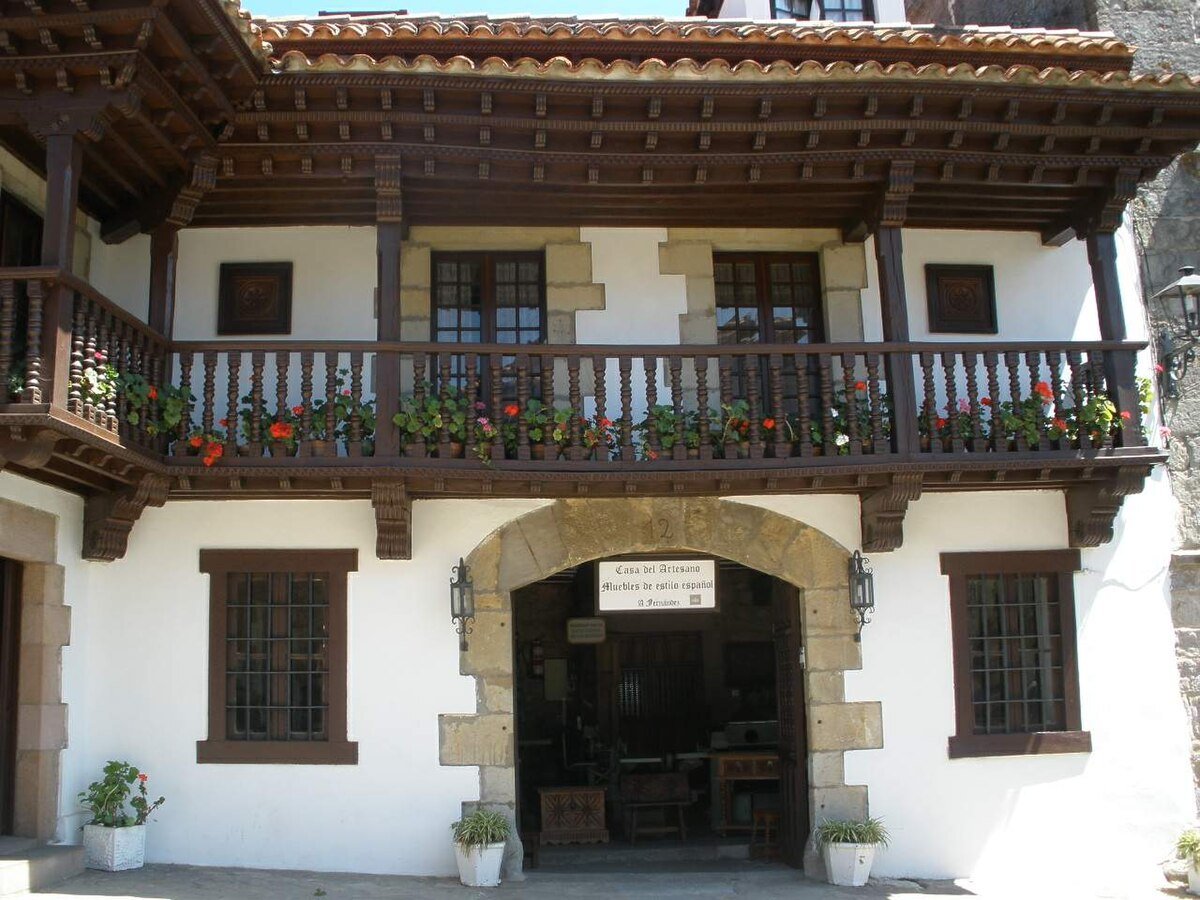
The Puebla Vieja forms a network of narrow streets that begins as you walk uphill from the harbour. Stone houses line the way, with wooden balconies and the persistent scent of the sea clinging to the walls. At the top stands the church of Santa María de los Ángeles. It is a Gothic building, larger than expected given the size of the neighbourhood. From this higher point, much of the estuary comes into view, and the choice of location starts to make sense.
Nearby, signs usually mark the beginning of the Camino Lebaniego. This route crosses Cantabria inland towards the monastery of Santo Toribio. It takes several days on foot, passing through valleys, and many pilgrims pause here for a photo before setting off.
Eating what the sea decides
Food in San Vicente follows a simple rule. What comes from the sea leads.
Grilled bonito appears frequently when it is in season. Anchovies preserved in salt are another staple, cured with care over generations in this part of Cantabria. They tend to change expectations for anyone used to supermarket tins.
There is also heartier fare. Cocido montañés is one of those dishes that arrives in a pot that seems larger than expected. It combines white beans, cabbage and compango, a mix of pork cuts, in quantities that suggest a slow afternoon afterwards. It is filling in a way that encourages a walk once the meal is over.
Desserts continue in the same generous spirit. Quesada pasiega and sobao often appear together. The sobao resembles a traditional sponge cake, though made with plenty of butter, the kind that leaves a trace on your fingers. Quesada is denser and less sweet. Between the two, it is easy to overdo it.
A walk towards the Faro de la Silla
After a substantial meal, rest might seem like the obvious plan. Still, there is a well-known walk that offers a good alternative. The route climbs towards the Faro de la Silla.
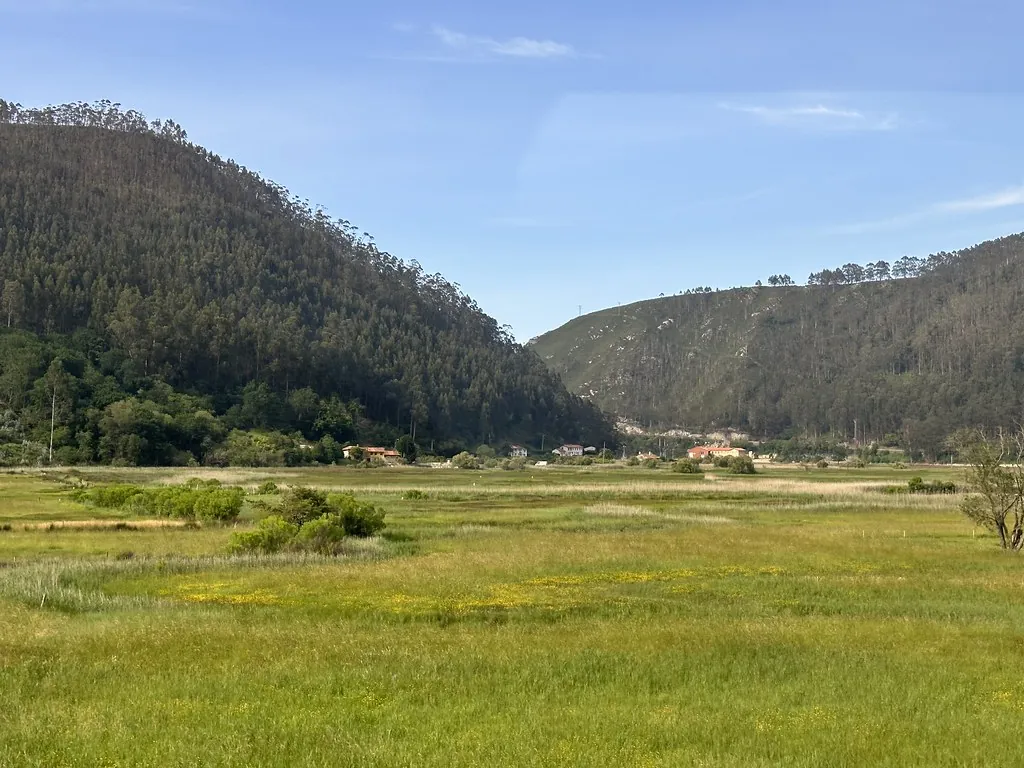
The path covers a few kilometres with gentle ups and downs along tracks and footpaths. It is not technical, but it is enough to remind the body of what came before. In return, the views gradually open up. The estuary, the bridge and the marshes of the natural park all come into sight at different points along the way.
At the top, the lighthouse stands on the edge of the headland, watching over the entrance to the estuary. It now operates automatically. When strong winds arrive, the position makes immediate sense. This stretch of the Cantabrian Sea has a reputation for being direct rather than forgiving.
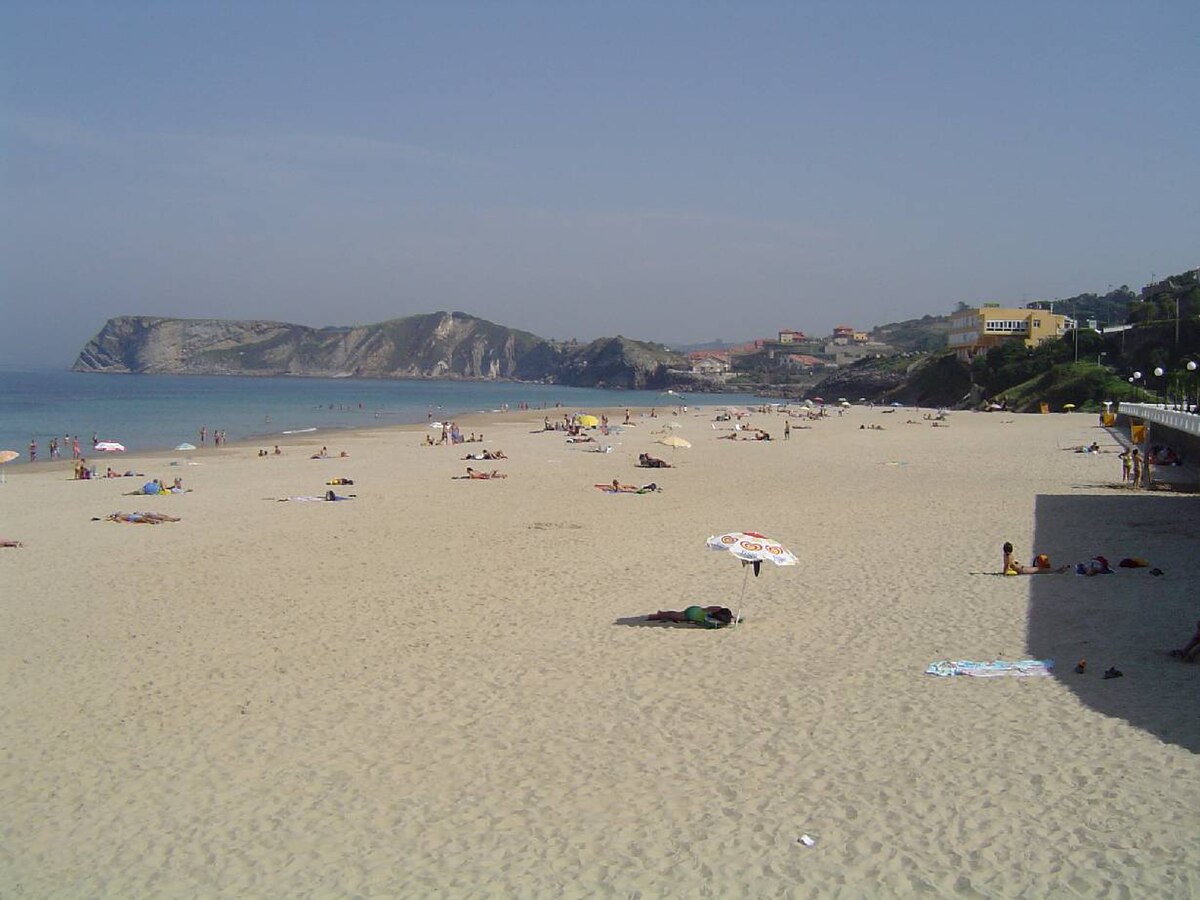
On the way back, Oyambre is a short drive away. The beach there stretches out wide, backed by dunes, with plenty of space even when people gather. Summer brings more activity, but the scale of the place keeps it from feeling crowded in the way smaller beaches might.
When the town celebrates
San Vicente changes pace during its festivals, though the connection to the sea never disappears.
Around Easter, La Folía takes place. It is a local celebration in which an image of the Virgin is carried in procession across the estuary on a boat, accompanied by others. Music fills the area, people dress in period clothing, and the streets take on a lively atmosphere.
In September, the town honours the Virgen de la Barquera, its patron saint. Once again, the sea plays a central role. The population swells as residents, returning families and visitors come together. These are the kinds of events where everyday life blends with tradition without much separation.
A place that keeps its rhythm
San Vicente de la Barquera does not present itself as a stage set. Tourism is part of the picture, but daily life continues alongside it. There are market days, errands to run, and groups chatting in the harbour while watching the tide shift.
The best way to approach it is without rushing. The Puebla Vieja rewards slow wandering. The harbour invites a pause. The marshes change character as the tide rises, and that shift is more interesting than moving quickly from one viewpoint to another.
Timing can make a difference. Peak periods in August bring more people and less space. Early summer or autumn tend to offer a calmer version of the same place, with the same landscape and fewer interruptions.