Full Article
about Santillana del Mar
Town of the three lies
Hide article Read full article
When the bells settle over the village
At midday, tourism in Santillana del Mar sounds different. The bells of the Colegiata do not strike with a sharp clang. Their tone spreads through the air like a sheet of bronze, bouncing off the 12th-century stone blocks and lingering between the butter-coloured houses. For a few seconds, the whole village seems to lower its volume without meaning to.
It is easy to picture Jean‑Paul Sartre walking these streets when he described it as “the most beautiful in Spain”, surprised that such a small place could hold so much history in one space. The impression still fits. Everything feels close, almost contained, yet dense with time.
A layout that leads you in circles
Santillana grew around a medieval monastery, and its layout still revolves around that centre. Seen from above, the streets form something like an inverted Y. Most paths seem to begin at the Colegiata, then branch out in directions that invite wandering without a plan.
The stone has been smoothed by centuries of footsteps. Where carts and wooden clogs once passed, there are now sandals, hiking boots and pilgrims from the Camino del Norte, who sometimes leave the main route for a few kilometres to spend the night here before continuing towards Comillas.
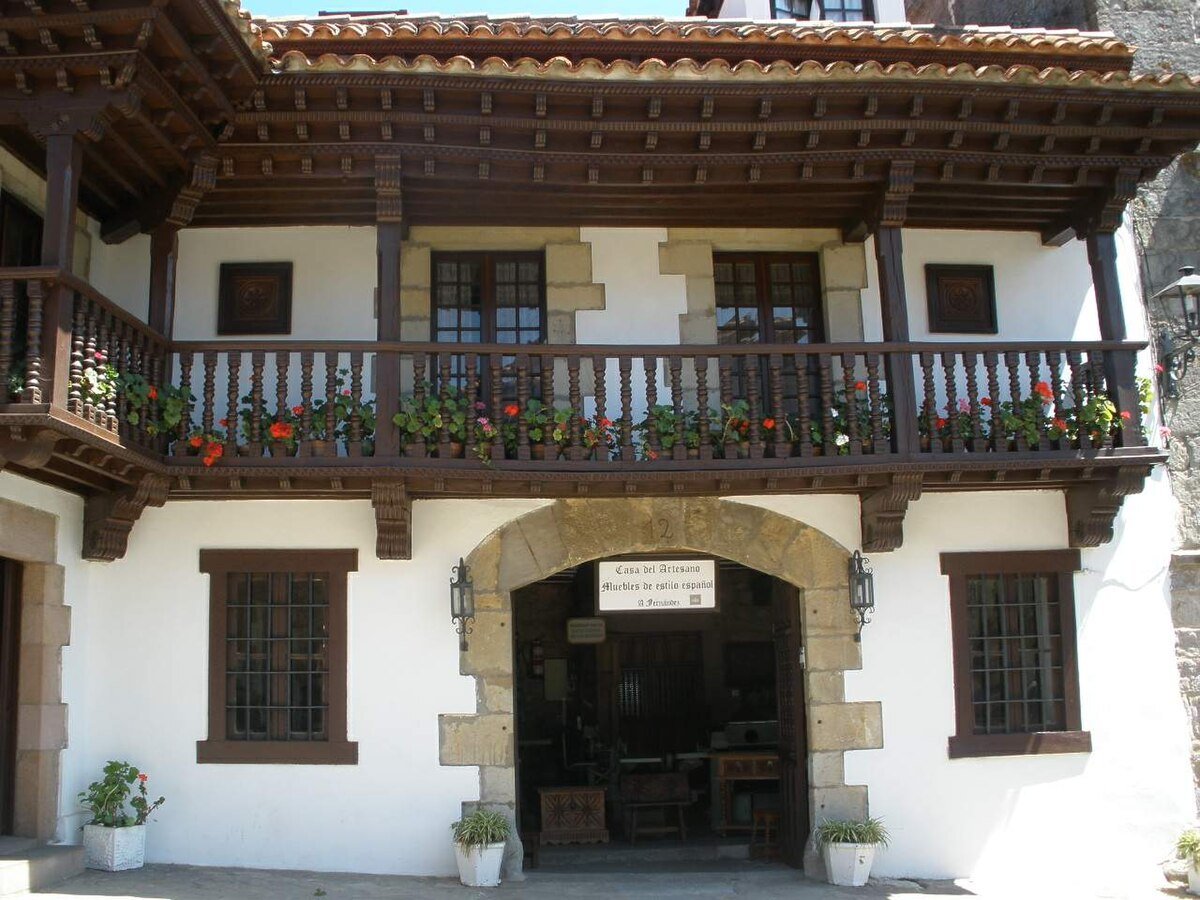
Getting around is simple. One street climbs, another descends, and sooner or later everything leads back to the central square. Early in the morning, before groups arrive, the smell of warm bread drifts through half-open doors. Some bakeries have been working since before dawn, and that sweet trace tends to guide people towards Plaza de Ramón Pelayo. The square is framed by stately houses, their coats of arms worn down by time, with dark wooden balconies above. A cat often appears on a windowsill, watching the movement below as if the place belonged to it.
Three lies and one truth
There is a local joke that gets repeated often: Santillana is neither saintly, nor flat, nor by the sea.
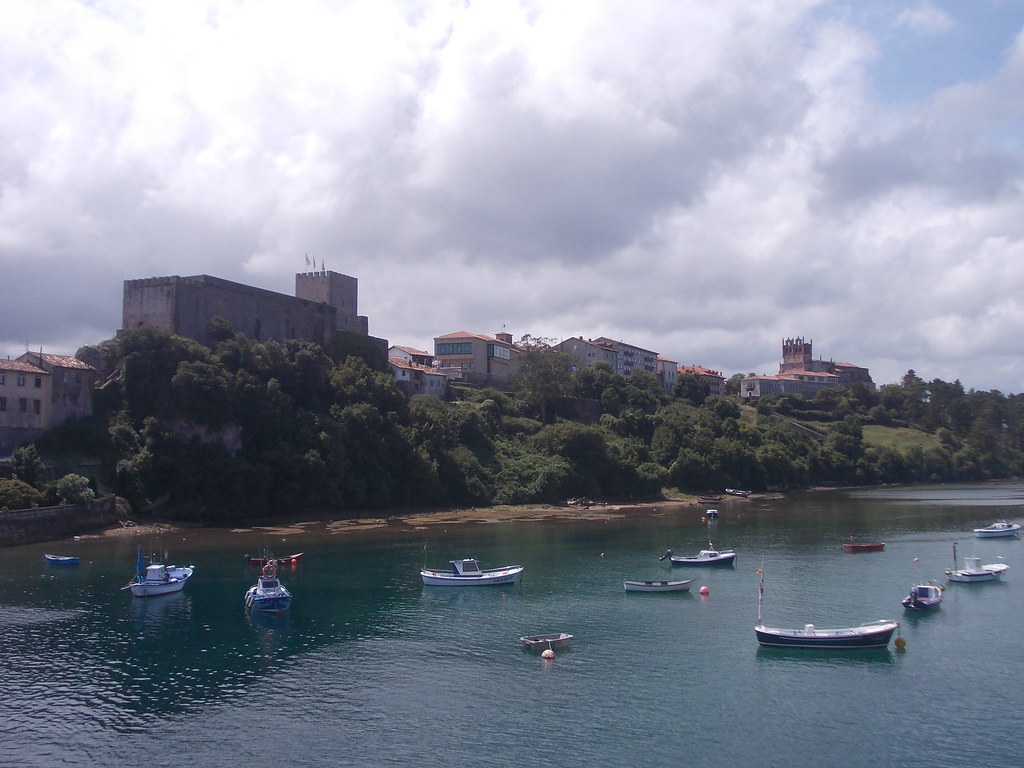
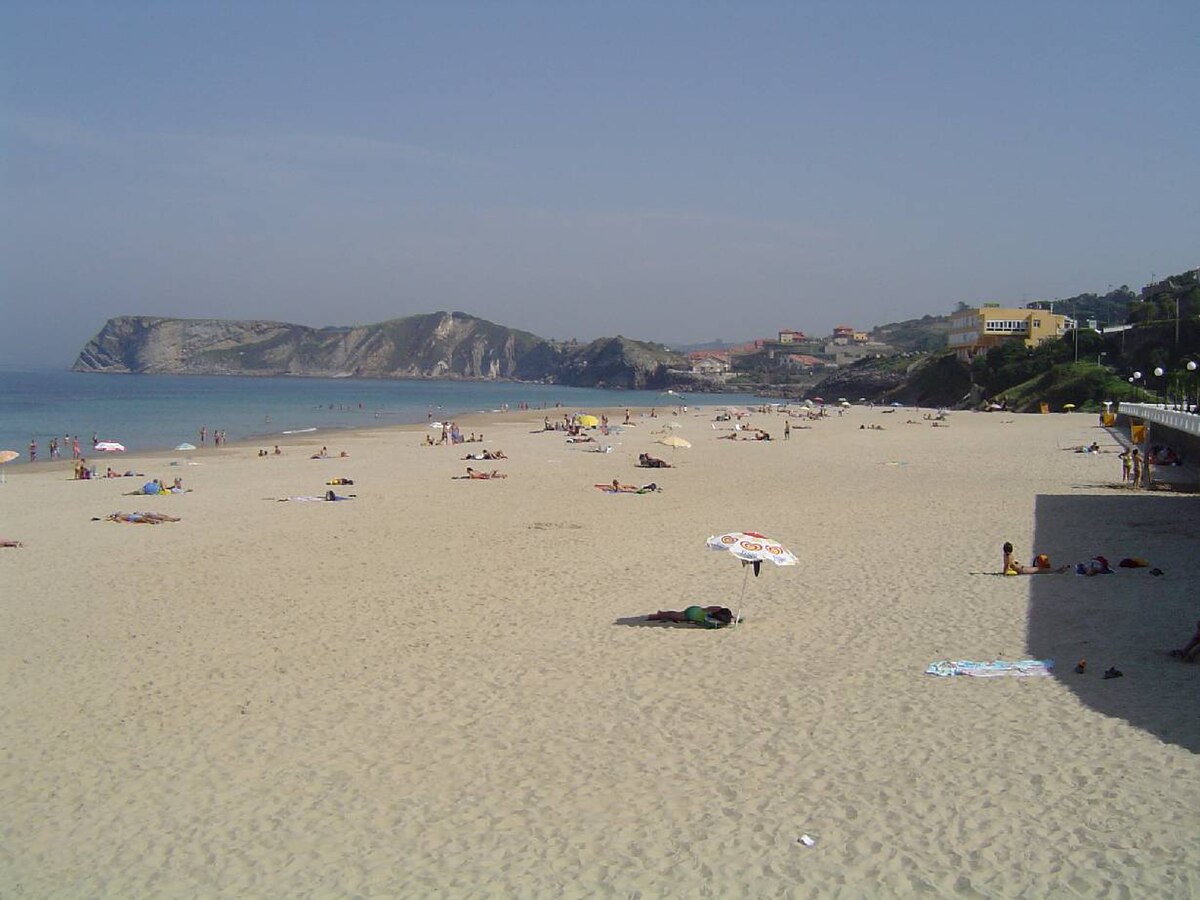
Santa Juliana, the figure behind the village name, belongs more to tradition than to a clearly defined place in the official calendar of saints. The streets are not flat either. The main one rises gently, but by the end the incline makes itself known. And the sea is several kilometres away, hidden behind the hills that separate inland Cantabria from the coast.
The real truth lies nearby: the caves of Altamira. Just outside the historic centre stands the museum and a reproduction of the cave, where the famous Paleolithic bison can be seen. The original cave has very restricted access, so most visits take place in this replica. Anyone interested in going inside is better off arriving early, as places for the day tend to run out.
The hour of sobao
Mornings here carry the scent of warm butter. Breakfast in many homes remains simple: coffee, sobao pasiego, and sometimes a slice of quesada. These local pastries, rich and soft, are closely tied to the region and appear again and again in daily routines.
By mid-afternoon, the light slips low between the façades and turns the stone golden. It is a quieter moment. Residents return with their shopping, pilgrims rest on benches, conversations stretch out in low voices. The village stops resembling a medieval stage set and returns to being a place where people live throughout the year.
Choosing your moment
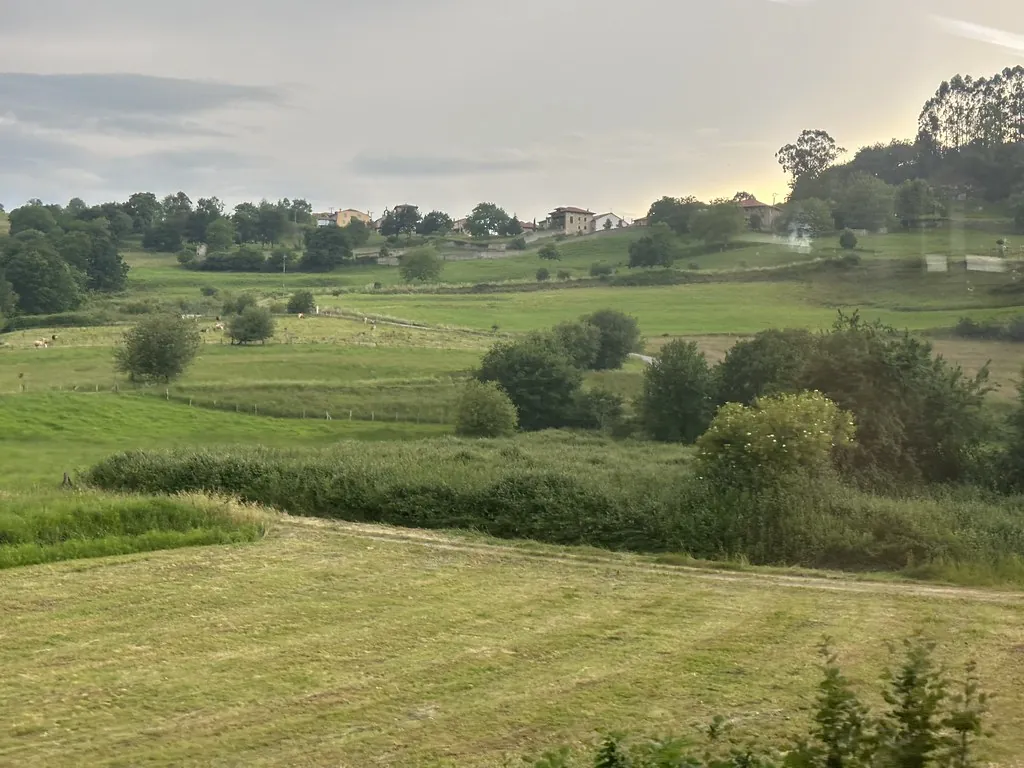
June often brings a balance that is hard to find at other times: very green fields, cool nights and fewer buses than in the height of summer. Towards the end of the month, the village celebrates its patron saint festivities, and the square fills with traditional music.
August shifts the atmosphere noticeably. Themed markets appear, and the streets fill up until mid-afternoon. Those who prefer a slower pace are better off arriving early in the day or visiting during the week.
October has a different feel. Some mornings begin under low mist, and when it lifts, the stone remains damp and slightly reflective. It suits unhurried walks or taking photographs without too many people crossing the frame.
There is one practical detail worth noting. Visitor parking is located at the entrance to the village. Early in the morning there is usually space, but later it becomes harder to find a spot. Inside the historic centre, cars do not circulate.
For anyone keen to stretch their legs, a path begins behind the old town and follows the small valley of the Queveda river. It is an easy walk, shaded in parts, gradually drawing closer to the coast.
Footsteps at dusk
As evening falls and the coaches leave, Santillana changes pace again. The streets become half empty, and footsteps echo more clearly across the cobbles.
Inside the Colegiata, sound carries beneath the vaults as the last visitors drift out in silence. Outside, the blue light of dusk settles against the stone façades. The village seems to breathe more slowly, and for a short while, perhaps an hour, perhaps less, it resembles what it might once have been before cameras and maps arrived. Just stone, bells, and the lingering sweet scent of butter in the air.