Full Article
about Udías
Caves and inland forests
Ocultar artículo Leer artículo completo
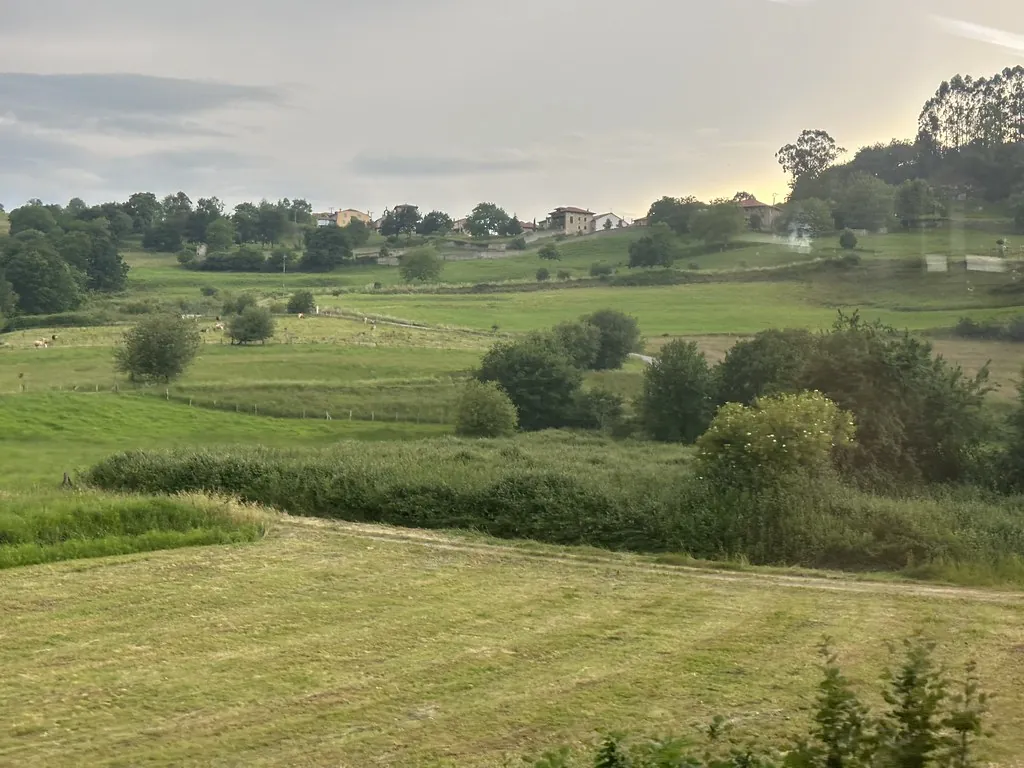
The church bell strikes eleven, yet nobody appears. A tractor putters across the lane, its trailer loaded with silage that smells faintly of cider. This is Udías at mid-morning: a scatter of stone houses, red-tiled roofs and meadows so intensely green they look almost artificial until a cow coughs and the illusion breaks.
Spread across five parallel valleys ten kilometres inland from the Cantabrian coast, the municipality has no centre in the British sense. Instead it is a loose necklace of hamlets—San Esteban, Cabañas, Roza, Viar—isolated enough that neighbours still identify by barrio rather than postcode. The population hovers around 500, enough to support one grocer, two bars and a Sunday bread van whose horn blast is the closest thing to rush hour.
What passes for a high street
The tarmac narrows to a single track just past the ayuntamiento, a modest two-storey building that doubles as the doctor's surgery on Tuesdays. Opposite stands the parish church of San Esteban, Romanesque in outline but so heavily restored after a 1930s fire that only the squat bell tower feels medieval. Step inside and the temperature drops five degrees; the air carries incense, floor wax and something faintly metallic from the zinc buckets used to catch winter leaks. Spend five minutes, then leave—there is nothing else to buy a ticket for.
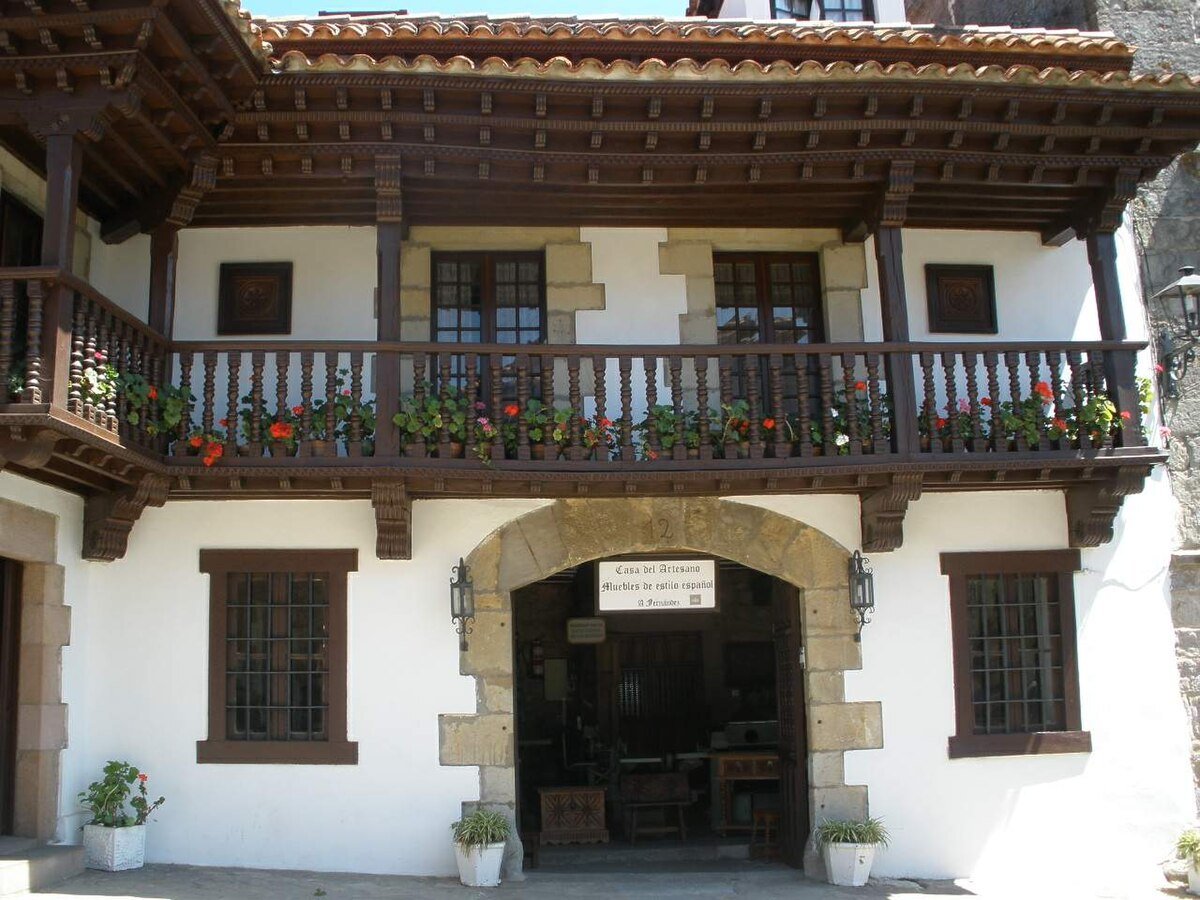
The real architecture is domestic. Walk south-east towards Cabañas and the lane squeezes between stone walls topped with moss. Houses grow outward like organic accretions: a bread oven here, a wooden balcony there, occasionally a coat-of-arms dating to the seventeenth century when emigrants returned from Mexico with silver and a taste for ornament. Most dwellings remain working farms, so expect to share the pavement with a sleepy mastiff and to hear lowing at dawn. Cameras are tolerated, but pause too long and someone will politely ask if you are looking for the cemetery—Cantabrian code for "can I help, or are you lost?"
Following the water
Udías is short on signed footpaths yet rich in caminos de herradura, the service tracks that link meadows to milking sheds. One of the easiest circuits leaves from the church door, descends past a chestnut grove, then climbs gently through pasture to the tiny settlement of Viar. Allow forty minutes, plus another ten if you stop to decipher the carved date—1784—on a stone trough still fed by a copper pipe. The route never rises above 200 m, so walking shoes suffice; after rain, however, the clay can cling like wet concrete, so carry a stick or borrow the one propped outside the bar.
Morning mist is common until May; when it lifts, the coastal sierra appears as a jagged silhouette thirty kilometres away. The sea feels closer than it is because the valley tilts westward and the air carries salt on gale-force days. Ignore the impulse to strike out cross-country: every field belongs to someone, and electric fences are switched on early to keep the rubia gallega cattle from wandering onto the CA-241.
Milk, cheese and the missing menu
There is no tourist office, so information travels by word of mouth. The grocer opens at nine and shuts at two; bread arrives from Comillas bakery because no one has baked commercially in the village since 1987. Cheese is another matter. On Fridays, Marisol in Cabañas sells quesada pasiega, a baked cheesecake made with her own cow's milk. It is less sweet than the Basque version, more like a set custard with a faint lemon edge. A 500 g portion costs €6; bring your own tin.
The only sit-down meal is at Posada Sel de Breno, three minutes by car towards the main road. The set menú del día runs to three courses, bread, wine and coffee for €18. Expect grilled entrecot, chips and a simple lettuce heart dressed with olive oil sharp enough to make the back teeth sing. Vegetarians can request pimientos del padrón, though the kitchen regards them as a starter rather than a main. English is not spoken; pointing works, but download the Spanish offline dictionary beforehand because the Wi-Fi drops whenever the weather turns.
Timing the tide of weather
Spring and early autumn offer the kindest light for photographers and the fewest tractors on the road. In April, orchards behind San Esteban erupt with white blossom that drifts across the tarmac like confetti. By July the valley can feel airless; temperatures reach 30 °C at midday, yet humidity stays high thanks to the river Udías that seeps rather than flows. August brings Spanish families to nearby Comillas, but Udías remains quiet because the village lacks a swimming pool, evening bar or any concession to the turismo de sol y playa market. Come December, Atlantic storms funnel up the valley; gutters overflow, lanes turn to chocolate mousse, and the church fills for the fiesta of San Esteban on the 26th. The celebration is low-key—Mass, a game of bolos on the sports slab, soup ladled out in the parish hall—but it is the one day you will struggle to park.
Getting here, getting lost
Ryanair flights from London Stansted or Manchester land at Santander before noon. Collect a hire-car—pre-book, because the desks shut for siesta—and head west on the A-8. Turn off at exit 222, signposted Comillas, then follow the CA-241 inland. The sat-nav will insist you have arrived while you are still surrounded by cows; ignore it and continue to the church square where space exists for six cars, seven if everyone breathes in. There is no bus back to the coast after 19:30, so plan dinner locally or accept a 35-minute night drive on roads that feel narrower each time a delivery lorry appears.
Accommodation is limited to two rural inns. Posada Sel de Breno has eight rooms, thick stone walls and a breakfast of churros strong enough to stun a hangover. Posada Rural El Trenti de Corona, five minutes up the valley, offers similar comfort but closes from November to March because heating costs outstrip winter bookings. Prices hover around €80 for a double, including breakfast; both establishments expect guests to check in before 21:00 unless prior notice is given.
The honest verdict
Udías will not keep a sightseer busy for long. It has no beach, no museum, no gift shop selling tea towels. What it does offer is a slice of working Cantabria where the loudest noise is often a blackbird and the evening entertainment consists of watching swallows stitch the sky above the church tower. Treat it as a breathing space between coastal excursions, pack a phrasebook, and bring shoes you do not mind scrubbing clean. Stay too brief and you might wonder why you bothered; linger long enough to learn the rhythm of milking times and you will understand why few locals ever leave.