Full Article
about Valdáliga
Wild western coast
Hide article Read full article
A scattered place beyond Comillas
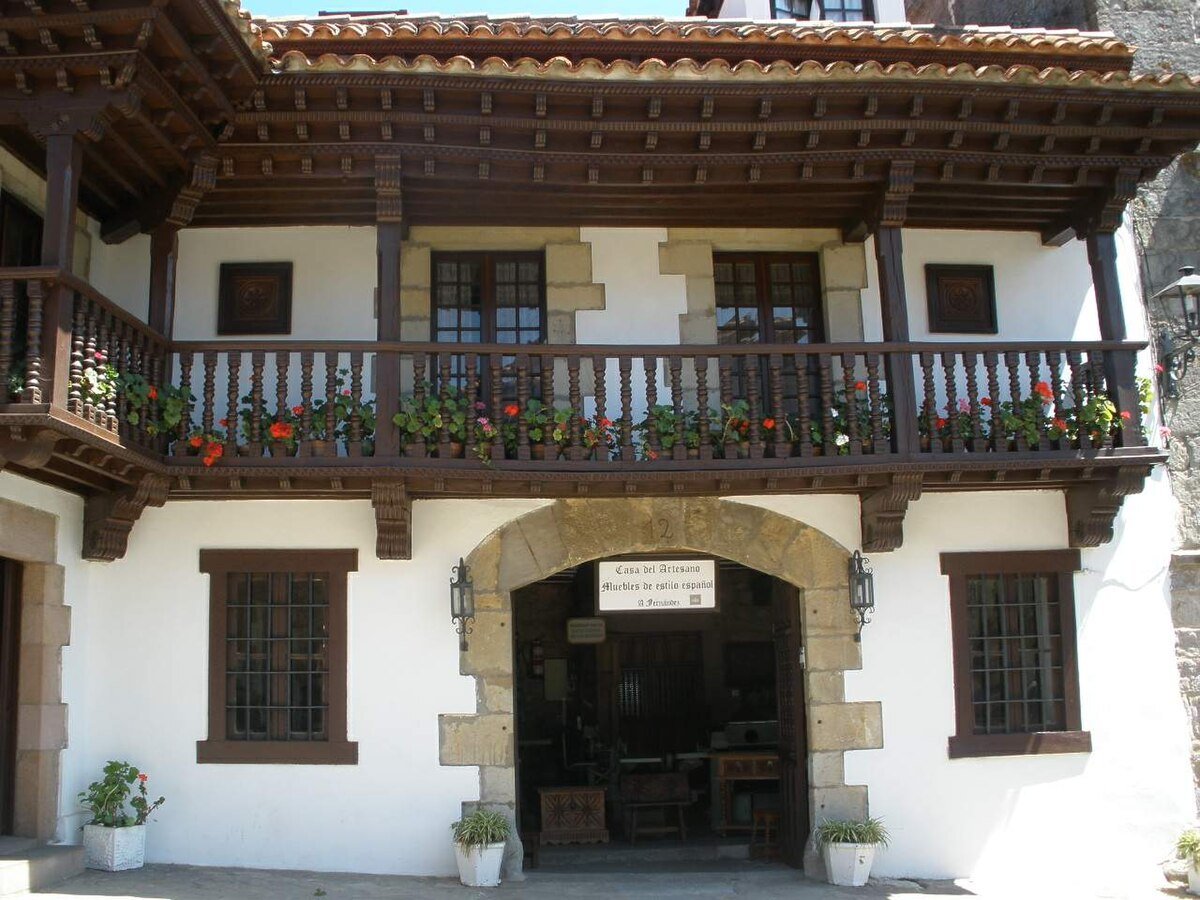
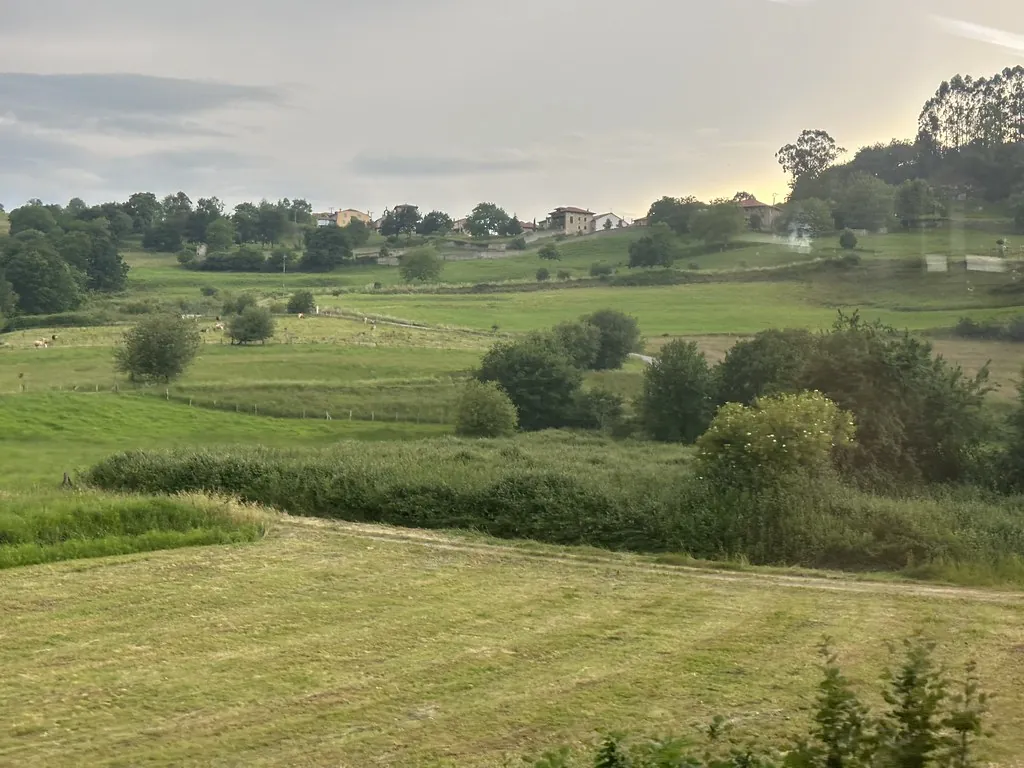
Valdáliga sits very close to Comillas, yet the shift is immediate. The coast slips away and the layout changes completely. This is a spread-out municipality with no clear town centre. Instead, it is made up of separate neighbourhoods divided by meadows and narrow roads.
Roiz, which serves as the administrative centre, is small enough to see quickly. Half an hour is enough to get a sense of it. There is no sense of a compact town to explore, and that shapes the whole visit.
Parking requires a bit of patience. Streets are tight, and many residents place stones or cones outside their homes to keep spaces free. In summer especially, it makes sense to take the first available spot and continue on foot.
The draw of El Soplao Cave
For most visitors, the main reason to come here is the Cueva de El Soplao. Access begins with a short journey on a mining train, followed by a guided walk inside wearing a helmet. Temperatures remain low throughout the year and the ground is damp underfoot.
Inside, the formations are what you would expect in a large cave. Stalactites hang from the ceiling, columns rise from the floor, and long galleries stretch into the distance. One of the key talking points is the amber found in the area, containing insects trapped more than one hundred million years ago. This forms part of the geological story told during the visit.
In high season, the cave attracts plenty of people. Outside those months, the atmosphere is noticeably calmer and visits feel less crowded.
Oyambre, just next door
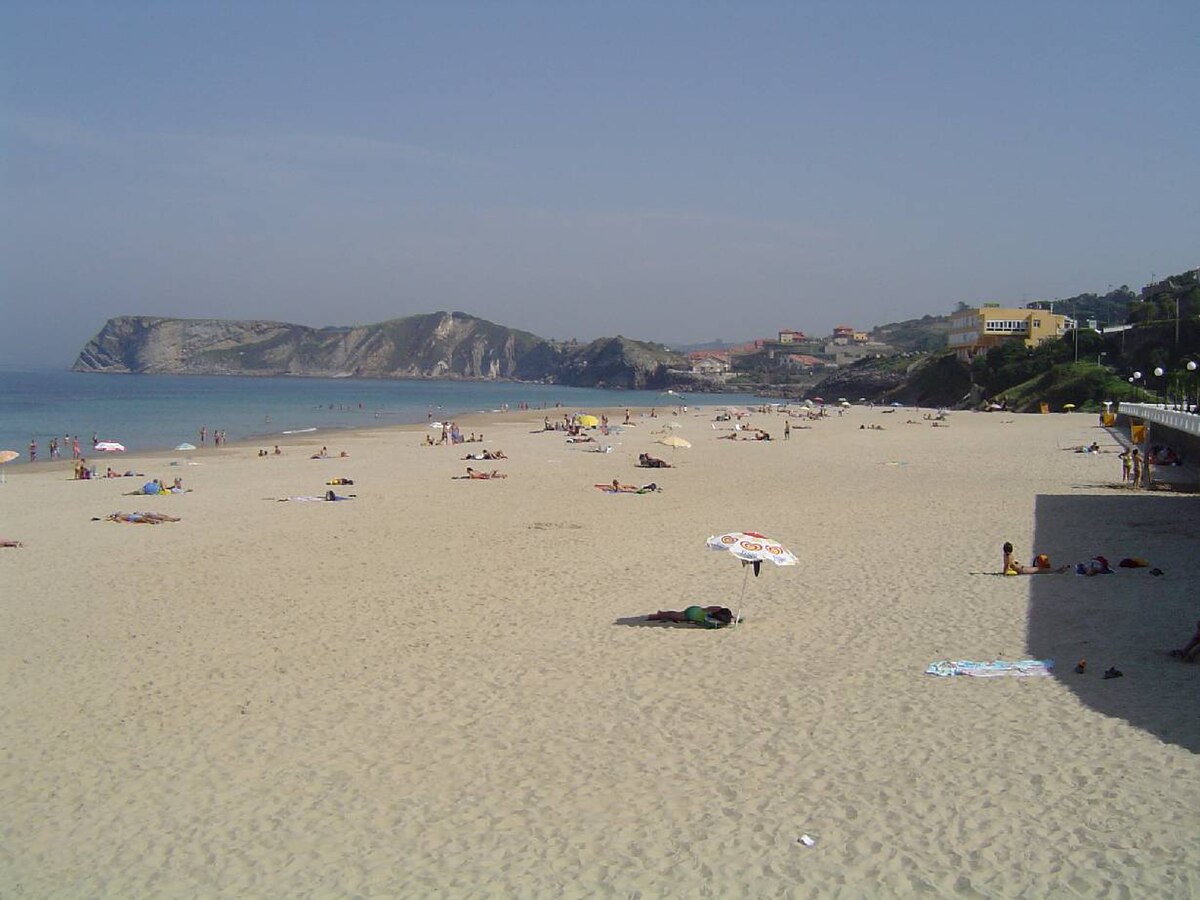
The natural park of Oyambre touches Valdáliga along one side. The beach is very close, even if it does not officially belong to the municipality.
It is a long, open stretch of sand. When the wind picks up, surfers appear in good numbers. August brings larger crowds, but the rest of the year feels very different. Walkers pass through, and some visitors stop with binoculars to observe the marshland.
Above the cliffs sits a well-known golf course in the area. From there, the outline of the coastline is clearly visible, offering a broad view over the sea and surrounding land.
Mining traces and ox pulling contests
In the neighbourhood of La Florida, lead and zinc mines operated from the 19th century. At their peak, they employed hundreds of miners. Today, the remains are still visible: spoil heaps, fragments of old installations, and some gallery entrances partly hidden by vegetation.
Occasionally, guided routes are organised through the mining area. The ground is often wet, with puddles forming easily, so proper footwear is a good idea.
A much more active tradition is the arrastre de bueyes, or ox pulling contests. From time to time, animals are brought together in an open field and compete by dragging weight. It is a deeply local event. People gather to watch, cider is shared, and conversations flow around the action.
Walking through Valdáliga
Part of the Camino Lebaniego crosses Valdáliga. This is a historic pilgrimage route leading towards Santo Toribio de Liébana, though it does not have the same atmosphere as the more famous Camino de Santiago. Here, the path feels quieter and more rural.
The route alternates between tracks and footpaths through woodland and meadows. When it rains, mud appears quickly and can slow progress. Signposting is generally clear, though smaller junctions require attention.
There are also enclosed fields with guard dogs. They tend to bark more than anything else, but their presence is noticeable and worth keeping in mind.
For a shorter walk, there is the Molinuco path. It follows the river for a while and leads to a small waterfall. It is an easy route with no services nearby, so it is best to bring water or something to eat.
Getting there and how long to stay
Valdáliga is reached via the A‑8 motorway, taking the exit towards Comillas and then continuing along a local road. There are also buses from Santander, although services are not very frequent and timetables vary depending on the time of year.
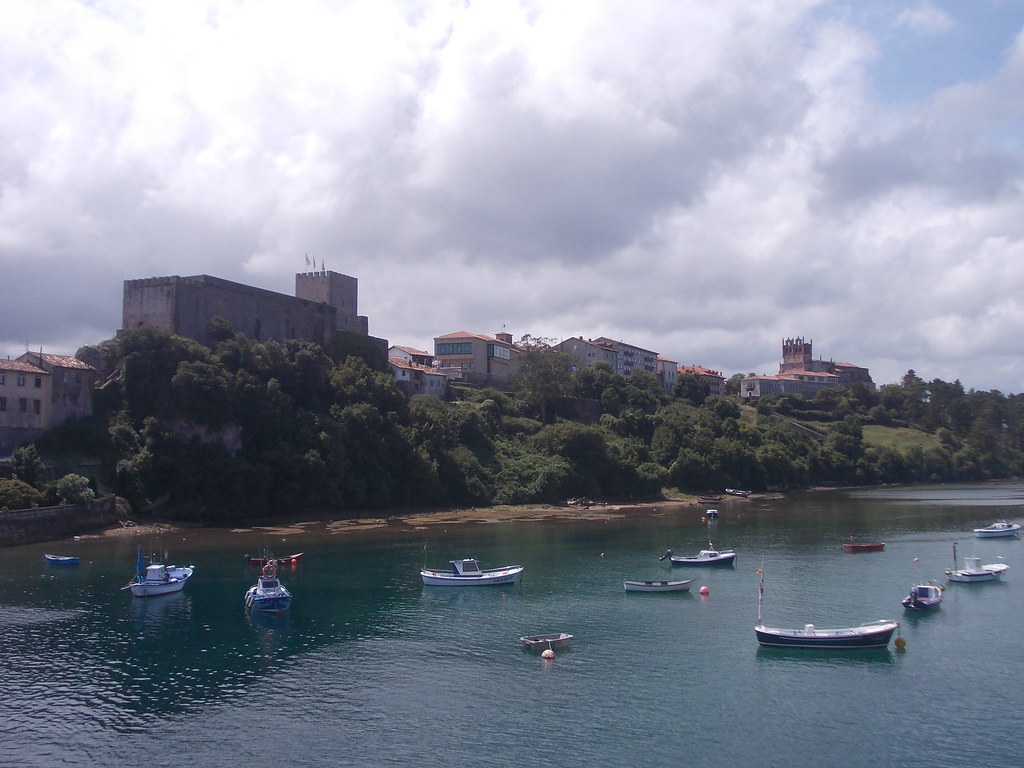
Most visitors do not stay long. Many come specifically for El Soplao and then continue on towards San Vicente or Comillas.
Those who choose to linger a little longer might find a different side of the area on a misty day or during light rain. The landscape tends to gain character under those conditions. This is not a place for shopping or souvenirs. The usual rhythm here is simple: pass through, take a walk, and move on.