Full Article
about Castro Urdiales
Gothic gem on the Cantabrian coast
Hide article Read full article
A town that thinks it’s a city
Castro Urdiales smells of the sea and of frying oil. Not the kind dressed up for visitors, the real thing. It is the harbour when boats come in, kitchens already busy by late morning, and a breeze that carries salt even a couple of streets inland. Consider that your introduction.
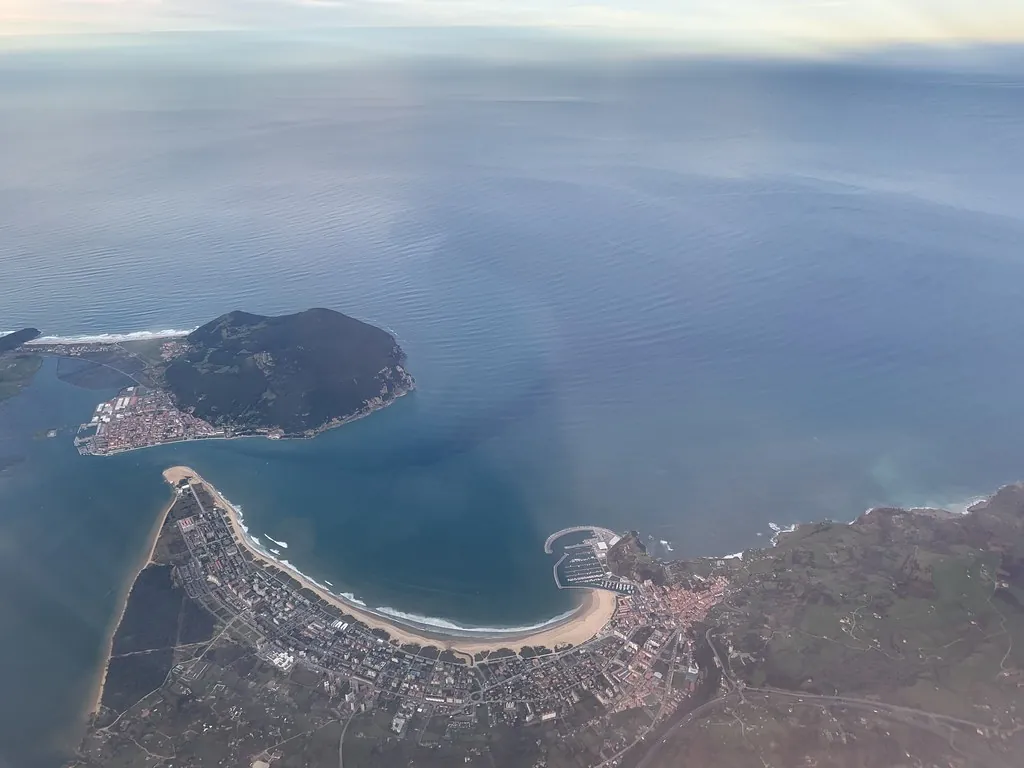
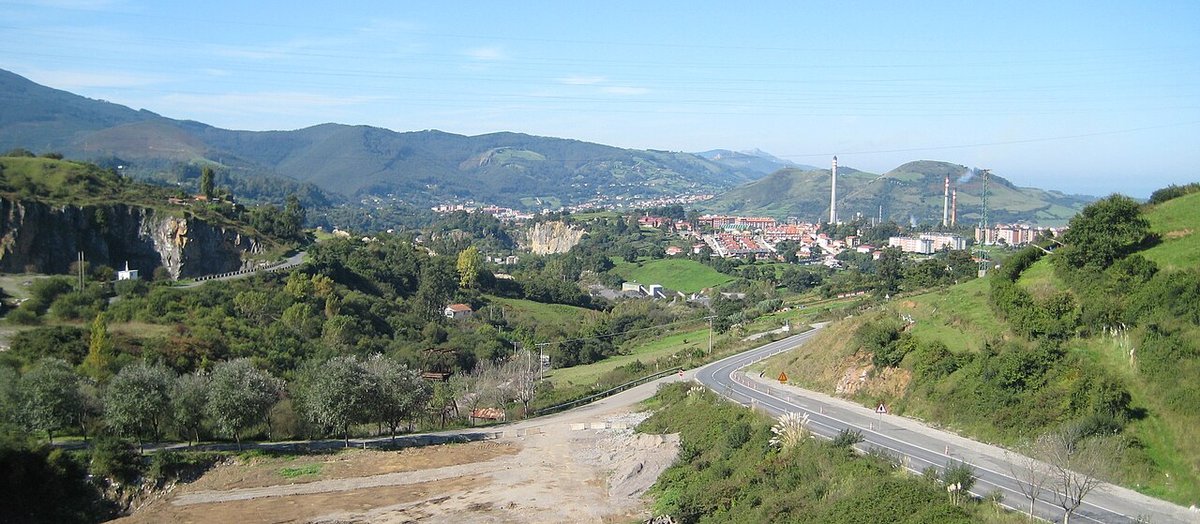
Arriving by motorway, the first impression is a cluster of apartment blocks pressed close together. For a moment it feels like that might be all there is. Then the road drops towards the old quarter and the tone shifts.
Castro Urdiales has been here a long time. The Romans founded a colony here, Flavióbriga, a name that sounds more like an appliance than a Roman settlement, yet it is there in the history books. They must have seen something in this stretch of coast.
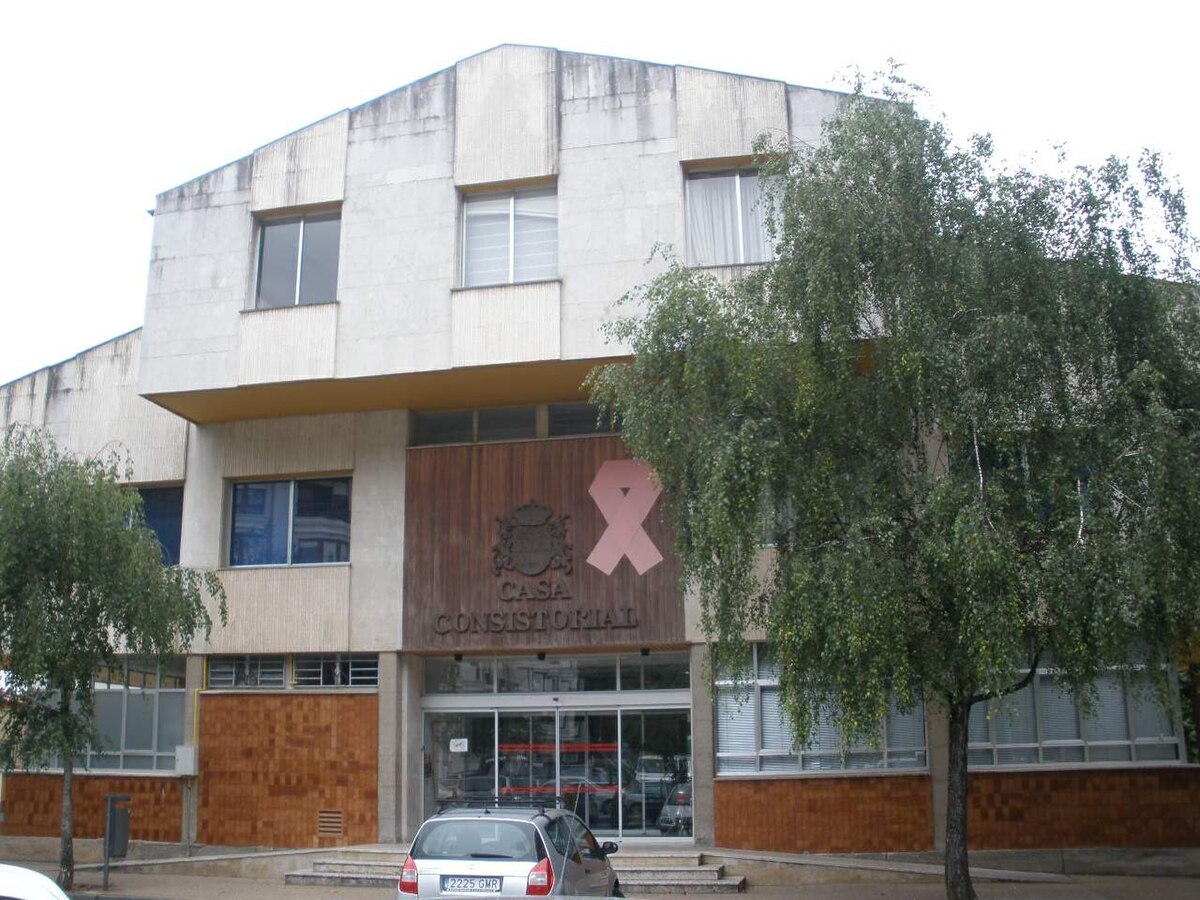
The old town still carries the air of a place that once mattered and has not forgotten it. Stone coats of arms mark the façades, grand houses face the Cantabrian Sea with a certain composure, and a medieval bridge links the harbour with the area of the church and castle. There is also the atmosphere: busy streets, voices raised in conversation, a coastal rhythm that feels close to Bizkaia in the Basque Country. The border is only a short distance away, so the resemblance is no surprise.
A church that is not a cathedral, but nearly
The church of Santa María de la Asunción makes a stronger impression than expected in a coastal town. It stands right by the sea, as if someone decided a Gothic temple should take the place where a lighthouse might usually go.
From the outside it already stands out, with the scale of a large Castilian church set down in a fishing port. Inside there are a few notable pieces. A painting often mentioned is a canvas attributed to Zurbarán, something many visitors do not expect to come across here.
If the tower is open and the climb appeals, the views repay the effort. It is not an especially long ascent, but the stairs make themselves felt. At the top everything falls into place: the harbour, the town beaches, the cluster of houses and the hillside that seems to drop almost directly onto the town.
The castle beside the lighthouse
The Castillo de Santa Ana forms, together with the church and the bridge, one of those scenes that appears in almost every image of Castro Urdiales. It is not a vast or intricate fortress, yet the setting works.
Today the building is used for exhibitions and cultural activities, so it is usually possible to step inside. The main interest lies less in the rooms than in the walk around it and the views over the harbour.
From here the activity on the quay is easy to follow: boats coming and going, people mending nets, voices carrying between deck and shore. These are everyday scenes that continue even as tourism has grown around them.
What ends up on the plate
People come to Castro Urdiales to eat fish and seafood, without much fuss.
Txangurro appears frequently on menus in the area. When it is done properly, it is something to take seriously: spider crab meat mixed with its own juices, a little tomato, a touch of brandy, then lightly gratinated. When it is well prepared, it shows straight away.
Then there are anchovies. In this part of Cantabria and the nearby eastern coast they are close to a staple. Many come from the Santoña area and are served in all sorts of ways: in oil, fried, or in vinegar.
Sardines are easy to find, as is bonito when it is in season, along with other fish from the Cantabrian Sea. Nothing complicated, just good produce cooked on a griddle or over a grill. Simple often does the job best.
When the pace slows by the sea
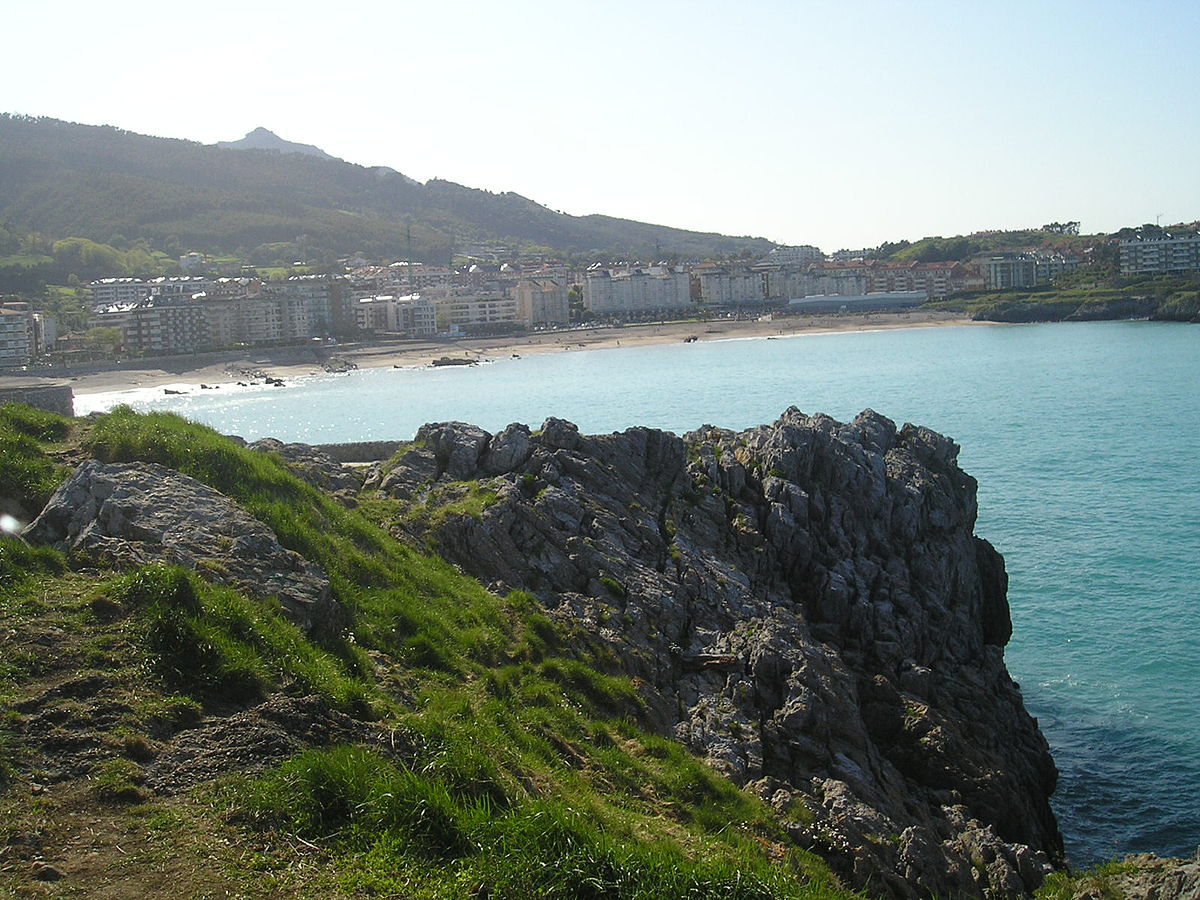
Ostende beach is the most accessible stretch of sand. A short walk from the centre brings you straight onto it. It is an urban beach, with a promenade, people strolling and families spending the afternoon.
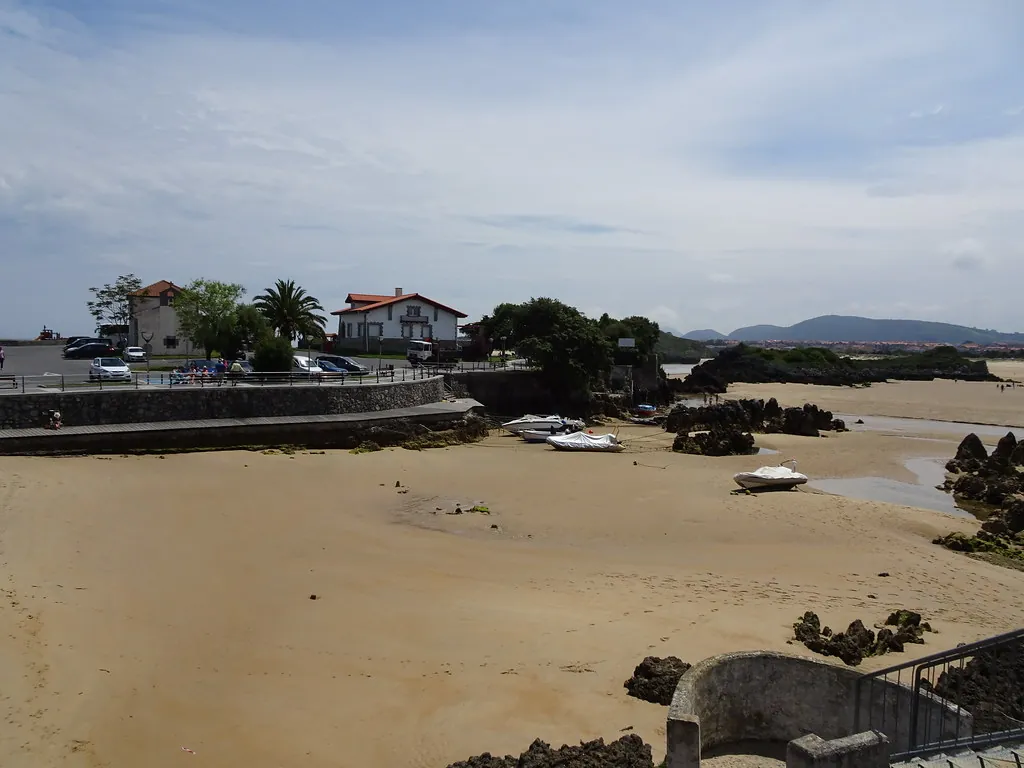
Move a little further from the centre and the coastline becomes quieter, with more natural sections and small coves. These tend to be less crowded, though they also come with fewer facilities. It is worth arriving prepared, as there is not always anything close by.
A friendly tip on timing
If dates are flexible, June or September tend to work well. In August Castro Urdiales fills up, especially with people coming for the day from other parts of the north or from Madrid.
Outside that peak, everything runs at a different pace. It becomes easier to walk around the harbour without weaving through crowds, to find a table on a terrace, or to sit and watch the sea without hurry.
There is no need to plan every step. Castro suits a loose approach: a walk through the old quarter, a loop by the harbour, some fish, and a while facing the Cantabrian Sea.
One last detail. Even on calm days, it is worth keeping a jacket to hand. The wind in the bay can cut through suddenly, as if someone has opened a freezer door. Along this coast, that happens more often than expected.