Full Article
about Colindres
Fishing port of the Asón
Ocultar artículo Leer artículo completo
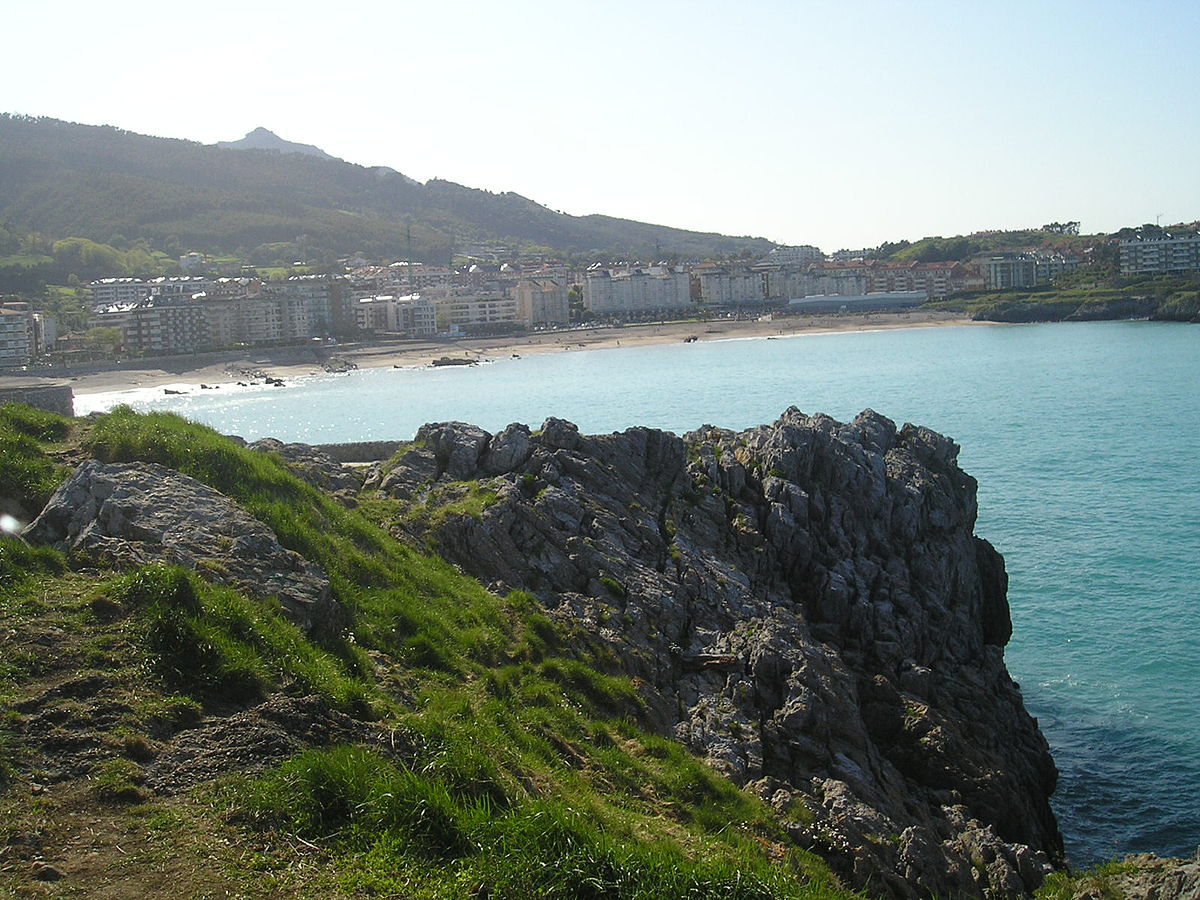
The estuary smells of diesel and seaweed at 7am, a combination that shouldn't work but somehow does. Fishing boats reverse from the slipway opposite the Plaza de España, their engines echoing off the 19th-century manor houses that line Colindres' main drag. By 8am the same boats are dots on the Ría de Tina-Menor, and the town's retired residents have claimed the riverfront benches, reading El Diario Montañés while the tide pulls the water out from under them.
This is Colindres: a working harbour that happens to have bedrooms for visitors, rather than a resort that keeps a few boats for atmosphere. Five thousand people live here, enough to support three pharmacies, two bakeries that sell out by 11am, and a Wednesday market where €3 buys a tray of strawberries or a pair of socks depending which aisle you choose. The place functions whether tourists turn up or not, which explains why British visitors who stumble in—usually en route between Bilbao and Santander—end up staying longer than planned.
Between Mud and Mirror
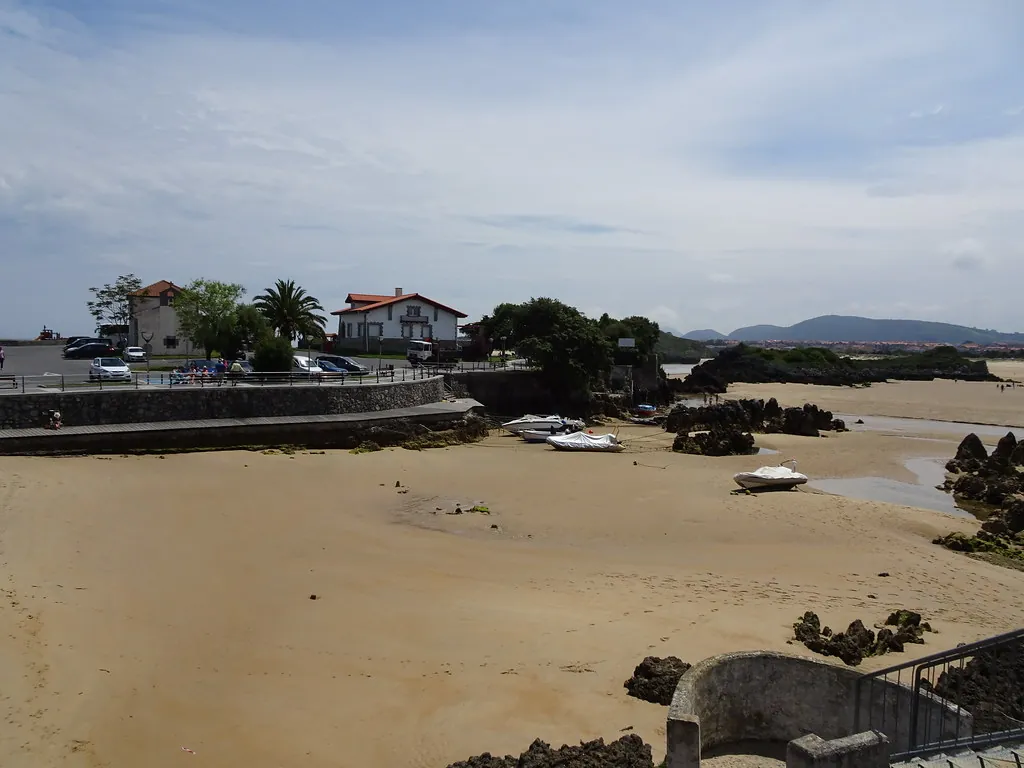
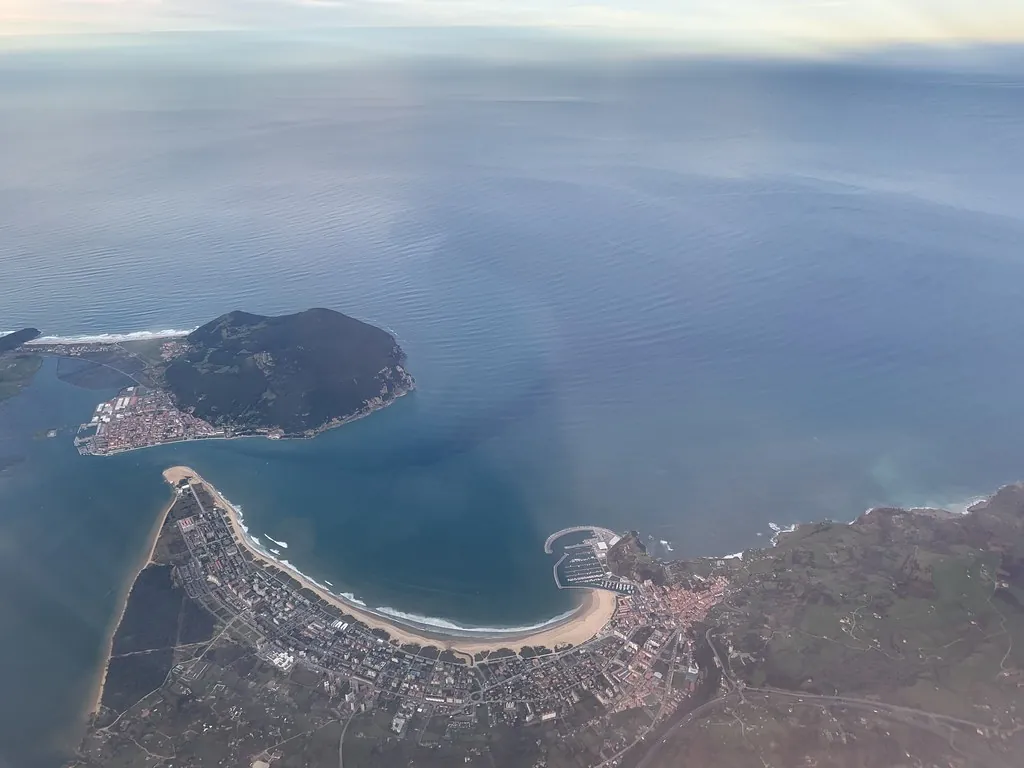
The river rules everything. At low tide the estuary becomes a mosaic of grey-brown channels; at high water the same basin turns into a reflective sheet that throws the Monte Buciero back at itself. Locals check the tide chart the way Londoners check the Underground line status: it dictates whether the riverside path smells of ozone or exposed mud, and whether the herons will be fishing in the main channel or standing about like grey-suited doormen in the shallows.
Birdwatchers get the best deal. A five-minute stroll from the town centre brings you to a wooden hide that overlooks the eastern edge of the Santoña marshes—same flamingos and spoonbills as the famous reserve next door, only without the coach parties. Bring binoculars between October and March and you'll tally avocets, kingfishers, and the occasional osprey. Come in July and you'll see swifts and not much else, but the hide still provides shelter from the afternoon northerly that makes the reeds hiss like kettle steam.
Cyclists use Colindres as a flat base for day loops. A signed greenway heads upstream to Limpias (6km, no hills), while westward a farm track reaches Laredo's vast beach in under an hour. The catch is the wind: when it blows from the bay of Biscay you pedal in bottom gear even on the straight. Pack a lightweight jacket regardless of the forecast; Cantabrian weather changes faster than a Ryanair departure board.
What Passes for Sightseeing
Forget cathedrals and cobbled alleys. Colindres' "old quarter" is two streets of Indiano houses—those grand, shuttered homes built by 19th-century emigrants who made fortunes in Cuba and came home to show off. The ironwork balconies are worth an upward glance, but the buildings still belong to local families, so don't expect stately-home ticket booths. The 16th-century church of San Juan Bautista anchors the plaza; step inside to escape the heat and you'll find maritime ex-votos hanging beside the altar: miniature ships offered by sailors who survived Atlantic storms.
Otherwise the attraction is motion. Watch the fish auction at the lonja (weekdays 4-5pm, enter through the blue door opposite the football ground). Boxes of anchovies move along a conveyor belt while buyers gesture in code; the rhythm feels more East-End market than Spanish village. Afterwards order a caña in Bar Puerto and you'll probably drink next to someone who just sold their catch. conversations stay practical—fuel prices, engine trouble, tomorrow's weather—delivered in coastal Cantabrian Spanish that clips syllables the way the tide clips the marsh edge.
Eating Without the Fuss
Menus stick to what swims nearby. Grilled sardines arrive eight to a plate, salted skin blistered from the coals; pick them up by the tail and the bones slide out like a zip. If that feels too anatomical, the €12 menú-del-día in Bar Rincón del Pescador offers fried hake and chips—comfort food for Brits who've overdosed on olive oil. Dessert is usually arroz con leche, cinnamon-dusted rice pudding thick enough to stand a spoon in. Local cider is softer than the Asturian stuff; order "una sidra suave" and you get a 200ml bottle, no theatrics.
Evening dining starts late, but Colindres isn't San Sebastian: most kitchens close by 10.30pm and the streets go quiet soon after. Nightlife here means a final beer while the harbour lights shimmer across the estuary, then the clunk of metal shutters as bar owners call it a day.
Beds, Buses and Bad Timing
Accommodation splits into three price bands. The riversideHostal El Puerto charges €55 for a double with breakfast—clean, straightforward, and full of bird-watchers who discuss tide tables over toast. Five kilometres inland, a stone farmhouse turned boutique hotel adds swimming-pool views of the Sierra de Candina for €120. Between June and August both sell out; reserve or you'll be driving the coastal road at midnight looking for vacancy signs.
Public transport works if you plan. Renfe's regional train links Bilbao-Abando with Santander in 90 minutes; Colindres station is a ten-minute walk from the centre. Buses fill the gaps, but Sunday services shrink to skeleton frequency. Hire cars make more sense for families—park free on the eastern edge of town and walk in. The Wednesday market bans vehicles until 2pm; ignore the signs and you'll return to a wheel clamp and a €90 fine.
Summer brings two complications. First, the population effectively doubles when Spanish schools break up; what feels like a spacious promenade in May becomes a slow-moving queue in August. Second, the estuary aroma strengthens with the heat—glorious at dawn, less so by mid-afternoon. Spring and autumn give you space, migrating birds, and lower room rates. Winter is mild by British standards (daytime 12-14°C) but Atlantic storms can whip the river into brown rollers that slap against the sea wall. On those days the bird hide is the only dry viewpoint; everything else involves horizontal rain.
The Honest Verdict
Colindres won't change your life. It offers no Instagram-ready castle, no beach-bar DJ sets, no souvenir tat because no one has thought to invent any. What it does provide is an authentic slice of Cantabrian coastal living: tides, boats, cheap beer, and the chance to watch Europe rush past on the A-8 while you sit on a bench counting herons. Stay two hours and you'll wonder why you bothered; stay two days and you'll start checking the tide chart before breakfast. Bookend it with Laredo's five-kilometre beach or Santoña's Napoleonic fort and you've got a low-key base that costs less than a Travelodge breakfast—but remember to bring binoculars, a windproof, and realistic expectations.