Full Article
about Guriezo
Hidden Agüera valley
Hide article Read full article
The Road That Leads Somewhere After All
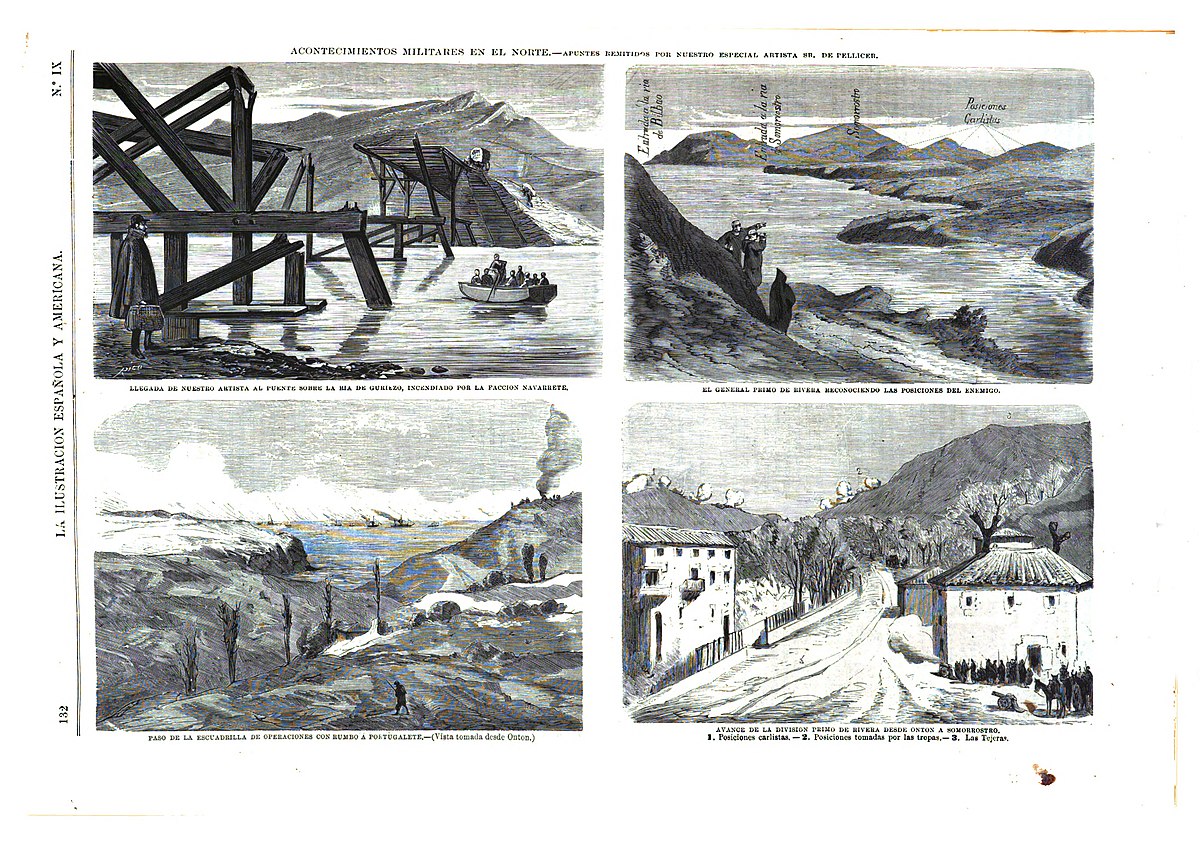
After about twenty minutes on the CA‑147, just as it starts to feel like the sat nav might be getting a bit overconfident, Guriezo appears. It arrives all at once, after a bridge that seems to lead nowhere in particular and then suddenly: houses, the town hall, a terrace or two where people glance up briefly to see who’s coming in.
It is that small, familiar moment still common in many villages, where a new arrival stands out straight away.
A Valley That Refuses to Fade
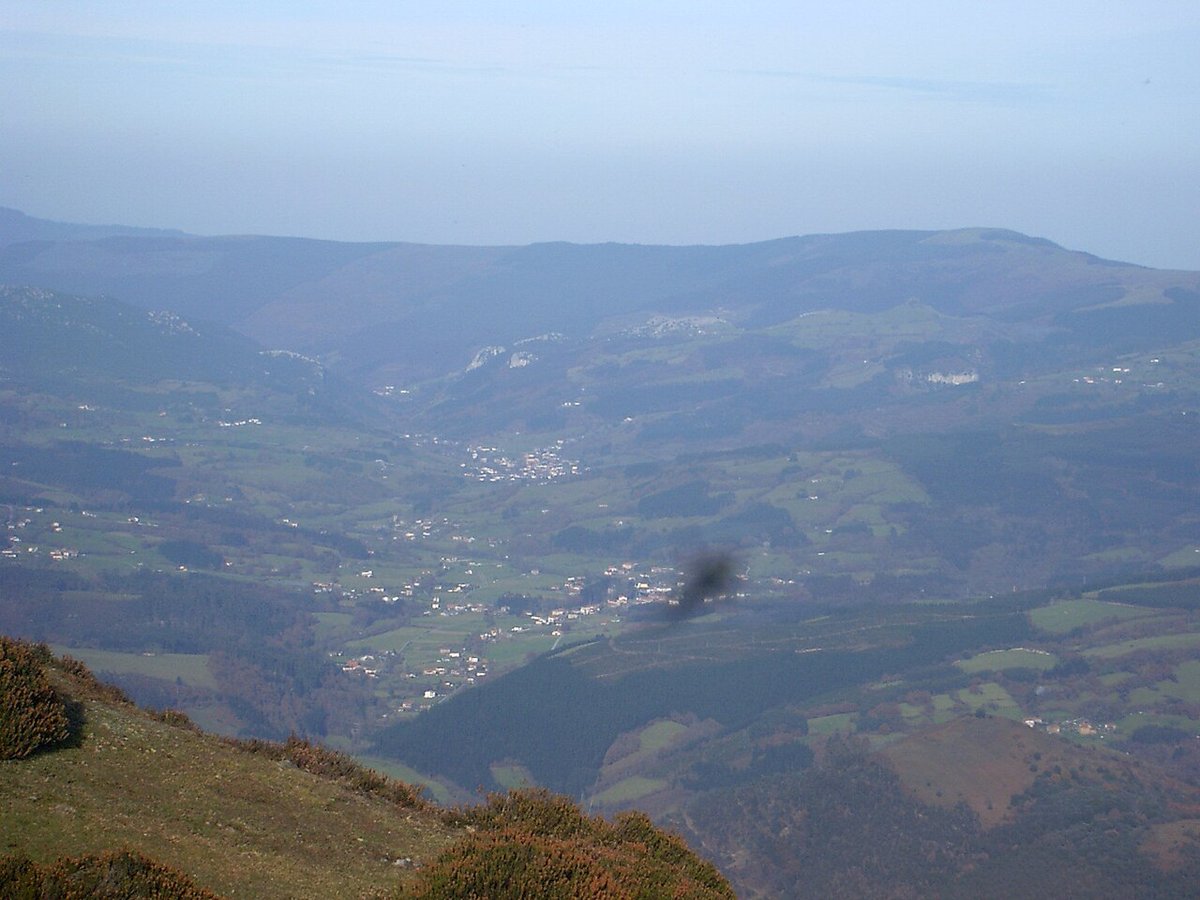
Guriezo is less a single village and more a spread-out collection of settlements across the Agüera valley. There are over twenty small population centres within the municipality. El Puente acts as the hub, although at first glance it looks more like a simple road junction than a centre of anything. From there, the valley stretches out towards smaller hamlets tucked further into the surrounding hills.
People have lived here for a very long time. In the higher areas, there are prehistoric remains, and by the medieval period, local lineages had begun to leave their mark on the landscape. That legacy still stands in the form of tower houses scattered across the valley. These are solid stone buildings, slightly defensive in appearance, like compact castles set down among open fields.
Rather than forming a single, compact village, Guriezo works as a kind of mosaic. Neighbourhoods sit apart from each other, separated by meadows, narrow roads and green slopes that shape the rhythm of daily life.
Where the River Becomes an Estuary
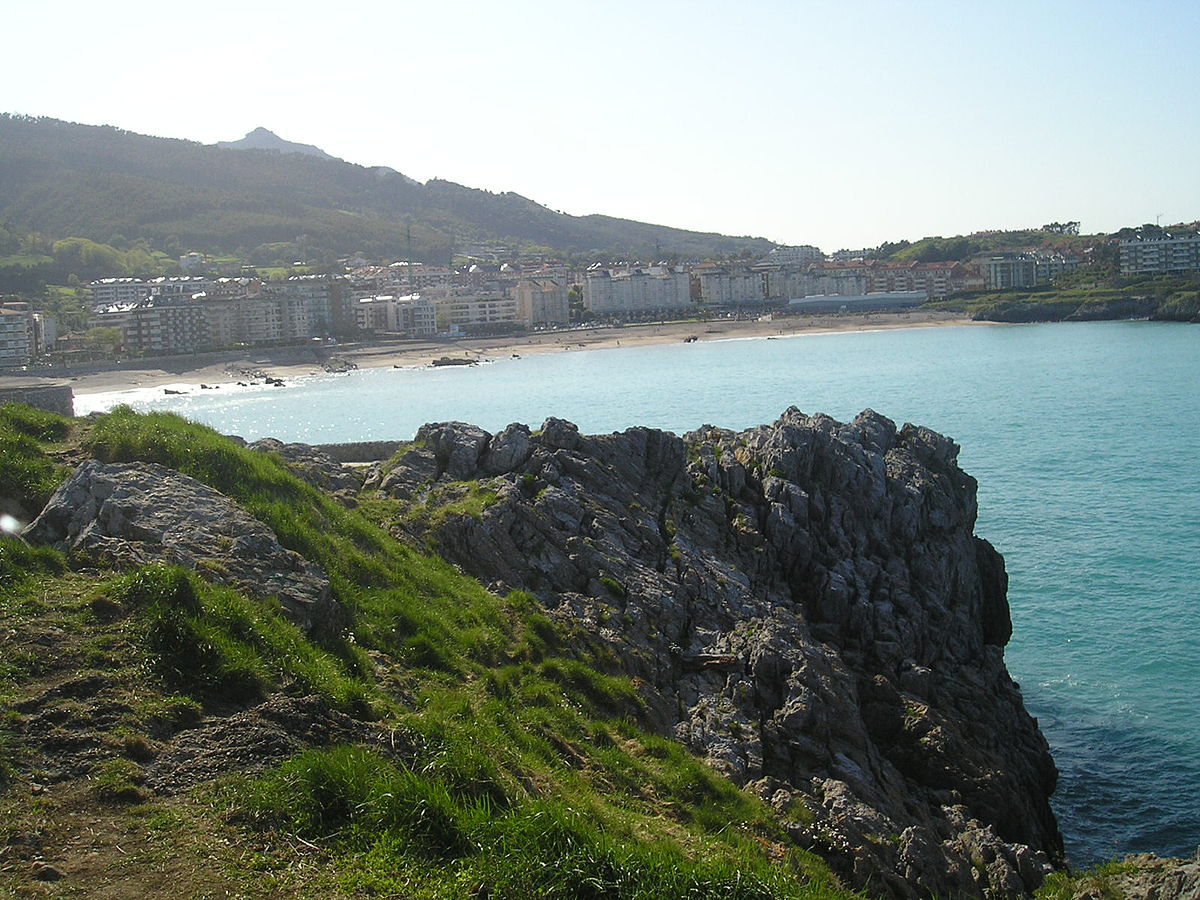
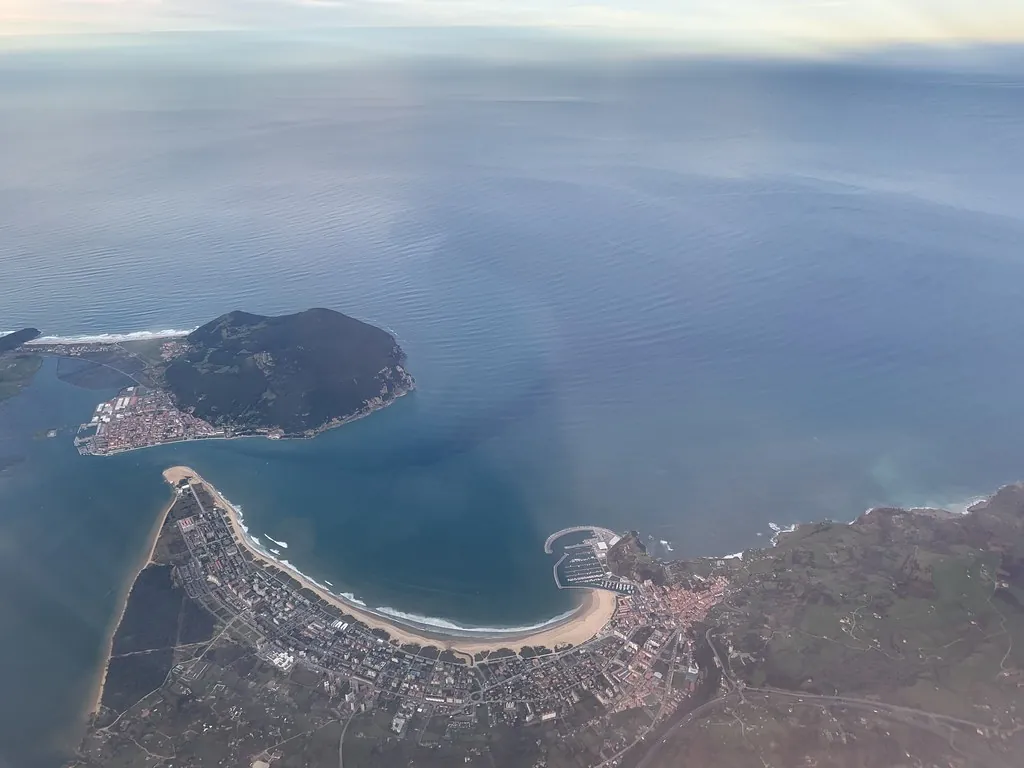
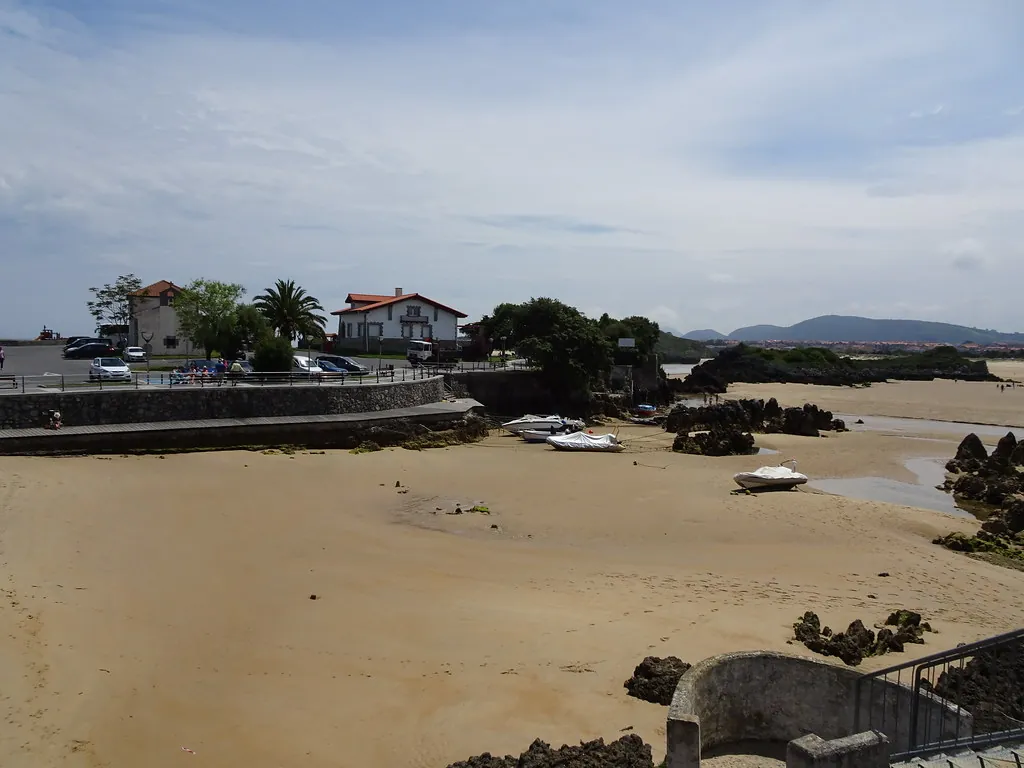
One of the more unexpected things about Guriezo is that, despite being deep in a valley, it eventually reaches the sea. The Agüera river flows steadily for kilometres before widening into the Oriñón estuary, just before meeting the Cantabrian Sea.
This is not a typical seaside setting. The landscape here feels quieter, defined by calm water, marshland and low hills. It is the sort of place where someone might be seen fishing patiently as the tide shifts almost unnoticed.
Further inland, the presence of rural life is still clear. Cattle graze in the fields, including monchinás, a darker and sturdier Cantabrian breed. Tracks lead up towards the hills along routes that seem better suited to tractors than to low-slung cars, reinforcing the sense that this is a working landscape rather than one designed for visitors.
Summer Festivities, When the Valley Fills Up
The main celebrations in Guriezo usually take place at the beginning of August, centred around the Virgen de las Nieves. At that time, the valley becomes noticeably busier. People return, families gather for a few days, and there is a level of activity that contrasts with the quieter pace of the rest of the year.
In the days leading up to the main festival, a historical re-enactment has become part of the calendar. Residents dress in clothing from earlier periods and recreate scenes that reflect how life in the valley might have looked centuries ago. There is a certain lightness to it all, especially when the past and present overlap in small, everyday ways.
Eating Here: No Label Required
Guriezo does not have a signature dish that appears on roadside signs or in travel guides. There is no single recipe tied specifically to the village that everyone talks about.
What you will find is food that is typical of Cantabria. Locally sourced meat, fish arriving from the nearby coast, and simple stews form the basis of what is served. In places around El Puente, the approach is straightforward: you ask what is available that day, and more often than not, it works out well.
The reason is not a secret recipe. It is the proximity of the ingredients and the fact that, in smaller places like this, cooking often still follows familiar, traditional ways.
Coming Here With the Right Expectations
Guriezo is not a destination of busy shopping streets or a long list of landmarks packed into a small area. It is something quieter.
The valley unfolds through scattered stone houses, winding roads and hills that seem consistently greener than expected. Spring tends to be a good time to see it, when the landscape feels particularly alive and the busier atmosphere of August has not yet arrived.
Getting around without a car can be difficult, as everything is spread out and connected by small roads rather than centralised routes.
Whether it is worth stopping depends on what you are looking for. Those searching for a place often described as the most beautiful village in Cantabria will likely end up elsewhere. Guriezo offers something different. It shows how a real valley functions, with its dispersed neighbourhoods and steady, everyday rhythm. It has plenty to say, just not in a hurry.