Full Article
about Laredo
Queen of the Cantabrian beaches
Ocultar artículo Leer artículo completo
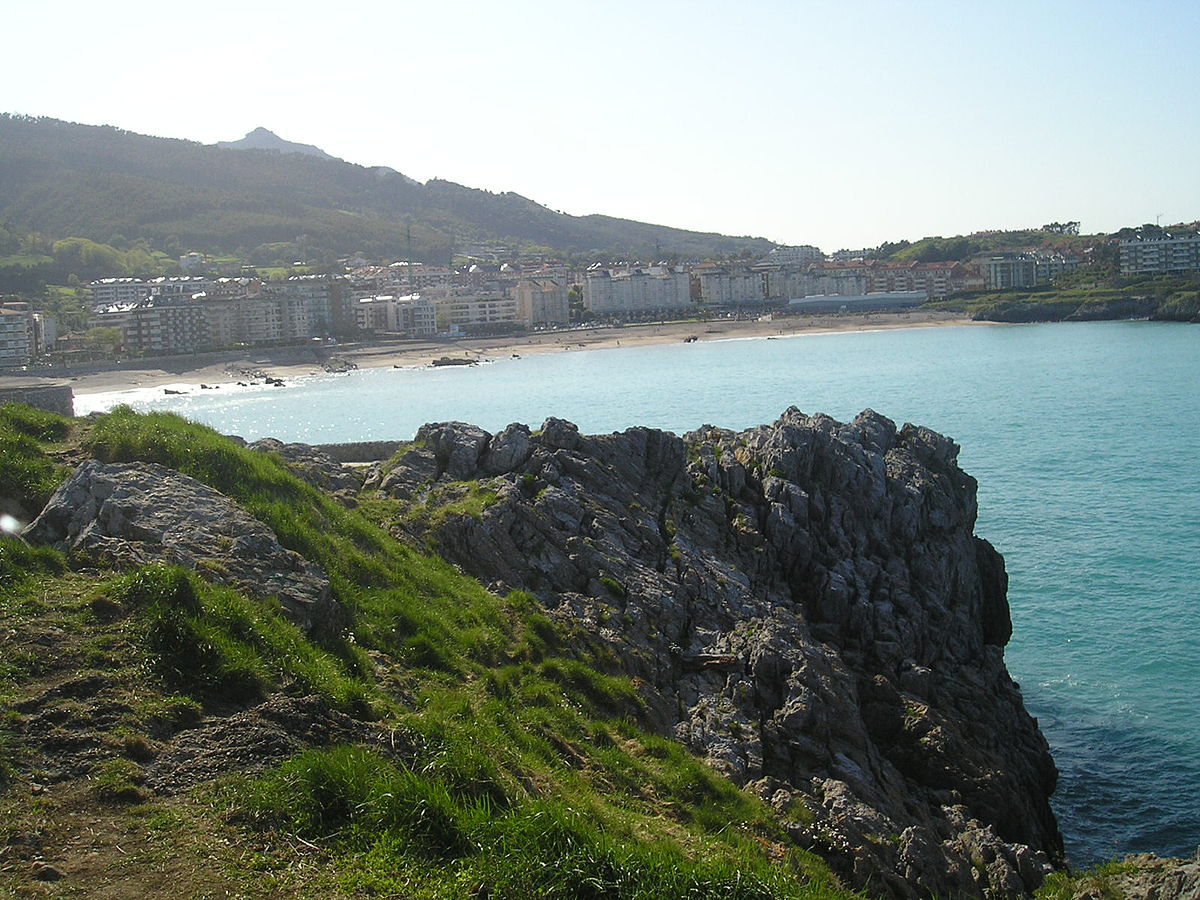
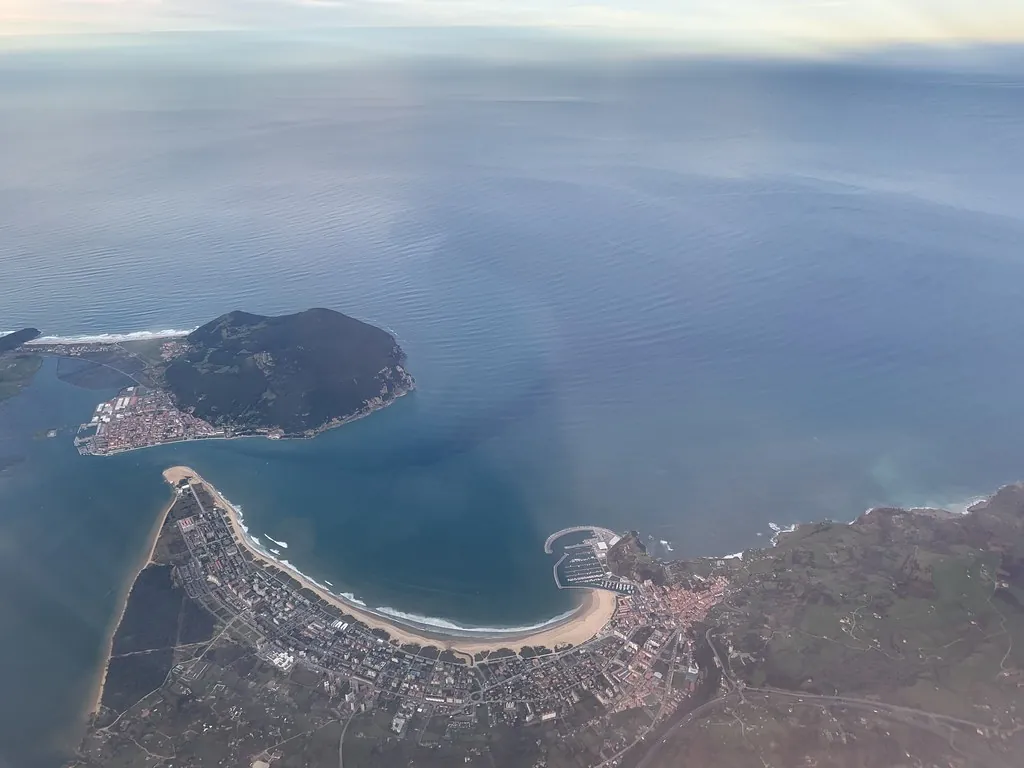
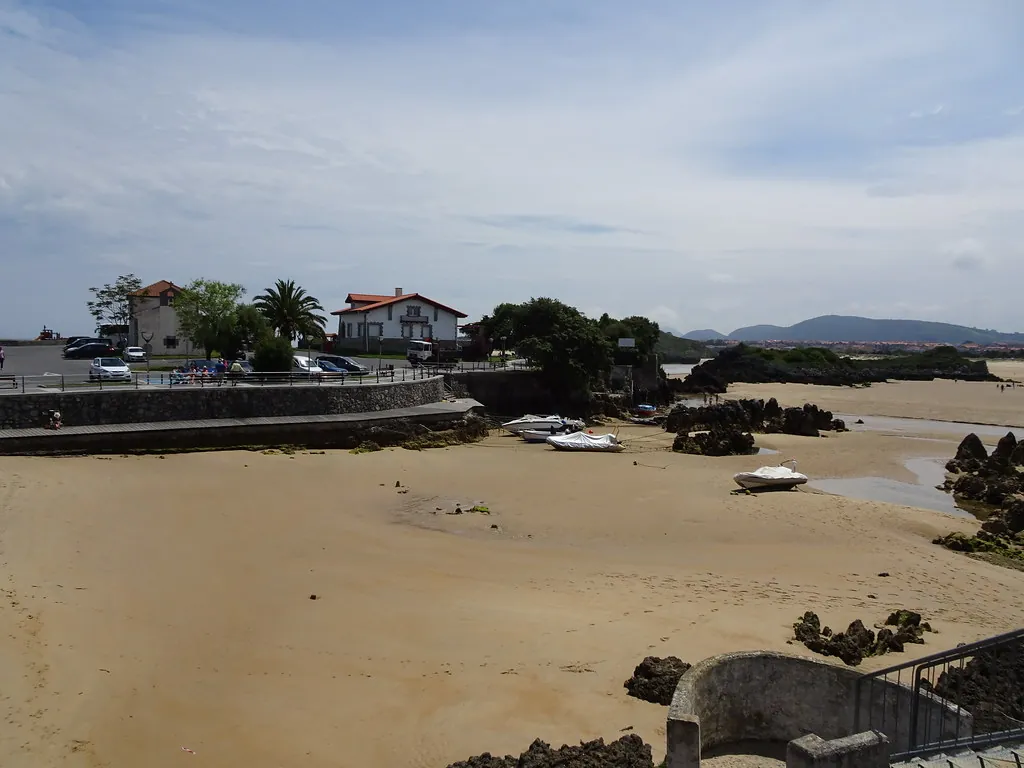
The tide is out when you arrive, and La Salvé looks less like a beach than a desert someone has painted biscuit-gold. Five kilometres of sand stretch west until they blur into dunes; to the east, the Ría de Treto glints like polished pewter. A lone kite-surfer hauls his rig across the flats—no need to rush, the water won’t be back for hours.
That scale sets Laredo apart from the postcard coves that dot the rest of Cantabria. The town faces the Atlantic head-on, built on a grid that once loaded silver for the Indies and still behaves more like a small city than a fishing village. In July and August the population trebles: madrileños, bilbaiños and, increasingly, British families who’ve twigged that Bilbao airport is 55 minutes away on the A-8. Out of season the same streets feel half-asleep, the wind whips in unchecked, and you remember this place was fortified for a reason.
Old Town, Steep Town
Ignore the map’s suggestion of a gentle stroll between sights. The Puebla Vieja climbs 70 metres in the space of two short blocks, and the stone setts are slippery even when Cantabria’s drizzle hasn’t slicked them down. Houses painted ox-blood and mustard lean together like gossiping neighbours; washing flaps overhead, not for effect but because tumble dryers struggle with Atlantic humidity. Half-way up, the Gothic hulk of Santa María de la Asunción hides a Flemish altarpiece that art historians rate the finest in the region. Whether you get to see it is lottery: the caretaker locks the door whenever a christening, funeral or simply a long lunch intervenes. Posted times are decorative.
Higher still, the mirador known as La Atalaya gives the geography lesson. South lies the Bahía de Santoña, nature reserve and factory of anchovy fame; north, the endless blade of sand; west, the apartment blocks that arrived in the 1970s when Laredo decided beaches beat sardines as a business model. The contrast is blunt: medieval stone below, concrete balconies above, both held together by the same salt wind.
Sand, Surf and Saturday Night
La Salvé is officially five kilometres, though locals swear it grows another 500 metres on spring tides when El Puntal, the shifting sand-spit, links up. The shelf is gentle—toddlers can paddle 30 metres without disappearing—yet the red flag still flies on the eastern end whenever a Levante wind piles water into the bay. Lifeguards whistle like referees; ignore them and you’ll discover why the town’s surfing championships are held further west.
Hire a sun-lounger and parasol from the blue-and-white chiringuito nearest the paseo (€7 for the day, cash only) and you can watch the Cantabrian ritual of paseo twice daily: morning power-walk in Lycra, evening promenade in designer shades. Between times the sand empties while Spain disappears for lunch. Return at four and it’s towel-to-towel; August weekends feel like Playa de las Américas with fewer English accents and better crisps.
Evenings start late. By midnight the bars behind the beach—Café Central, El Bodegón, half a dozen others with neon tigers on the walls—spill onto the pavement. Students from Bilbao’s universities arrive in packs, order cubatas the size of goldfish bowls and argue about football. Close the place at three, follow the stragglers to Bar Buda on Calle San Bernardo for rabas (calamari strips, greaseless and peppery) and you’ll still be up before the fishermen whose hooters announce departure at dawn.
Walking Off the Paella
If the salt air makes you restless, two walks justify leaving the towel. The easier ambles round the inner bay on a raised boardwalk—duck ponds on one side, mussel rafts on the other—ending at the 16th-century Fuerte del Rastrillar, now little more than stone teeth but a handy picnic spot. Serious boots continue up Monte Buciero to a string of Napoleonic batteries hacked into the cliff. From the top you look south over Santoña’s marshes, north to the Picos de Europa still wearing snow in May. Allow three hours return, carry water; the Cantabrian version of spring can be 24 °C in the sun, 12 °C in cloud, sometimes in the same hour.
Winter is different. January storms drive waves over the paseo and the council stacks skips of sand to protect the cafés. Hotels drop to €45 a night, menus shrink to cocido montañés (bean and cabbage stew heavy enough to moor a boat), yet the light is extraordinary—low, metallic, perfect for photographing the old town’s stone. Most British visitors never see it; those who do swear the place feels closer to Cornwall than the Costas.
What to Eat, When to Pay
Fish arrives twice daily at the lonja behind the yacht club. Restaurants buy at auction, so the chalkboard changes with each tide. Look for bonito del norte late July through September, served here as jarretes (marinated neck steaks) rather than the canned variety Brits know. Anchovies come two ways: salt-cured from Santoña factories, or boquerones in vinegar—white, silky, nothing like the hairy pizza topping. If meat’s your thing, order chuletón for two: a rib-eye the size of a steering wheel, seared outside, almost raw within, intended to be shared by people who aren’t.
Cards are accepted in proper restaurants; beach bars and most tapas joints still run on cash. A plate of rabas, a bowl of almejas and two small beers sets you back about €18—half London prices, though wine by the glass can be thin and over-iced. Market day is Friday: the plaza fills with stalls selling pimentón, cheap socks and strawberries that taste of something. Arrive before eleven; by noon stallholders are already packing.
Getting There, Getting Stuck
Bilbao is the nearest airport—Ryanair, EasyJet and BA all fly direct from London, Manchester and Bristol. Hire cars live in a multi-storey opposite arrivals; from the booth to Laredo’s beach car park takes 55 minutes on the autopista, 70 if you dawdle through the valley famous for quesada cheesecakes. Santander airport is closer (40 minutes) but fewer routes. ALSA coaches meet every flight in summer and drop you at Laredo bus station, ten minutes’ walk from the sand.
Parking in August is sport. The signed blue-zone behind the beach fills by ten; after that you circle the one-way grid like everyone else or surrender to the private lot beside the yacht club (€15 daily, no overnight). June or September you park where you like, feed the meter a euro, forget it for the day. No train reaches town; the nearest station is in Colindres, 12 kilometres inland, and taxis are scarce.
The Catch
Laredo trades on space and energy, not on charm. Parts of the new town are plain ugly—1970s blocks with rusting air-conditioner cages—and even the old quarter has patches of crumbling render no one hurries to patch. English is thin on the ground; menus are Castilian-only unless someone’s teenager is pressed into service. If you want whitewashed lanes draped in bougainvillea, drive east to Santoña or west to Comillas. Come here instead for a beach big enough to escape your neighbours, for late-night bars that don’t calculate the bill in tourist mark-ups, and for a front-row seat when an Atlantic front rolls in over five kilometres of sand. Pack a jumper even in August, carry cash, and don’t trust the church door to open. The rest looks after itself.