Full Article
about Liendo
Valley between sea and mountain
Hide article Read full article
A coastal valley without a centre
Liendo, on Cantabria’s eastern coast, is a municipality of just over twelve hundred people. It lacks a town centre. Instead, life is distributed across a series of neighbourhoods—La Maza, Hazas, Villanueva—connected by narrow roads that run between meadows and barns.
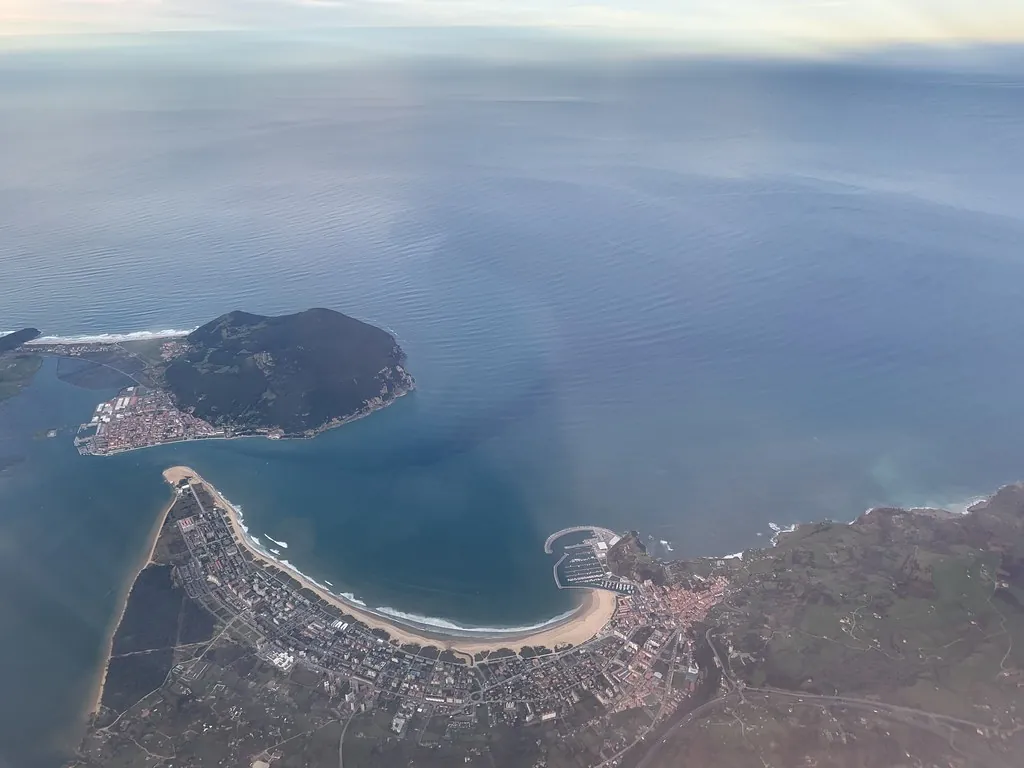
The valley opens to the Cantabrian Sea and ends at the rasa litoral, a flat coastal platform used for pasture that drops into cliffs. This geography has dictated the rhythm here for centuries. Small-scale farming and livestock have been the constants, with the sea as a backdrop more than a daily workplace for most. Its position near Castro Urdiales and just off the A-8 motorway makes it a frequent stop for those exploring the area. It is not a place for a seafront stroll or a compact historic quarter. You come here to move through the valley and to read a landscape shaped by use.
The church and the shape of settlement
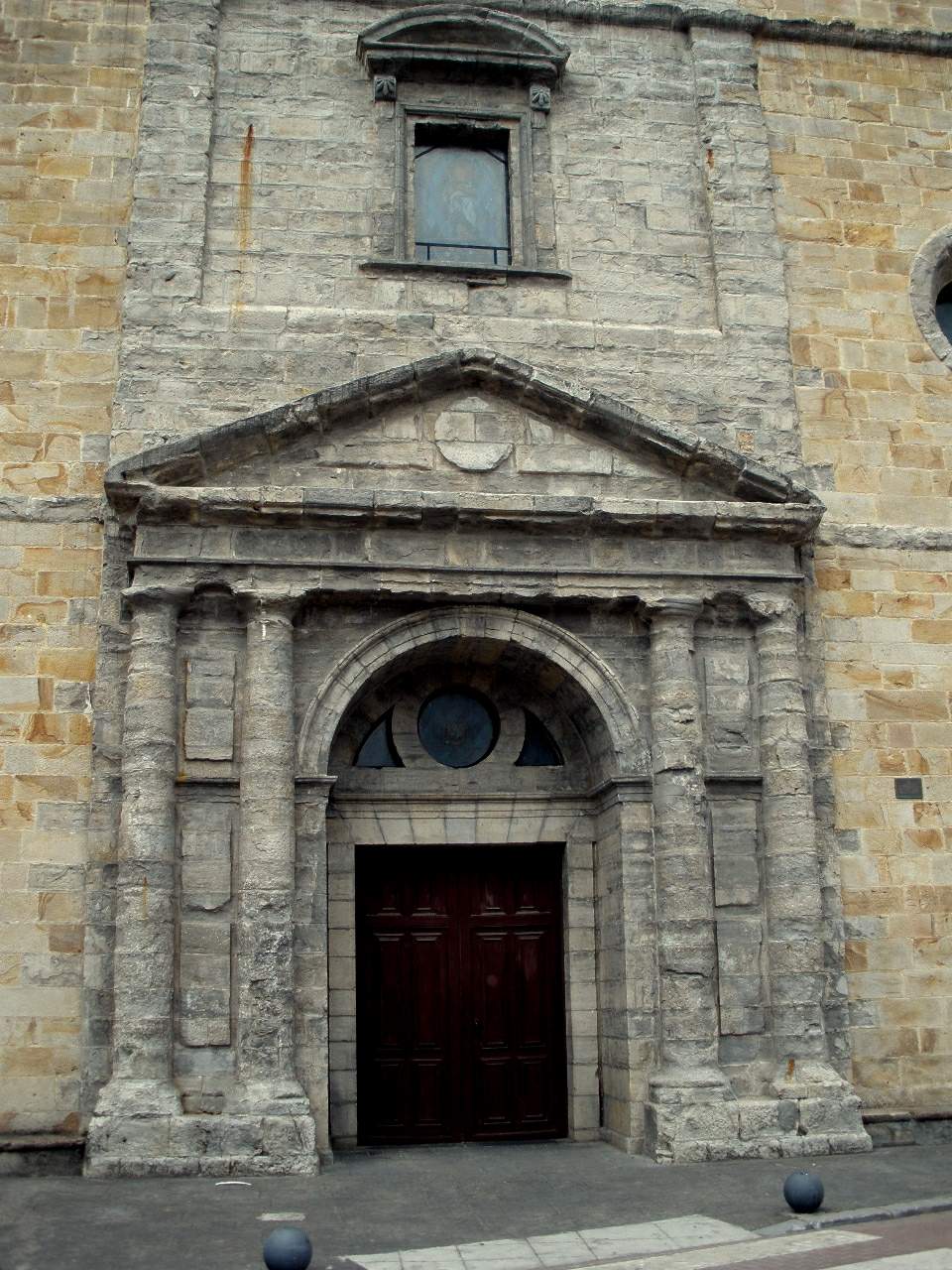
The parish church, dedicated to San Julián y Santa Basilisa, has a 16th-century core, though it was heavily modified in the 18th century. Its importance lies less in its architecture—a sober baroque retablo inside, a robust tower outside—than in its function.
No plaza surrounds it. There are fields, farmhouses, and the sound of cattle. This reflects a settlement pattern typical of these eastern valleys: homes built near their land, with the church serving as a territorial marker rather than an urban nucleus. It still explains how you navigate Liendo today, following lanes that link one hamlet to another without ever converging on a single point.
Clifftop pastures and the edge of the sea
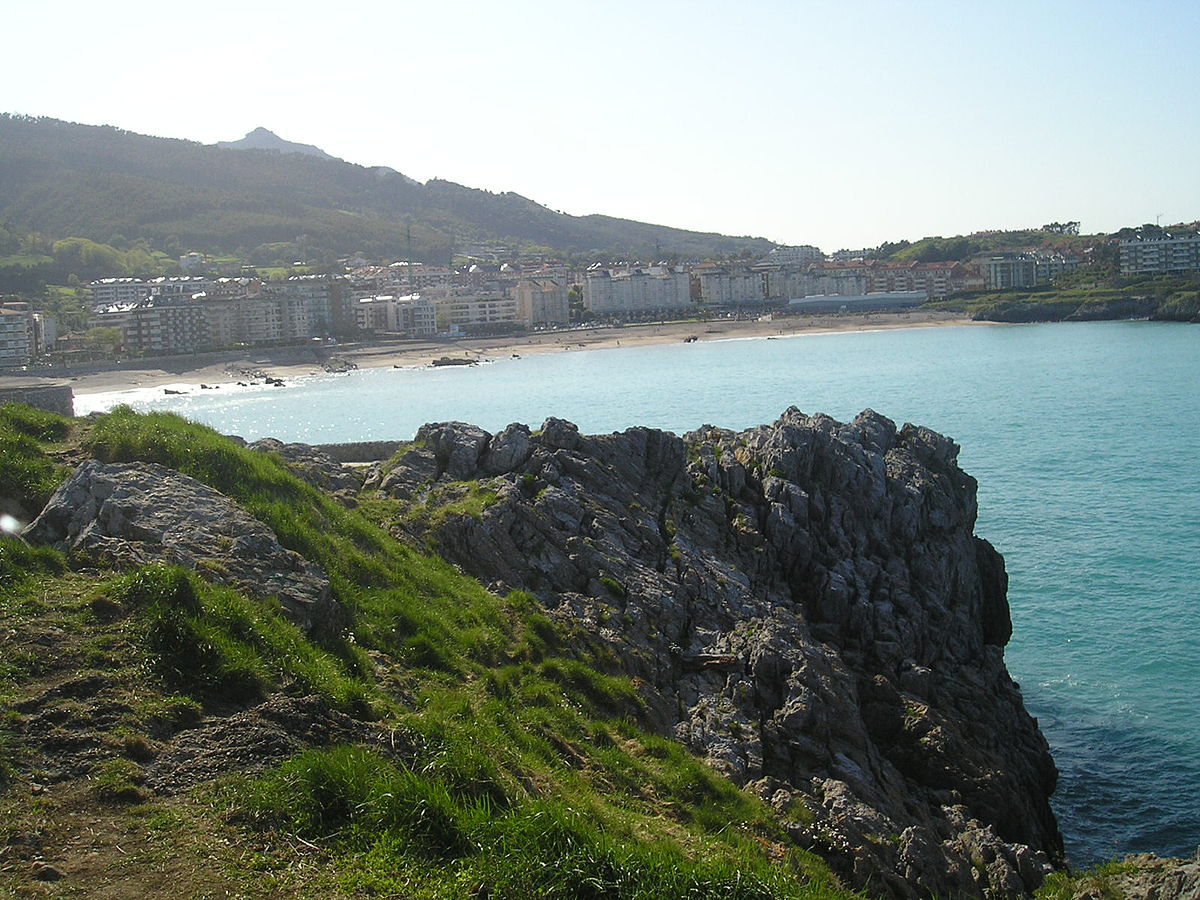
The defining image of Liendo is its coastline. The rasa litoral is a wide strip of grassland that runs right to the cliff edge. On a clear day, the view is immense, just sky and sea.
You reach it via the same unpaved tracks used for moving livestock or machinery. They are not recreational paths. Mud, cow pats, and tall grass are standard. This is not managed countryside; it is working land. Walking here gives you a direct sense of that intersection—where pasture meets a sheer drop to the water below.
Beaches at the edges of the valley
Two beaches define the municipal coastline. At the eastern limit, near Castro Urdiales, is Sonabia (often called San Julián). It’s a broad, exposed arc of sand facing the open sea. A single-lane road winds down to it, and in summer the small parking area fills early.
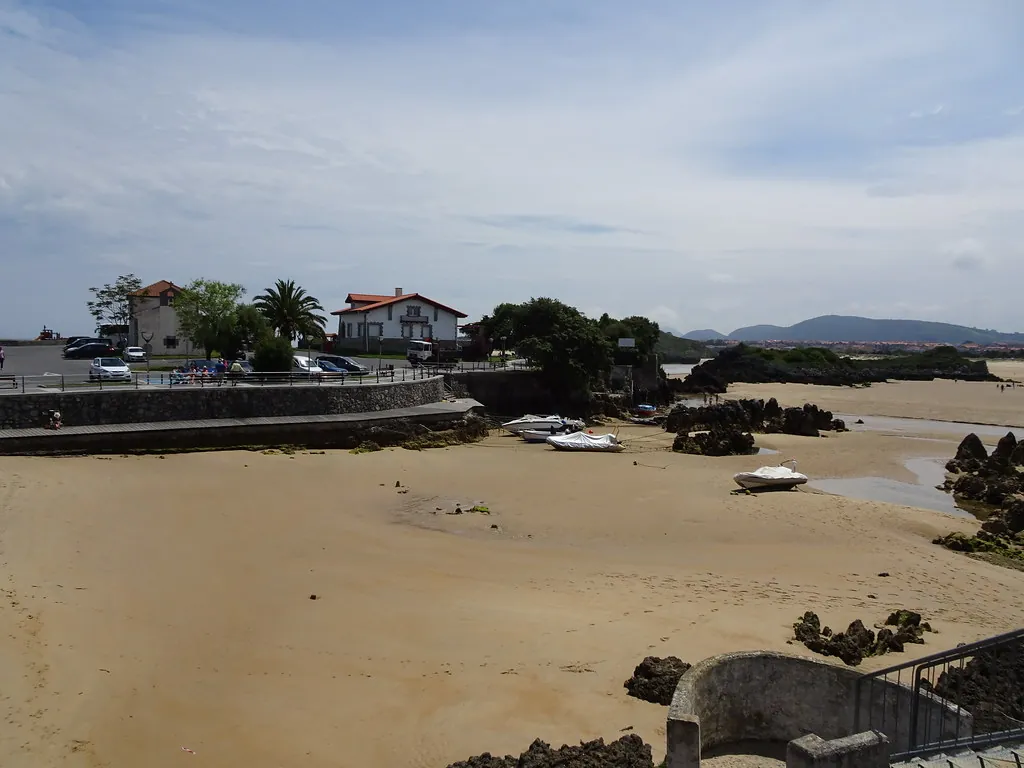
Within the valley itself is Villanueva beach. Access is less obvious: from a dirt parking area, a footpath descends through trees and brambles to a cove enclosed by slopes. It feels more sheltered than Sonabia. The path can be slippery after rain.
Both are public, but neither has services beyond seasonal lifeguards in July and August. They represent two different coastal characters: one open and windswept, the other tucked into the greenery.
Taking time to understand the place
If time is short, choose one section of coastline to explore on foot. A walk along part of the rasa or a descent to either beach will give you a clearer sense of Liendo than trying to drive between all its neighbourhoods.
What you wear on your feet matters more than anything. Sturdy shoes that can handle mud and uneven ground are necessary. Be mindful where you leave your car; many track entrances are needed for farm vehicles. The pace of a visit here shapes the experience. This is not a checklist destination; it’s a valley that reveals itself slowly.
When the valley shows its character
Spring and autumn are when Liendo is greenest and quietest. The light late in the day can soften the cliffs or sharpen the line of the horizon. Summer activity concentrates on the beaches, and arriving early makes a practical difference. In poor weather, the coast feels exposed and wind can be harsh; on such days, it’s often better to walk the inland lanes between hamlets.
Before setting out
This is a lived-in, working valley. The meadows are active pastures. Closing gates behind you, giving livestock space, and not blocking tracks are part of visiting respectfully.
The interest here lies in seeing how the pieces fit together: the scattered houses, the sea always in the distance, the farmland that reaches the cliff edge. There is no monument that explains it all. You have to put it together yourself.