Full Article
about Noja
Beaches and marshes
Ocultar artículo Leer artículo completo
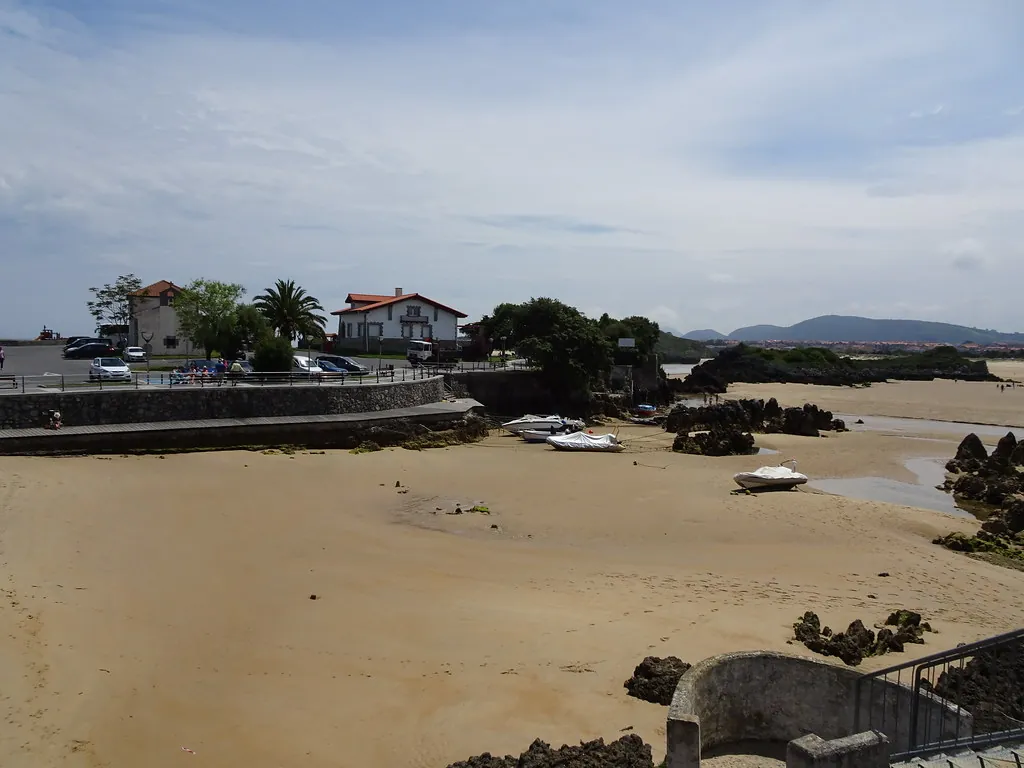
The tide in Noja can sprint faster than a commuter on the 07:45 to Paddington. Stand on Playa de Trengandín at half-eleven in the morning and you’ll watch the bay peel back like a carpet, revealing a caramel-coloured runway that stretches almost to the horizon. By teatime the sea has returned, nudging families up the sand and turning rockpools into temporary aquariums. It’s a twice-daily sleight-of-hand that makes clock-watching here a practical necessity rather than a holiday affectation.
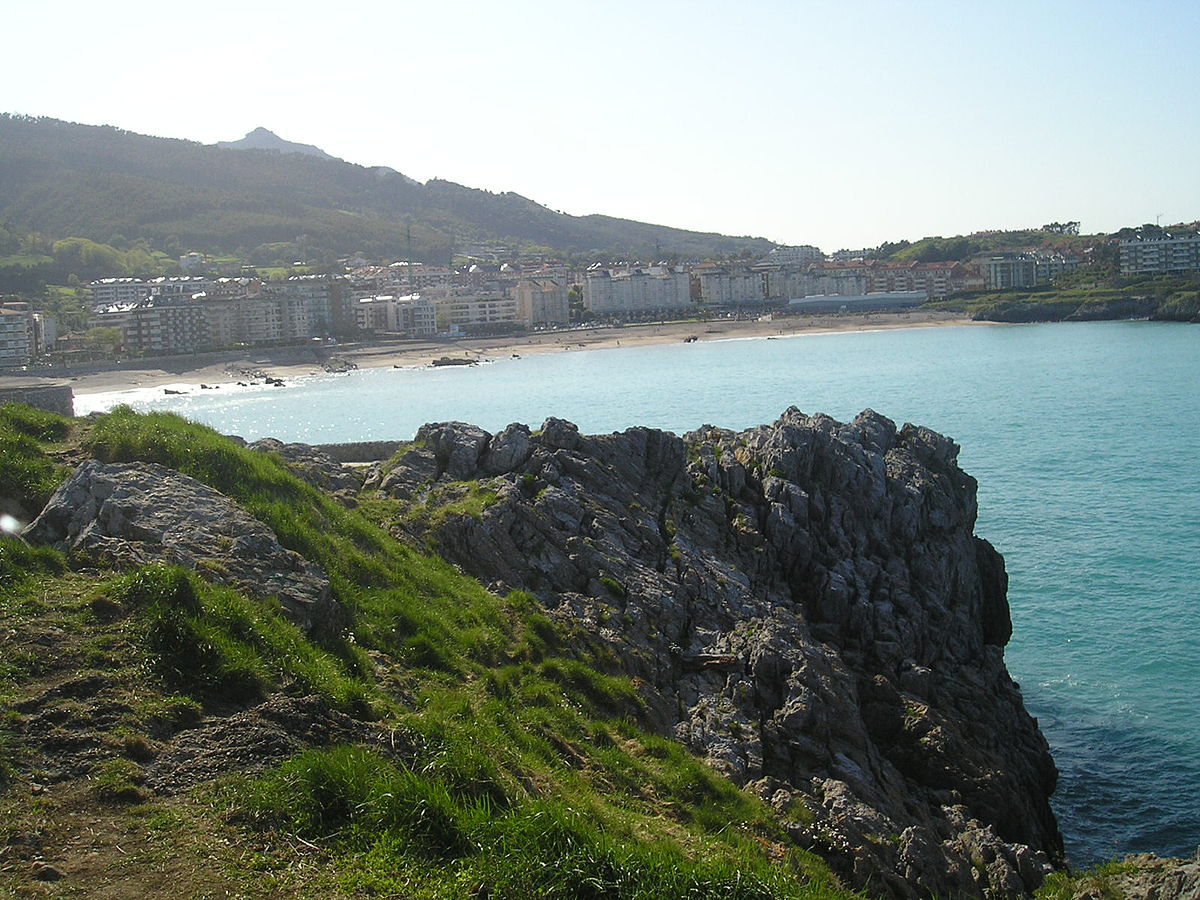
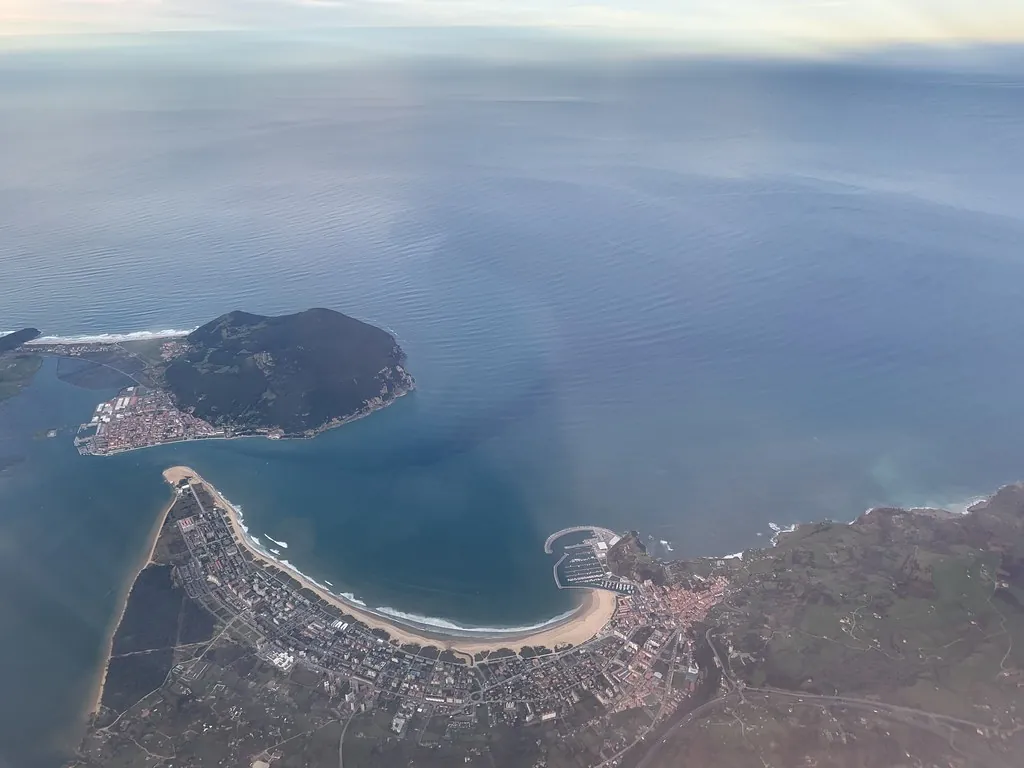
This eastern corner of Cantabria is officially a village—2,600 registered souls—but its two beaches could swallow most Cornish resorts whole. Ris, the western arc, faces the full Gulf Stream fetch and dishes out gentle, learner-friendly surf. Lifeguard posts, shower blocks and a rank of board-rental cabins give it a distinctly Spanish “urban-beach” feel, yet the backdrop is low-rise villas rather than tower blocks. Trengandín, four kilometres east, is the quieter sibling. When the moon pulls water away, you can tramp its firm flats for almost an hour without wetting your ankles; turn around and the dunes shrink to toy-town size beneath a sky that feels bigger than the whole of Cantabria.
Between the two stretches the Joyel marshes, a lagoon threaded with raised board-walks and bird hides. On paper it’s an 8-kilometre loop; in practice it’s a moving tableau of spoonbills, egrets and the occasional spoon-beaked avocet that looks as if it flew in from Norfolk. Bring binoculars—locals do, and nobody sniggers. The path is pancake-flat but shadeless; if the north-easterly picks up you’ll be grateful for a wind-cheater even in July.
Getting there without the grief
Santander airport sits 40 minutes west by hire car, Bilbao 55. Both routes slice through green sierras before dropping to the coast, so you arrive with ears popping and windows salty. Public transport exists—ALSA coaches thread the coast four or five times daily—but the last leg from Santoña to Noja is a minibus that feels like the school run. If you’re wedded to luggage and surfboards, rent wheels at the airport; August traffic queues are shorter than Devon’s and parking is free outside the centre. In peak season arrive at Trengandín before 11 a.m. or you’ll circle the tarmac like a gull after chips.
What to do when you’ve shaken the sand off
History here is compact rather than cataclysmic. The Iglesia de San Pedro, started in the 1500s, squats in the old quarter with walls the colour of burnt cream. Inside, the nave is cool and plain—no baroque bling, just stone ribs and the faint smell of beeswax. A five-minute wander is enough before you emerge onto Plaza de la Villa where the Thursday market sells everything from espadrilles to oversized pants. Nearby, the Molino de las Aves occupies a restored tide-mill; exhibitions explain how water once turned wheat into flour and why the marshes are now flooded for wildlife rather than wheat. Entry is free and it’s a handy shelter if the heavens open.
Walkers can string together a half-day circuit: start at the mill, follow the lagoon path eastwards, then cut onto the pine-edged board-walk that spits you onto Trengandín just as hunger strikes. The dunes are protected, so stick to signed routes—stray footprints undo decades of replanting marram grass.
Eating: beyond the battered calamari
Noja’s kitchens revolve around whatever the Cantabrian Sea coughed up that morning. Velvet crab—centollo—arrives halved, scarlet shells glistening, with nothing more than lemon wedges and a hunk of baguette for mopping sweet meat. A medio centollo (half crab) feeds one greedy adult and costs around €14. If crab feels too fiddly, order marmita, a tuna-and-potato stew that tastes like somebody distilled the ocean. Mountain influences creep in via cocido montañés, a bean and chorizo broth that hits the spot when Atlantic winds whistle. Finish with sobao, a buttery sponge that locals dunk into milky coffee at breakfast; by teatime it’s sold in inch-thick slabs from bakery counters that smell of vanilla and sugar crust.
Evening entertainment is gloriously low-key. Families promenade along Paseo de la Playa licking ginormous ice-creams while teenagers perform wheelies on rented bikes. Bars roll shutters at 22:30 sharp; if you want cocktails after midnight you’ll need to drive to Laredo.
The season sweet spot
May and late September deliver 22 °C afternoons, empty board-walks and restaurant owners with time to chat. Spring tides are dramatic—perfect for photographing reflections that turn the sand into a mirror. June warms the water enough for paddling, though you’ll still share the break with more seagulls than surfers. July and August triple the headcount; Spanish number-plates from Bilbao and Santander snake back from the beach car parks, and supermarket queues feel like Tesco on Christmas Eve. Yet even in peak weeks you’ll find breathing space on Trengandín at eight in the morning, when only dog-walkers and the odd yoga class disturb the horizon.
Winter is wild rather than wretched. Storm systems barrel in from the Atlantic, whipping spray over the sea wall and closing the chiringuito beach bars. Hotels drop prices by half, surf schools pack up, and the marshes become a monochrome wilderness of pewter water and rustling reeds. Bring walking boots and a weather-proof—Cantabrian rain is soft but persistent, the sort that soaks through seams rather than assaults umbrellas.
The honest verdict
Noja won’t keep monument-hunters busy for long; you can tick the sights before your coffee cools. What it does offer is space—wide beaches where kites outnumber people outside August, wetlands that feel genuinely alive, and a rhythm dictated by tide charts rather than tour schedules. The trade-off is seasonal crowding and a nightlife that clocks off early. Come prepared to make your own fun: pack binoculars, check the tide table, and remember that the best tables are often the simplest ones, where crab shells pile up and the sea provides the soundtrack.