Full Article
about Santoña
Anchoa capital
Ocultar artículo Leer artículo completo
The first thing that hits you isn't the view—it's the smell. A rich, briny perfume wafts from the harbour where silver anchovies still gleam on unloading tables, and women in hairnets sit in bright workshops, hand-filleting each fish with the same precision their grandmothers used. Santoña doesn't hide its livelihood behind tourist gloss; this Cantabrian port wears its industry like a badge.
A Town That Works for Its Living
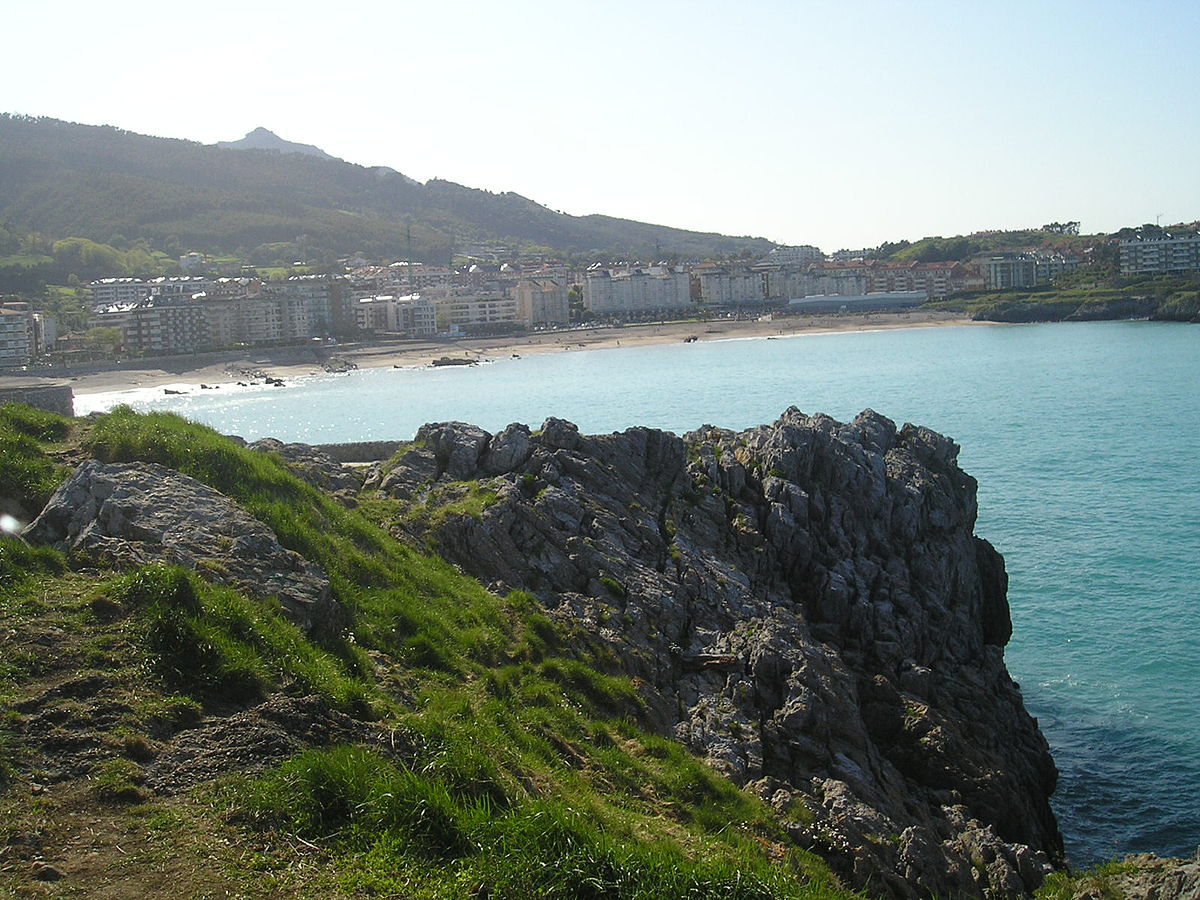
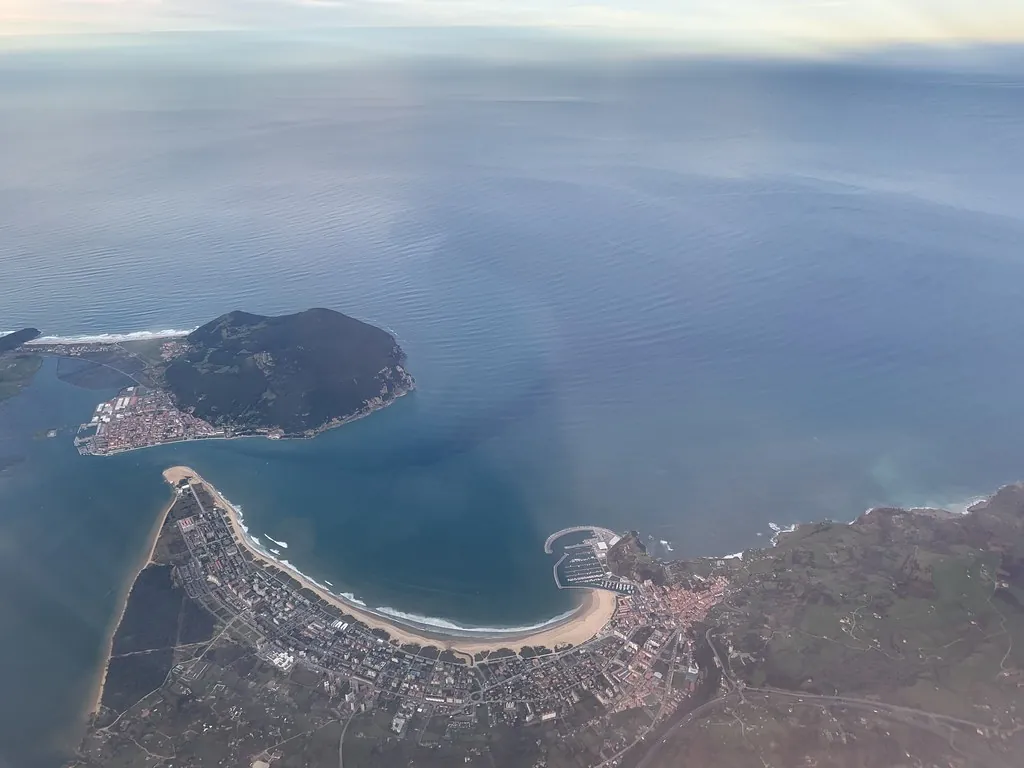
Wedged between the crashing Atlantic and the fortified ridge of Monte Buciero, Santoña stretches along a narrow peninsula where every street seems to end in either a fishing net or a cannon. The layout makes sense once you learn that Sir Francis Drake popped by in 1589 to burn the place. The Spanish responded by ring-fencing the harbour with forts—San Martín, San Carlos, El Mazo—whose weather-beaten stones now provide viewpoints rather than gun emplacements. Walk the 20 minutes from the modern marina to the 16th-century church of Santa María del Puerto and you'll pass three centuries of defensive architecture without really noticing; locals use the ramparts as benches for their mid-morning tortilla.
Morning is when the town functions at full volume. Auctioneers rattle off prices at the lonja (fish market) while barmen ferry cortados to truck drivers who've delivered ice at dawn. By 11 a.m. the first txistorra sausages are sizzling on outdoor grills, and if you order an anchoa con mantequilla on crusty village bread you'll understand why the British notion of "I don't like anchovies" collapses here. These aren't hairy pizza toppings; they're silken strips cured in local sea salt then mellowed in olive oil, tasting more of buttered ocean than anything aggressively fishy.
Cliffs, Staircases and the Wind that Shapes Them
Santoña's second identity begins where the tarmac ends. Monte Buciero rises straight from the harbour to 300 m, its oak woods laced with military paths originally carved to move cannonballs, now commandeered by weekend hikers. The signature walk is the Faro del Cabasso: 709 stone steps drop through gorse and blackthorn to a clifftop lighthouse that flashes warnings to the Bay of Biscay shipping lane. The descent feels easy; the return, under a midday sun, is a calf-burner that persuades many visitors to turn back halfway. Take water, avoid flip-flops, and remember that the only refreshments on offer grow on the surrounding blackberry bushes.
If that sounds too penitential, a gentler coastal path leaves from behind the bullring, contouring round to Fuerte de San Martín in about 30 minutes. The fort itself is little more than mossy walls, but the balcony of rock beyond delivers a widescreen panorama: the estuary's glittering maze, the ferry chugging toward Laredo, and, on the far horizon, the snow-dusted Picos de Europa pretending they're merely decorative.
Weather changes fast here. One moment you're photographing blue Atlantic rollers; the next a westerly arrives and sends salt spray uphill like horizontal rain. Locals simply pull up hoods and carry on—there's a reason the town's official walk is called the Ruta del Viento.
Marshes, Migrants and Midnight Children
Turn your back on the sea and you face the other Santoña: 25 km² of tidal marshes protected since 1992 as the Parque Natural de las Marismas de Santoña, Victoria y Joyel. Autumn brings serious birders—binoculars, khaki vests, the lot—yet even casual visitors notice spoonbills pacing the mud like retired headteachers and marsh harriers tilting overhead. From the wooden hide, a 25-minute stroll south of the fish docks, you can watch the Cantabrian winter unfold: first the curlews in October, then Brent geese from Arctic Canada, finally the short-eared owls that hunt at dusk when the tide pushes voles from the saltmarsh.
Back in town, human young are equally reluctant to go indoors. Spanish children career round Plaza Juan Carlos I on scooters long after British bedtime, watched by parents who regard midnight as still vaguely early. The atmosphere feels safe rather than rowdy; even during February Carnaval, when fishing boats receive priestly blessings and crews hurl confetti into the rigging, excess is measured in laughter rather than lager louts.
Sand, Surf and the Disappearing Beach
Santoña offers two distinct strands. Playa de Berria, a 15-minute walk across the neck of the peninsula, delivers two kilometres of open Atlantic surf patrolled by a surf school that charges €35 for a two-hour board-and-wetsuit hire—about half the price of equivalent Cornish sessions. Arrive before 11 a.m. in August or you'll circle the free car park like a gull hunting chips.
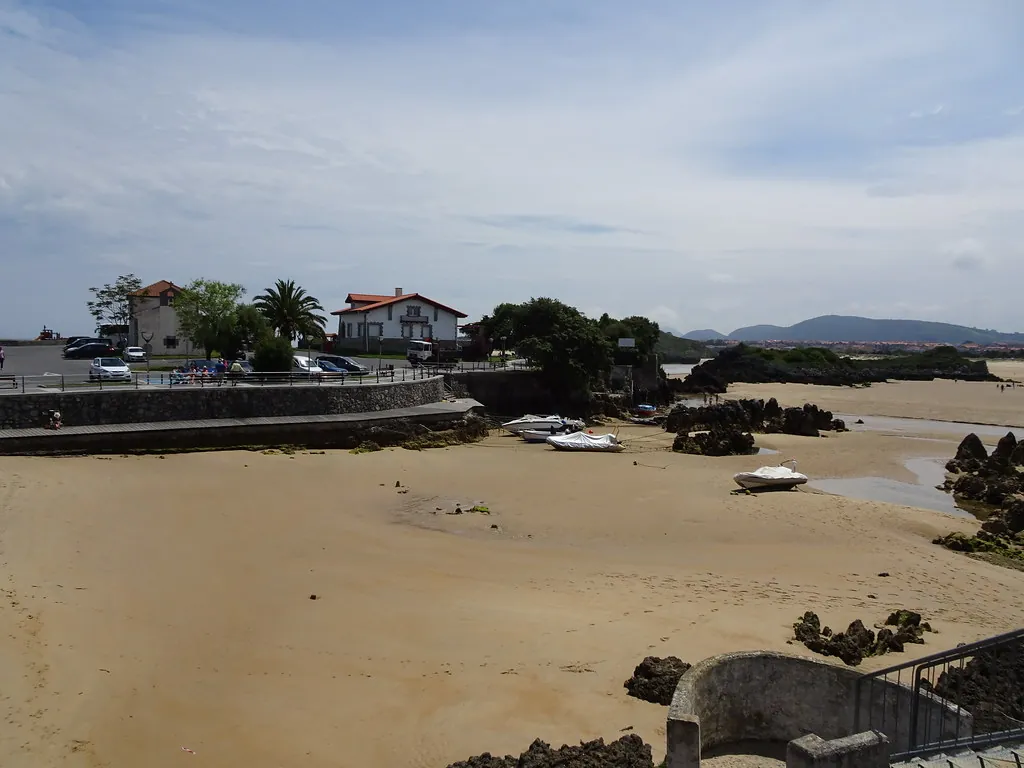
The town beach, Playa San Martín, is handier but fickle: at high tide the sand entirely vanishes, leaving only a sluicing channel between harbour walls. Check tide tables online (search "mareas Santoña") or ask at the tourist office tucked beside the marina; at low water the same spot spreads into a sheltered scoop ideal for paddle-board beginners.
When the Atlantic turns rough—which it does with little warning—families hop the small passenger ferry to Laredo (€2.80, 20 min). On the opposite shore, a five-kilometre spit of firm sand guarantees space even in August, and the boat ride itself entertains kids who haven't yet learned that crossing an estuary by ferry is, for Britons, an everyday commute on the Fal River.
Anchovy Factories and Other Sacred Sites
You can't leave without confronting the anchovy again. Conservas Emilia and José Peña both open their filleting rooms to visitors, but you must book by WhatsApp a day ahead; tours run to roughly €8 and end, conveniently, in a shop. Watching a row of women de-bone 40 fish a minute is oddly hypnotic, like observing a piano virtuoso whose étude happens to smell of the sea. If you're travelling with teenagers, challenge them to try one straight from the tin—most convert on the spot.
Should fish fatigue set in, refuge lies two streets inland at Asador El Puerto, where chuletón for two (£28 pp) offers the rib-eye reassurance northern Spain does so well. Pair it with a bottle of cider from neighbouring Asturias; waiters pour the golden stream from shoulder height, frothing the liquid and mildly soaking the floor—another local sport worth filming for Instagram back home.
Getting There, Getting Round, Getting Stuck (Maybe)
Santander airport sits 45 minutes away by hire car; the single-track A-8 feeds you straight into town, though Saturday arrival means queueing at a lone roundabout that wasn't designed for modern SUVs. Trains run twice daily from Bilbao, terminating beside the fish-canning quarter—handy for supplies but perhaps too aromatic for sensitive noses first thing in the morning.
Once installed, forget the car. Santoña measures barely two kilometres end to end, and parking meters operate with Iberian efficiency: miss feeding the meter by ten minutes and a cheerful traffic warden appears waving a €60 ticket. Bring cash for small bars; several still write bills in biro and regard contactless as a passing fad. ATMs cluster around Plaza de Miguel Ángel, but empty on Sunday afternoon—fill pockets before the weekend starts.
When to Come, When to Stay Away
April–June and September–October deliver the best balance: mild air, migrating birds, lower prices, and cafés grateful for custom. July and August turn the seafront into a slow-motion parade of pushchairs and deckchairs; accommodation books up early, though even then a double room rarely tops €90, a reminder of how far the pound still stretches away from Spain's better-publicised costas.
Winter is wild rather than miserable: daytime 12 °C, empty beaches, and hotels offering third-night-free deals. Bring layers and a waterproof; Atlantic storms can be spectacular from the clifftop forts, but they also fell branches and occasionally close the lighthouse path. Check the ayuntamiento website ("Santoña avisos") the night before any hike.
Parting Shot
Santoña won't tick every box. Nightlife shuts down around 1 a.m., the high-street fashion offering is basically one Zara outlet, and if you can't stand the smell of fish you'll spend the weekend holding your breath. Yet for travellers who want their Spain working, weather-beaten and resolutely un-manicured, this Cantabrian wedge of sea, fort and marsh delivers an authenticity guidebooks promise but rarely provide. Come for the anchovies, stay for the wind-bashed cliffs, and leave before the tide swallows the town beach—timing, like everything here, is still dictated by the moon and the nets that clatter into harbour each dawn.