Full Article
about Camaleño
Gateway to the Picos de Europa
Hide article Read full article
Camaleño is a valley, not a town
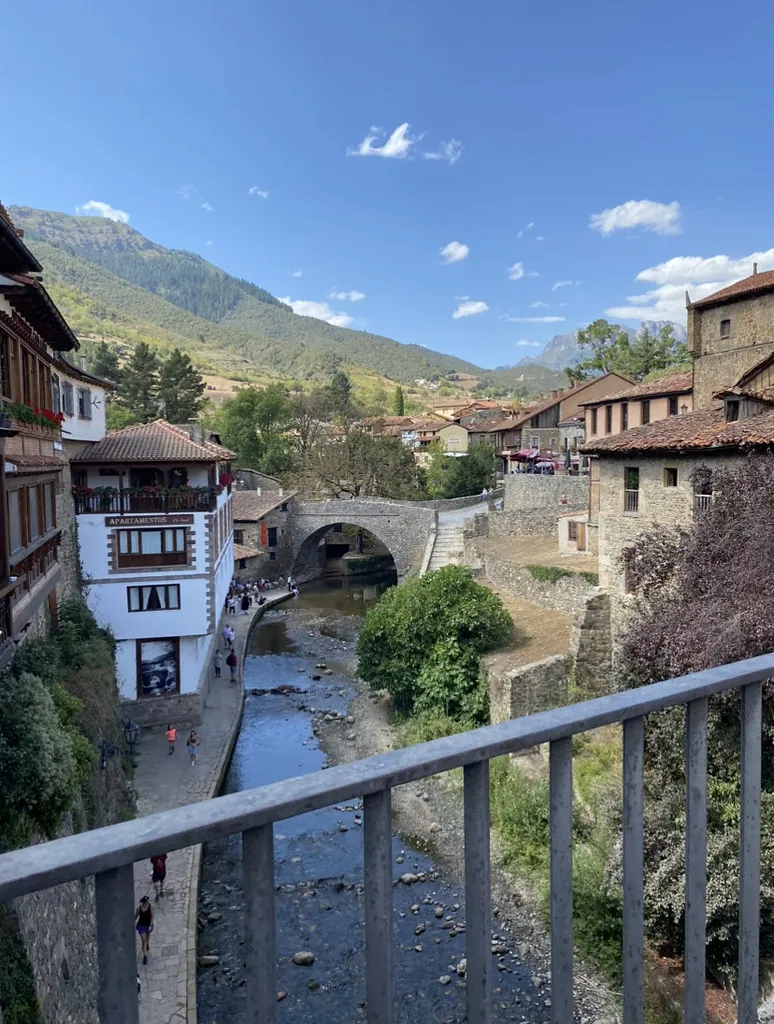
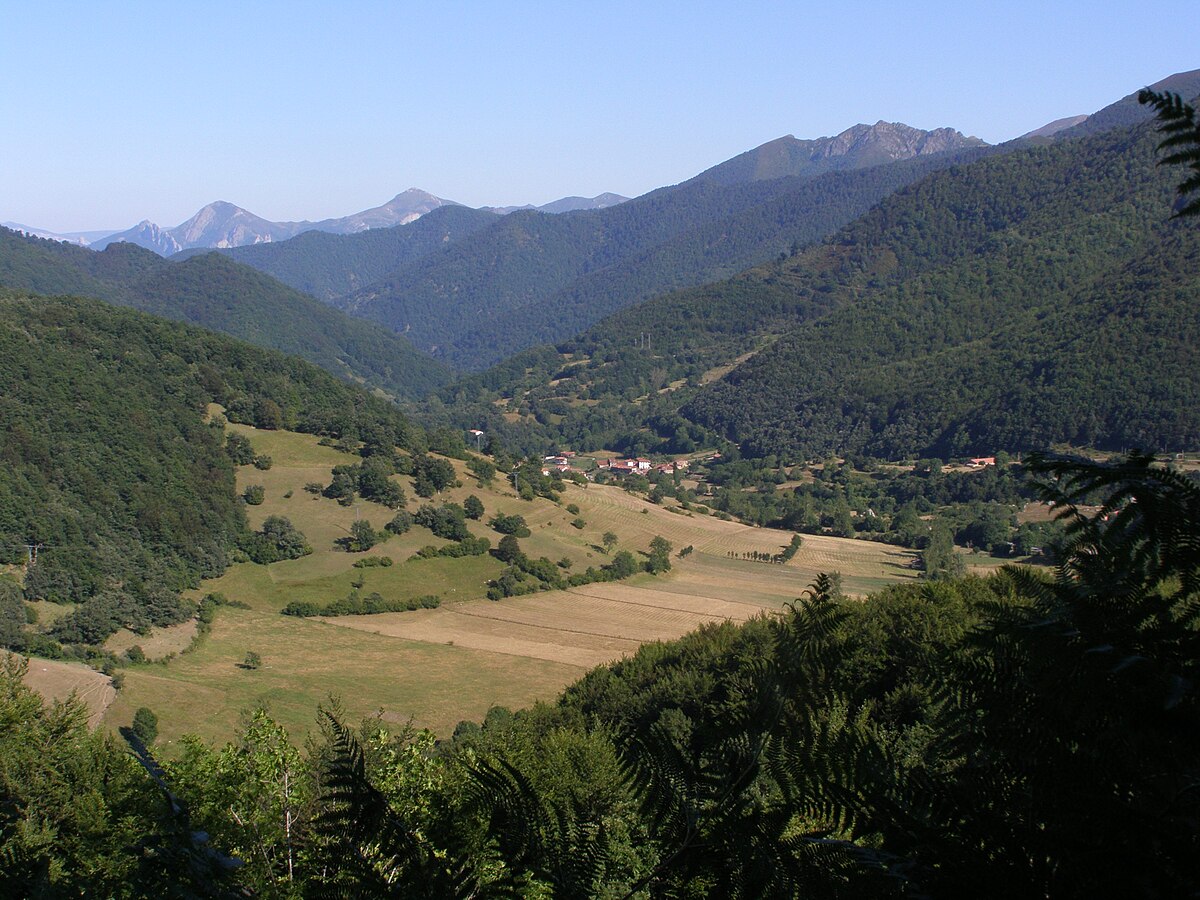
You know when you arrive somewhere and immediately look for the centre? The main square, the church, the cluster of streets where everything happens? Forget that here. Camaleño, in Liébana, doesn't have one. It’s a municipality made of scattered villages, connected by winding roads and meadows, all under the permanent watch of the Picos de Europa. The mountains are the real focal point, a constant backdrop that makes everything else feel small and spread out.
This means your visit works differently. You don’t park and stroll. You drive a bit, stop at a village, walk around it, then get back in the car. It feels disjointed at first, but after a while you realize that’s just how the valley is lived in. The landscape calls the shots.
Mogrovejo and the art of lingering
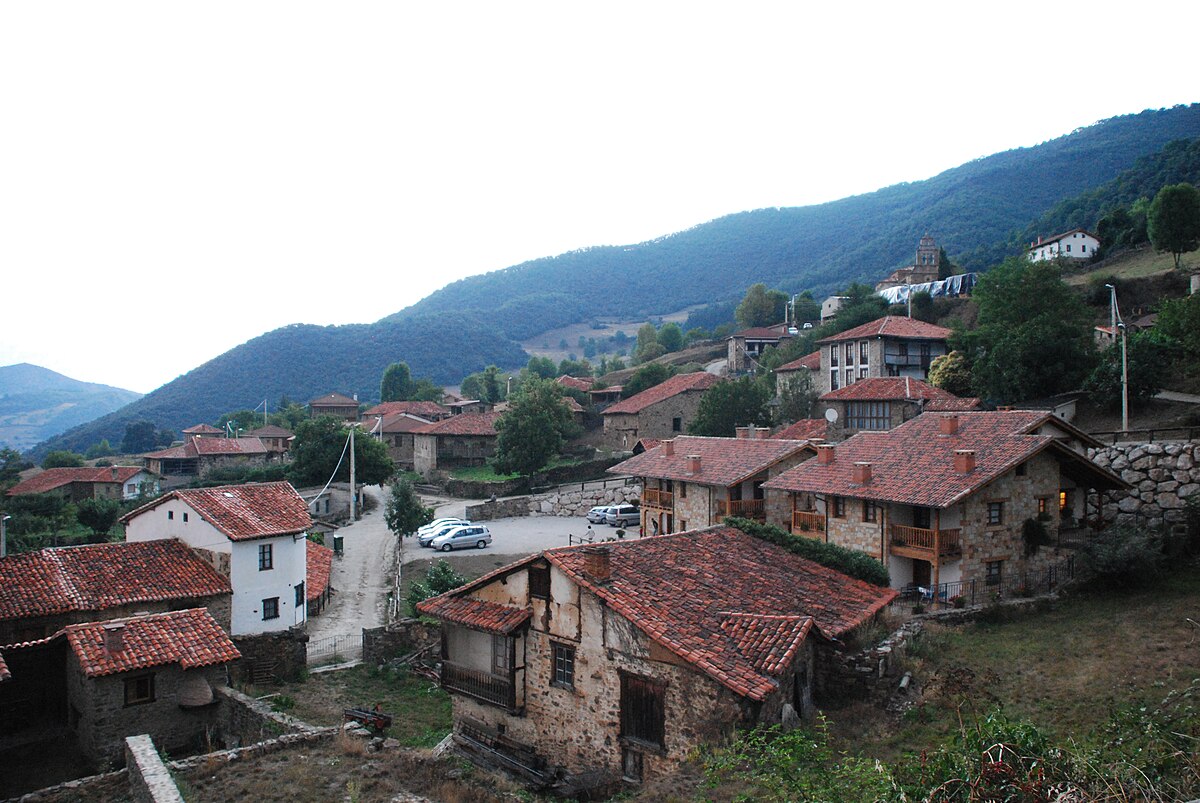
Most people start with Mogrovejo. It’s not big—you can see its limits from almost any point—but it has a knack for making you slow down.
The stone houses with their wooden balconies are in good shape, lived-in but cared for. And then there’s the tower. It pops up among the rooftops like a stubborn reminder of an older story, something about knights and forgotten borders they don’t bother explaining on plaques. You don’t need a map here. The logical thing is to amble to the edge of the village and just stand there, looking out at the patchwork of fields and other hamlets across the way.
Come evening, the place empties of daytime visitors and something else takes over. The light drags long shadows from the mountainside and a deep quiet rolls in, the kind you only get in small mountain settlements where everyone’s indoors by dark. It’s in that hour you get a clearer picture of what this place actually is.
Fuente Dé: A shortcut to another world
Then you have Fuente Dé, sitting in the same municipality but playing a totally different game. This is where you trade the valley for the high peaks via a cable car that feels less like transport and more like a portal.
Down below it’s all green slopes and beeches. Up top? Rock, wind, and a sheer scale that makes you feel like you’ve been dropped onto another planet. The transition is so fast it can leave you disoriented.
My advice? Go early or go late. Midday in summer can feel like waiting for a theme park ride. And pack a fleece even if it's sunny down in Camaleño—up there the weather has its own ideas and they change fast.
Walking where you can
You should walk here, but choose your level. From Fuente Dé, paths head up into Áliva and beyond into serious mountain terrain. These are proper hikes with real climbs; come prepared with good shoes and water. For something gentler, try connecting villages like Espinama or Cosgaya on foot through meadows dotted with grazing cows or horses. You might hear someone suggest popping over to do part of Ruta del Cares "since you're nearby." Don't fall for it. That's a separate expedition requiring its own planning especially regarding parking which is famously tight in season. The food here makes sense after being outside all day: stews beans game. It's hearty fuel not delicate cuisine.
A rhythm tied to seasons
Life in these villages still moves to an agricultural calendar. You see it in small things: tractors on narrow roads hay bales stacked neatly conversations about moving cattle up to summer pastures or bringing them down before winter sets in. In Espinama they hold their main fiesta for Virgen de las Nieves around early August. If your visit coincides expect music smoke from grills maybe some impromptu dancing in street otherwise you'll just see signs saying they're getting ready or just finished cleaning up afterwards either way gives you clue about local pulse
If you only have one day
Here's what I'd do without overcomplicating it: Start at Mogrovejo walk every lane take your time Then drive up towards Fuente Dé Even if you skip cable car ride seeing glacial cirque from base car park gives enough sense drama Distances are deceptive roads twist so give yourself time between stops Pack that jacket seriously And water In smaller villages park on outskirts before streets become too narrow for two cars pass Late spring through early autumn is when valley looks its best paths are driest Outside that window snow rain mud become factors turning simple stroll into committed trek This isn't place where forecast can be ignored