Full Article
about Cillorigo de Liébana
Dramatic gateway into Liébana
Ocultar artículo Leer artículo completo
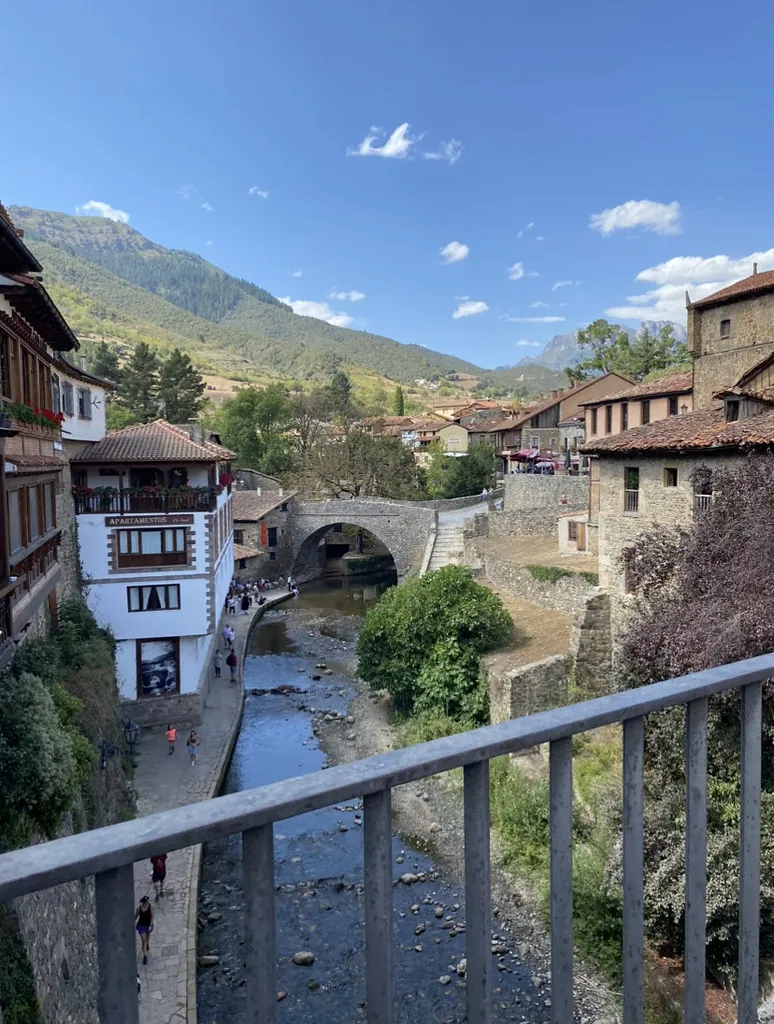
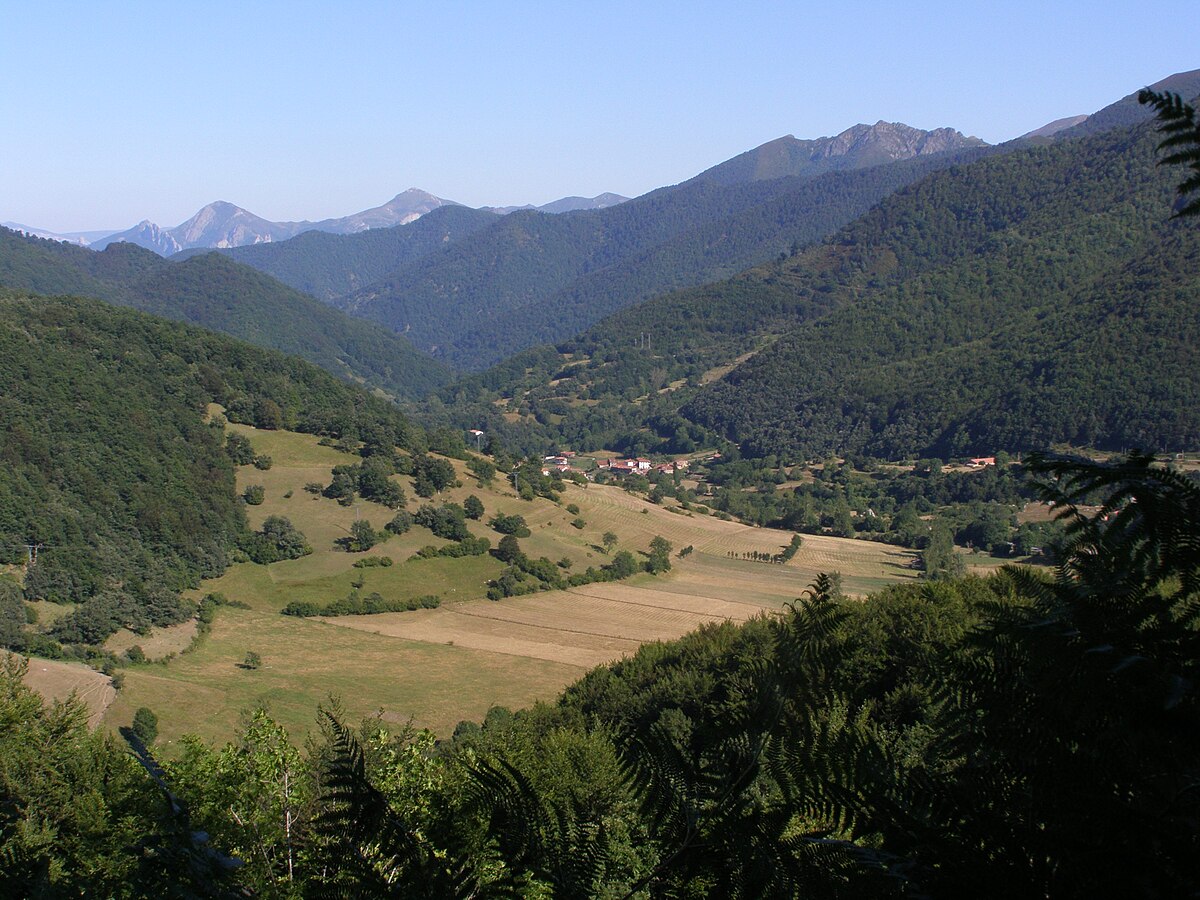
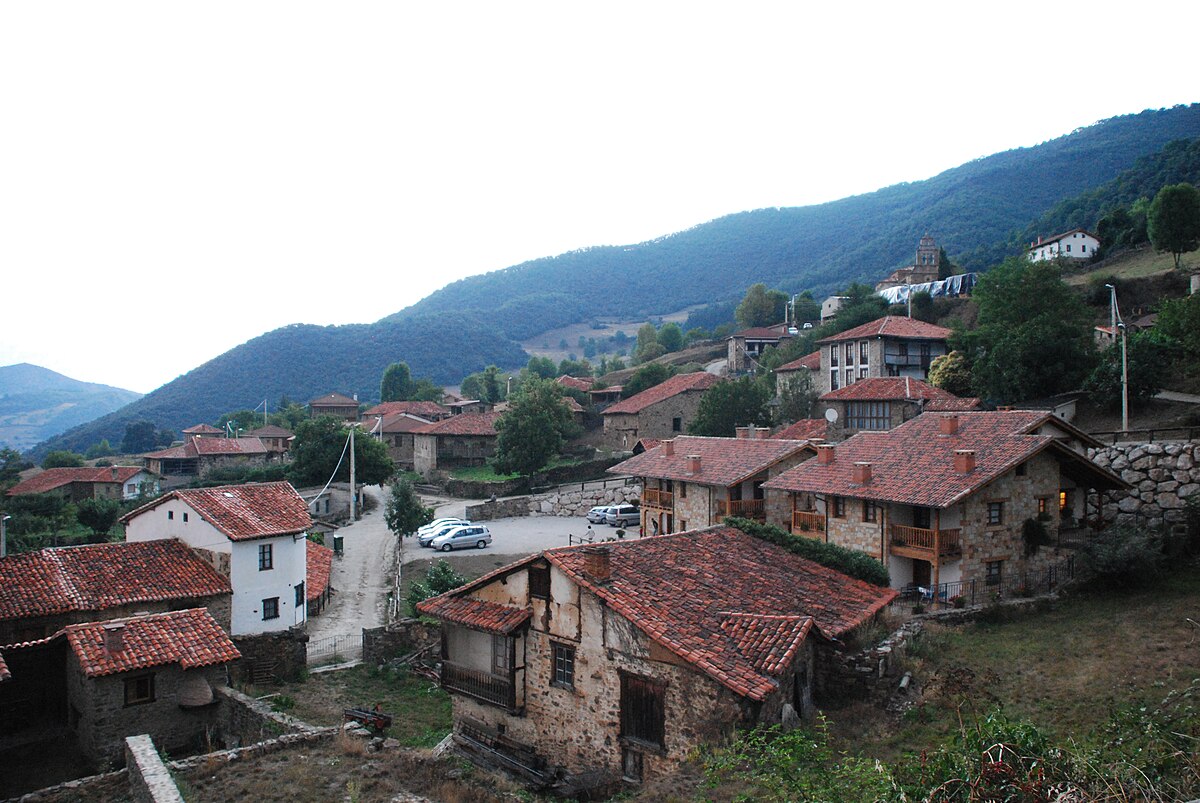
The road leaves the N-621 at Potes, climbs 150 m and suddenly the Picos de Europa feel close enough to touch. To the left, hay meadows glow an improbable green; to the right, a stone granary on stilts keeps last year’s chestnuts off the ground. You have entered Cillorigo de Liébana, a municipality that is less a village than a loose federation of hamlets scattered across the southern flank of Cantabria. Tama, Frama, Cabañes, Pendes—none has more than a handful of houses, yet together they add up to one of the most satisfyingly unvarnished corners of northern Spain.
High ground, slow clock
At 600–900 m above sea level, Cillorigo sits high enough to escape the humid Cantabrian coast yet low enough to keep its winters civilised. April can be T-shirt warm while Santander shivers under drizzle; September mornings smell of wood smoke and wet slate. The altitude also means the light is sharp: shadows fall hard across slate roofs, and every stone wall seems etched. Bring layers—by the time you’ve walked the 3 km lane from Tama to the abandoned chapel above Pendes, a “harmless” cloud can turn into a cold mist that makes fleece feel like a good idea.
The landscape is worked, not curated. Locals still scythe hay by hand, stack it on tripods of chestnut poles and move cattle up to summer pastures at 1,200 m. You will hear tractors at seven in the morning and dogs whose job is to keep foxes out of chicken coops, not to pose for Instagram. Accept the soundtrack and you get something increasingly rare in Europe: a mountain district whose economy is agriculture first, tourism second.
Walking without way-markers
Forget themed routes with colour-coded arrows. Here, footpaths are the same tracks farmers use to reach their fields. A typical outing starts in Tama’s tiny plaza, passes the 18th-century church of San Julián, then follows a stone-walled lane uphill. Ten minutes later Cabañes appears—six houses, a threshing circle, an orchard where apples rot because there are more than anyone can eat. Keep climbing and you reach a col where the valley of the Deva suddenly opens like a map. No ticket office, no interpretation board, just a wooden bench paid for by the neighbours.
If you want height, the trail to Monte Viorna (1,421 m) begins at the end of a concrete track above Frama. Allow three hours up, two down, and start early: clouds build by lunchtime and the path is simply a line of cairns across limestone scree. A simpler half-day loop links Pendes to Ojedo through chestnut woods, dropping back to Tama on the old mule track. Total distance: 7 km; total effort: moderate; total people met: probably zero.
Food that knows the weather
Cillorigo has no restaurants in the Michelin sense. What it has are two bar-bakeries in Tama where the menu depends on what the owner cooked for family lunch. Expect cocido lebaniego, a thick chickpea and cabbage stew that tastes better after damp mountain air; ask for it sin morcilla if black pudding isn’t your thing. Cheese comes from a dairy ten minutes away—mild, creamy, closer to Cheddar than to Manchego. Finish with quesada pasiega, a lemon-scented cheesecake that slips down with a glass of orujo de Liébana served from the freezer. Price for the full spread: about €16 if you count in the coffee and digestive.
Shopping is similarly low-key. A tiny colmado in Tama sells tinned tuna, local chorizo and whatever vegetables the owner’s cousin grew that week. For anything fancier, Potes—15 minutes by car—has two small supermarkets and a Saturday market where you can stock up on chestnut honey and mountain paprika. Fill the tank while you’re there; the only petrol closer than Unquera is an unmanned pump in Camaleño that closes at lunchtime.
When to come, when to stay away
Late April to mid-June is hard to beat: meadows neon-green, orchards in blossom, daylight until nine. October brings copper-coloured chestnut woods and the scent of freshly split oak. Both seasons tempt walkers who know the Picos can be snow-hammered until May and fog-sealed by November, yet here you often walk in sunshine. Summer is reliable too, but the Liébana valley fills with Spanish families and the road into Potes crawls with motorhomes. Winter is quiet—gloriously so—but days are short and a dusting of snow can make the last kilometre to your rental cottage interesting. Snow chains are not optional gear from December to March.
The practical grit
You need wheels. The FEVE railway reaches Unquera on the coast, 35 km away, but buses up the valley are sporadic and stop running before 19:00. A hire car from Santander airport takes 1 h 45 min on a good day; add 30 min if you meet a cattle lorry on the bends. Phone signal dies in every third valley; download offline maps before you set off. Cash is king—many bars still hand-write receipts because the card machine is “mañana”. Finally, read your booking confirmation carefully: “Cillorigo” covers 38 km² of mountains. A cottage listed as “10 minutes from Potes” can mean 10 minutes on a concrete track that Google classes as a footpath. If you’re nervous on single-track roads, request something in Tama itself; the hamlet is big enough to have streetlights, small enough that everyone knows whose car is whose.
Parting shot
Cillorigo will not change your life. It offers no selfie-moment cathedral, no boutique hotels, no cocktail bars shaking gintonics at midnight. What it does offer is the sensation that Spain has paused, looked over its shoulder at the 21st century and decided to keep walking uphill with a stick and a dog. Come prepared to move slowly, to nod at farmers who will nod back, and to reach your car smelling of wood smoke and wild mint. Then drive down the valley knowing that tomorrow the same meadow will be cut, the same chimney will smoke, and the mountains will still be close enough to touch—whether you are there to see them or not.