Potes - Flickr
marromsan4 · Flickr 5
Cantabria · Infinite

Potes

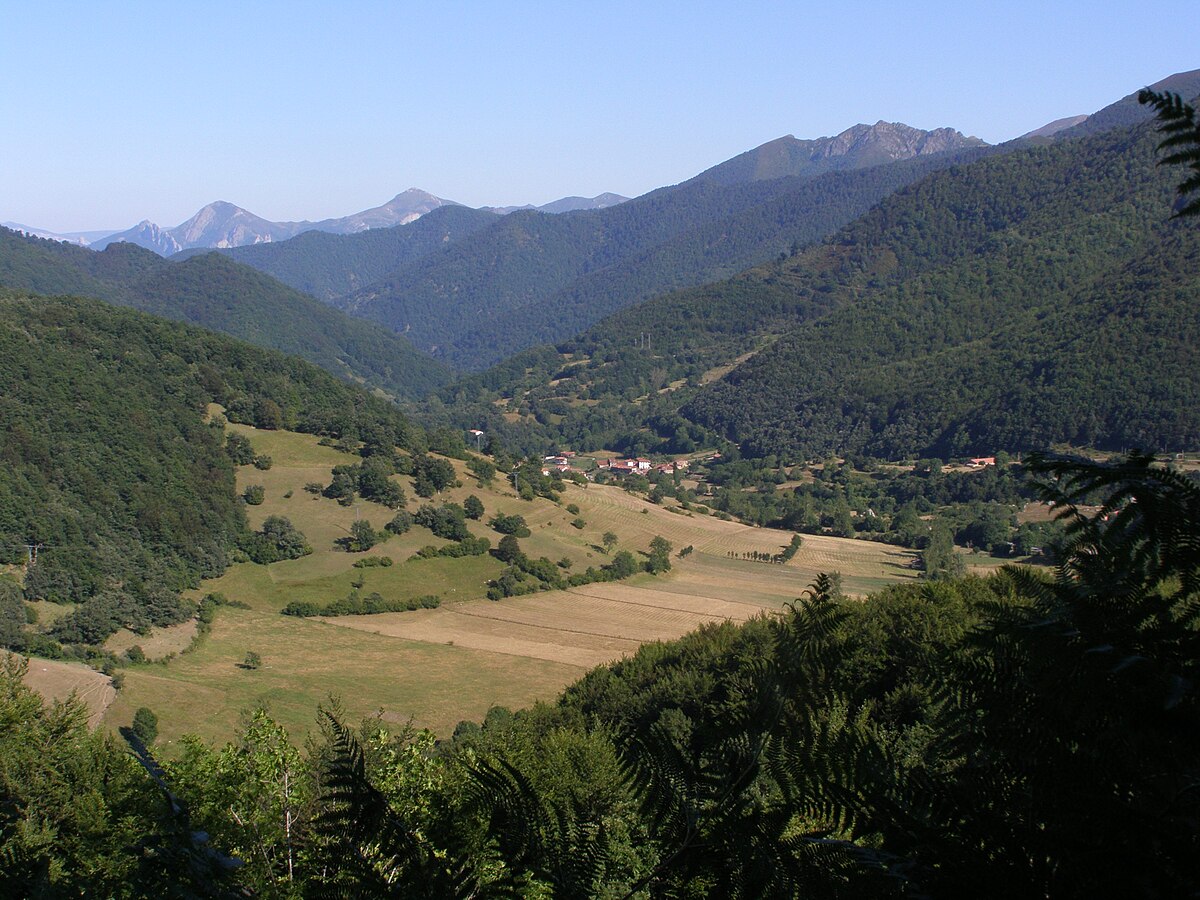
The first sight of Potes arrives long before you reach the village. The road from the coast corkscrews through the **La Hermida Gorge**, a 15-mile ...

1,323 inhabitants · INE 2025
290m Altitude

Why Visit

Mountain Infantado Tower Gastronomy

Best Time to Visit

summer

La Santuca Abril

Things to See & Do
in Potes

Heritage

  • Infantado Tower
  • historic quarter

Activities

  • Gastronomy
  • Picos de Europa

Festivals
& & Traditions

Fecha Abril

La Santuca, Exaltación de la Cruz

Las fiestas locales son el momento perfecto para vivir la autenticidad de Potes.

Full Article
about Potes

Capital of Liébana

Ocultar artículo Leer artículo completo

The first sight of Potes arrives long before you reach the village. The road from the coast corkscrews through the La Hermida Gorge, a 15-mile cleft in the limestone where vultures wheel overhead and the Deva River glints 200 metres below. By the time the valley widens and stone houses appear, you’ve already dropped from sea-level Santander to 300 m above it—low enough for figs to ripen, high enough for the air to smell of chestnut woodsmoke in October.

Potes sits at the confluence of the Deva and its smaller cousin, the Quiviesa. That meeting point once made money for medieval bridge-toll collectors; today it makes a convenient base for walkers who want Picos drama without Picos weather. The village itself is compact—barely a dozen lanes—yet it carries the title capital práctica of Liébana. Translation: this is where you’ll find a working pharmacy on a Sunday, a baker who opens before seven, and someone who can sell you a replacement boot lace when the Cares trail eats yours alive.

Stone, Water and the Smell of Orujo

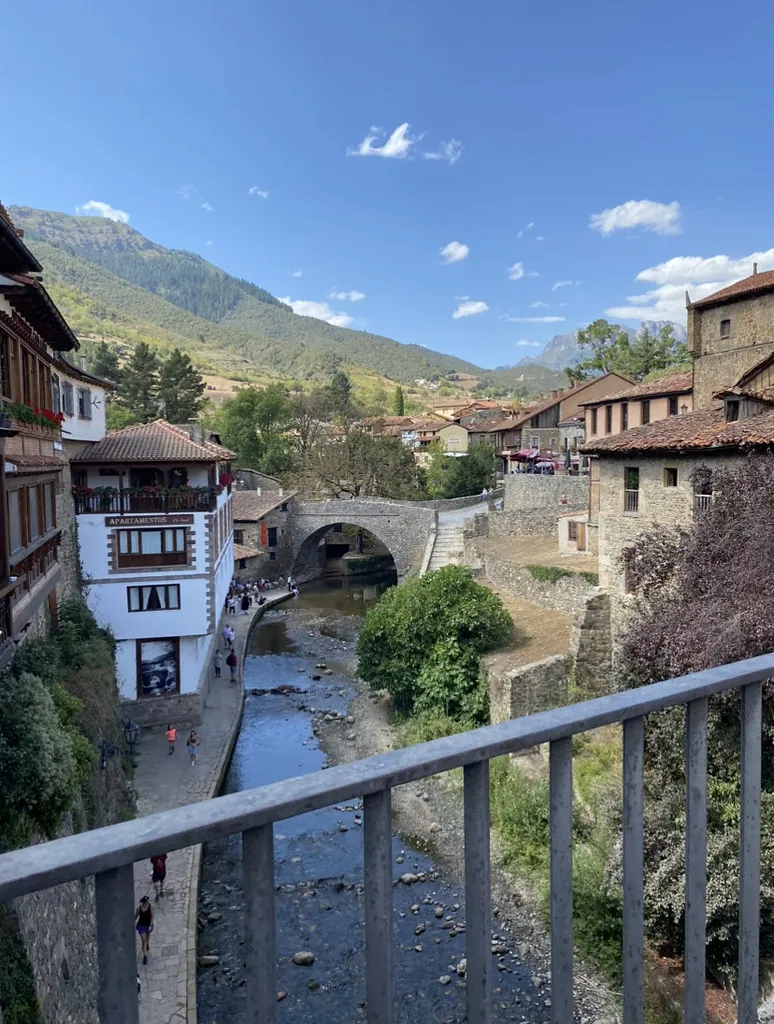
Start at the Puente de San Cayetano, the 14th-century bridge everyone photographs. Stand on its single arch at 8 a.m. and you’ll share the view with delivery vans and retired locals walking small dogs. Return at noon and the same spot becomes a slow-moving queue of selfie sticks and rucksacks the size of washing machines. The trick is to cross, turn left into Calle del Sol, and keep going until the lane narrows to should-width. Here, balconies sag under geraniums and the only traffic is the occasional cat. The stone is warm even in March; by July it radiates heat like a storage radiator, which explains why shops shut between two and four.

Above the roofs rises the Torre del Infantado, a square 15th-century keep that now houses the town hall and a small interpretation room (open Tuesday-Sunday, free entry). Climb the spiral—stone worn into shallow bowls by centuries of feet—and you’ll see the logic of the place: four valleys fan out like the points of a compass, and every road still funnels through Potes. The tower’s machicolations aren’t just for show; they once poured boiling oil on whoever disputed the toll.

Opposite, the Torre de Orejón de Lama is easier to miss. Its walls are part of a private house, the ground floor a chemist. Ask inside and the pharmacist will point to a section of Romanesque masonry now propping up boxes of plasters. History here is repurposed, not cordoned off.

Market Day and the Orujo Hangover

Monday is market day, though “market” is generous. Eight stalls line the car park by the river: one greengrocer, one van selling cured cecina, one knife-grinder who also repairs umbrellas. Buy peaches for the walk, skip the polyester socks. The real event arrives the first weekend of November, when the Fiesta del Orujo turns the village into an open-air distillery. Locals haul copper stills into the square, and plastic shot glasses of the fiery grape spirit are handed out free. By 11 p.m. someone always tries to dance the jota on the bridge; by 2 a.m. the same bridge is a good place to lose your phone.

If you prefer your alcohol in more measured doses, Bar El Rincón on Calle Cerrajería keeps 12 home-made versions—honey, herb, coffee, even one flavoured with tejocote apple. A cata of three costs €4 and comes with a slab of fresh cheese that cuts the burn.

Walking Out, Not Just Through

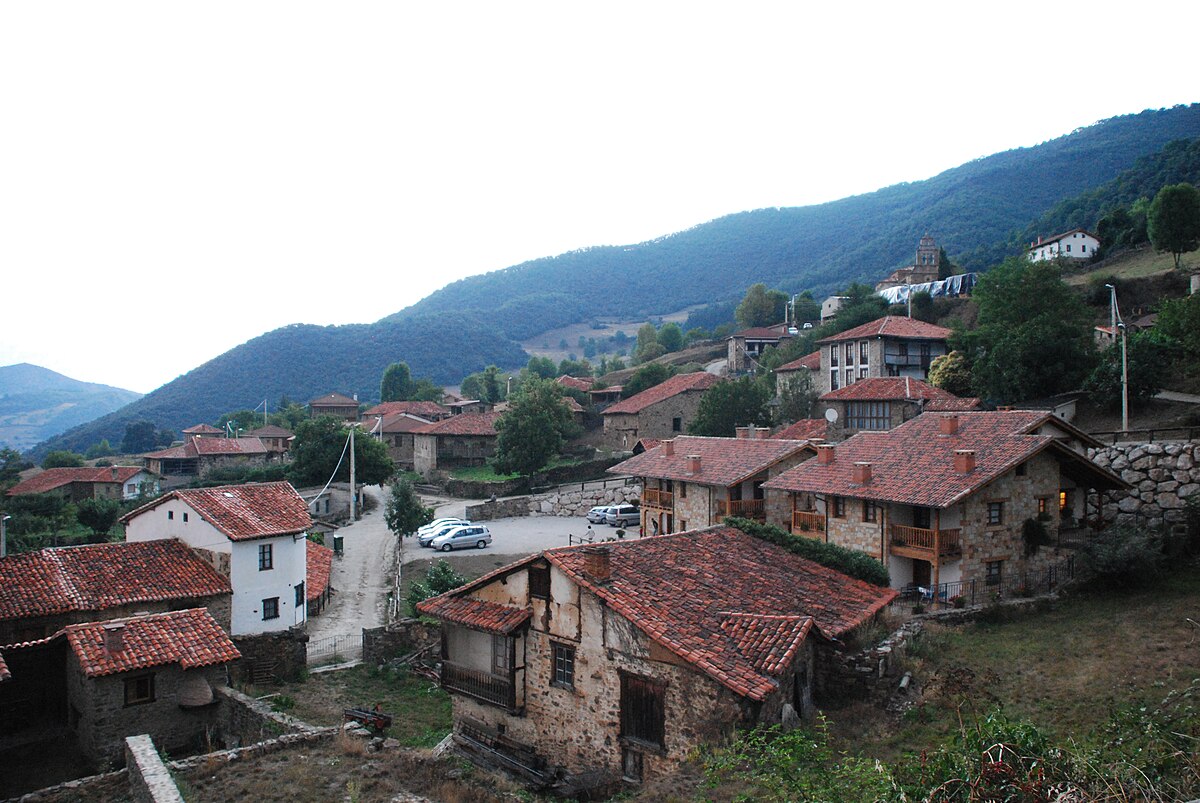
Potes is a staging post, not a destination, and the best walks start by ignoring the centre. Follow the Quiviesa upstream on the PR-PNPE 24 and within 20 minutes you’re between kitchen gardens and cow sheds, the only sound wagtails on the stones. After 4 km the path climbs to Tama, a hamlet of 12 houses where the bar opens only at weekends and the church key hangs on a nail by the door. Total ascent: 280 m. Time: 90 minutes up, 45 down. Difficulty: enough to justify the churros.

For something bigger, drive 25 km to Fuente Dé and ride the cable car (€11 return, book online before 9 a.m. in August). The cabins climb 750 m in four minutes, popping you onto a karst plateau where the temperature can be 10 °C cooler. Turn right for the cliff-edge balcony and a view of Potes as a cluster of peppercorn roofs 1,000 m below. Turn left for a 9 km traverse to Áliva refuge and a beer served by a barman who hauled the barrels up by donkey. Either way, be off the summit by 2 p.m.—Picos storms arrive faster than you can say “waterproof”.

What to Eat, When to Eat

Lunch starts at 1.30, dinner not before 9. Cocido lebaniego is the regional heavyweight: chickpeas, cabbage, black pudding and a side dish of the cooking broth poured over rice. Casa Cayo does the classic version for €14; they’ll split one portion if you ask nicely. Vegetarians get pisto (Spanish ratatouille) topped with a fried egg—acceptable once, repetitive twice. Dessert is quesada, a baked cheesecake made with mountain butter that tastes of the barn in the best possible way.

Budget tip: most bars offer a €10 menú del día Monday-Thursday. It won’t be on the English card; look for the chalkboard inside the door. Expect soup, pork shoulder and half a bottle of rough red—perfectly drinkable if you add the lemonade served alongside (calimocho is not just for students).

Getting Here, Staying Here

The nearest airport is Santander (1 h 30), served by Ryanair from Stansted and Bristol plus EasyJet from Gatwick. Hire a car: the last 40 km on the CA-185 and N-621 are spectacularly twisty, with stone overhangs that scrape roof boxes and guardrails that simply give up. Fill up in Unquera—the final 24-hour fuel stop. Coaches can’t enter the old town; free parking at Aparcamiento Sur is five minutes on foot and usually has spaces if you arrive before 11 a.m.

No car? ALSA runs three buses daily from Santander (2 h 15, €8.50). Sit on the right for gorge views, keep the paper bag provided—motion sickness is part of the experience.

Accommodation ranges from Hostal La Cabaña (doubles €55, heated towel rails, no lift) to Hotel Villa de Potes with a rooftop hot tub overlooking the tower. August books up early; April and October give empty trails and hoteliers who remember your name.

What Nobody Posts

Potes can be “done” in half a day of strolling, but that misses the point. Stay overnight, wait for the coach parties to leave at 6 p.m., and the village resets to its default rhythm: old men comparing walking sticks outside the chemist, the smell of river damp rising between stones, church bells that still mark the agricultural day. Come in July and the heat can feel trapped by the gorge; come in January and the same walls funnel a wind that slices straight through fleece. Snow is rare in the centre but 30 minutes up any side valley you’ll need chains.

And those Instagram geraniums? They’re watered daily because the sun disappears behind the mountain at 4 p.m. even in June. Plan your photographs—or your tan—accordingly.

Leave time for the Monastery of Santo Toribio, 3 km up the road. The Longinus cross fragment kept here earned the building the same indulgences as Santiago de Compostela, but the real draw is the 8th-century scriptorium where the Beatus of Liébana was illustrated. Entrance is free; silence is requested and usually observed. Light a candle for €1 and the monk on duty will thank you in the same breath he uses to ask where you walked.

Head back to the coast as the sun climbs out of the gorge. The road that terrified you on the way in now feels like a favourite track: each bend predicted, each waterfall noted. Below, Potes shrinks to a smudge of terracotta between two silver threads. By the time the sea appears you’ll have planned the next trip—this time with sturdier boots and a second memory card.

Key Facts

Region
Cantabria
District
Liébana
INE Code
39055
Coast
No
Mountain
Yes
Season
summer

Livability & Services

Key data for living or remote work

2024
ConnectivityFiber + 5G
HealthcareHealth center
EducationHigh school & elementary
Housing~5€/m² rent · Affordable
January Climate7.1°C avg
Sources: INE, CNMC, Ministry of Health, AEMET

Official Data

Institutional records and open data (when available).

  • Iglesia gótica de San Vicente
    bic Monumento ~0.6 km
  • Villa de Potes
    bic Conjunto Histórico ~0.5 km

Planning Your Visit?

Discover more villages in the Liébana.

View full region →

More villages in Liébana

Traveler Reviews