Full Article
about Tresviso
The most remote village
Ocultar artículo Leer artículo completo
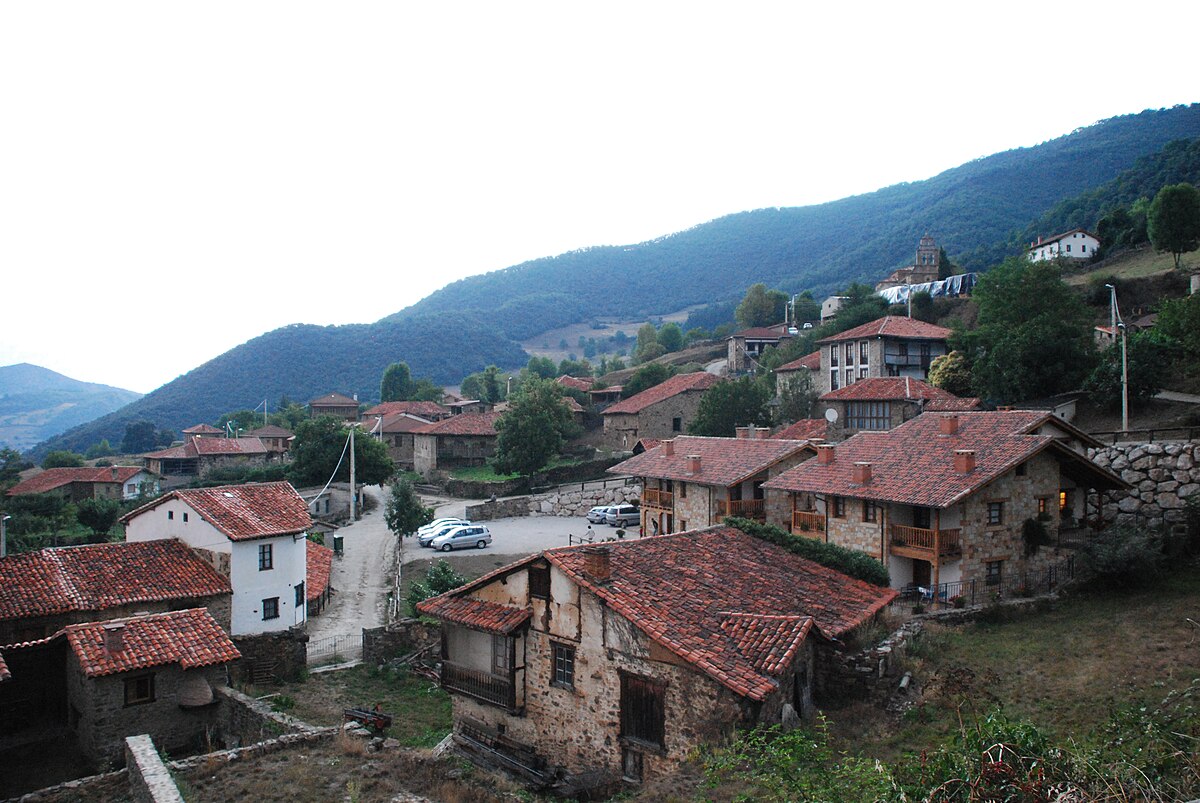
The tarmac stops climbing 1,100 m above the Urdón gorge, and the only thing left is stone, sky and the smell of cows. Twenty-five stone houses, a church tower that doubles as the mobile-phone mast, and a bar whose door is wedged open with a breeze block: this is Tresviso, the last village in Cantabria before the limestone wall of the Picos de Europa folds into Asturias.
Until 1983 you walked here. The road—single-track, no passing places, mirrors retracted—arrived four decades ago; asphalt only reached the summit in 2010. Locals still talk about the winter of 2021 when three metres of snow blocked the pass and the Guardia Civil dropped fodder by helicopter. The village absorbed the drama without fuss; it has been absorbing things for centuries.
Driving up from the bridge at Urdón takes twenty-five minutes of second-gear hairpins. Pull in at the mirador halfway and the gorge drops 500 m straight beneath your boots—enough to make even a confident driver sweat. If heights aren’t your thing, park at the bottom and walk the old path (PR-S107). It’s three hours of steady ascent on loose limestone; take water because the river is no longer reachable once the path climbs the cliff. The descent is tougher on knees than lungs, especially after rain when the stone turns to marble soap.
At the top the village reveals itself slowly. Stone lanes barely two metres wide funnel you between barns still used for cattle. Tractors with hay bales squeeze past; nobody hurries. The church of Nuestra Señora de la Asunción stands in the only scrap of flat ground—step inside and the air smells of incense and cowhide, a combination you don’t find in cathedral cities.
Seventy people live here year-round, fifty-six on the electoral roll. Numbers swell at weekends when Spanish families and British cavers arrive. The Tresviso Caves Project—run by Sheffield potholers—has mapped 70 km of shafts beneath the village. They rent the old schoolhouse, drink in El Tío Pablo and leave ropes coiled like garden hoses outside houses. Nobody bats an eyelid.
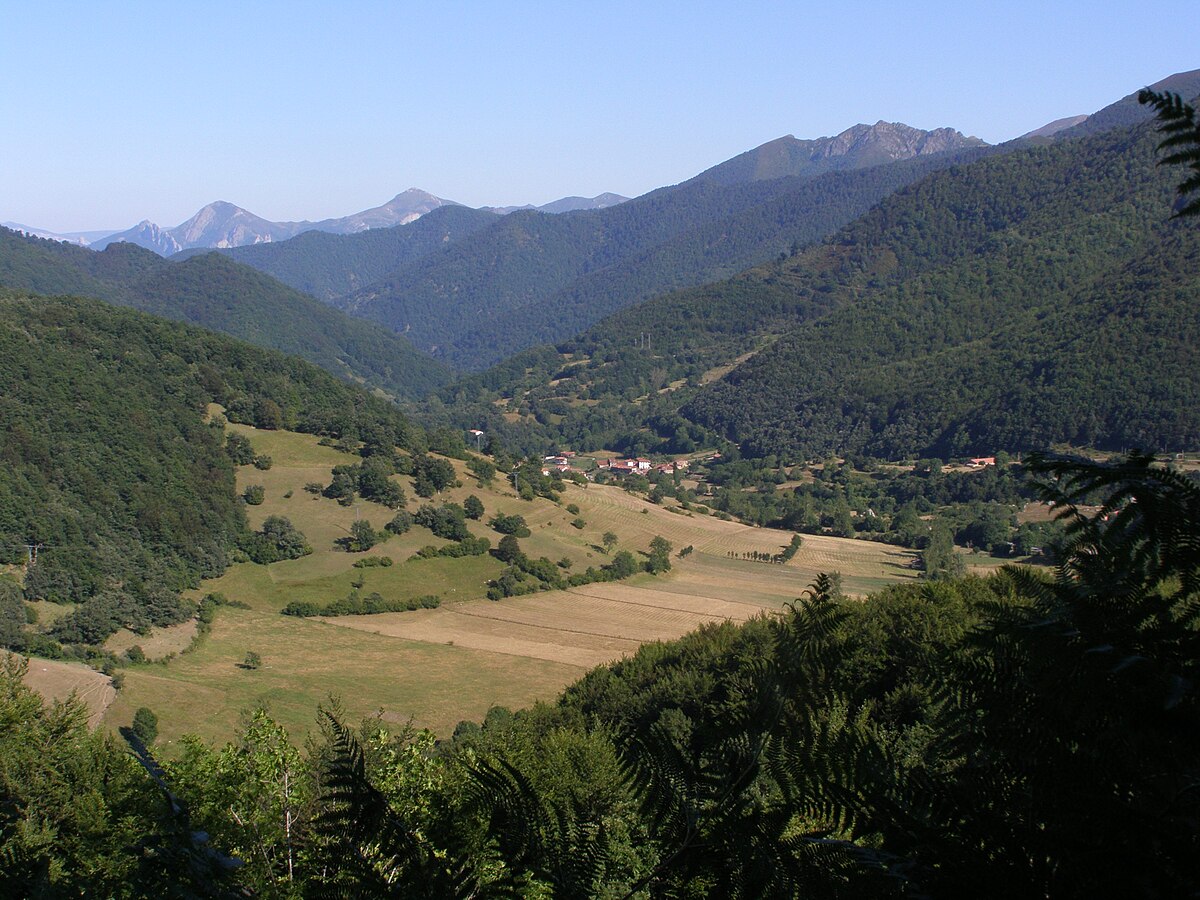
What to do? Start by circling the village edge. Within two minutes the ground falls away and the whole Liébana valley opens westward. On clear days you can pick out the cable car at Fuente Dé, thirty kilometres distant. On cloudy days you stand above a white ocean with only goat bells for company. Both versions are worth the petrol.
Walkers have two choices. The gentle option loops across cow meadows to the abandoned hamlet of Aliva, two hours there and back with 250 m of ascent—picnic territory. The serious option drops back to Urdón, then continues downstream along the Cares gorge, but that’s a full day and you’ll need to leave a car at the bottom. Whichever you pick, start early; Picos weather flips at lunchtime. A June morning can begin in T-shirt sunshine and finish in sideways hail.
Food is simple and local. Queso Picón de Tresviso carries a D.O. label and ripens in caves at 1,200 m where the temperature never rises above 8 °C. The result is a blue veined through like marble, creamier than Stilton and twice as pungent. The bar sells 250 g wedges for €6—buy before midday because weekend hikers clear the shelf. If you prefer something milder, ask for the semi-curado; locals eat it with quince paste and a glass of rough red that costs €2 a throw. Breakfast is toasted pan de leña, the closest Spanish flour comes to a British farmhouse loaf, served with butter and mountain honey that sets like fudge.
El Tío Pablo keeps irregular hours. If the door is shut, knock—Pablo is probably round the back feeding hens. The menu is short: pork stew thick enough to stand a spoon in, chorizo grilled until it splits, chips cut from potatoes that still carry soil. Vegetarians get scrambled eggs with wild mushrooms; vegans get the mushrooms on their own. Order the cider and you’ll be poured a 30 cm stream from shoulder height; catch it or wear it.
Practicalities. Fill the tank in Arenas de Cabrales or Poncebos—there’s no garage within 40 km. Bring cash; the bar’s card machine works only when the generator feels like it. Phone signal is patchy: Vodafone picks up a single bar if you stand beside the church wall, EE gives up entirely. Park in the signed clearing on the village edge; the lanes inside are tractor-width and turning circles don’t exist. If you arrive after 11 a.m. on a summer Sunday you’ll be reversing uphill past a queue of parked motorbikes—mid-week outside July and August you can hear a vole sneeze.
Winter is a different story. Snow can fall overnight in October and stay until April. The council grades the road, but ice lingers in the shadows. If the forecast mentions “cota 800 m” stay below or carry chains. When the pass closes the village simply waits; the cheese still matures, the cows still milk, the bar still opens at dusk because someone always fancies a game of cards.
Staying over means self-catering. Two cottages rent by the night—Casa Cuevas and Casa Alonso—both sleep four, both cost around €90. Heating is by wood-burner; bring slippers because stone floors suck warmth. Book through the village website (tresviso.es) and expect to pay a €20 cleaning deposit in cash left under the salt pot. There is no hotel, no campsite, no swimming pool. The nearest shower is the mountain stream, and it’s freezing even in August.
Tresviso does not deliver instant gratification. There is no souvenir shop, no interpretation centre, no zip-wire. What it offers is scale: the sense that you have reached the edge of something old and indifferent. Stand on the limestone lip at dusk when the swifts cut circles above the gorge and you understand why people stay—why the cheese-maker refuses to move his caves closer to the road, why the last dairy farmer still climbs 400 m every dawn to check his herd. The mountain makes the rules; the village just abides by them.
Come for the cheese, come for the walk, come because you like places where the sat-nav gives up. Leave before nightfall unless you know the road, and take a wedge of Picón wrapped in chestnut leaves. It will stink out the car for three days, but back home one bite returns you to that high limestone shelf where Spain quietly stops.