Full Article
about Castañeda
A gem of Cantabrian Romanesque
Hide article Read full article
A Small Municipality at an Easy Pace
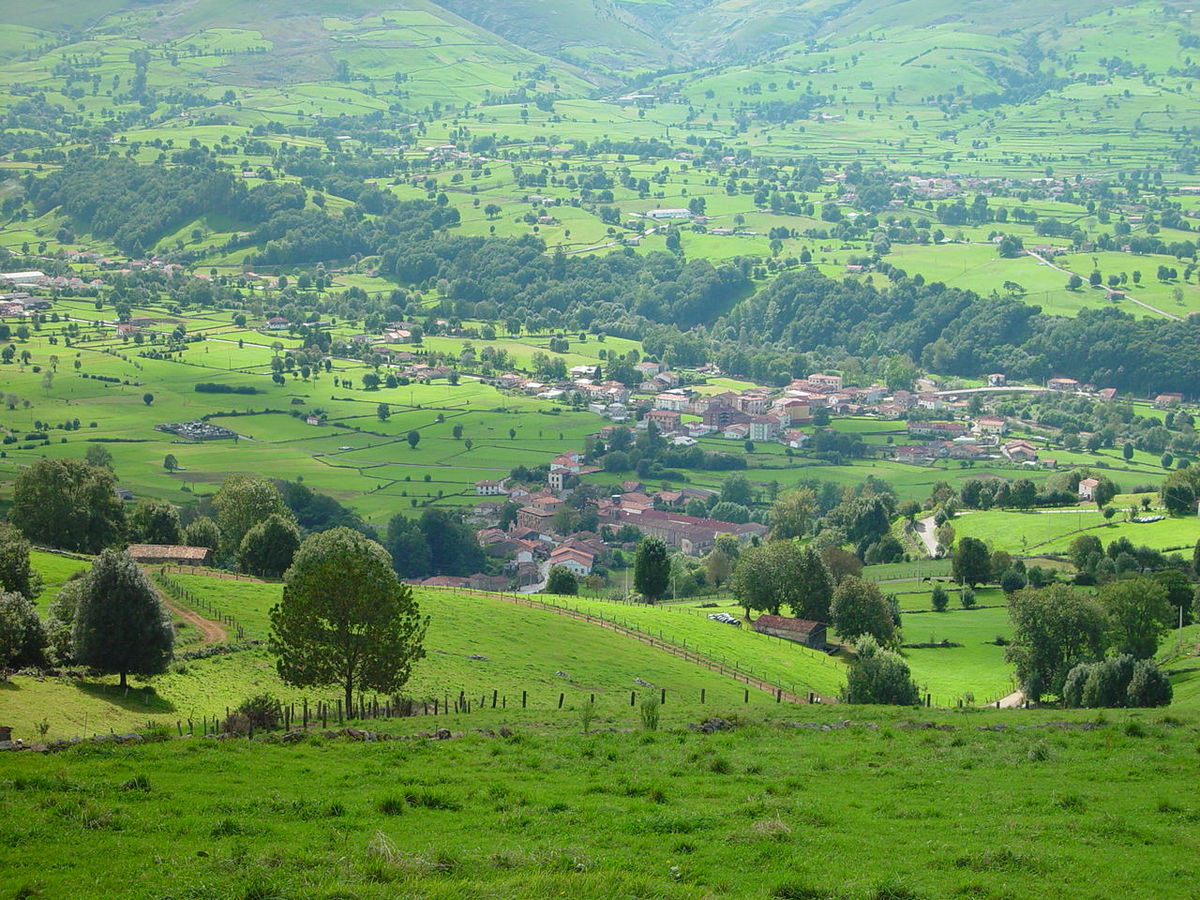
Castañeda keeps things simple. The most practical approach is to park in Pomaluengo or La Cueva and walk for a while. Distances are short, and most places sit just a few minutes apart by car. This is not a large municipality. It stretches across several small villages scattered along the Pisueña valley and has a population of around 3,000.
Anyone arriving with plans for a full day will likely find there is more than enough time to see everything without rushing. The scale encourages a slower rhythm, though the number of sights remains limited. It works best as a brief stop rather than a packed itinerary.
The Romanesque Collegiate Church
The clearest landmark in Castañeda is the colegiata de Santa Cruz, located in Socobio, slightly set back from the main road. It dates from the 12th century and follows a Romanesque style, with dark stone walls and small corbels beneath the eaves. The overall appearance is restrained, with little ornamentation.
Access is not guaranteed. The building does not stay open consistently, so a closed door often means simply walking around the exterior. Even so, it is worth a short stop. The structure is not large, but it remains well preserved, and the setting is quiet.
The surroundings reinforce that sense of calm. There is no heavy development around it, and the lack of crowds adds to the experience. A few minutes are enough to take it in properly before moving on.
Pomaluengo and La Cueva
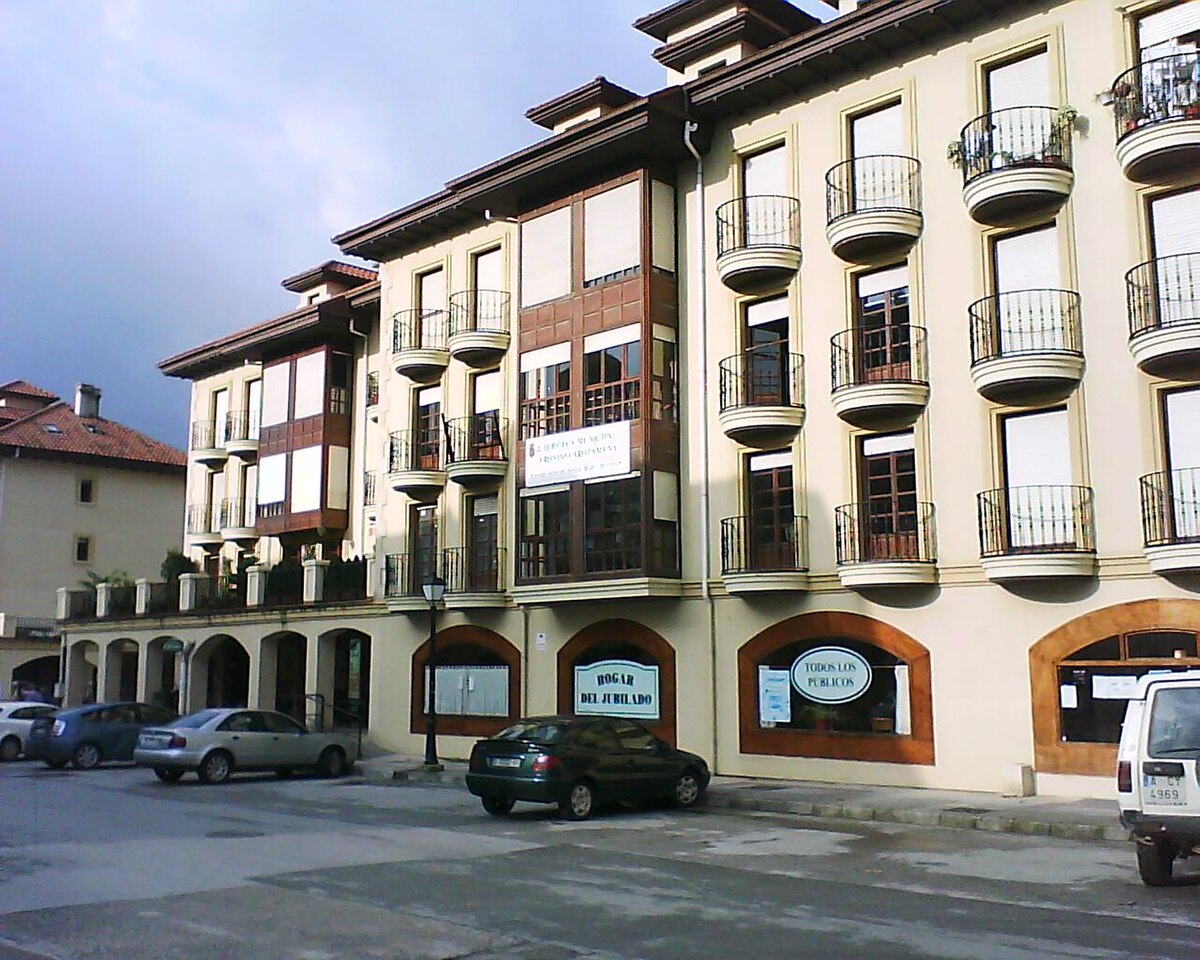
Pomaluengo acts as the administrative centre of the municipality. It holds the town hall, some banks and steady passing traffic. This is not a historic quarter or a place with notable architecture. A walk through it takes very little time and gives a straightforward impression of daily life in the area.
La Cueva sits just a few minutes away. It has a suburban train station and tends to feel livelier during the summer months. Many people pass through on their way to the Valles Pasiegos, which brings a bit more movement to the village.
Neither place aims to be a destination in itself. They function more as practical points within the municipality, useful for orientation and access rather than for extended visits.
Along the Pisueña Valley
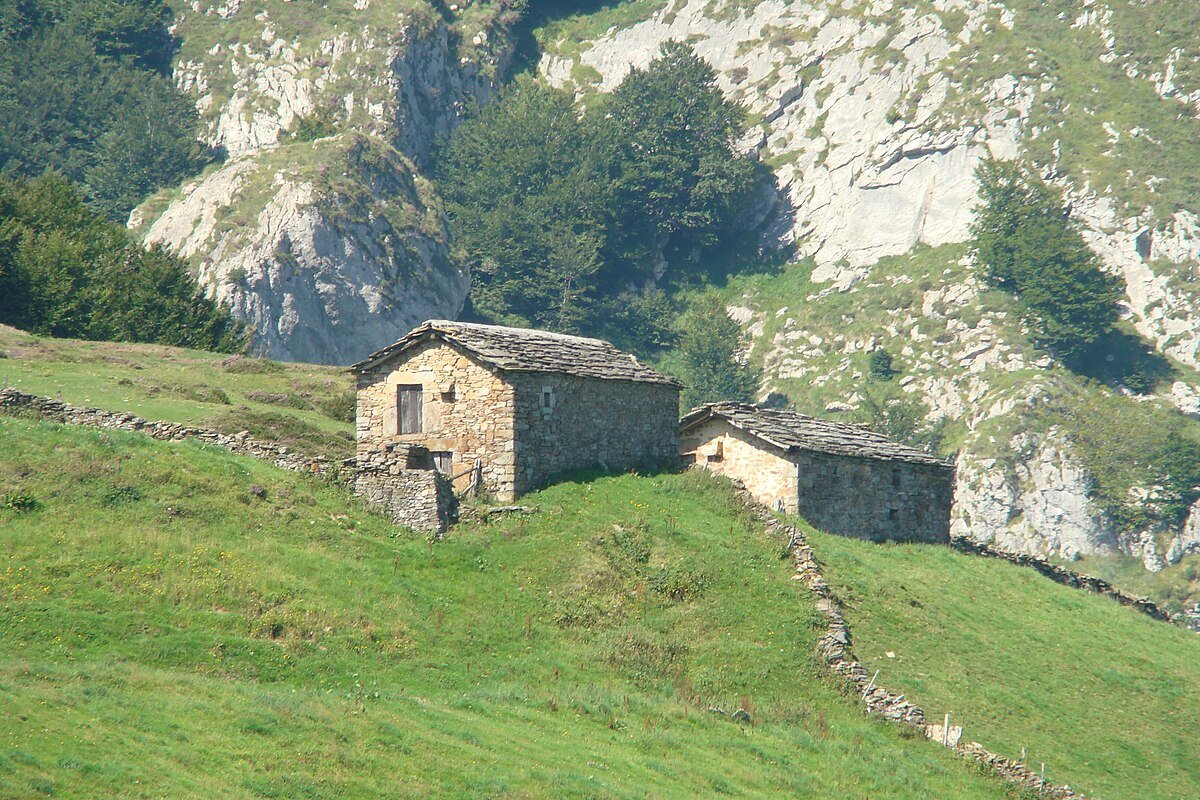
The Pisueña river runs through Castañeda and shapes much of the surrounding landscape. Meadows spread out along its course, alongside small vegetable plots. Eucalyptus trees cover many of the hillsides, which is common in this part of Cantabria.
Paths follow the river for several kilometres. These routes allow for easy walks without much difficulty. The terrain stays gentle, though rain quickly turns sections muddy. Conditions change fast, so surfaces can become slippery even after a short spell of bad weather.
During the summer, some areas near the bridges attract people who go into the water. These informal spots appear naturally along the riverbanks and add a seasonal rhythm to the area. Outside those warmer months, the valley returns to a quieter pace, with only walkers and occasional visitors passing through.
The overall impression is rural and functional rather than dramatic. The landscape does not aim to impress with scale but offers a steady, familiar view of inland Cantabria.
Local Festivities
Festivals in Castañeda follow a pattern typical of the region. At the beginning of February, San Blas is marked with a bonfire, and food is shared in the village square. The format is simple and rooted in local tradition.
Summer brings a series of village celebrations. Each village organises its own verbena, usually with live music and a bar set up for the occasion. These events draw residents together and create a brief sense of activity that contrasts with the quieter rest of the year.
The main patron saint festivities take place in September. As with the rest, the scale remains modest. These are community gatherings rather than large public events, with a focus on neighbours and familiar faces.
Visitors who happen to be in the area during these dates will see a more animated side of Castañeda, though expectations should remain in line with the size of the municipality.
A Straightforward Stop
Castañeda works best as a pause along the way. It fits naturally into a route through the Pisueña valley or on the way to the Valles Pasiegos. The plan is simple: visit the colegiata, take a short walk, and continue the journey.
Staying overnight is not the usual option here. Accommodation typically means heading to Torrelavega or nearby towns. In Castañeda itself, visits tend to be brief.
That simplicity defines the place. There is no long checklist of sights, no need for detailed planning, and no pressure to fill the day. A short visit is enough to understand what it offers.