Full Article
about Corvera de Toranzo
Thermal valley of Cantabria
Hide article Read full article
Sometimes a place appears almost by accident. Not because it was carefully planned, but because the sat nav sends you along a secondary road and it feels easier to go with it than argue. Corvera de Toranzo often comes like that. You are heading somewhere else, the valley suddenly opens up, and the houses start to spill down the hillside. At that point, stopping for a while feels like the obvious choice.
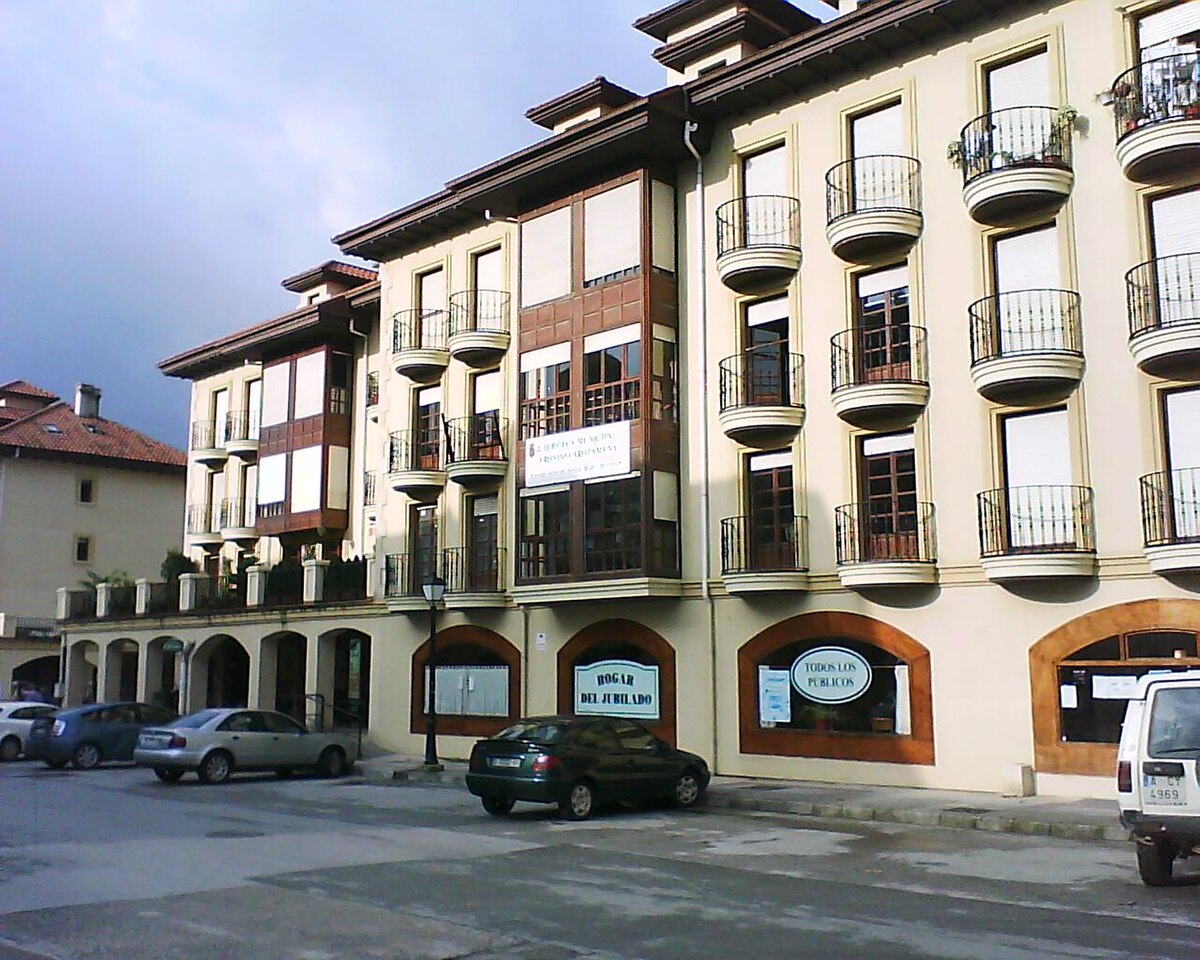
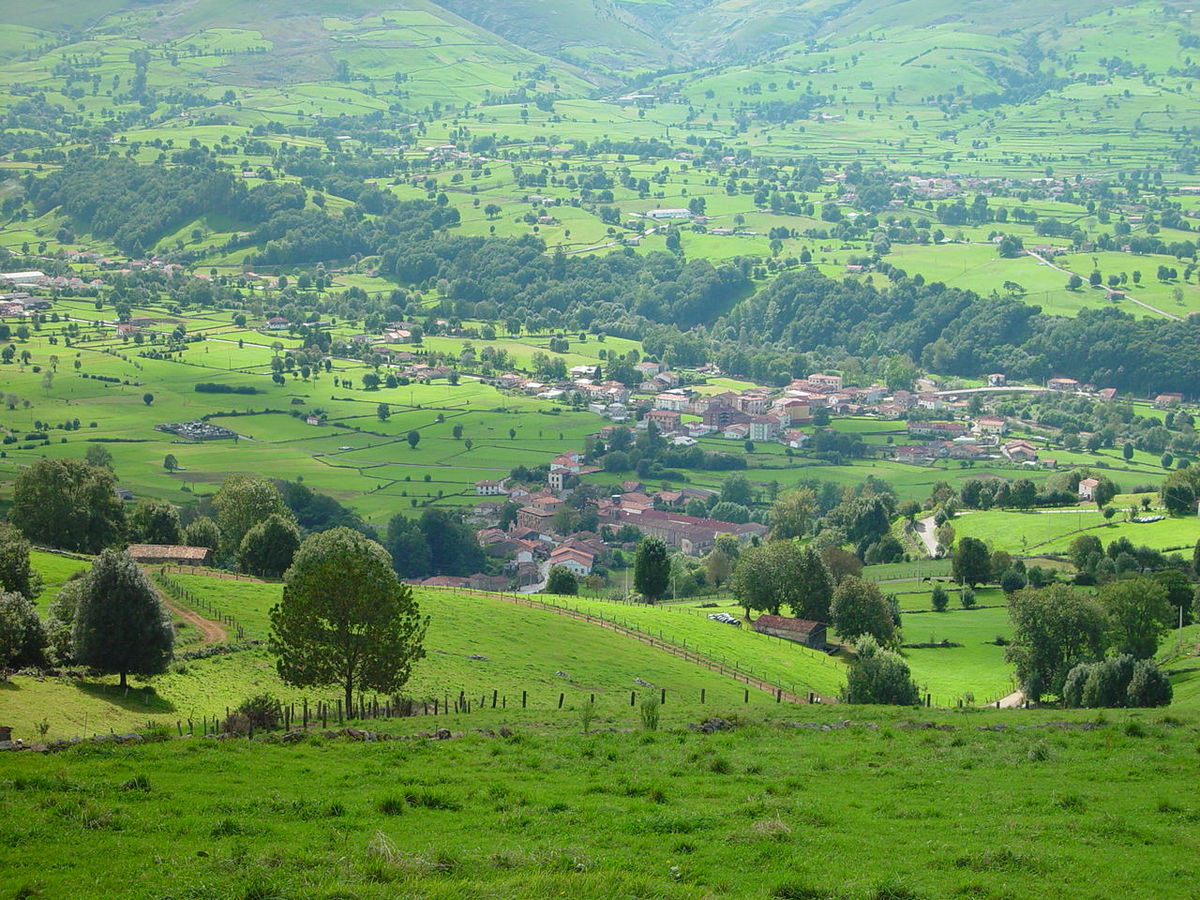
Corvera de Toranzo is one of the municipalities in the Pas Valley, in Cantabria, northern Spain. Rather than a single town, it works as a collection of small villages and neighbourhoods spread across both sides of the valley. Just over two thousand people live here, scattered across slopes that face each other from one side to the other. That enclosed valley feeling, where everything seems within reach, becomes clear quite quickly.
A valley that keeps things simple
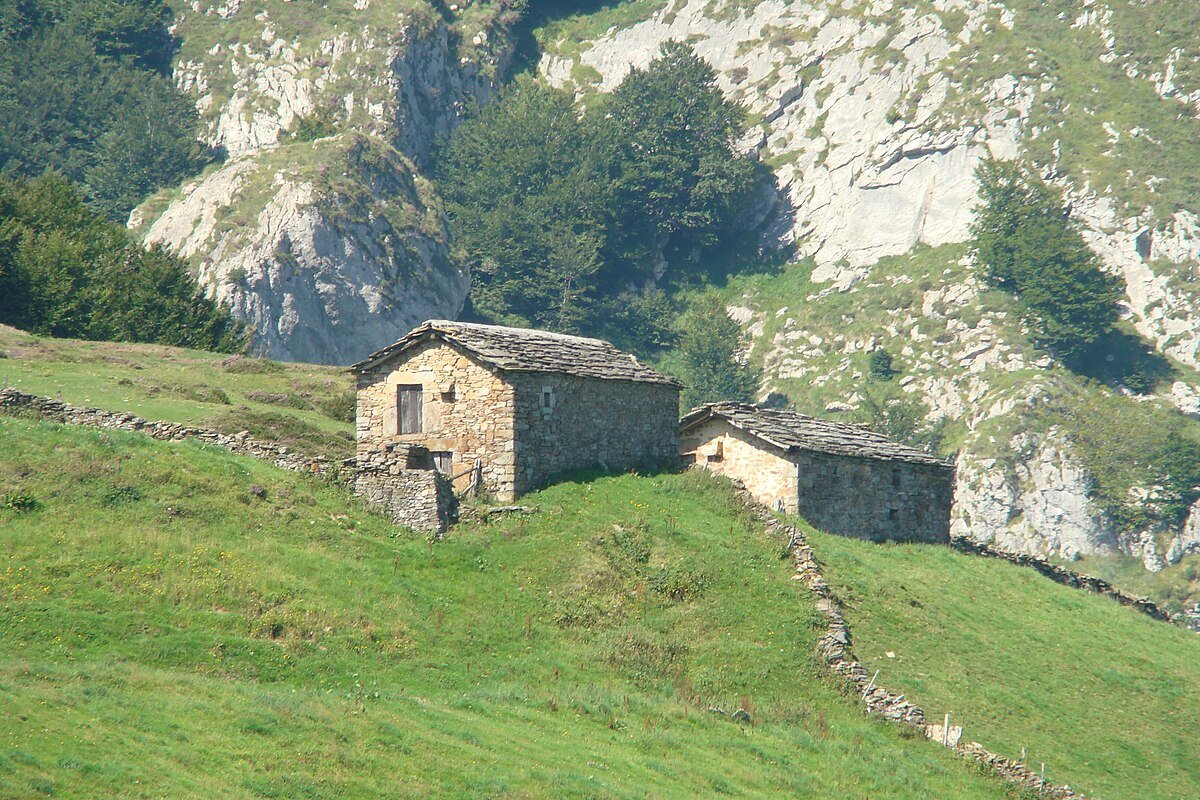
Corvera rarely appears on quick lists of places to visit in Cantabria. There is no nearby beach, no landmark that dominates postcards. What it offers instead is a valley landscape, very green meadows and roads that wind past isolated houses.
On a Sunday morning, the central square tends to carry that unhurried atmosphere typical of smaller villages where people know each other. Conversations take their time. Cars pass slowly. The pace is noticeably different from the coastal areas. Coming from a city, the change is immediate, like turning down the volume after hours of background noise.
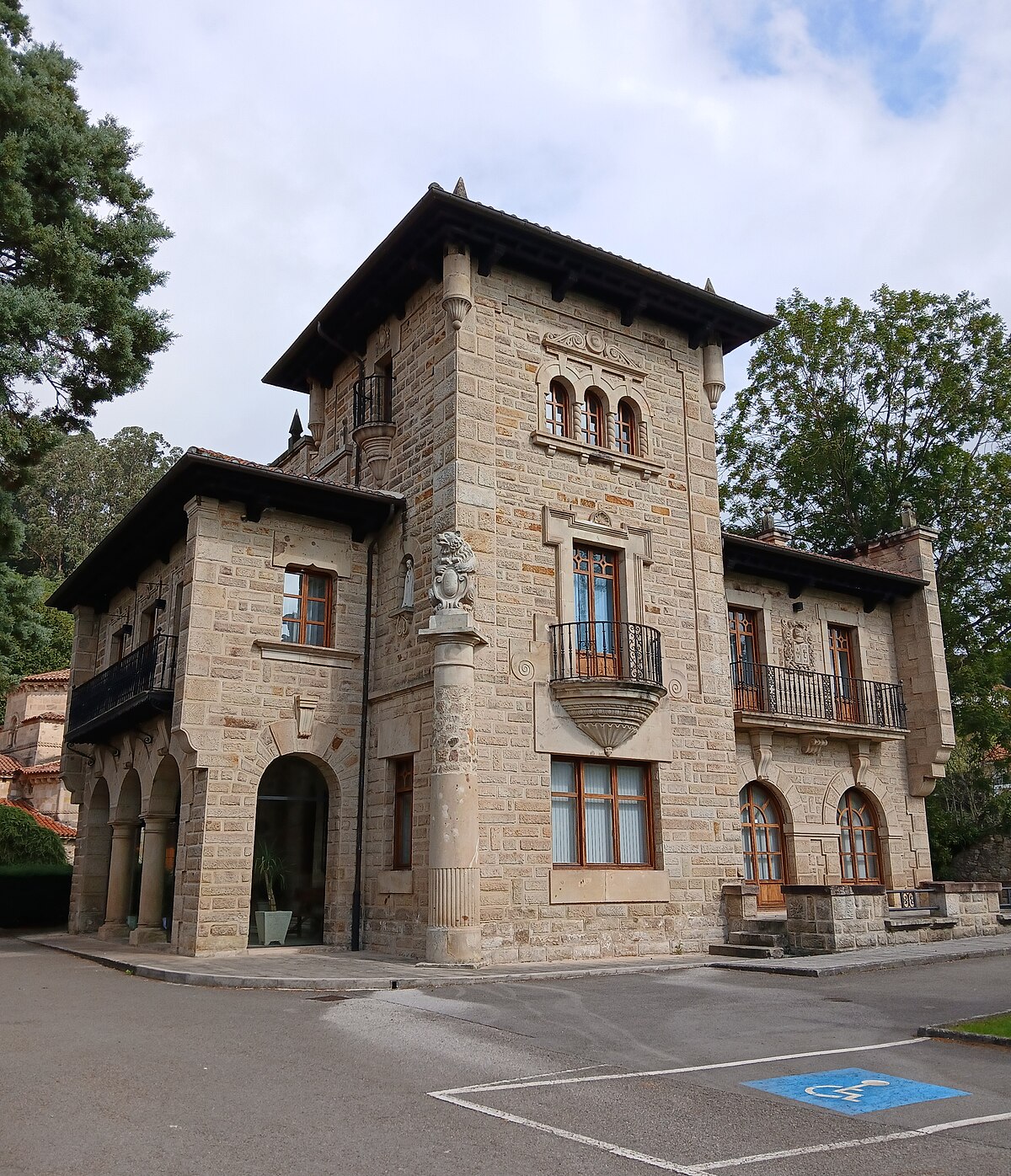
Along the road, there are traditional stone houses that catch the eye without trying too hard. One in particular stands out for its size and arched façade, the kind of building that hints at families who once held influence in the valley. It is not grand in the sense of a cathedral, but it has presence, the sort that makes you slow down as you pass.
The waters of Alceda
Close by, in Alceda, lies one of the best-known spots in the municipality: the spa and its thermal spring. Locally, it is simply referred to as “the waters”.
The water flows at a steady, warm temperature throughout the year, something that has been valued for a long time. The spa building has kept the feel of another era, with galleries and spaces that recall the traditional spa culture of northern Spain. This is not a modern wellness centre built around mood lighting and curated soundtracks. The appeal leans more towards its long-standing character.
During the week, the area tends to be quiet. At weekends, it becomes livelier, with visitors arriving from Santander and other parts of Cantabria to spend time in the thermal pools or walk through the surrounding parkland.
Walking the Pas Greenway
One of the easiest and most enjoyable plans in the area is the Pas Greenway, known locally as the Vía Verde del Pas. The route follows the track of a former railway that once ran through the valley. Today, it is used for walking and cycling.
The path runs alongside the river for several kilometres. There are short tunnels, metal bridges and long stretches where the only sounds come from the water and the occasional tractor working nearby fields. It is a gentle route, without much incline, which makes it suitable for all kinds of visitors. Families, older walkers and cyclists all share the space at an easy pace.
Near Corvera, it is more common to come across cows than people. It is the kind of walk where conversation flows easily and there is no reason to check the time.
Food that still matters
Across the Pas Valley, two things appear sooner or later in almost any conversation: sobaos and quesadas. These are traditional local pastries, with Ontaneda and Alceda long associated with their production.
What stands out is how everyday they remain. They are not treated as souvenirs or occasional treats. People buy them for home in the same way others might buy bread. Ask locals where to get them and opinions quickly become personal, each suggestion defended with surprising enthusiasm.
Food also plays a central role in local events. Fairs and celebrations linked to traditional recipes are common, often built around dishes that have been part of the valley for generations. These gatherings tend to bring together a large part of the community, usually around long shared tables.
A few things to keep in mind
Corvera is not a place built around a packed itinerary. The appeal lies in slowing down rather than moving from one attraction to the next.
Nearby, the high point known as Cildá offers wide views over the valley on clear days. In Cantabria, though, perfectly clear weather does not always arrive when it would be most convenient.
Anyone planning to spend time on the greenway should bring water or something to eat. There are long stretches where the surroundings are limited to fields and river, with little else in between.
Above all, this valley rewards a slower approach. Parking the car, walking for a while and sitting to take in the landscape tends to work better than trying to fit everything into a single afternoon.
Corvera de Toranzo is not the kind of destination that fills an entire week. As a weekend stop or as part of a route through the Pas Valley, it fits naturally. It is one of those places that does not make much noise at first, yet lingers in the memory longer than expected.