Full Article
about Liérganes
Fish-Man Village
Hide article Read full article
Sunday mornings smell of river and oven
You know that moment when you get out of the car somewhere new and the air tells you what’s going on? In Liérganes, especially on a Sunday, it’s wood smoke and the warm, yeasty smell from a bakery. It hits you before you even see the bridge or the old stone houses. The place announces itself like that. No fanfare, just the scent of a normal morning.
It sets a tone. Nothing here feels like it’s trying to grab your attention.
Living with a fish-man in the family
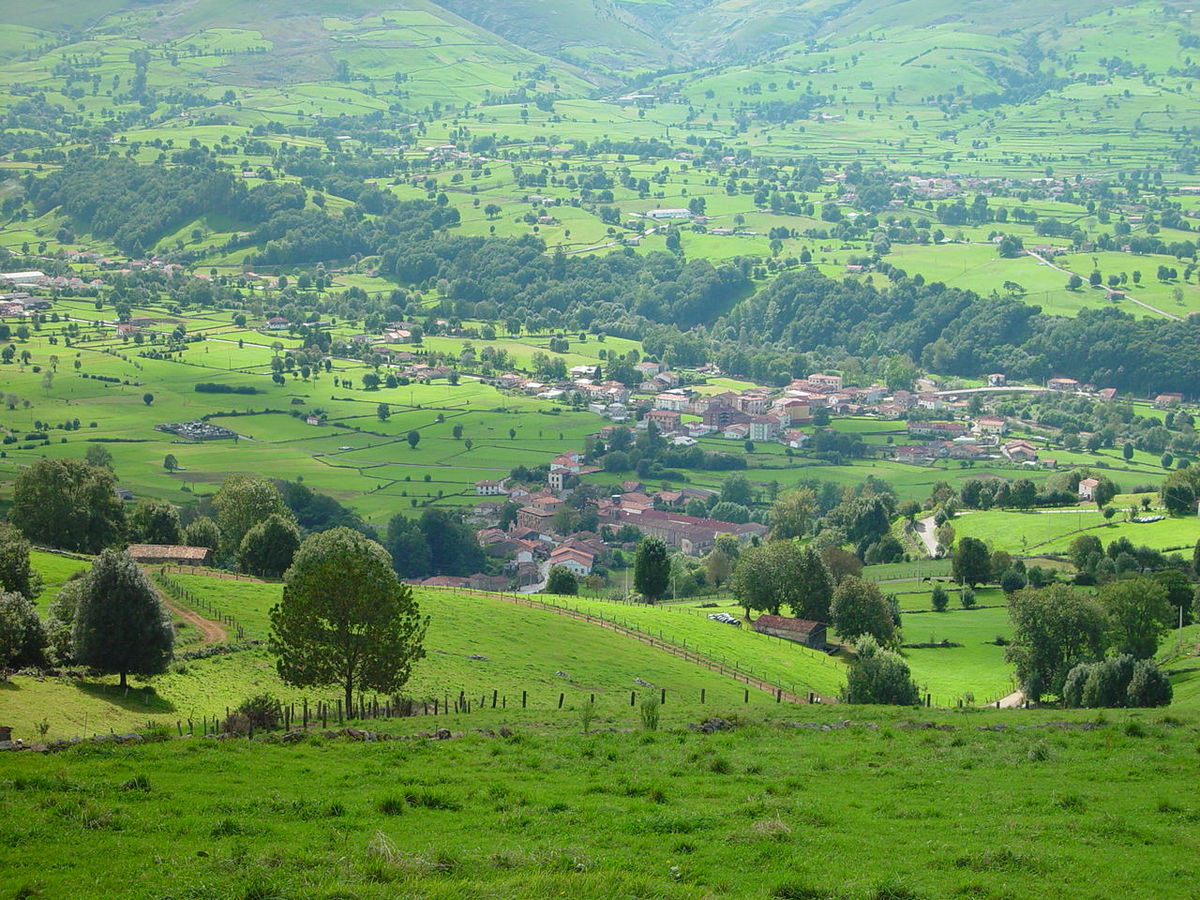
With around two thousand people, Liérganes is small enough that local gossip has a long lifespan. The biggest piece of gossip is about four centuries old: the story of Francisco de la Vega, the Hombre Pez. They say he swam off one day in the Miera river and turned up years later near Cádiz, more fish than man.
What’s interesting isn’t the legend itself. You hear those everywhere. It’s how matter-of-fact people are about it here. The guy at the newsstand will tell you about it with the same tone he uses for the weather forecast. The village has fully adopted its fish-man. There’s a statue by the Puente Mayor, some storyboards, even a small room dedicated to the tale. They decided to run with it, and they have.
Stone, slopes, and a forgotten factory life
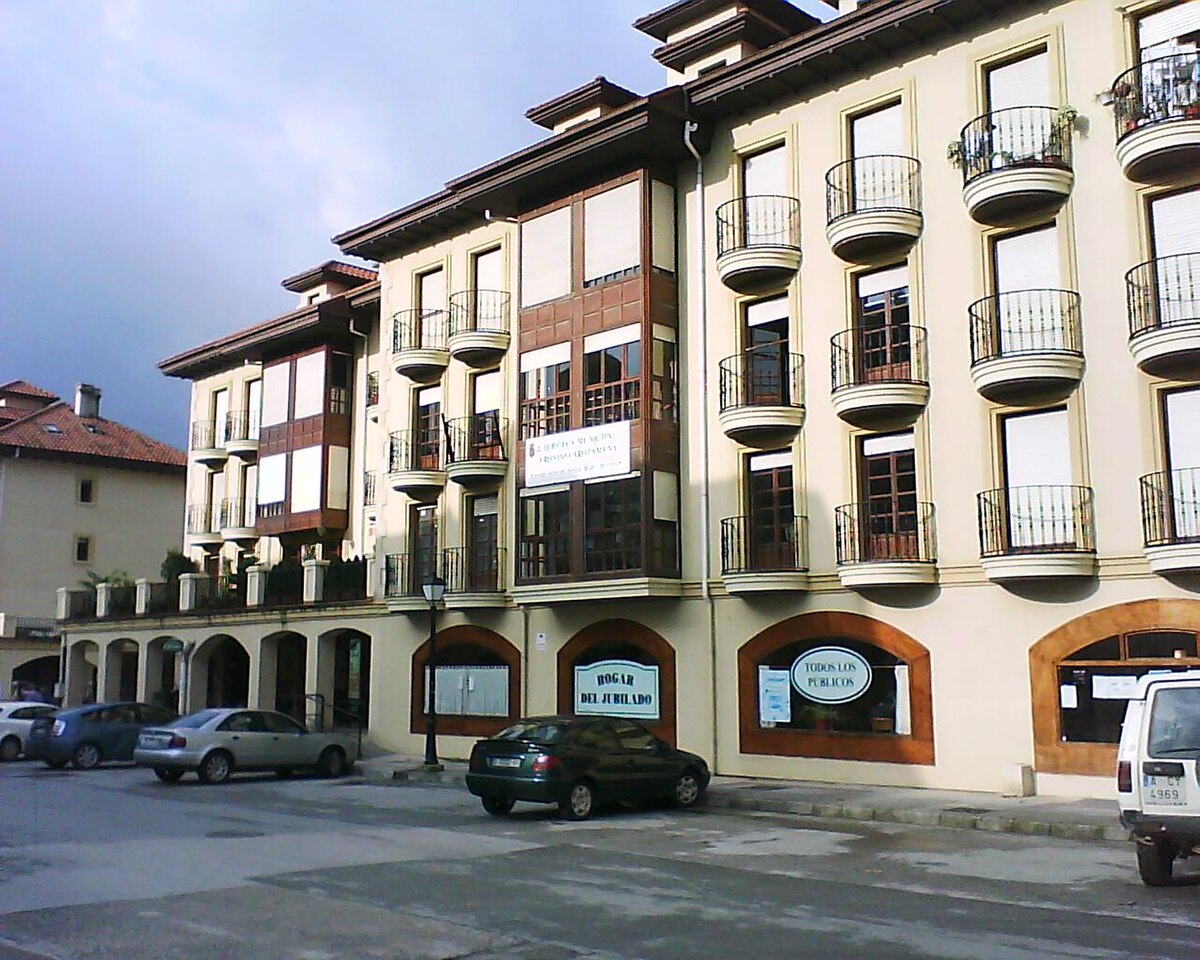
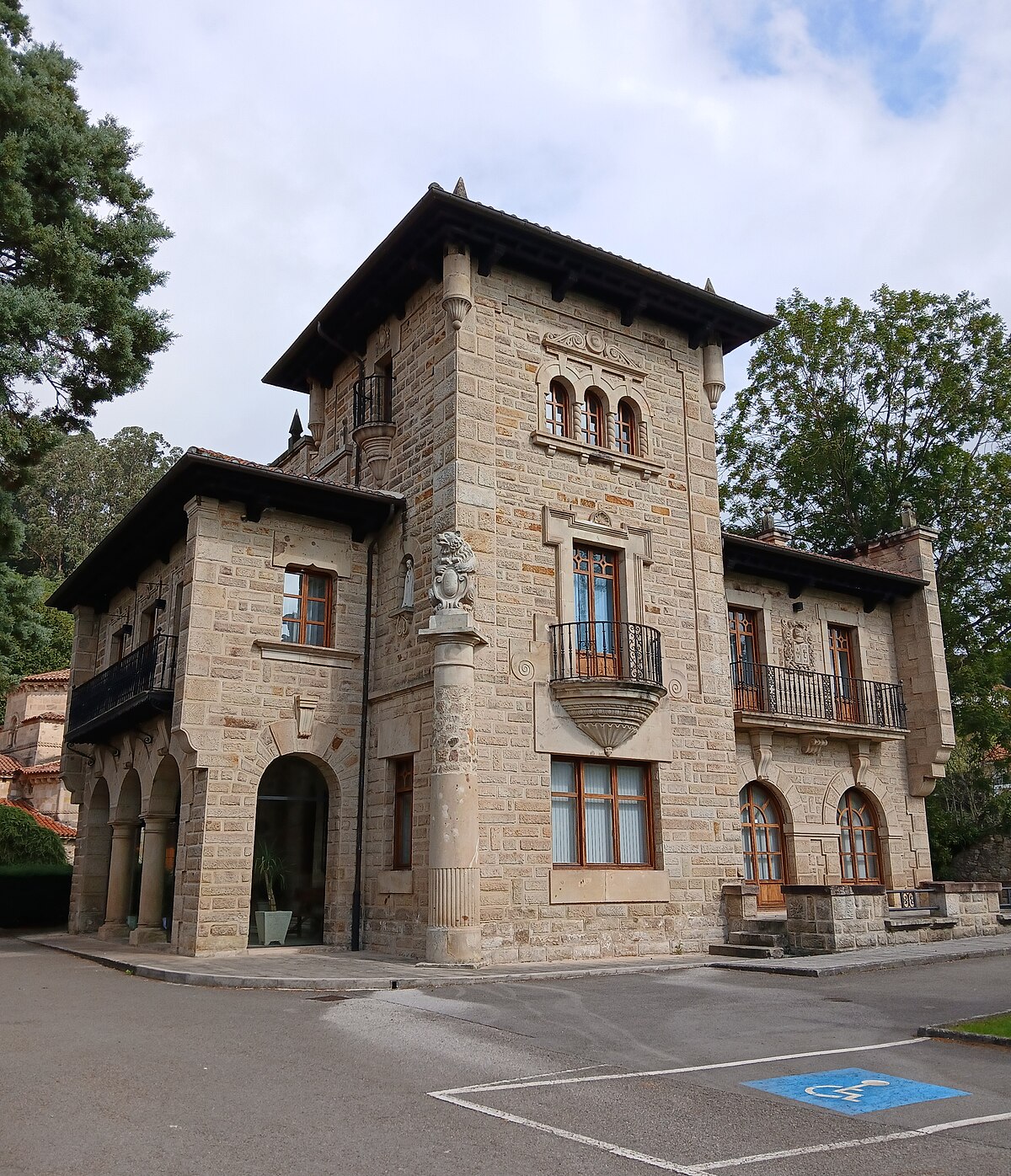
The old part of town is built from that golden sandstone Cantabria does so well. The houses have wooden balconies stacked with geraniums and coats of arms carved above doorways. Calle Mayor is where you get the best feel for it, a gentle slope lined with 17th-century palaces that are now just… houses. The church tower is your landmark. You can’t really get lost.
What most visitors don’t expect is the industrial history. This quiet valley was once noisy with ironworks. From the 1600s onwards, they forged metal here that ended up in ships for the Spanish Crown. You’d never guess it now, with just the sound of water and someone sweeping their doorstep.
The river runs this place
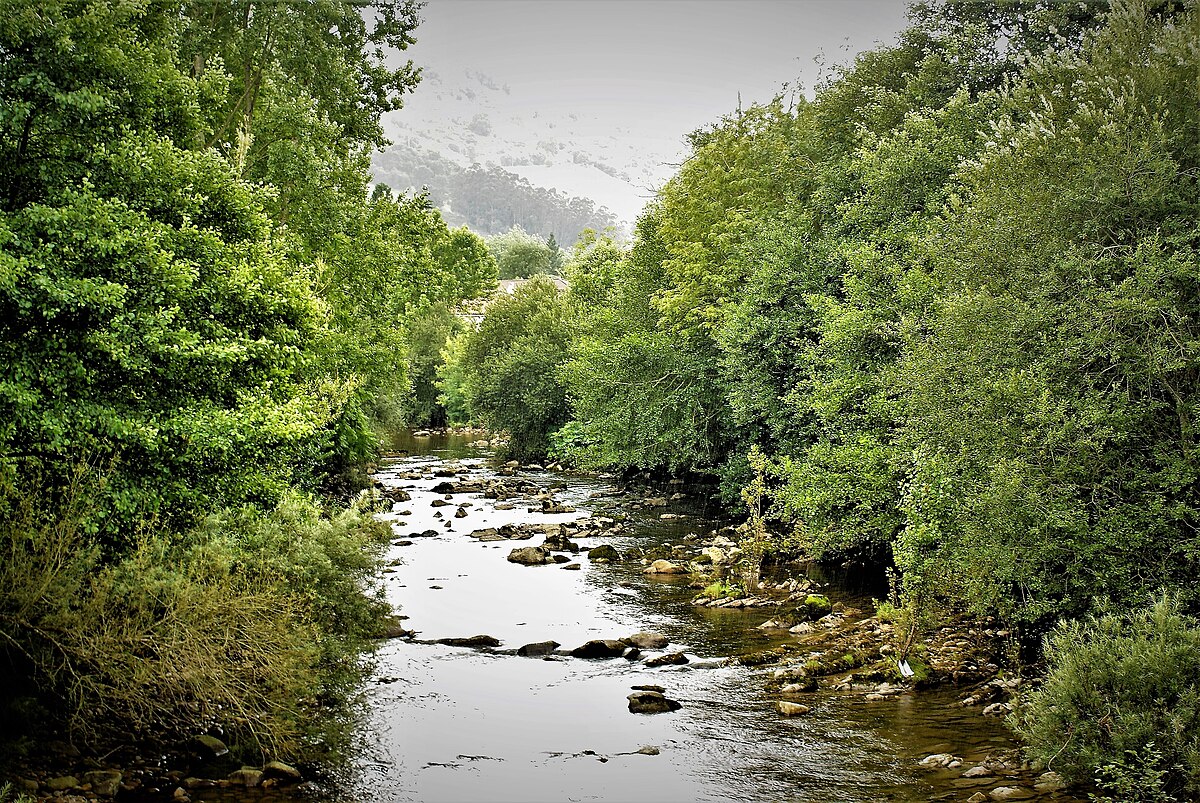
The Miera moves slowly through Liérganes. It’s in no rush. Around the main bridge, it widens into pools that become social spots when summer arrives. One is called the Pozo del Hombre Pez.
Come July, you’ll see kids jumping off rocks into what is objectively freezing water, followed by that sharp gasp everyone makes. It’s a good scene.
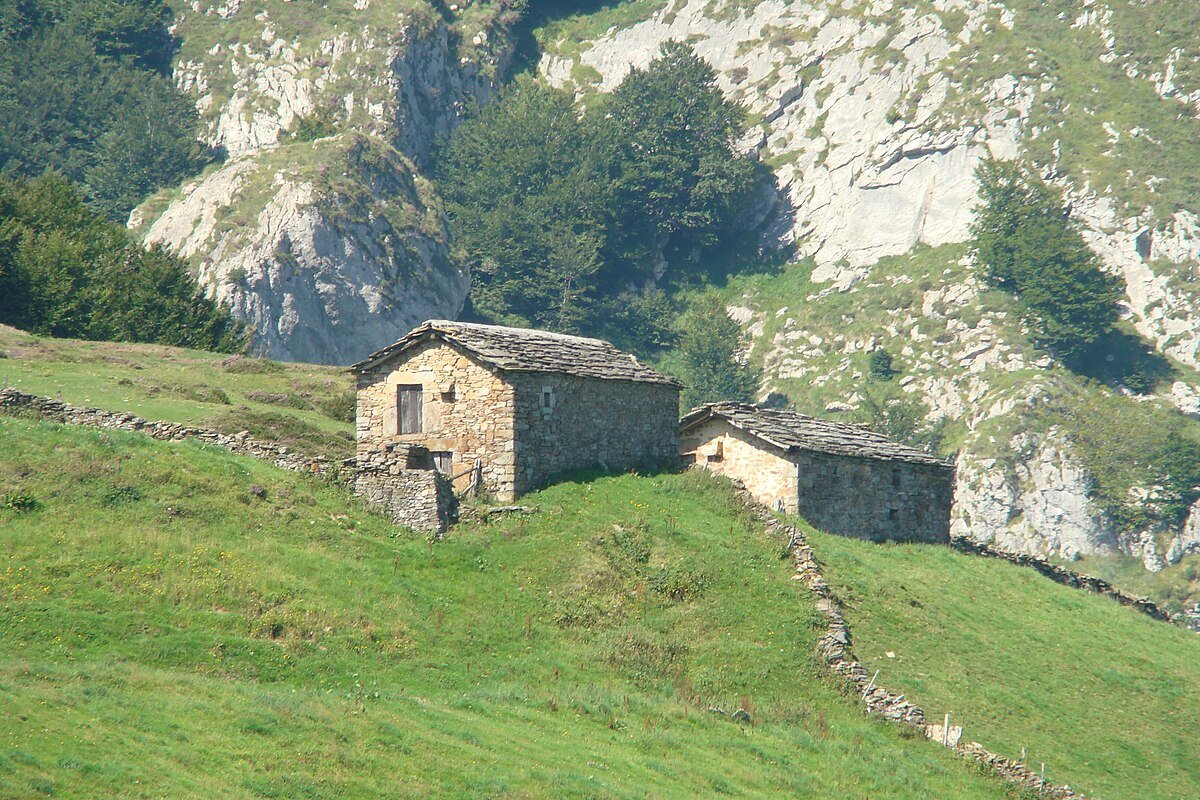
A few signed walking routes start in the village. Some stick to the riverbanks, others lead out toward nearby valleys like Carriedo or Miera proper. They’re not epic hikes; they’re walks for an afternoon where you might find an old mill crumbling quietly in the trees.
Food that sticks to your ribs
The cooking matches the landscape: solid and satisfying. When it's cold, cocido montañés is on every menu – a stew of beans, cabbage, and pork that pretty much ends your need for further meals that day.
For sweets, quesada pasiega and sobaos are non-negotiable here. They're fresh, often still warm from nearby ovens in Pas villages. Asking where to find the best one is a good way to start a friendly argument nobody wins.
The rhythm of a day here forms naturally around this food and those walks: a late breakfast, a stroll by the water or through crooked streets, then a long lunch followed by coffee on a bench in Plaza de la Cañona just watching who comes and goes over an hour or two.
Finding its normal rhythm
Liérganes gets busy in peak summer weekends with families from Santander looking for river dips and ice cream.
If you want it quieter but still with decent weather – or as decent as Cantabria promises – try late May or September.The light is softer then,and you see more people just going about their business.There are craft markets and local festivals scattered through theyear too,focused on things like honey or,the inevitable,Hombre Pez.They move dates,but they're part of howthe village marks time.
This isn'ta place competing with coastal resorts or mountain parks.It's more likea pause.Liérganes works best whenyou match its pace:acrosswalk overthe bridge,a beer bythe water,a plateof something hearty.The feelingthatthis has beenthe wayof thingshere fora verylong time