Full Article
about Luena
Birth of the Pas valley
Hide article Read full article
A Slow Morning in San Miguel
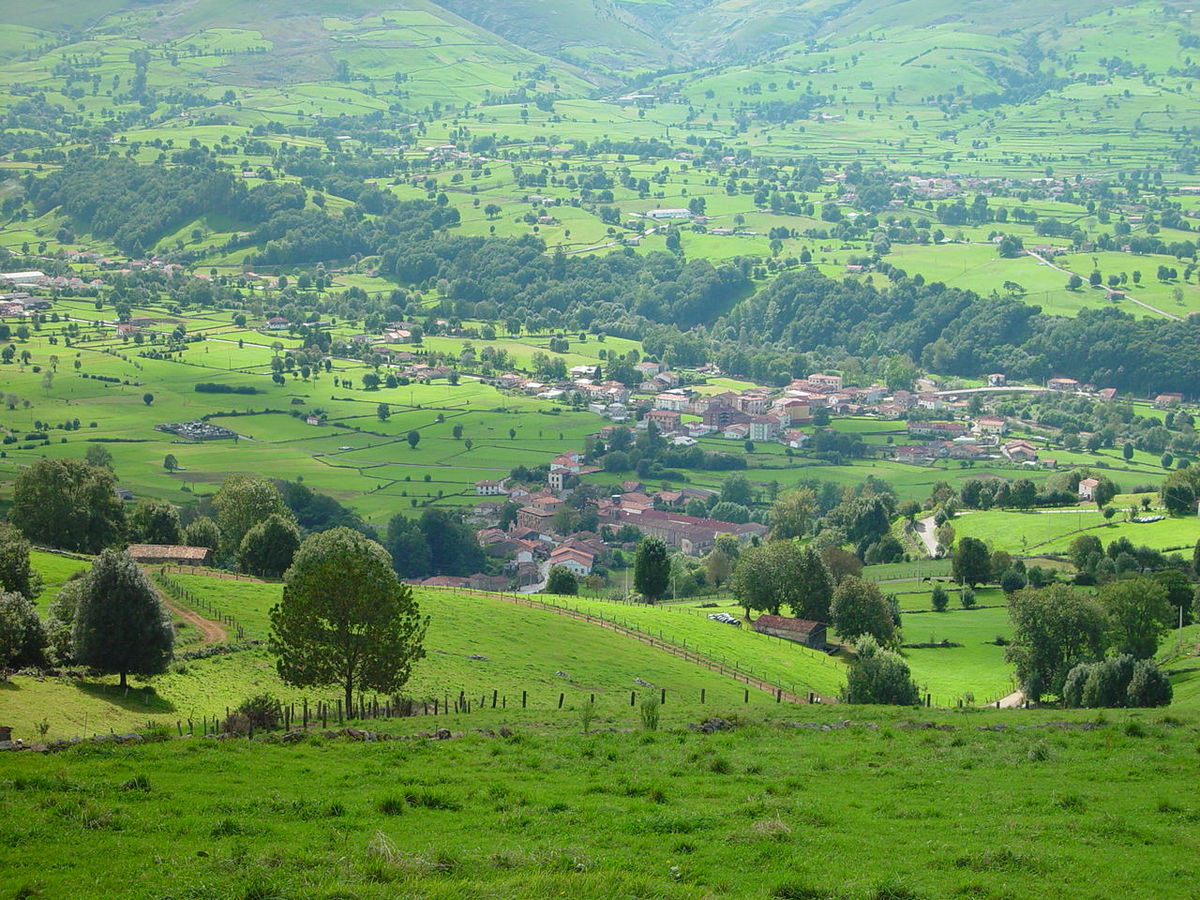
Mist lifts gently from the river Pas, as if in no hurry to leave. From the road coming down from San Roque de Riomiera, Luena reveals itself in fragments: a slate roof here, a yellowing beech wood there, the bell tower of a church rising above the green. Early morning temperatures can sit low, and the light takes its time to reach the valley floor.
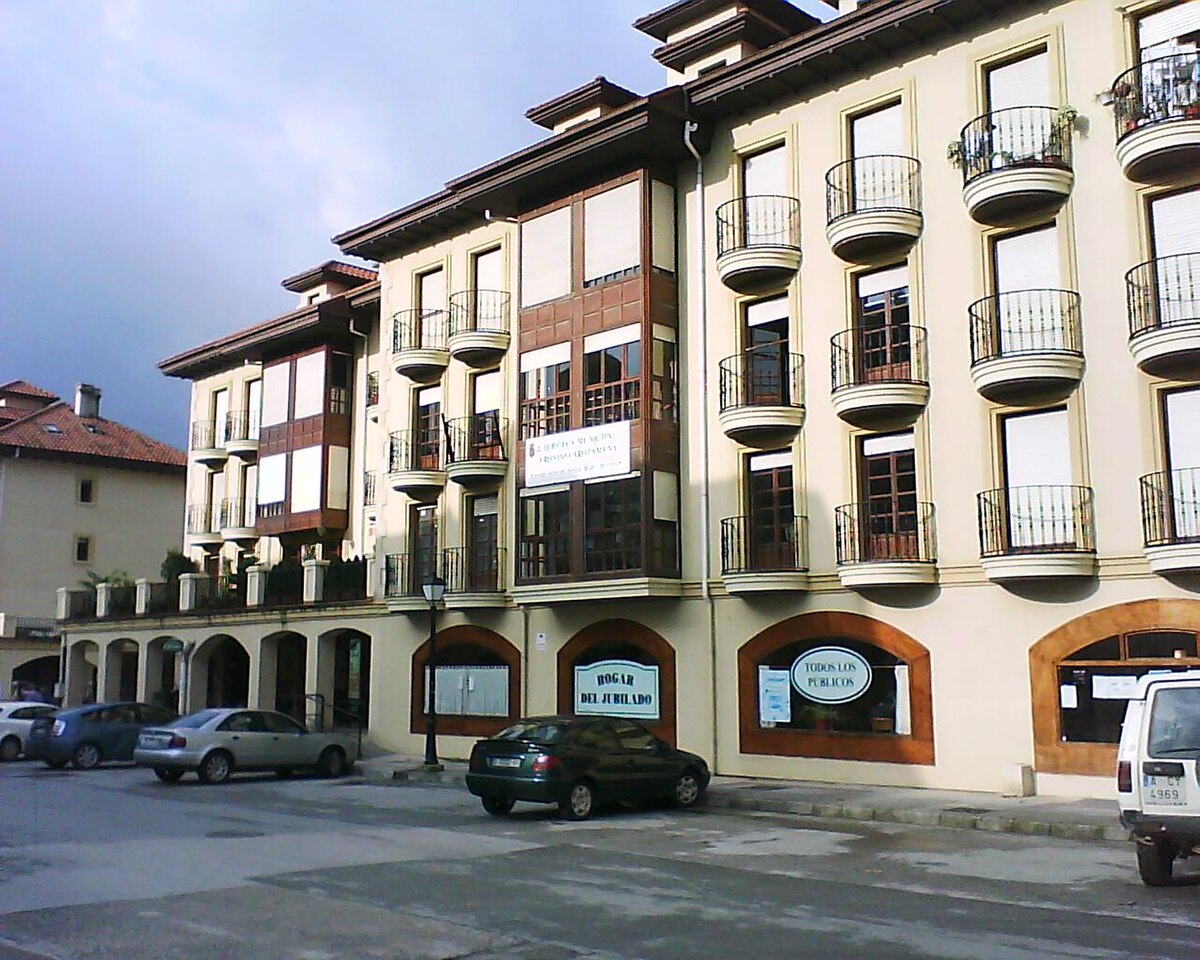
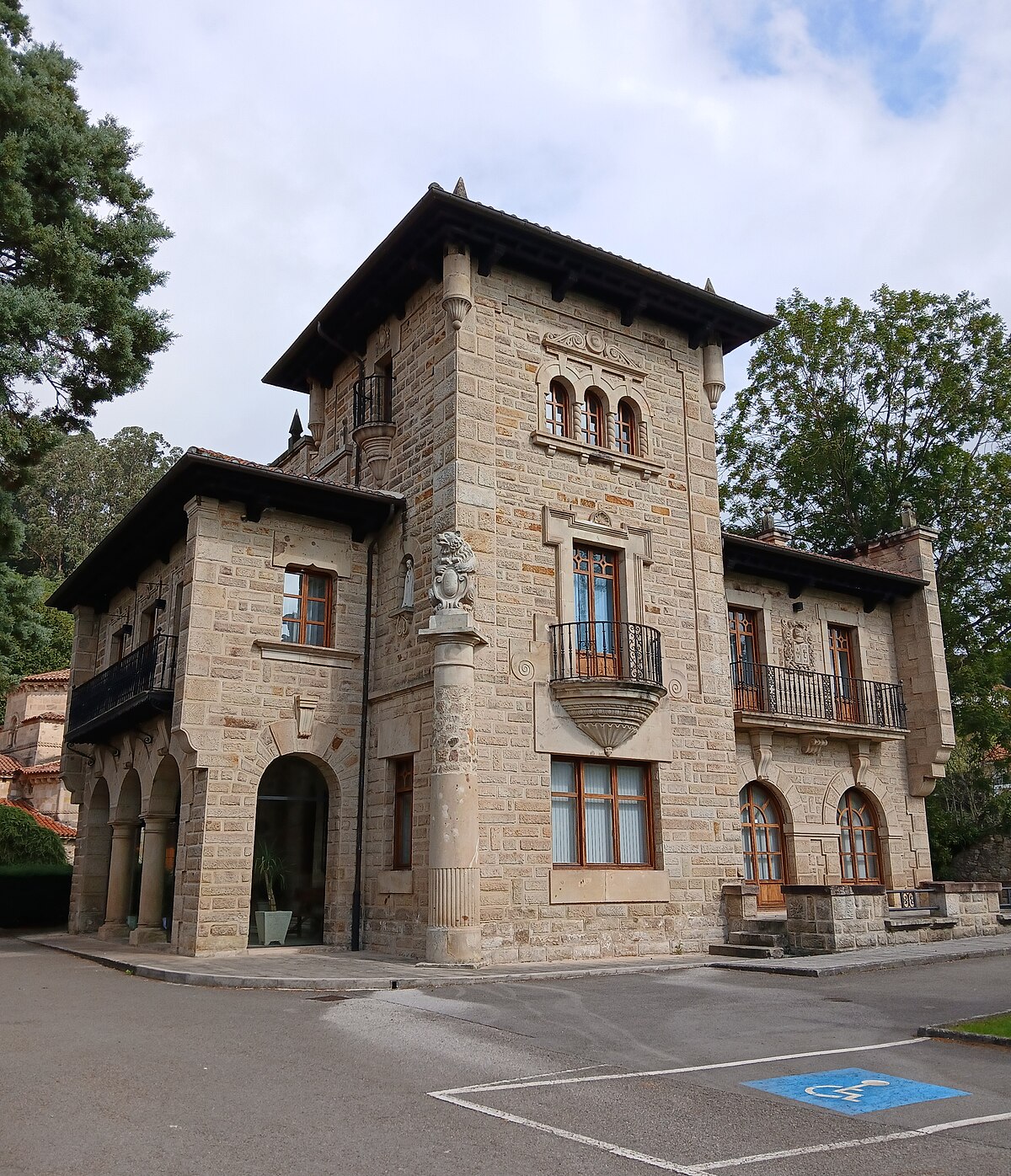
San Miguel de Luena, the municipal centre, is home to only a few dozen residents year round, around seventy by local accounts. The houses are built of stone, with dark wooden balconies. On some façades, damp has traced shifting patterns across the walls. The 17th-century church of San Miguel stands quietly at the centre. At this hour, before sunlight reaches the windows, it seems older than it is. The door is often open. Inside, the air carries the scent of wax and cold stone, and a gilded Baroque altarpiece glints softly in the half-light.
The Smell of the Pasiegos Valleys
The Valles Pasiegos are known for their distinctive atmosphere, shaped as much by scent as by landscape. In Luena, the smell of raw milk mingles with wood smoke and drying hay stored in farmyards. Driving here requires patience. The road twists, narrows, then suddenly opens up again. Each bend reveals another scattered settlement.
Resconorio, Pedruecos, El Cocejón. Names that sound as though they belong to another time. Some consist of just a handful of houses and perhaps a dog. Others include a small church with its door slightly ajar and a dirt track disappearing into beech woodland.
The Mojón de Pedruecos appears without warning along one of these routes. It is a prehistoric burial mound, a low rise of earth and stone now covered in grass and moss. There are no fences or information boards. A simple stone marks the spot. From the top, the valley stretches out in full: meadows where cattle graze, the rooftops of Resconorio, and the road tracing a pale line through it all. When the wind shifts north, it can carry a faint salty edge. The Cantabrian Sea lies more than thirty kilometres away, though on clear days it feels closer.
Warm Quesada in Entrambasmestas
In Entrambasmestas, traditional ovens are still in use, and by mid-morning the village begins to stir. This is when quesada pasiega, a local dessert made from milk, eggs and a hint of lemon, comes out of the oven. The aroma drifts through the streets: warm milk, sweetness, something comforting and familiar.
Served slightly warm, the surface lightly cracked and the centre still moist, it tastes simple and rooted in long-standing tradition. Locals often say the secret lies in beating the eggs slowly and giving the oven time to do its work.
Entrambasmestas is also the birthplace of Agustín Riancho, a 19th-century painter known for capturing these landscapes. His birthplace still stands, now a large house with closed green shutters. A bronze plaque on the façade notes that a “great artist” once lived here. Most of the time, the street remains quiet. The river can be heard nearby, along with the occasional car crossing the bridge.
The Pilgrimage at Selviejo
On the first Sunday of May, residents from Selviejo walk up to the hermitage of Los Remedios. It is a small romería, a traditional rural pilgrimage and gathering. Women often carry baskets filled with tortilla and chorizo, while men bring bottles and blankets to sit on the grass.
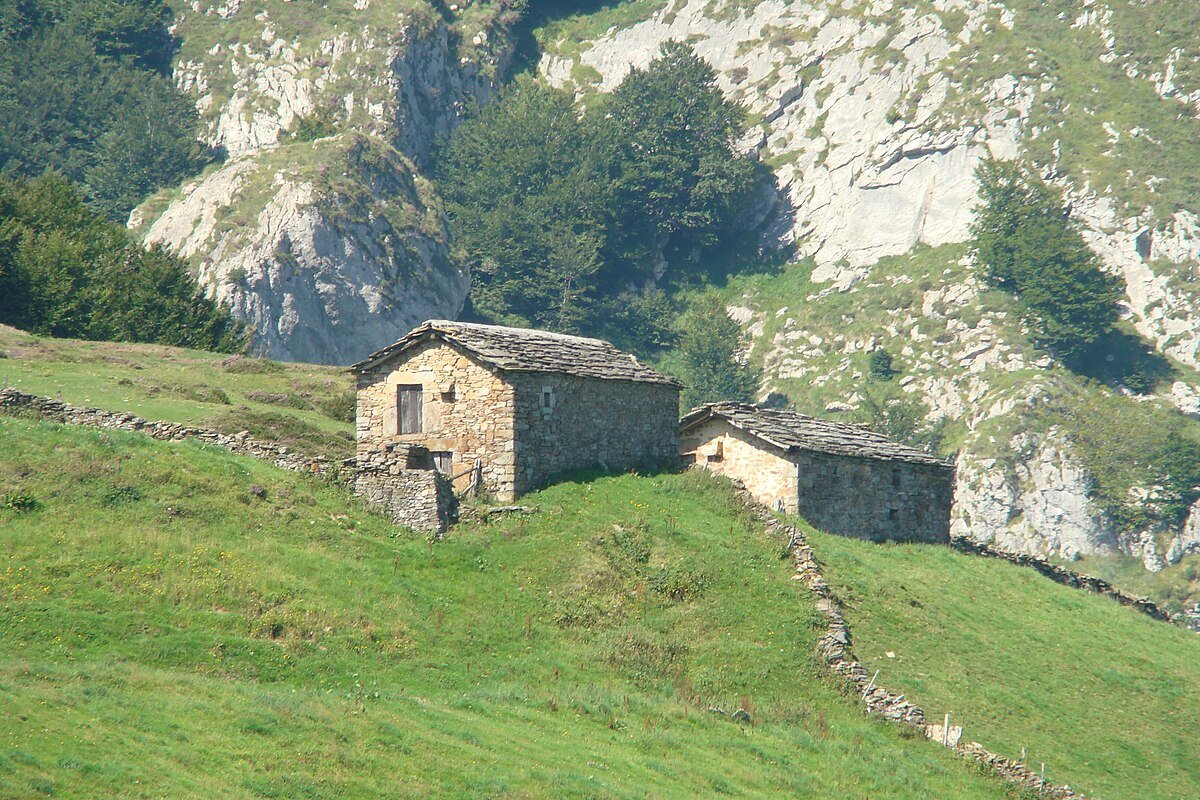
The hermitage, built from thick stone with a slate roof, stands on a rise overlooking the Pas valley. From here, young beech woods spread across the slopes, old mule tracks climb towards the mountains, and clouds gather around the higher peaks.
Outside this annual event, the area is almost entirely still. The hermitage remains closed, and the surrounding fields are occupied only by grazing cattle. A low stone wall separates the path from the meadow, built long ago for practical purposes that still hold. Silence dominates, broken occasionally by the sound of a cowbell or the distant echo of a church bell from somewhere deeper in the valley.
Seasons, Roads and Time
Luena shifts noticeably with the seasons. In June, the fields are intensely green and the mornings carry the scent of freshly cut grass. September brings a slower rhythm, fewer cars and softer light across the valley.
August, especially at weekends, sees more traffic than these narrow roads comfortably handle. In winter, driving requires care. Fog can cling to the tarmac, and many bends remain hidden until the last moment.
The Ruta de los Mojones links several prehistoric burial mounds like the one at Pedruecos. The full route covers around fourteen kilometres there and back. On paper, it takes about four hours. In practice, few people here walk by the clock. Views demand pauses, cattle often block the path, and the wind on the higher ground slows the pace.
By the time the walk ends and the road returns, clothes tend to carry the scent of hay and wood smoke. At that point, something sweet feels almost necessary. In this valley, the answer has been the same for generations: a slice of quesada, still warm.