Full Article
about Miera
Miera River Valley
Hide article Read full article
A valley that works the other way round
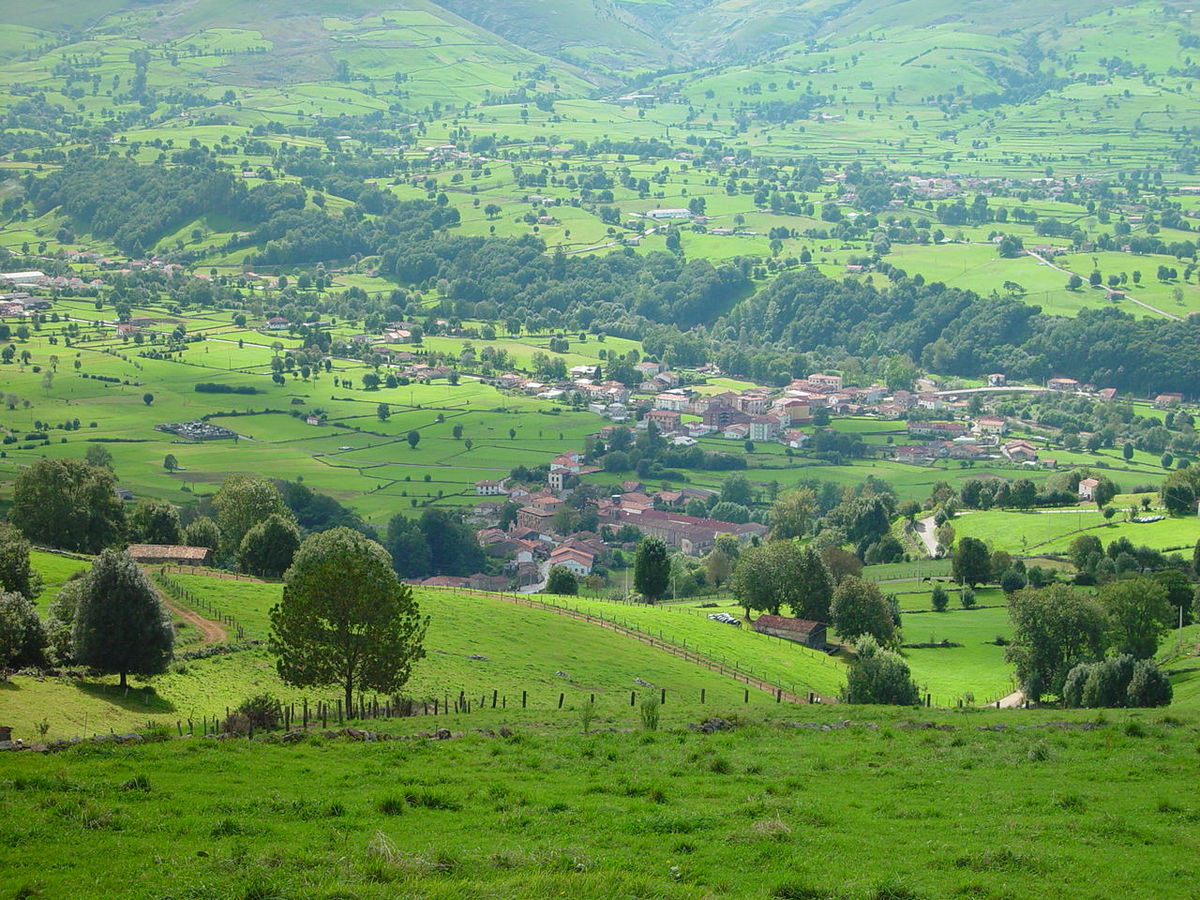
Some valleys seem made to be admired from a viewpoint. Miera does the opposite. Tourism in Miera is less about reaching a lookout and more about easing along a narrow road, window down, moving slowly while fields, scattered cabins and the occasional unhurried cow come into view.
The valley sits in the Pas‑Miera region of Cantabria and makes no effort to impress in obvious ways. There are no grand squares or landmark monuments drawing crowds. Instead, the setting is defined by dispersed neighbourhoods, green slopes and a quiet sense that the landscape sets the pace rather than the clock.
This is not a place that demands attention. It reveals itself gradually, often without you noticing at first.
A landscape that tells its own story
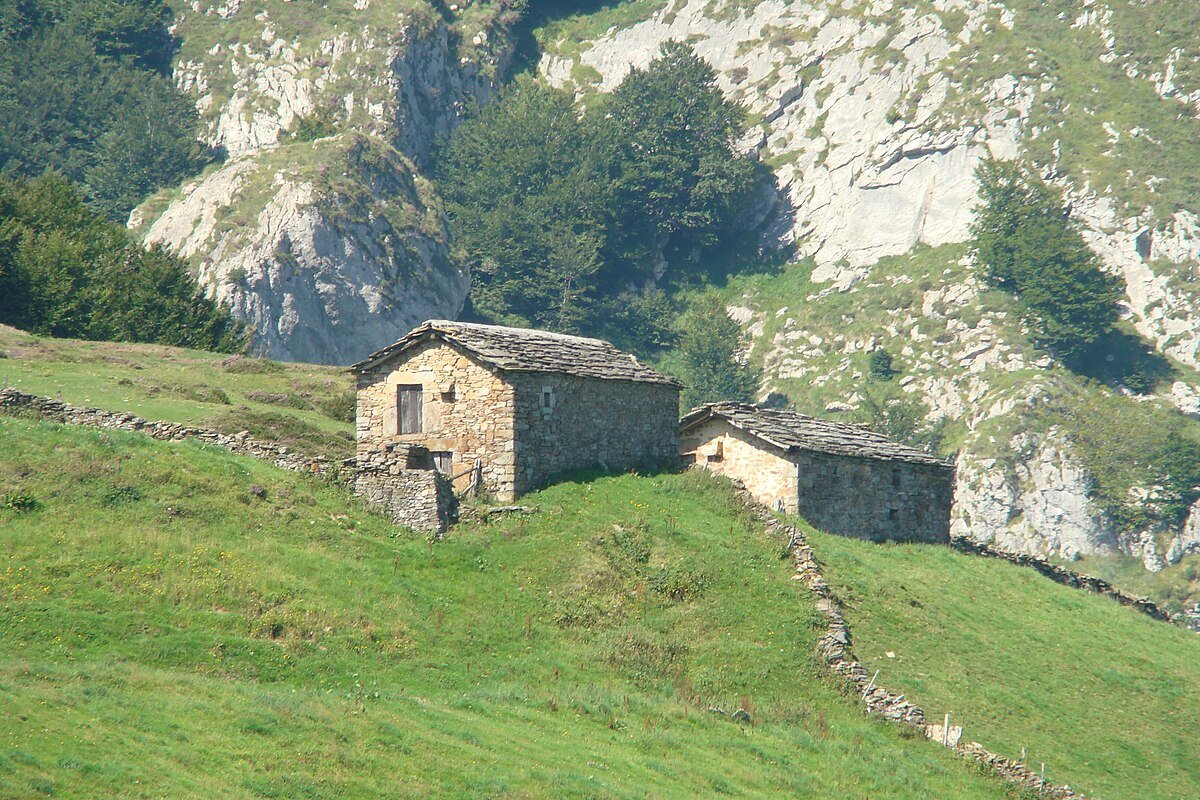
The cabañas pasiegas are the first thing most people notice. These traditional cabins are not grouped into a compact village. They are scattered across the hillsides, as if each family chose its exact spot within the meadow.
They are stone buildings with pitched roofs, simple in form. Their arrangement explains how the valley works: small plots of land around each cabin, paths that rise and fall with the terrain, and grass everywhere. A lot of grass.
The parish church of San Pedro is understated. It does not try to stand out and instead blends into everyday life. It often appears almost by accident, encountered while moving through the valley rather than sought out.
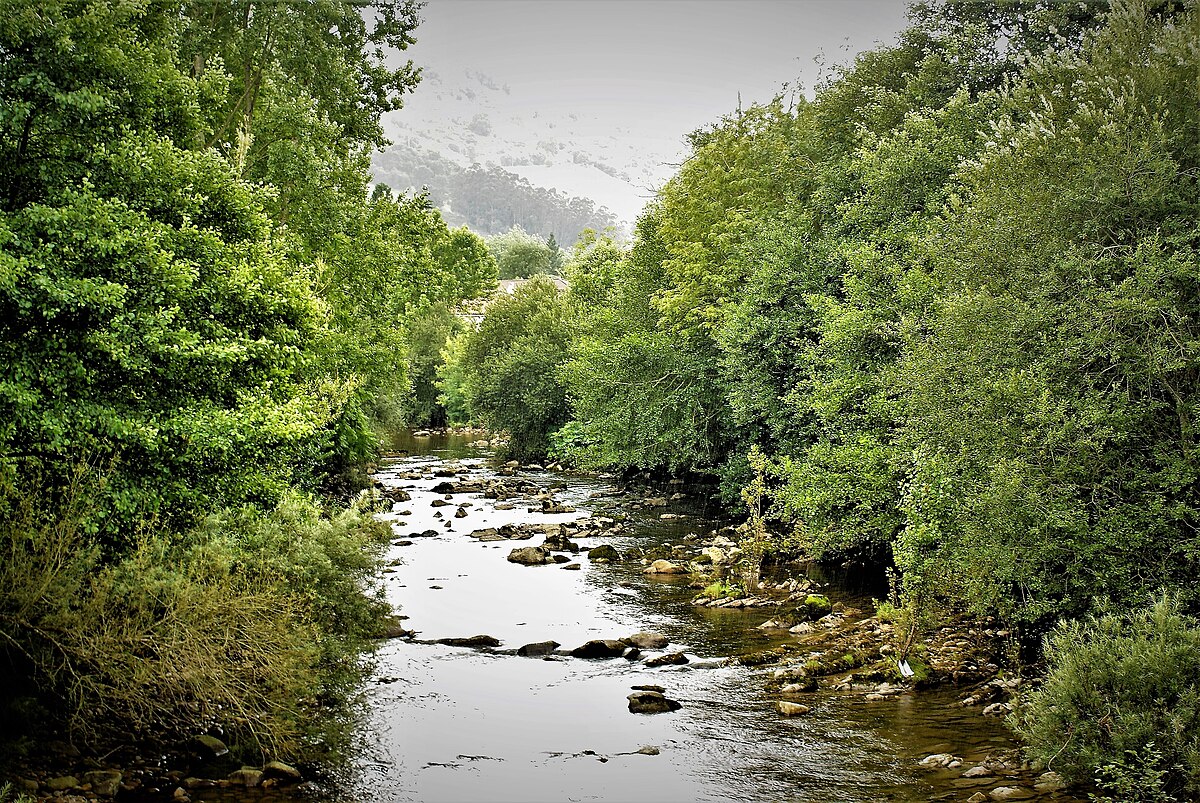
Fog plays its part as well. It can appear and disappear several times in a single day. One moment the view is sharp and intensely green, and not long after the landscape softens into something resembling a pencil sketch behind misted glass.
Moving through the valley
Miera makes more sense on foot or when travelling slowly along its secondary roads. The paths that connect neighbourhoods and cabins follow the logic of the terrain. They climb, dip and sometimes feel steeper than they looked from below.
After rain, mud forms quickly if you leave the clearer paths. It is nothing extreme, though decent footwear makes a difference. This is not an urban stroll.
Cycling has its appeal too, though the slopes are demanding and the bends tight. Descents can be enjoyable if handled with care. It is common to come across free-roaming livestock or a tractor taking up part of the road, so attention matters.
Local shops in the valley often stock dairy products from the area. Quesadas and sobaos are typical, both part of everyday life in Cantabria. Beef also appears regularly, which makes sense given the number of pastures surrounding the village.
Traditions shaped by the land
Festivities dedicated to San Pedro usually take place towards the end of June, though the atmosphere varies depending on the year and the rhythm of agricultural life.
Rather than large-scale celebrations, daily life tied to livestock farming sets the tone. Families return to the valley at certain times of year, houses open for a season, and a gentle sense of movement takes hold. It is the kind of activity that rarely features in quick travel guides but defines the place more than any event.
What often goes unnoticed
It is possible to drive through Miera in a short time. Anyone focused on taking a few quick photos could see it in a single pass.
Understanding the valley is different. It takes stopping, walking for a while and paying attention to the surroundings. A short ten-minute walk along a path can be enough to see how the views shift and how the cabins and fields are arranged across the slopes.
Images found online often show the valley under clear skies and bright sun. Reality is more changeable. Some days feel almost like a postcard. Others are grey and quiet. Those quieter days have their own appeal.
Making the most of your time
With limited time, the best approach is to drive slowly through the valley and stop where it is clearly safe and unobtrusive. A small entrance or a space beside the road is usually enough to leave the car briefly and explore on foot.
Even half an hour of walking begins to reveal how the cabañas and meadows are organised across the hillsides.
More time allows for heading towards slightly higher ground. The perspective changes noticeably when looking down over the valley, provided the clouds allow it.
There is one practical point worth keeping in mind. Agricultural activity is ongoing here. Avoid blocking access points or paths, and allow more time than expected. Slopes can be deceptive, and fog can close in quickly, especially along secondary tracks.
When to go
Spring brings the most intense greens of the year. Autumn shifts the tones of the valley before colder weather sets in. Summer stretches the daylight, which suits those who prefer to walk without rushing.
Even in summer, conditions can change quickly. That variability is part of the valley’s character.
Miera is not a place built around a packed itinerary. It suits a slower approach: drive for a while, stop when it feels right, and let the landscape do the rest.
Arrive with that idea in mind and the experience tends to work. Expect something else, and it may feel underwhelming. It is better to know that before setting off.