Full Article
about Penagos
Access to Cabárceno
Hide article Read full article
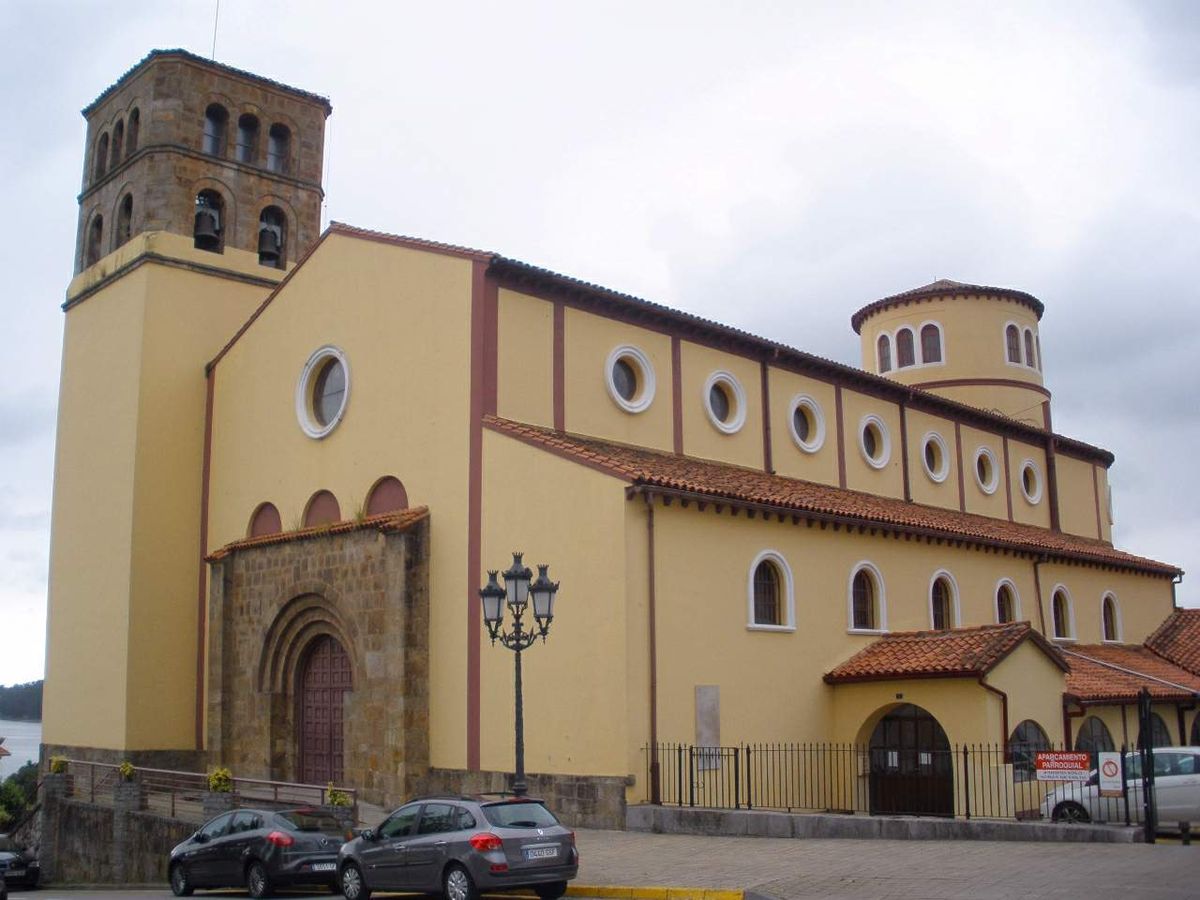
At eight in the morning the bells of San Jorge ring out and the village stirs slowly. From an open window comes the sound of a stream running over stones, and closer still, the warm smell of milk heating in a kitchen. An older man crosses the square with his dog, raises a hand in greeting and keeps going. In Penagos, the day begins like this, with few voices and footsteps on still-damp tarmac.
Those who arrive looking for tourism in Penagos usually find something quite simple: meadows rising and falling over gentle hills, neighbourhoods separated by short, winding roads, and that quiet that settles again once the first car of the morning has passed.
Sweet smells from the kitchen
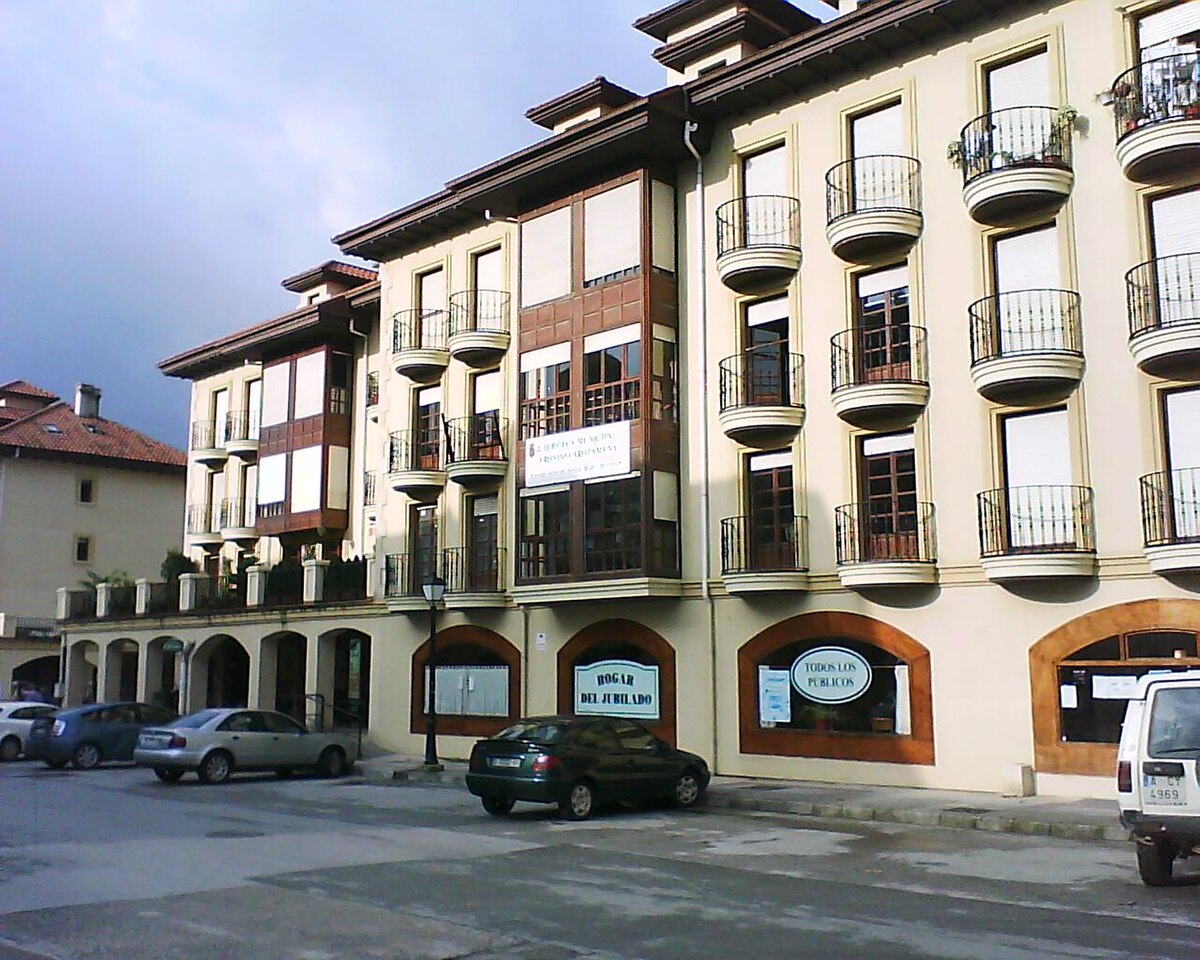
Along the street by the church, stone houses stand close together, with reddish roofs and balconies where laundry sometimes hangs, still damp from the dew. By mid-morning, a sweet smell drifts out of a few windows, warm butter with a hint of lemon. It is often quesada.
In many villages in the Pas and Miera valleys, this traditional cake is learned at home from an early age. Eggs are beaten together with cuajada or milk, butter and flour. Each family adjusts the proportions in their own way, so the result varies: some come out more golden on top, others softer in the centre. Here, it is not unusual to see it on the breakfast table or later in the afternoon, when someone puts on coffee and cuts a thick slice onto a plate.
If you spend a few days in the area, it is worth trying it in different places around the valley. The texture and level of sweetness change more than you might expect.
A municipality of hills and neighbourhoods
Penagos forms part of the historic territory known as the Nueve Valles, an old union of councils in this part of Cantabria that sought self-government towards the end of the 18th century. That history still surfaces now and then in local conversations, especially when people talk about how the valley’s villages were organised in the past.
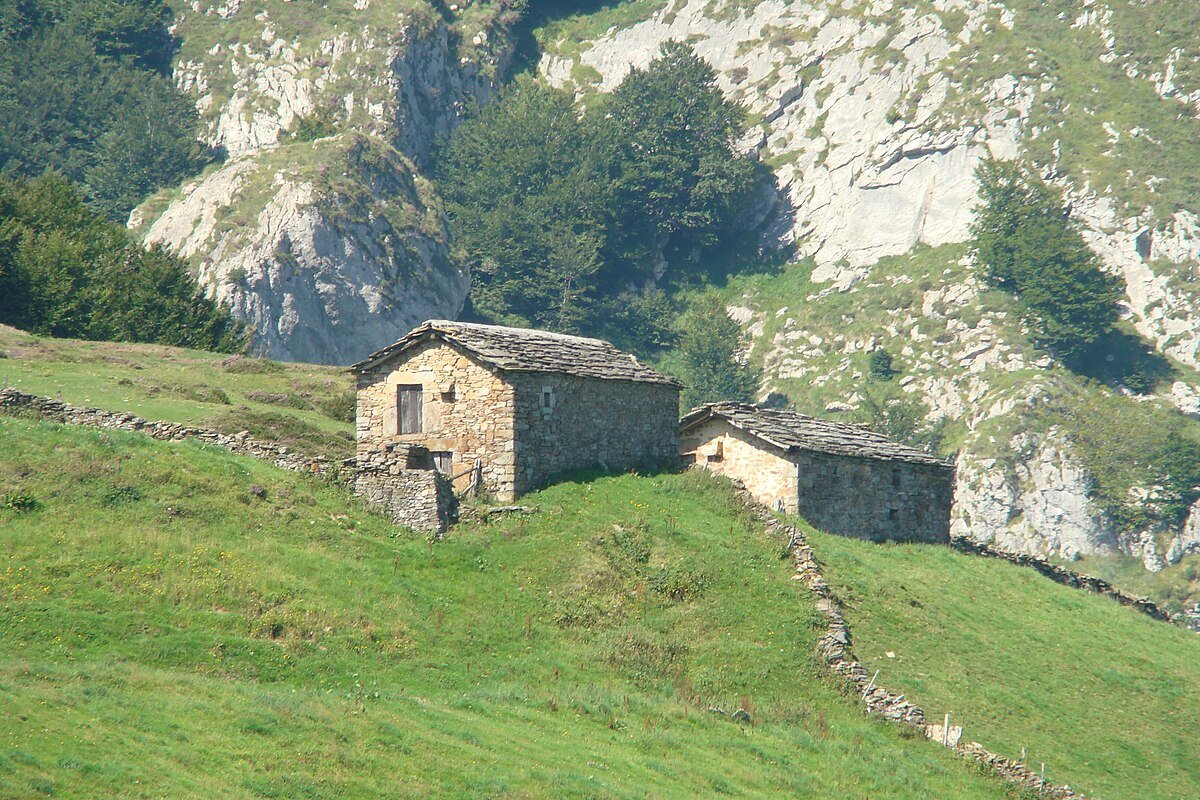
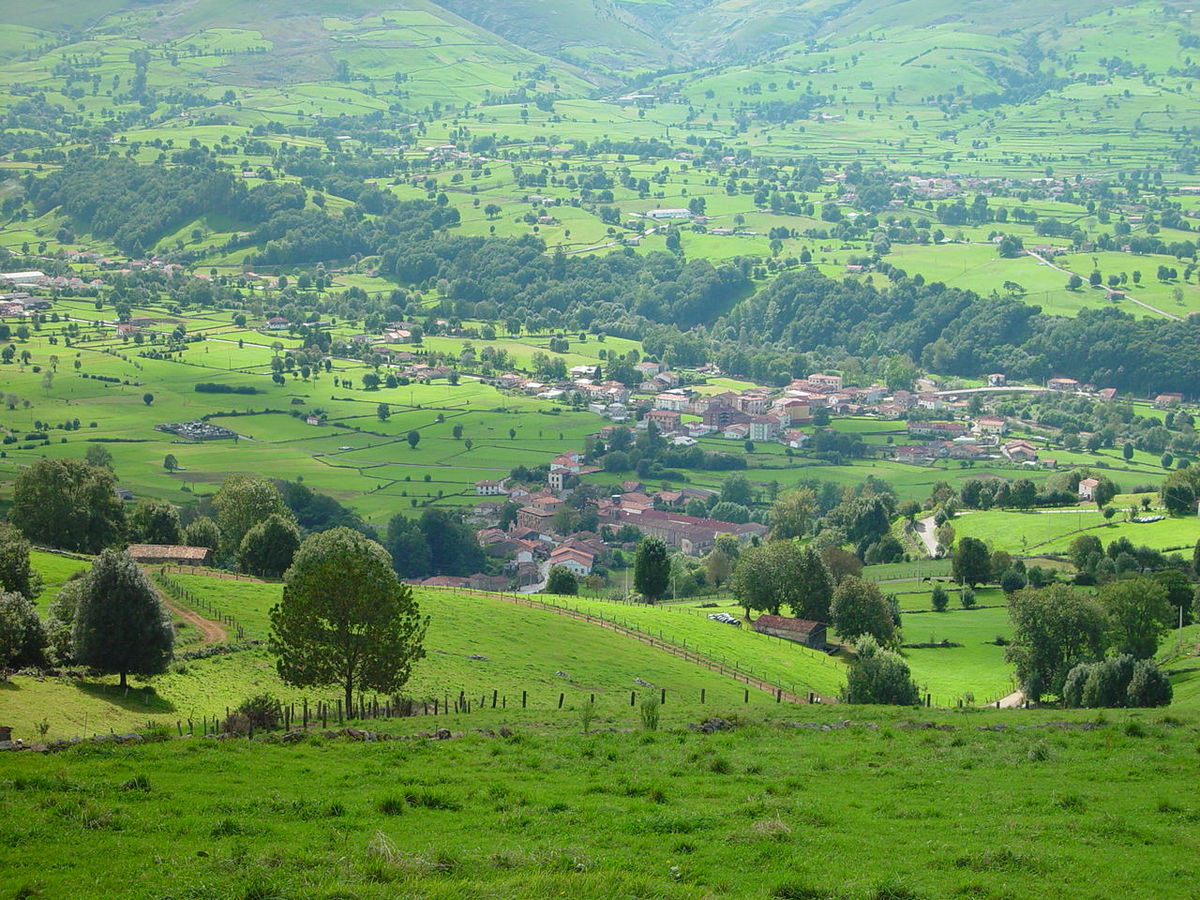
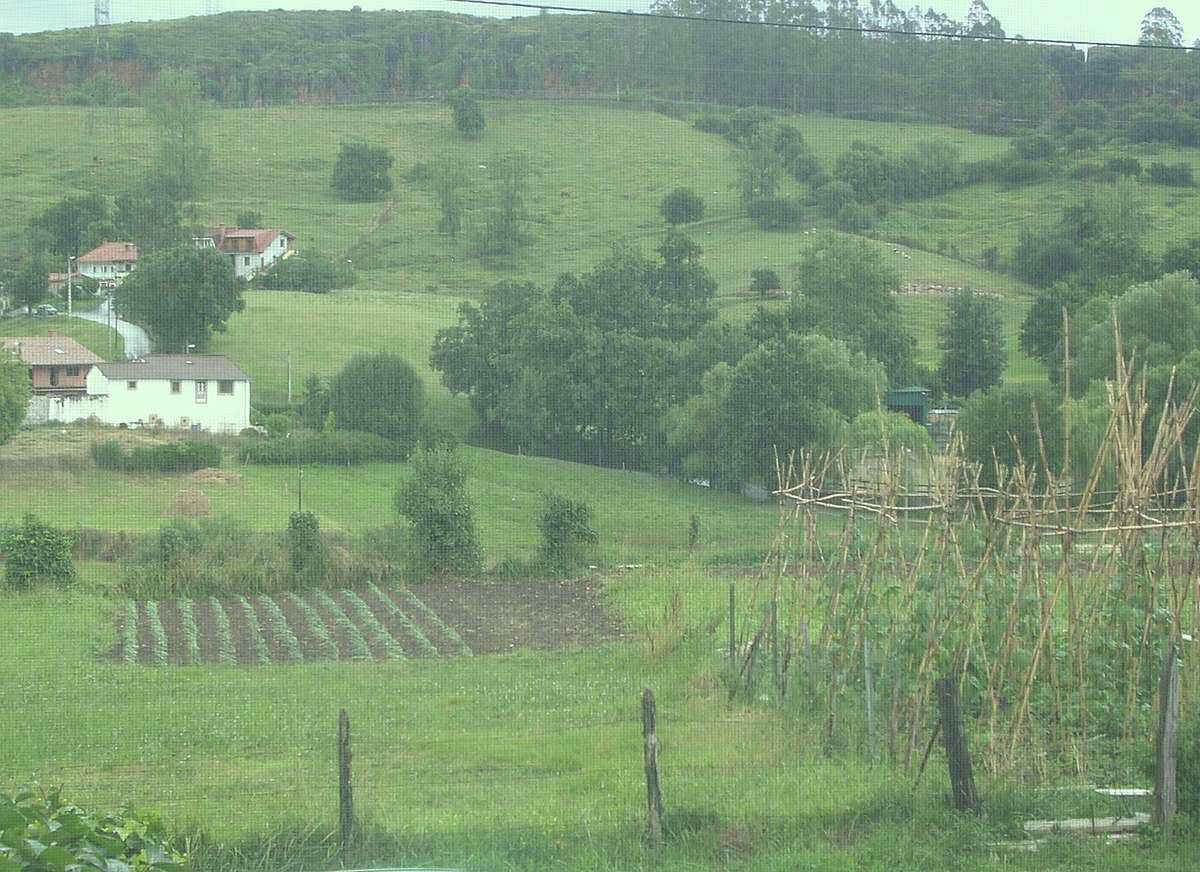
The municipality is not a single compact centre. Instead, it is spread across several neighbourhoods that face one another from low hills covered in pasture. Between them run narrow roads, stone walls and barns where the faint clinking of cowbells can still be heard when the cattle move.
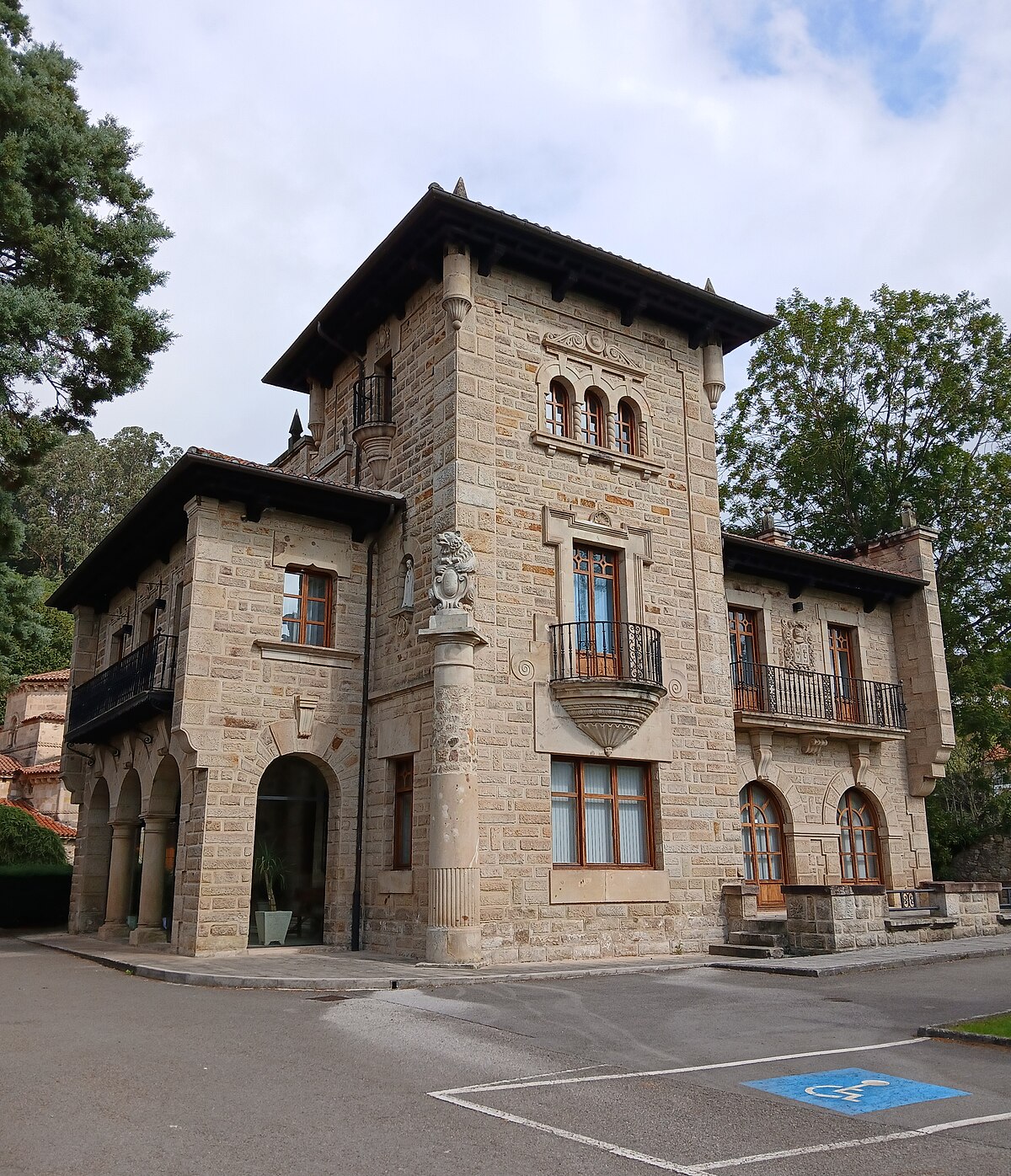
The church of San Jorge stands on one of these rises. Inside, it holds Baroque altarpieces that have remained largely intact over time. On the patron saint’s day in April there is usually a mass and a bit of activity in the square, although the atmosphere depends heavily on the weather. If it rains, people tend to drift away quickly.
Paths through the Pas–Miera landscape
From Penagos, several paths lead out towards nearby valleys. Some follow old livestock tracks and cross meadows where cows graze slowly, with little sound beyond the wind moving through the grass.
There are routes that connect with other villages in the Pasiego area, and many people walk them in sections rather than as a single long hike. The usual rhythm is to walk for a while, pass through a small oak or beech wood, then return along the same track or by road.
In spring, the landscape changes noticeably. Meadows fill with small flowers such as daisies, and, if you look closely, the occasional wild orchid. The ground softens after several days of rain, and paths can become waterlogged, so sturdy footwear is a good idea.
From some of the nearby high points, the valley appears as a patchwork: green fields divided by stone walls, scattered roofs and roads that weave between neighbourhoods.
Seasons and the pace of the place
Spring is often the most rewarding time to visit Penagos. The meadows are at their greenest, and the valley carries the scent of freshly cut grass as the first mowing begins.
August brings a noticeable shift. More visitors arrive, cars line the verges, and the quiet of early morning does not last as long. It is common for those who live here to make the most of the first hours of the day or the evening, when calm returns.
Winter tells a different story: short days, mist clinging to the hillsides and the stream running stronger after the rains. In return, there is very little movement, and the village settles back into a slower rhythm that is clear from the start of the day.
There are no souvenir shops to browse, and the walking routes are not marked with frequent signs or panels. The paths exist, but many are known more by habit than by formal wayfinding. Accommodation is also limited. What you find instead are rural houses scattered across the valley, where it is still common to arrange a stay by speaking directly with the owners.
As you leave along the road that descends towards the valley floor, it is easy to glance in the rear-view mirror and see the houses of Penagos perched on the hills. At that hour, if the sky is clear, the sun falls sideways across the meadows and the bells can be heard again in the distance. The village continues at its own pace, as if no one had passed through at all.