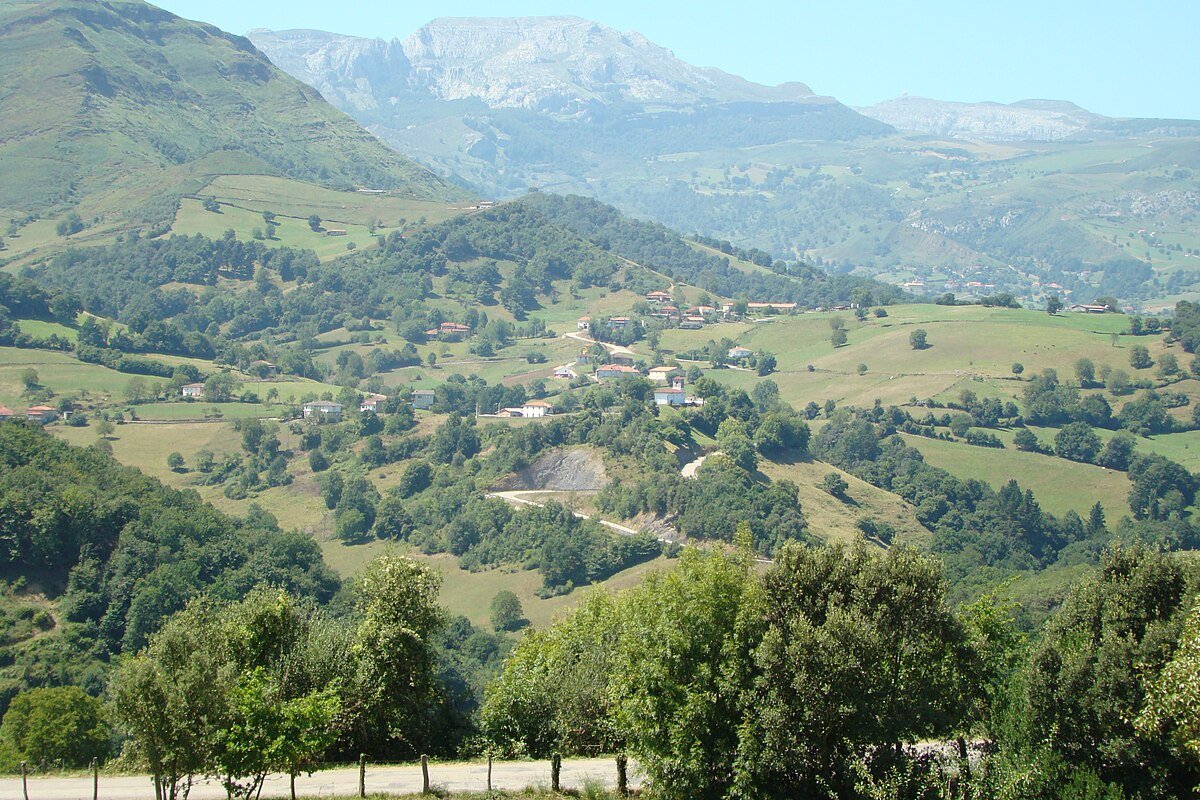
Ruesga - Flickr
Juanje Orío · Flickr 5
Cantabria · Infinite

Ruesga

The SatNav gives up somewhere between Solares and Vega de Pas. That's your first clue that Ruesga isn't trying to impress anyone. The road narrows,...

810 inhabitants · INE 2025
200m Altitude

Why Visit

Mountain Ruesga Valley Caving

Best Time to Visit

summer

San Pedro Junio

Things to See & Do
in Ruesga

Heritage

  • Ruesga Valley
  • Caves

Activities

  • Caving
  • Hiking

Festivals
& & Traditions

Fecha Junio

San Pedro, Nuestra Señora de Monescaño

Las fiestas locales son el momento perfecto para vivir la autenticidad de Ruesga.

Full Article
about Ruesga

Caves and deep valley

Ocultar artículo Leer artículo completo

The SatNav gives up somewhere between Solares and Vega de Pas. That's your first clue that Ruesga isn't trying to impress anyone. The road narrows, the verges sprout wild garlic, and suddenly you're brake-testing for a herd of brown-and-white cattle being moved between meadows. They take their time. So should you.

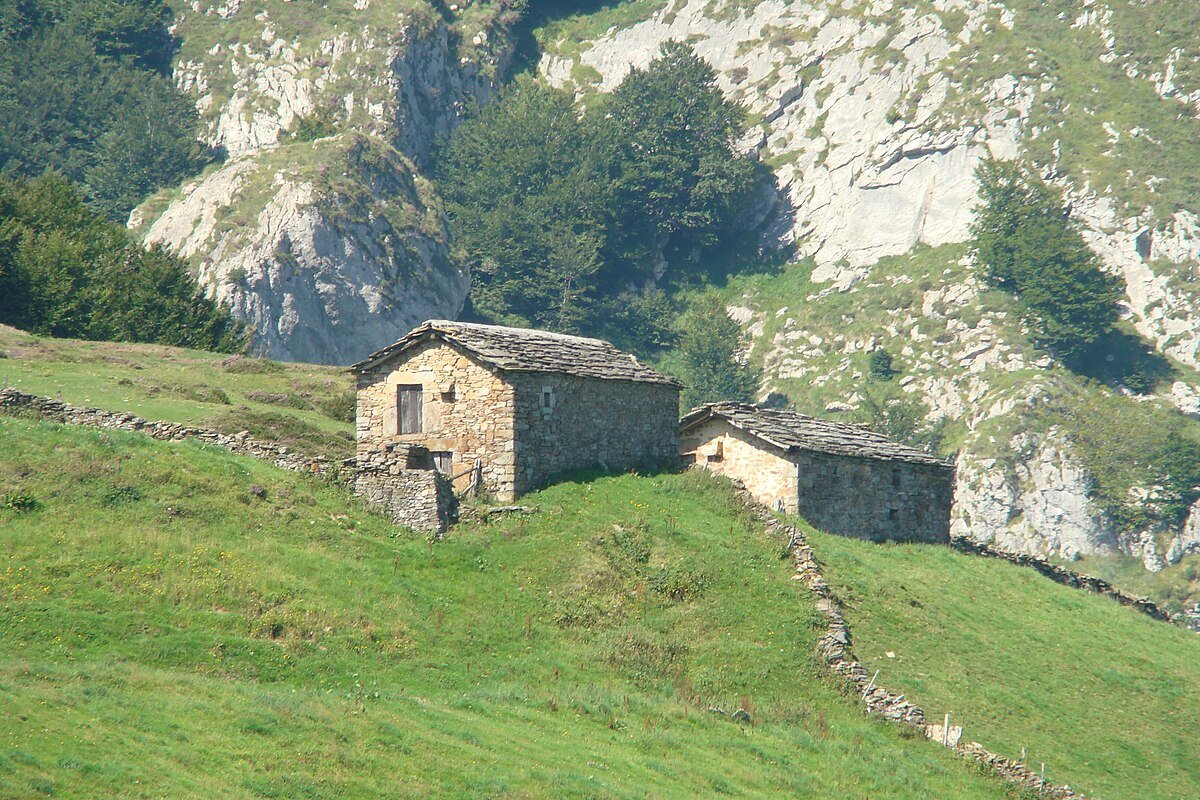
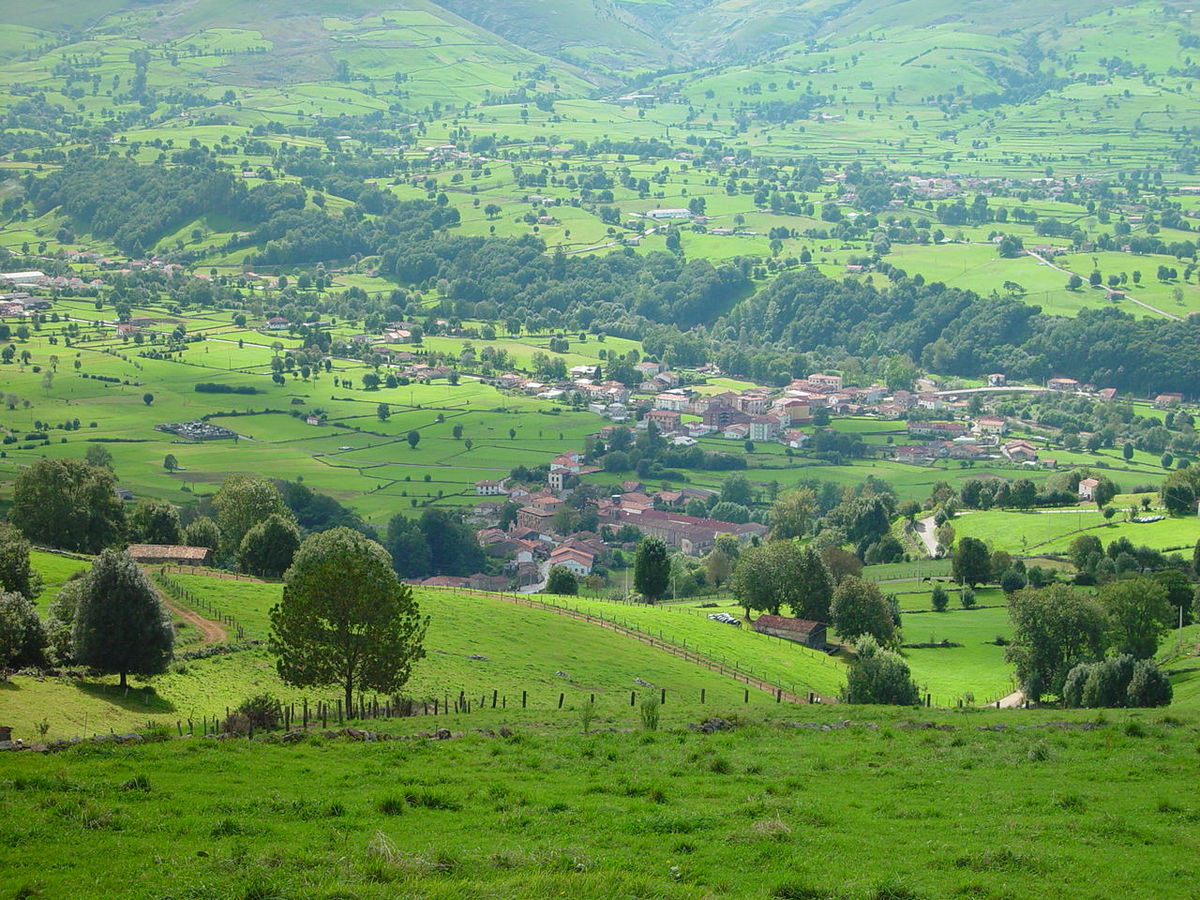
This scatter of hamlets in Cantabria's Pas-Miera comarca operates on valley time. Five thousand people live across 18 separate nuclei—Calseca, Cayón, Cohiño—each with its own church, bread oven, and opinion about the weather. The council headquarters sits in Valle, technically the capital, though you'd miss it if you blinked after the bend. There is no high street, no souvenir shop, no medieval quarter restored with EU money. What exists is 70 square kilometres of Atlantic-green pasture, beech wood, and limestone ridge, stitched together by stone walls older than most countries.

Architecture Without the Postcard Routine

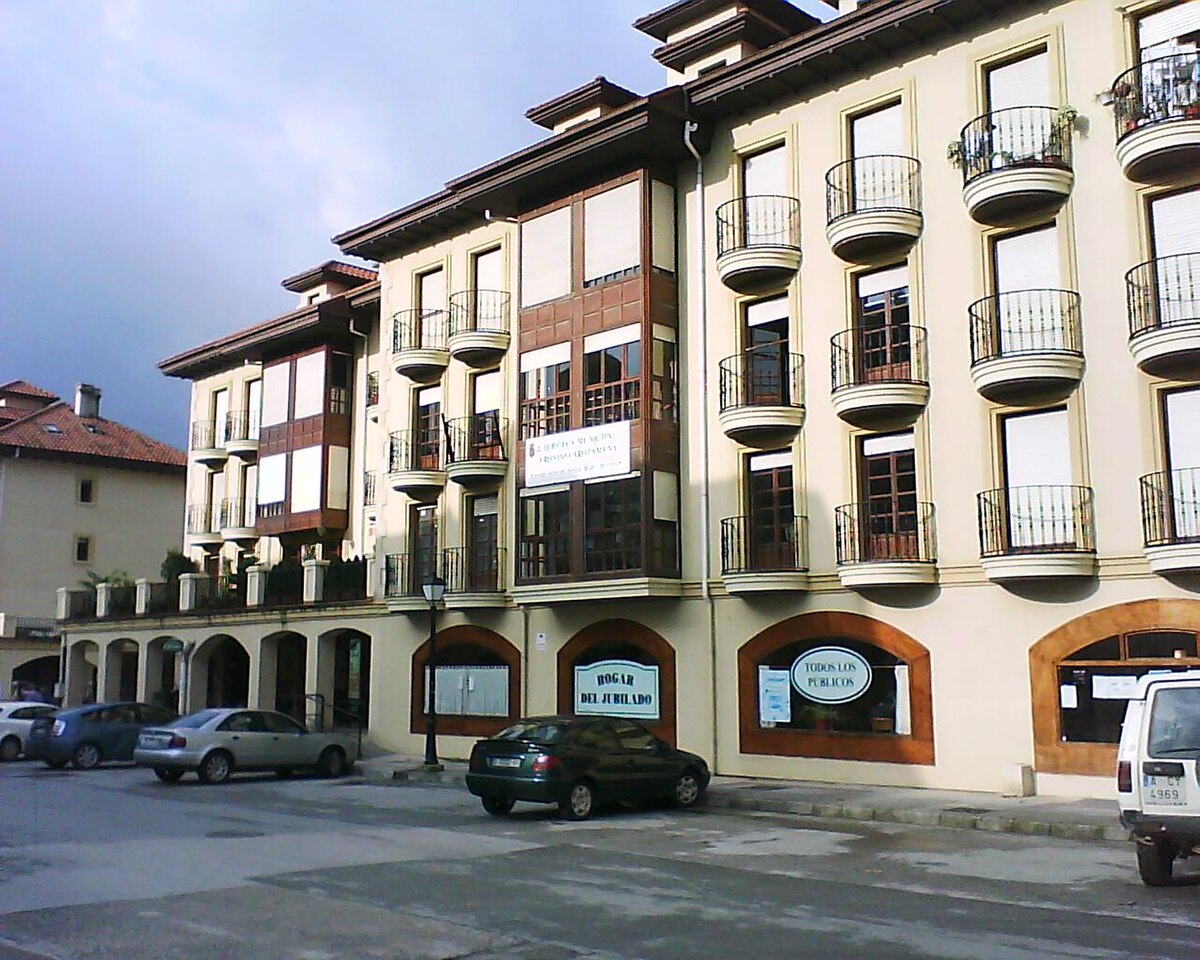
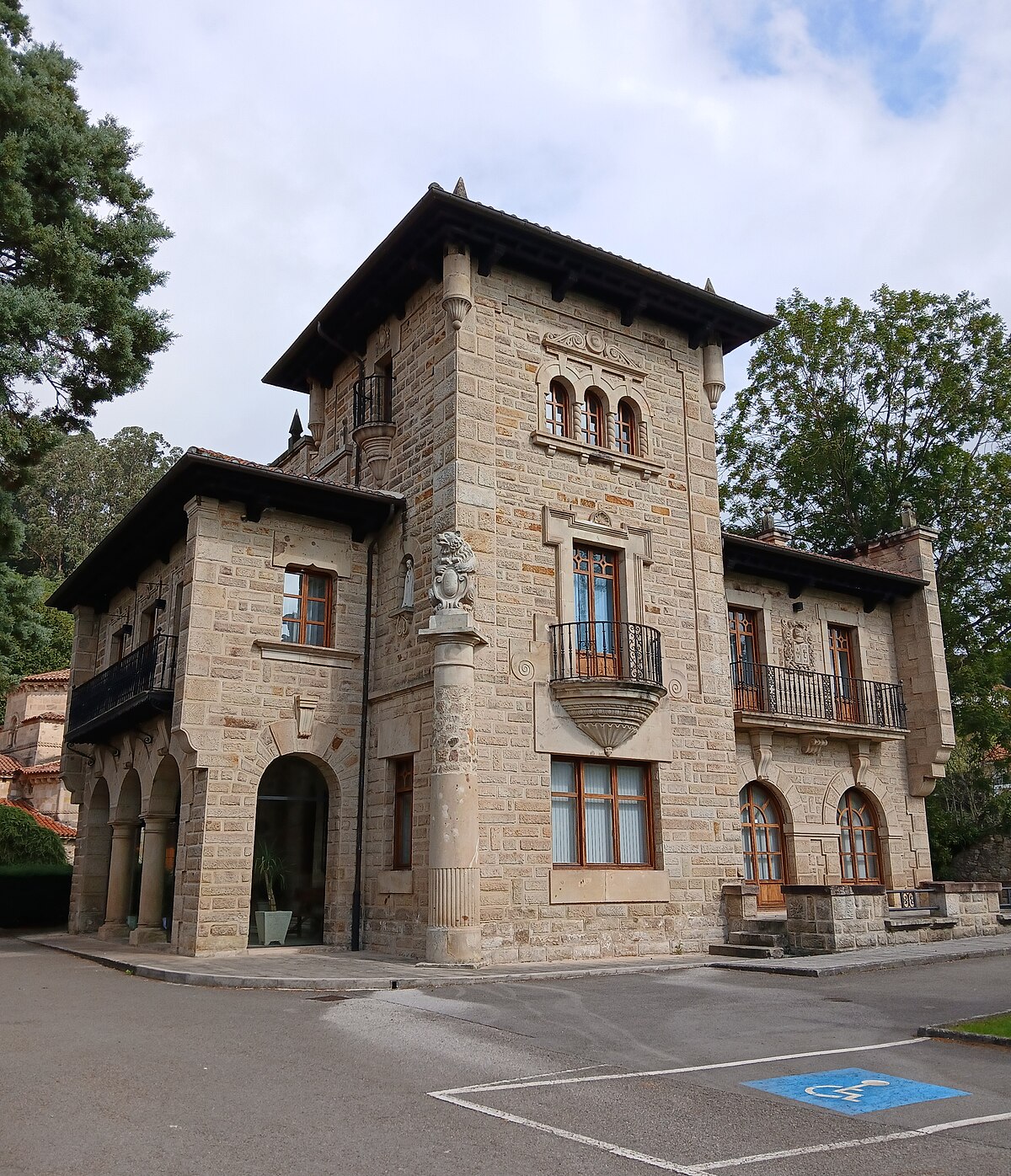
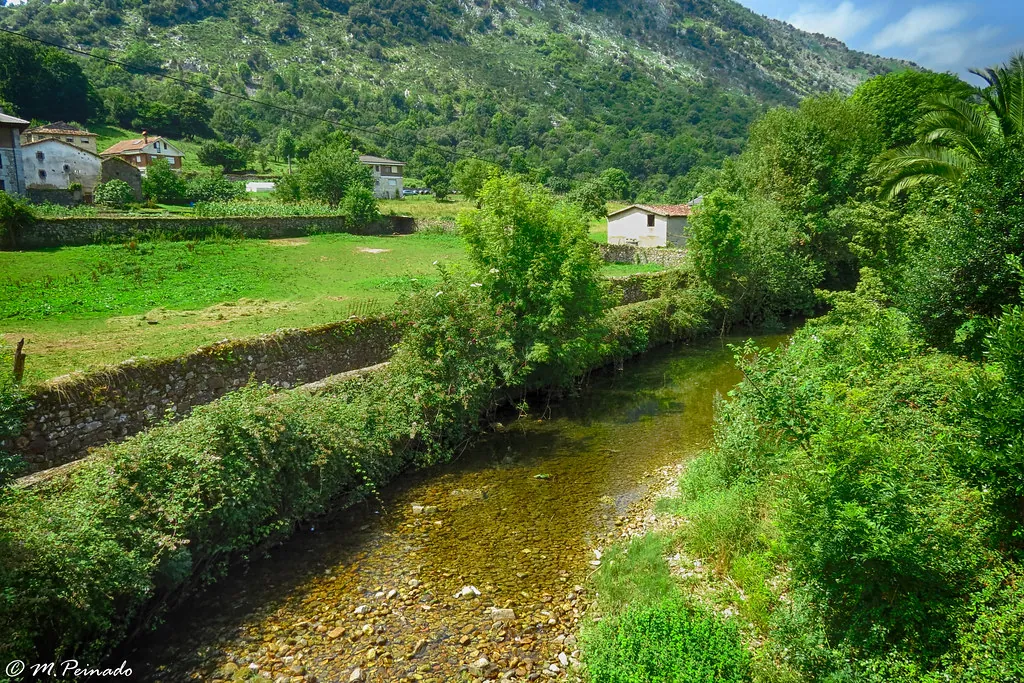
The traditional houses here are working documents, not museum pieces. Pasiega cottages—low, long, and built for livestock to sleep downstairs—sit next to taller montañesa farmhouses whose wooden balconies were designed for drying chestnuts and gossip. Granite walls bulge, slate roofs sag, and every third shed seems to have a tractor older than the driver. In Calseca the parish church of San Andrés keeps watch from its knoll; if you're lucky the key-keeper will be pruning roses outside and let you inspect the sixteenth-century retablo inside. If not, the south doorway's carved tympanum—Christ surrounded by what looks suspiciously like local farmers—repays a ten-minute study.

Beyond the lanes, the landscape opens into what geographers call a poljé: a limestone basin that drains underground. When it rains (often), streams disappear down shakeholes and reappear two valleys away. The result is a sponge country of sudden bogs and unexpected springs. Walkers who assume a dry track at dawn can find a shin-deep torrent by lunchtime.

Walking, But Check the Forecast First

There are no pay-and-display car parks, no colour-coded waymarked circuits. What you get is a lattice of drove roads, miners' paths, and short-cuts that farmers have used since iron was a novelty. A good starter is the hour-long loop from Calseca up to the meadow ridge above the Río Miera. The gradient is sharp enough to make conversation difficult, but the payoff is a view south along a daisy-chain of limestone escarpments that ends at the snow-streaked Peña Cabarga. Buzzards mew overhead; below, stone walls tilt at angles a surveyor would weep at.

Longer routes link the poljé de Matienzo with the cave systems that attract British cavers each spring. The Yorkshire Underground Club has been coming since 1975; they camp in a riverside meadow and spend three weeks mapping passages whose entrances look like innocent rabbit holes. You need a permit from the Federación Cántabra de Espeleología to enter most systems—apply online, print it, carry it. The federation's website helpfully lists which caves are flooded; ignore the warnings and you can find yourself swimming in 8 °C water with a roof over your head.

What Turns Up on the Plate

Food is altitude cooking: everything that keeps when the snow cuts the valley off. In the bar of Casa Tomás in Valle the menú del día still costs €12 mid-week. Expect a bowl of cocido montañés—white beans, black pudding, pork belly—followed by grilled lamb chops the size of a child's hand. The chops arrive plain, no chimichurri or rosemary foam, just salt and the faint taste of oak smoke from the open fire. Dessert is quesada pasiega, a baked cheesecake that splits the difference between Yorkshire curd tart and crustless Basque cheesecake. Drink the still local cider if you want something tart; ask for sidra dulce if you prefer it approaching an English medium-dry.

Outside mealtimes the valley goes quiet. Spanish hours apply: kitchens fire up at 14:00 and 21:00 sharp. Arrive at 15:30 and you'll be offered crisps and a resigned shrug. The nearest cash machine is in Valle's BBVA branch—unless it has run out of notes, which happens most weekends—so fill your wallet before you leave the A-8.

When to Bother, When to Stay Away

April and May fling a green so vivid it looks Photoshopped. Meadows glow with ox-eye daisies, cowslips, and the occasional early orchid. The downside is mud. Paths that sheep have trampled all winter turn to chocolate mousse; gaiters are not a fashion statement, they're survival kit. October brings beech copper and chestnut bronze, plus stable high pressure that makes for sharp photographs and dry tracks. Mid-summer is warm—24 °C on the valley floor—but the poljé traps humidity, so walkers start at dawn and finish by elevenses. August fiestas draw emigrants back from Bilbao and Santander; every village hosts its own romería complete with sack races, brass bands, and cider until 03:00. Accommodation triples in price and the single-track roads fill with cars whose drivers learned to park in city centres. Choose your poison.

Winter is a different valley. Above 600 m snow can fall overnight; the road from Vega de Pas becomes a bobsleigh run. Farmers fit chains, everyone else waits. If you do arrive on a bright January morning you'll have the tracks to yourself, plus wood smoke curling from chimneys and the sound of ice cracking in stone troughs. Just don't assume the bar will be open—many close for a month while owners visit grandchildren in Madrid.

The Useful Bits, Sans Sugar-Coating

Driving: from Santander airport (Ryanair from Stansted, Manchester, Edinburgh) take the A-8 west to Solares, then follow the CA-441 inland. The final 20 km are switchbacks; allow 55 minutes total. Petrol last available at Ramales de la Victoria—fill up, especially on Sundays.

Walking gear: proper boots, waterproof jacket, OS-style map. Phone signal dies in the poljé; download offline maps before you set off.

Language: English is rarely spoken outside the caving campground. A Spanish phrase-book—or a friendly wave at the farmer—opens more doors than perfect grammar.

Mistakes to avoid: parking in front of field gates (tractors need access), assuming a dry riverbed will stay dry, booking a hotel in Palencia's Ruesga by mistake—always specify Valle de Ruesga, Cantabria.

Leaving Without the Gift Shop

Ruesga doesn't do tat. What you take away is likely to be a boot full of sheep manure and the memory of a valley where the loudest sound is a cowbell. That, and the realisation that "nothing to see" can mean "everything to notice"—if you adjust your pace to bovine rather than broadband. Drive out slowly; the cattle still have right of way, and nobody's in a hurry to change that.

Key Facts

Region
Cantabria
District
Pas-Miera
INE Code
39067
Coast
No
Mountain
Yes
Season
summer

Livability & Services

Key data for living or remote work

2024
ConnectivityFiber + 5G
TransportTrain 12 km away
HealthcareHealth center
Housing~5€/m² rent · Affordable
CoastBeach nearby
Sources: INE, CNMC, Ministry of Health, AEMET

Planning Your Visit?

Discover more villages in the Pas-Miera.

View full region →

More villages in Pas-Miera

Traveler Reviews