Full Article
about San Roque de Riomiera
Peaks of the Pasiego valleys
Hide article Read full article
At ten in the morning, a gate clicks shut. A car climbs the road at a steady pace, a cowbell carries from a meadow. This is when the mist often arrives in San Roque de Riomiera, sliding down from the hillsides and softening everything except the dark roof of a cabaña pasiega and the line of the Miera river.
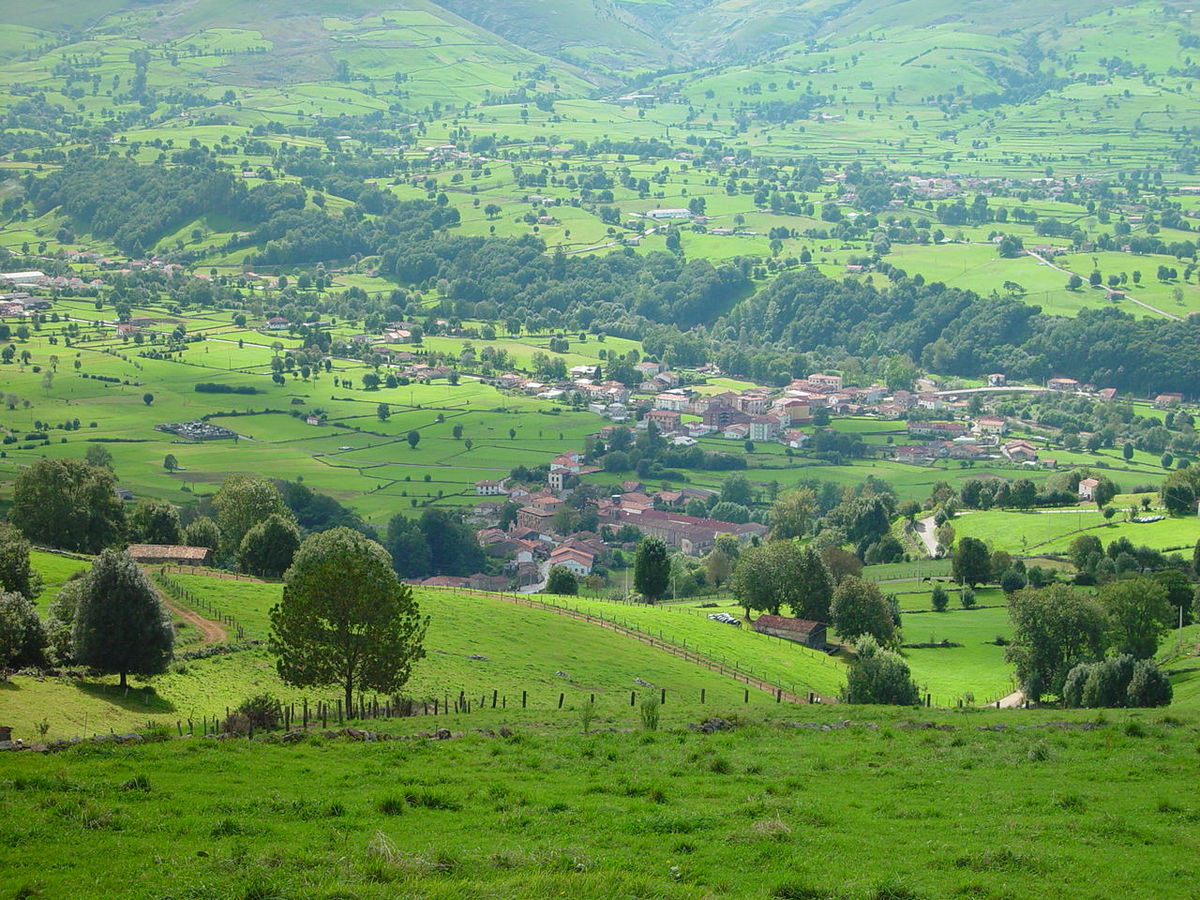
Tourism here has no historic centre. The focus is the land itself. Sloping meadows stretch across the valley, low stone walls gather moss, and roads trace the valley floor before climbing towards scattered neighbourhoods. With barely three hundred residents, the municipality is a collection of small clusters. Moving between them means driving, and stopping wherever the terrain allows a car to pull over.
The logic of the slopes
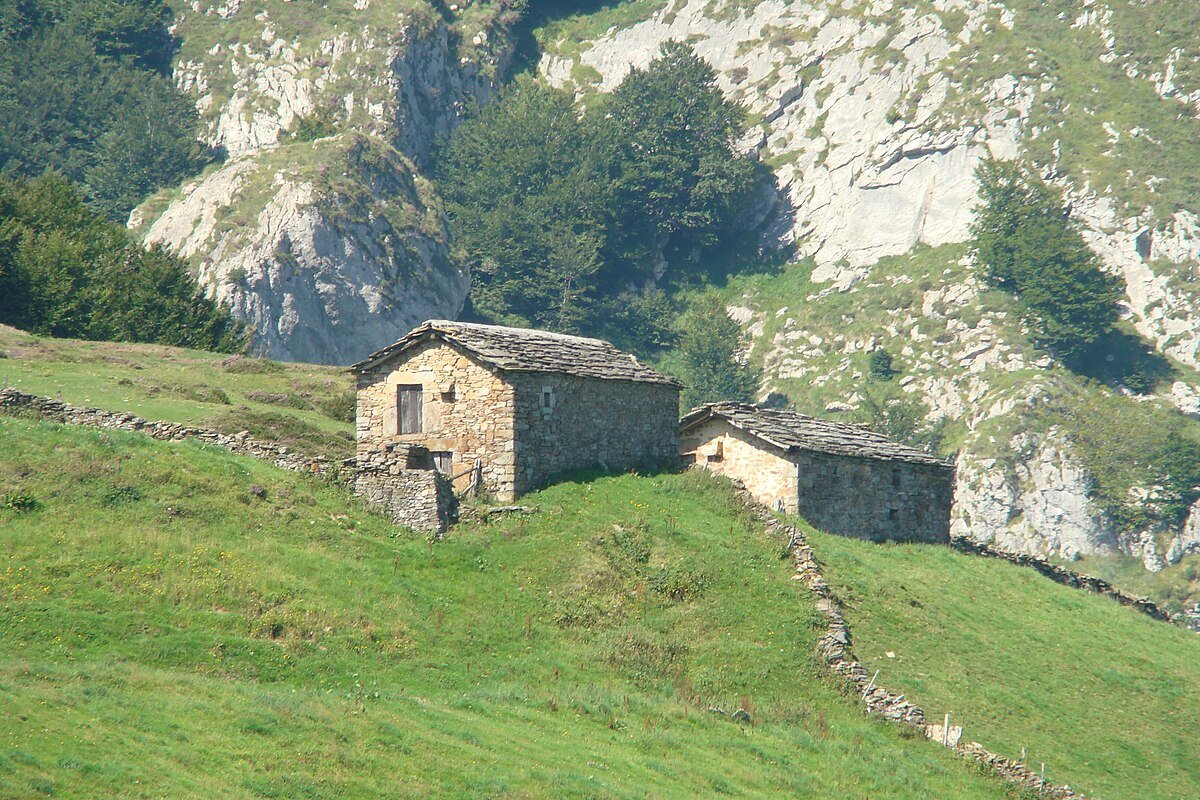
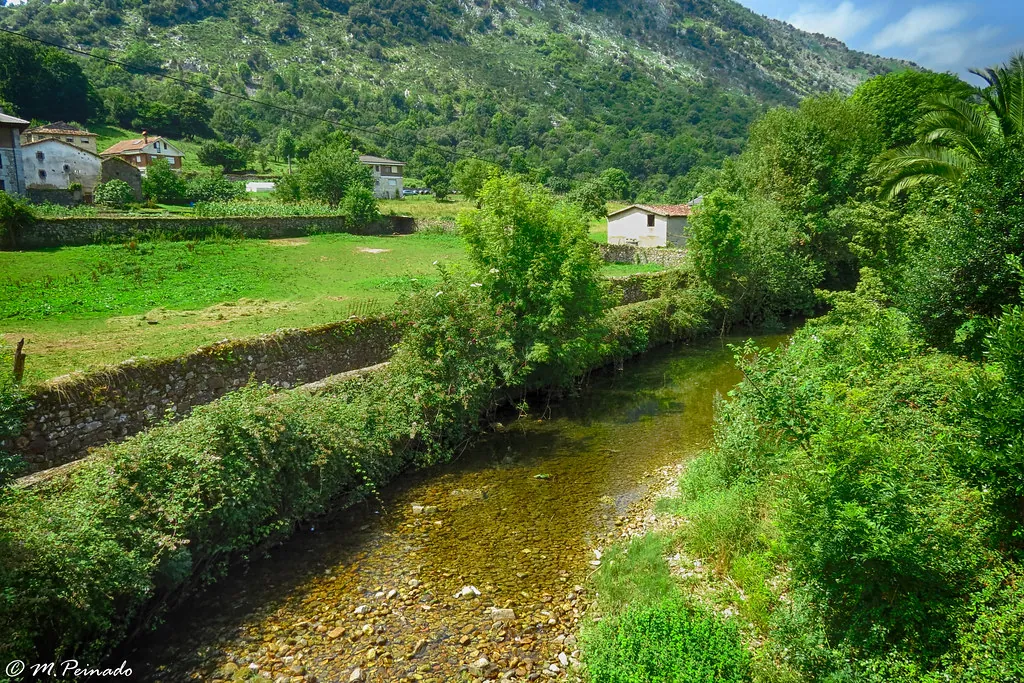
There is no central square to guide you. To understand San Roque, you look at the hills. The cabañas pasiegas appear scattered, nearly always beside enclosed meadows. They are built from stone and wood, with steep roofs designed for the heavy rain and winter snow.
Many are still used for agricultural work, some only at certain times of year when livestock moves between pastures. A short walk along any track brings them into close view. The wood is darkened by time, the doors are wide, and the ground around them stays damp long after the rain stops.
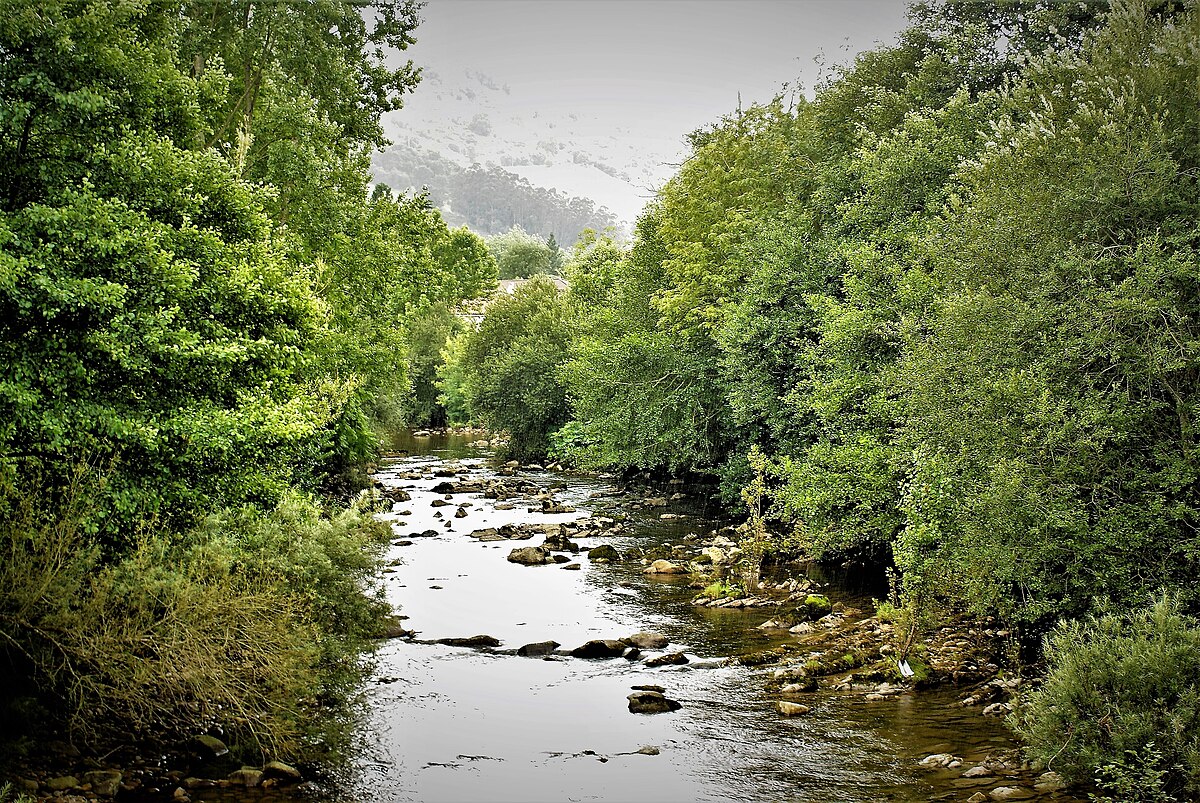
The Miera river runs through it all. In the shadier sections, beech and oak woods take hold, offering relief on a summer day. Rain changes the terrain quickly; the ground becomes soft and slippery underfoot almost immediately.
A shift in perspective
You don’t need a long route. A short walk along a track that climbs from the valley floor is enough. After about half an hour, the view opens up: meadows appear in tiers and the huts sit apart from each other, like scattered pieces on a board.
It’s best to avoid cutting across open countryside. Boundaries between plots are not always clear, and many areas are actively grazed. The main tracks are your simplest path.
You stop where you can—a roadside pull-in, a small rise near a cluster of houses. The mist can close in quickly, narrowing the world to just a few metres. If you wait, it often changes everything. The air can lift just as fast, revealing the full shape of the valley again.
What you eat here
The food is straightforward. You’ll find sobaos pasiegos and quesadas in local bakeries; they are traditional sweets from these valleys.
Colder months bring spoon dishes and stewed meats. A warm meal after walking a steep track makes a tangible difference. Don’t look for elaborate cooking. What appears on the table is simple, filling, and tied to the rhythm of work here.
When the neighbours gather
Celebrations for San Roque usually happen around 16 August. The exact date can shift depending on the year. Summer also brings smaller festivities in different neighbourhoods across the municipality.
These gatherings are largely local affairs. Music and food bring together neighbours who have known each other for decades. If you plan to come during these dates, check ahead—information doesn’t always circulate far in advance.
A few things to know
A few hours can give you an initial sense of place. One approach is to explore the main settlement and then follow a nearby track uphill. The higher ground shows how everything is arranged across the slopes.
A full day often combines short drives with brief walks. The municipality is small, but the gradients are deceptive. What looks short on a map usually involves a significant climb.
Pay attention to parking. Many tracks and gateways are working access points. Blocking one can interrupt livestock or machinery. Notice how gates are left; if you find one closed, leave it that way.
The ground rarely dries completely. You will encounter wet grass, mud, and smooth stone even on a short stroll. Footwear with good grip proves more useful than you might think.
Light through the year
Spring covers the valley in an intense, almost liquid green. Meadows grow quickly and moss spreads across every stone wall. Autumn shifts the tones to something more muted—ochres and browns—with frequent morning mist.
Summer brings longer days and a little more movement, though the area never feels busy. Midday can feel warm if the air sits still in the bottom of the valley.
Winter is a different atmosphere altogether. Mist, cold, and a deep silence dominate. Views sometimes disappear entirely, but the landscape gains texture instead: water gathers in puddles on the tracks, every surface darkens, and the shapes of the land feel closer, more defined.