Full Article
about Santa María de Cayón
Sports valley of Cantabria
Hide article Read full article
The Neighbour with the Best Milk
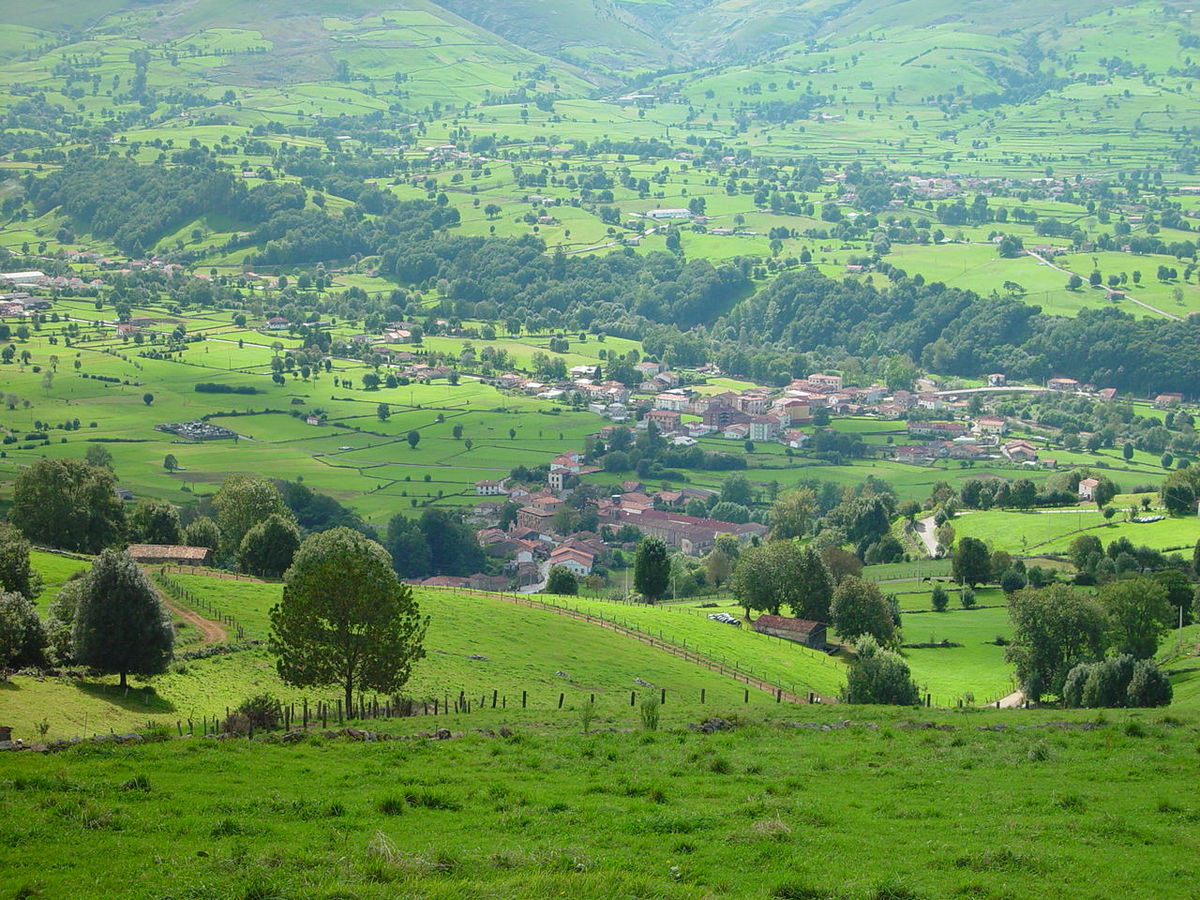
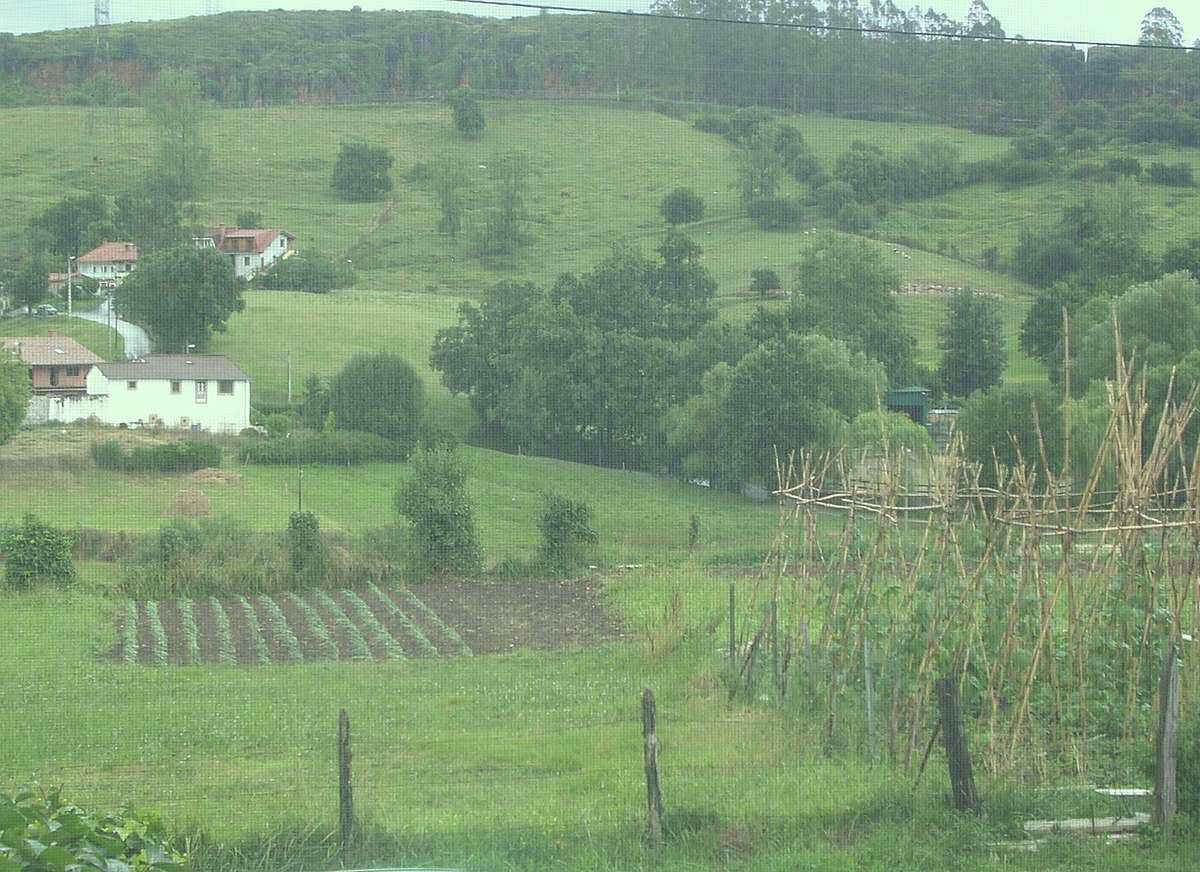
Santa María de Cayón is that kind of neighbour. The one who always has fresh milk in the fridge and greets you with soil still on their hands from the garden. It’s not flashy. You drive out from Santander, leave the bay behind, and the land opens into meadows. This is the most populated town in the Pas-Miera valley, which in Cantabria means just under ten thousand people. You know you’ve arrived when you’re sharing the road with cows that look like they own it.
The Quesada Question
If you want to start an argument here, ask who makes the best quesada pasiega. This dessert is serious business. It’s built from fresh cheese, eggs, sugar, and a bit of lemon, but that’s where the agreement ends. Every household has a version. Some are dense and custardy, others lighter, some with a darker baked top. It’s like arguing over your aunt’s potato salad recipe.
The secret weapon is the butter. The local stuff has a grassy, farmyard depth that tastes like the valley itself. They serve it warm sometimes, and it takes willpower not to burn your tongue diving in. Let it sit for a minute. The flavour gets deeper.
Then there’s sobao. It’s a butter bomb disguised as a sponge cake, unapologetically rich. You find them in family bakeries that aren't always obvious shops. Sometimes it's just a house with an open door and the smell of browned butter pulling you in off the street.
Stone Churches and Old Stones
The Romanesque churches here don't announce themselves. They just appear between houses.
The church of Santa María, in the town centre, is a solid block of stone from the outside. Inside, it's all wax-polished wood and quiet shadows, that familiar cool air of northern Spanish churches.
San Andrés de Argomilla feels different. It was a Benedictine abbey once. Around it sits a small cemetery filled with stone sarcophagi so old they look like part of the landscape. Some are plain slabs; others have simple crosses carved into them. Together, they tell you more about medieval status than any museum plaque.
If you're around late September, you might see people walking up Monte Carceña for the romería de San Miguel. It's a steady climb to a hermitage at the top. The walk isn't epic, but your legs will feel it. The point isn't the hike; it's who does it every year because their family always has.
Walking Without a Crowd
Monte Carceña is the big hill over everything. Starting from the valley floor makes it feel proper. Paths go up through oak woods and scrubland that smells of damp earth in autumn.
The top has one of those official geodetic markers bureaucrats love. On a clear day you can see north to a sliver of sea and south to Cantabria's interior mountains. When fog comes in, it rolls across like a slow tide.
For something easier, follow paths along the Suscuaja River under chestnut trees. Autumn brings mushrooms everywhere. Look, don't pick unless you really know what you're doing. Locals do. You'll often see them filling big plastic bottles at springs by the path. They'll tell you this water is better than anything from a tap. They're probably right.
When Everyone Is Out
Mid-August is for La Virgen de la Asunción. The town fills up. There are stalls, music that goes late, and that specific energy where everyone seems to know each other. The main square doesn't stop moving.
Winter is quiet. But even then, in one of the smaller villages, you might find neighbours drinking hot chocolate in the cold, running a humble raffle, keeping things going.
How to Visit This Place
Don't treat Santa María de Cayón like a checklist. There's no perfect photo spot everyone queues for, no compact historic core to cross off. It works better as a slow loop: park, walk through Argomilla, find someone selling quesada from their kitchen, then point yourself up a hill path.
Its appeal is in those ordinary rhythms: the empty road, the baking smell at ten in the morning, the steady pull of a climb, and life running on its own clock. It's not for ticking boxes. It's for settling into someone else's pace for an afternoon