Full Article
about Santiurde de Toranzo
Mansions of the Toranzo valley
Hide article Read full article
A Place That Doesn't Behave Like a Village
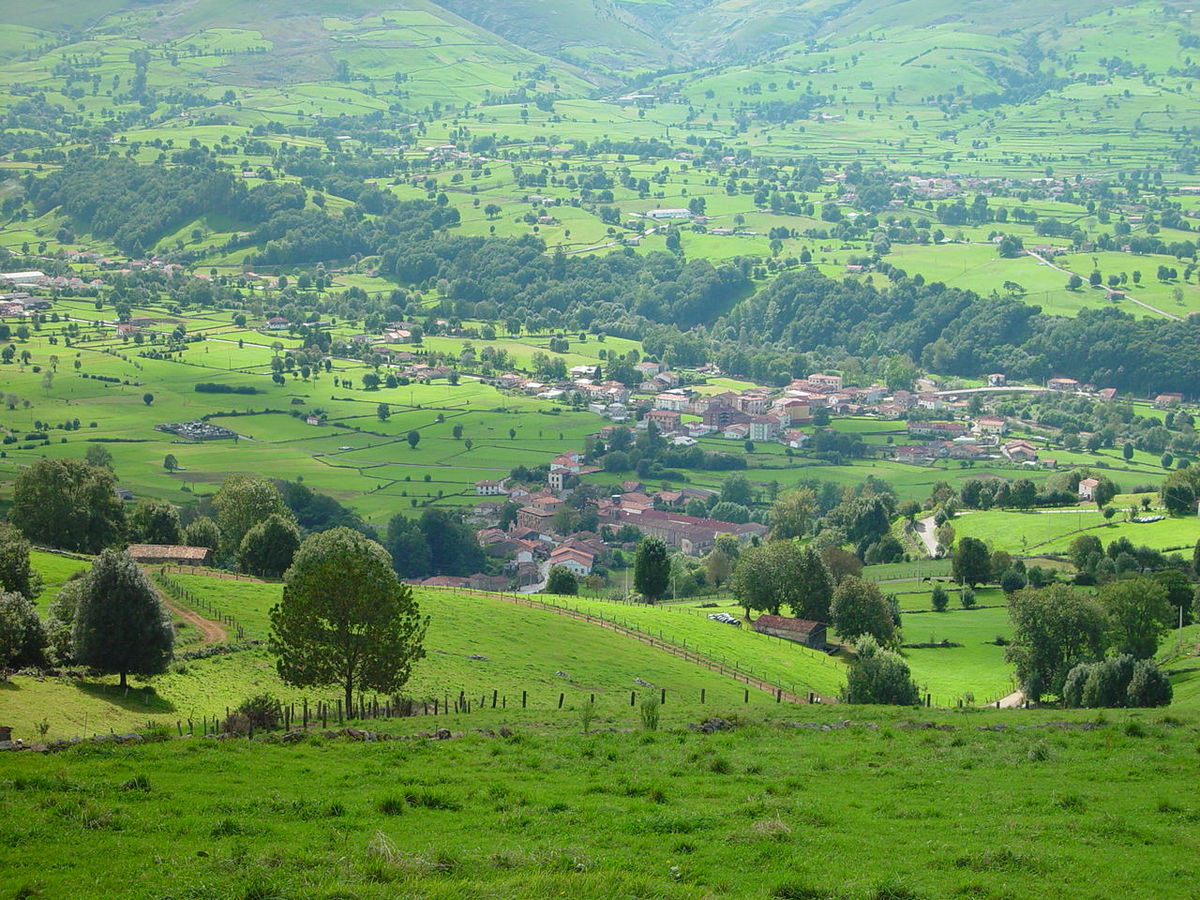
Santiurde de Toranzo is the kind of place that makes you check your map twice. You know when you’re expecting a village and you end up in a series of neighbourhoods connected by a river and a road? That’s this place. It feels less like arriving somewhere and more like slipping into the rhythm of the Pas valley.
Life here has its own cadence, set by tractors on the CA-261 and cows heading back to barns. The movement you see isn’t for show; it’s someone going to the panadería or checking on a field. The centre isn't a plaza—it's basically the whole, spread-out valley.
Getting Your Bearings (What There Is to See, Without Fuss)
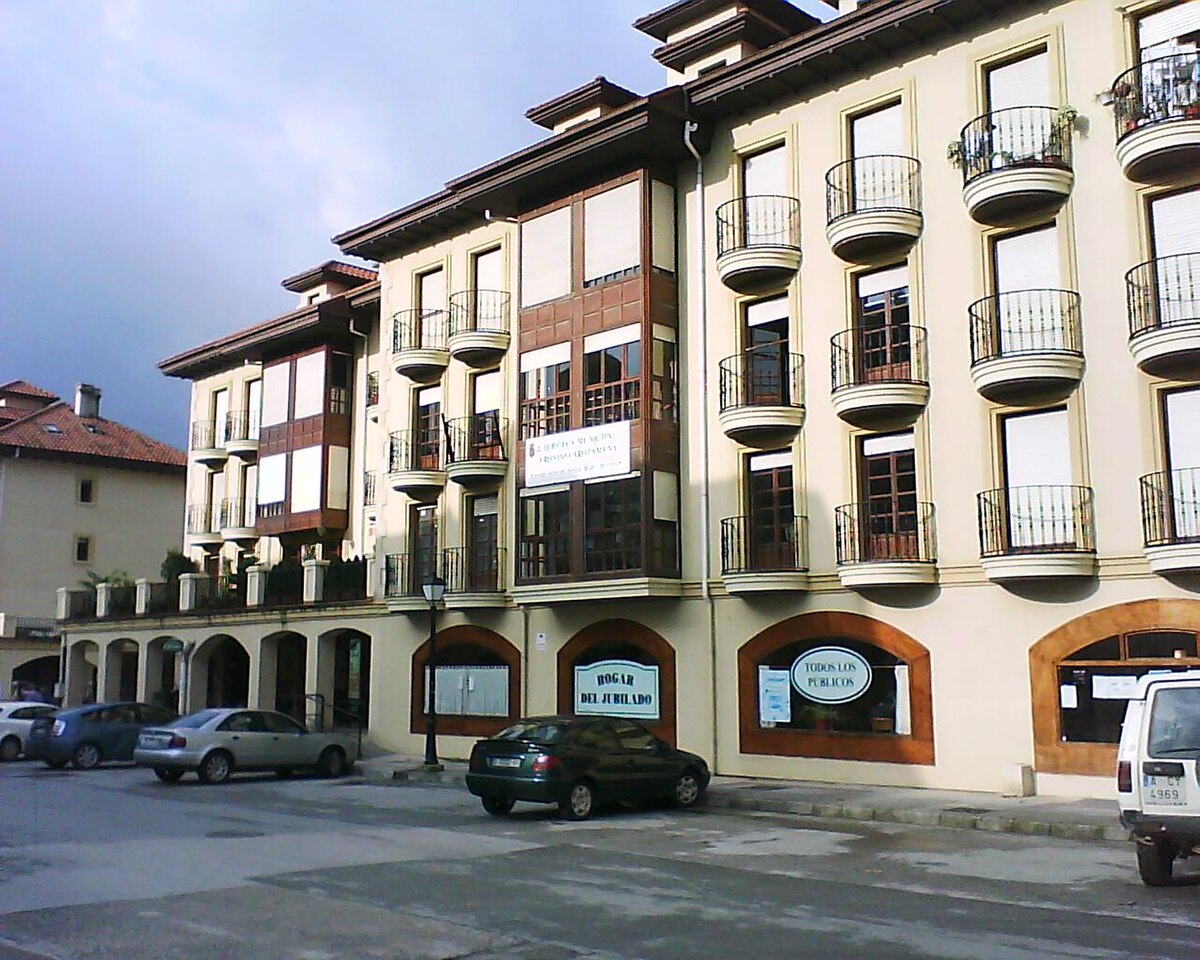
Don’t come looking for a grand tour. Come looking for moments. Start at the parish church of San Andrés. It’s not going to blow your mind, but it has that quiet, solid feel of old Cantabrian stone. The real story is in the houses around it, with their coats of arms and wooden balconies that tell you this valley had its prosperous days.
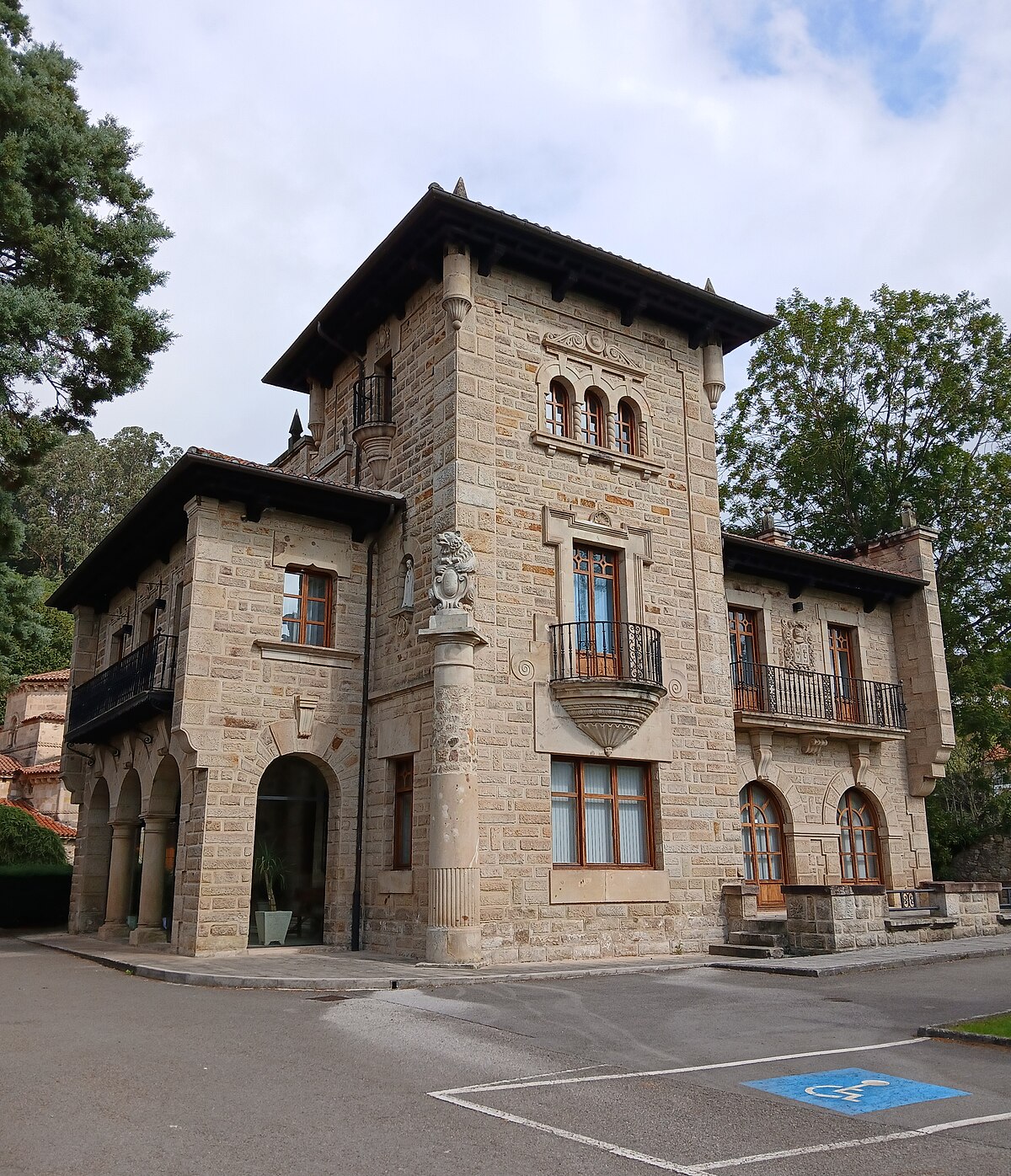
From there, just wander. You’ll spot dates carved over doorways and those classic south-facing solanas—the glassed-in balconies that are basically winter sun traps. In Bárcena, the Palacio de Bárcena sits there like a dignified reminder of past times. You can’t usually go in, but seeing it from the road, surrounded by its old barns and meadows, tells you everything about how these estates worked.
And then there’s the river Pas. You don’t need a specific spot. Just pull over where the valley feels wide, walk to the bank, and you’ve got it: the soft hills, the green so intense it almost hurts your eyes in spring, and that deep quiet only broken by water.
Moving Through the Valley (The Practical Bits)
Getting around is straightforward until it isn’t. The distances on Google Maps are lies. A two-kilometre drive can take ten minutes thanks to bends, a slow-moving tractor, or your own desire to stop because the light just hit a meadow perfectly.
You’ve got a mix underfoot: proper asphalt on the main road, concrete tracks leading up to farms, and dirt paths by the river that get properly slippery after rain—so wear shoes that can handle mud.
If you're on a bike, know this: it's not flat. It's a constant gentle up-and-down that reminds your legs they're in a valley.
As for food, it's what you'd hope for. Stop at any local tienda and you'll find sobaos pasiegos, still wrapped in paper, and quesadas that taste like sweetened milk from down the road. For something heavier, look for cocido montañés. It's a bean-and-cabbage stew that sticks to your ribs in the best way possible.
A quick note if you fish: regulations on the Pas change often and are taken seriously. Check current rules before you even pack your rod.
What Guidebooks Tend to Skip
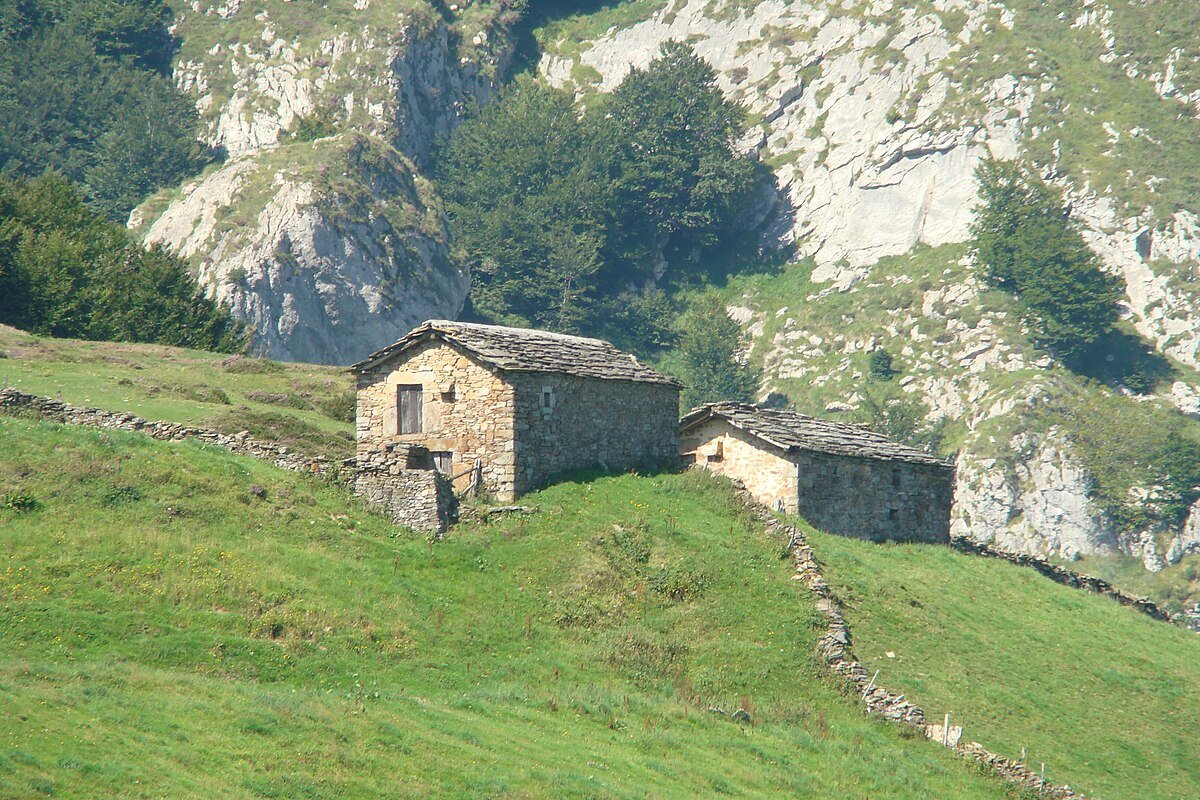
Here's what nobody really tells you: Santiurde de Toranzo will mess with your sense of time and distance. You'll plan to see three things before lunch and end up spending forty minutes watching clouds move over a field behind someone's stone barn.
There's no single "pretty street." Instead, beauty comes in flashes between totally normal stretches: a huge house with a crest appears around a bend, or an open gate frames a view all the way down to the river.
And that quiet? It's profound. Step fifty metres off the main road and all you hear is birds and water. It can be startling if you're used to background village hum.
If You Only Have a Short Time
Got an hour or two? Don't overcomplicate it. Drive from San Andrés to Bárcena slowly. Stop at the palace viewpoint. Then find any safe spot to pull over near Acereda or Villasevil and take five minutes to walk down to the riverbank. That's it. You'll have seen the essential contrast: human history in stone next door to relentless, green nature.
When The Valley Shifts
Spring here is explosive green and full of noise—more water in the river, more activity in fields. Summer brings more cars on the road but doesn't change the place's character; it's not built for crowds. Autumn is my favourite time. The light turns golden, everything feels calmer, and those wooded patches glow. Winter is for locals bundled up against misty cold—atmospheric if you don't mind being alone with drizzle.
It never feels "closed" or "open for tourism." It just is what it always is: working land with houses scattered across it where life moves at walking pace