Full Article
about Saro
Small Pasiego village
Ocultar artículo Leer artículo completo
The road to Saro climbs 550 metres in fifteen switchbacks. Oak trees give way to cow pastures, phone signal flickers, and suddenly the SatNav announces "You have arrived" beside a stone wall with a calf staring back. No triumphal arch, no gift shop, just damp grass and the smell of silage. Welcome to Cantabria’s least theatrical mountain municipality.
A Scatter of Hamlets, Not a Town
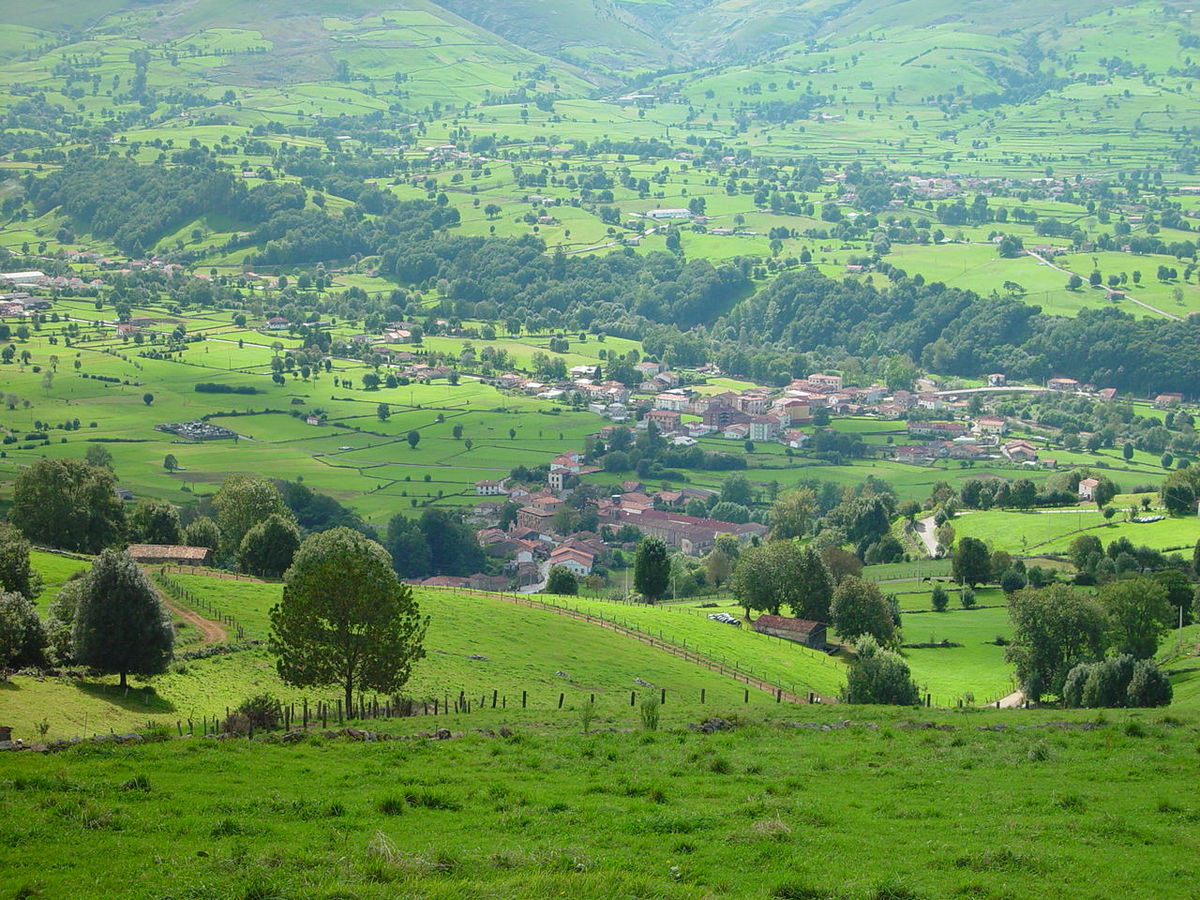
Saro isn’t a neat cluster around a square; it’s six tiny barrios strung along three kilometres of narrow valley. The council counts 600 inhabitants, but you’d need a week to spot them all. Houses sit wherever a slope flattens enough for a vegetable patch, linked by lanes barely wider than a Land Rover. Drivers greet one another with a lifted finger rather than a wave—there isn’t time for full-hand diplomacy before the next bend.
Altitude does funny things to the weather. In April you can breakfast in Santander under palm trees, drive forty minutes, and find Saro wrapped in hill fog with the thermometer stuck on eight degrees. Pack as if for the Peak District in October: fleece, waterproof, shoes that don’t mind cow muck. Summer afternoons are warm enough for short sleeves, but night-time still sends Brits hunting for the radiator valve that Spanish builders hid behind the sofa.
Stone Huts, Working Farms, No Entry Fee
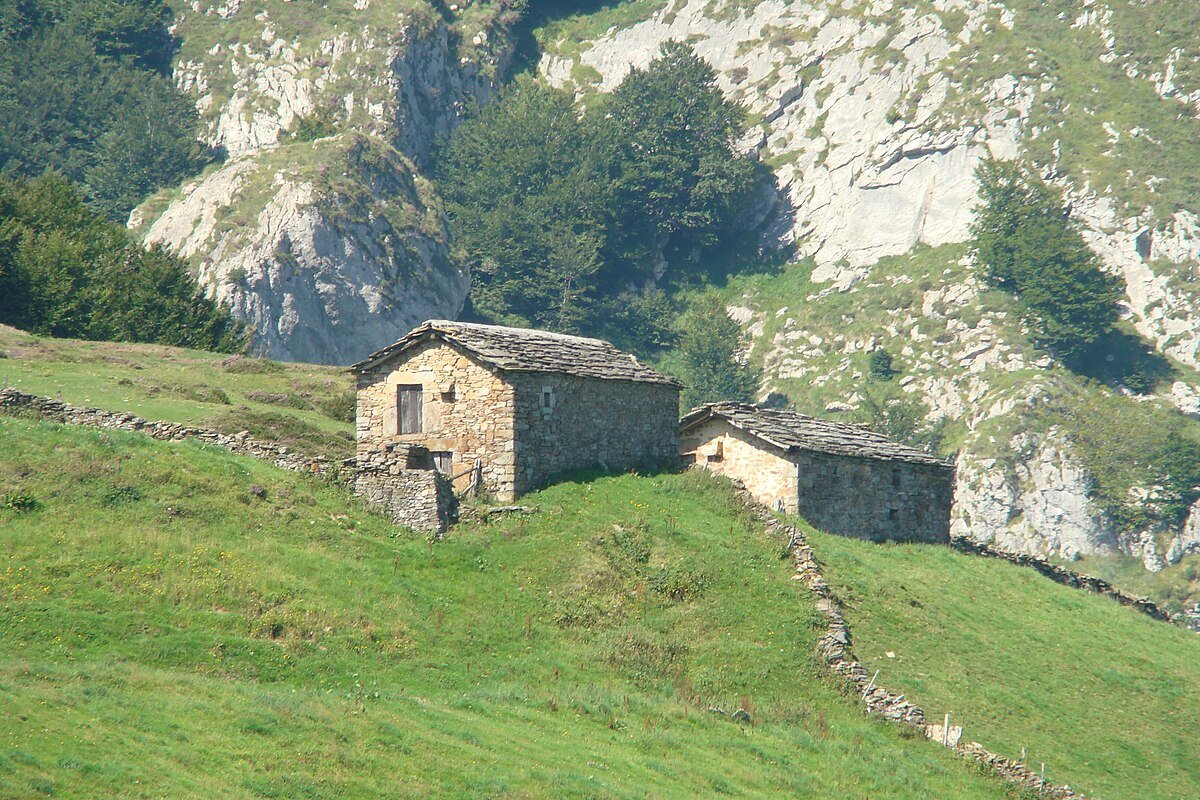
The famous cabañas pasiegas aren’t museum pieces; they’re field shelters surrounded by electric fences and curious heifers. Stone, slate, two slopes meeting in a sharp ridge—practical architecture that happens to photograph well. You’ll spot half a dozen from the roadside between Helguera and Liandres, but resist the urge to hop the gate. These are milking sheds, not selfie stages, and the farmer at Finca El Redal has zero patience for tourists trampling ryegrass.
If you must tick something, pull in by the parish church. Fifteenth-century bones, twentieth-century roof, door usually unlocked. Inside smells of candle wax and damp hymn books; the only artwork is a polychrome Virgin whose paint is flaking like old emulsion. Ten minutes is plenty, and the porch gives shelter while you check the forecast—mountain weather can swap sunshine in for sideways hail in the time it takes to recite a psalm.
Walking Without Way-Markers
Saro doesn’t do signposted footpaths. What it has are caminos vecinales: tractor tracks that join hamlets, cross streams, and gradually gain height until the view opens onto a chessboard of green fields. One good leg-stretch starts opposite the village shop; follow the concrete lane past the last house, through a gate (leave it as you found it), and keep going uphill. After thirty minutes the hedgerows drop away and you’re on an open ridge looking north to the Picos de Europa, still snow-dusted well into May. Turn round when the path starts to descend the far side—there’s no café waiting.
Mountain biking works too, provided you like gradients. The loop east towards San Roque de Riomiera is tarmac, single-track, no cat’s-eyes, and averages nine percent. Hire bikes in Santander before you leave; the local repair kit is a farmer with a welding torch and a two-week waiting list.
What to Eat When the Card Machine’s “Broken”
Spanish villages still operate on folding money. The only bar—technically a sociedad reserved for residents, but visitors are tolerated—serves grilled veal that tastes of pasture rather than intensive feed, plus chips and a green pepper for €9. They’ll accept euros, not pounds, and the card reader spends more time unplugged than working. Fill your wallet in Vega de Pas, ten minutes down the road, where the cashpoint is stocked on weekdays and the supermarket sells Cathedral City-style cheddar for homesick Brits.
For picnic fodder, track down quesada pasiega, a baked cheesecake made from mountain milk. It’s denser than the New York version, mildly lemony, and keeps for three days without refrigeration—perfect for hill walks. The bakery van calls at the church each Friday morning; queue behind the women who bring their own Tupperware.
Where to Sleep (and Why You’ll Need a Blanket in July)
Accommodation is thin. Hotel Suites Valles Pasiegos occupies a converted manor above Helguera; rooms are palatial, heating is erratic. British reviewers praise the space, grumble about dusty skirting boards, and warn that the “summer” duvet is a 4.5 tog travesty on a night that hits six degrees. One family ended up sleeping under beach towels from the car. Ask for an extra blanket when you check in, not at 2 a.m.
Self-catering cottages exist, but check the fine print for “wood burner available on request” and assume you’ll request it. Nights are cool even when Santander swelters at 30 °C; altitude trumps latitude. Sunday arrivals note: shops shut, bars shut, even the cows seem to observe the day of rest. Arrive stocked, or prepare to drive forty minutes to the 24-hour garage by the motorway.
The Seasonal Shuffle
Spring brings orchids to the roadside banks and lambs that escape through holes in dry-stone walls. It’s also when the track to Liandres turns into axle-deep clay—wellies essential. Summer is reliable for views, but August weekends see Madrid cars nose-to-tail on the pass; come mid-week if you can. Autumn colours arrive early: beech woods glow copper against dark green pastures, and the castañas season means roast chestnuts sold from a crate outside the baker’s. Winter is serious. At 800 metres snow isn’t rare, chains are obligatory, and the valley can be cut off for 24 hours. Pretty, but only if you’ve brought logs and don’t need to reach an airport.
Last Orders
Saro won’t keep you busy for a week; it isn’t designed to. What it offers is a lungful of Atlantic air, the sound of cowbells instead of ringtones, and a gentle reminder that Spain still contains places where tourism is incidental, not essential. Drive up for a morning, walk until your boots are the same colour as the soil, then retreat to the bar for a cider poured from shoulder height. Just remember to carry cash, shut every gate, and bring a jumper—whatever the thermometer said at the beach.