Full Article
about Selaya
Birthplace of the sobao pasiego
Ocultar artículo Leer artículo completo
The first thing you notice is the smell. Not sea-salt or pine, but warm butter and sugar drifting from a doorway on Calle de la Iglesia. Someone inside is churning out sobaos – those yellow sponge fingers that Pasiego grandmothers have been wrapping in waxed paper since the 1890s. Selaya doesn’t shout its presence; it lets the aroma do the marketing.
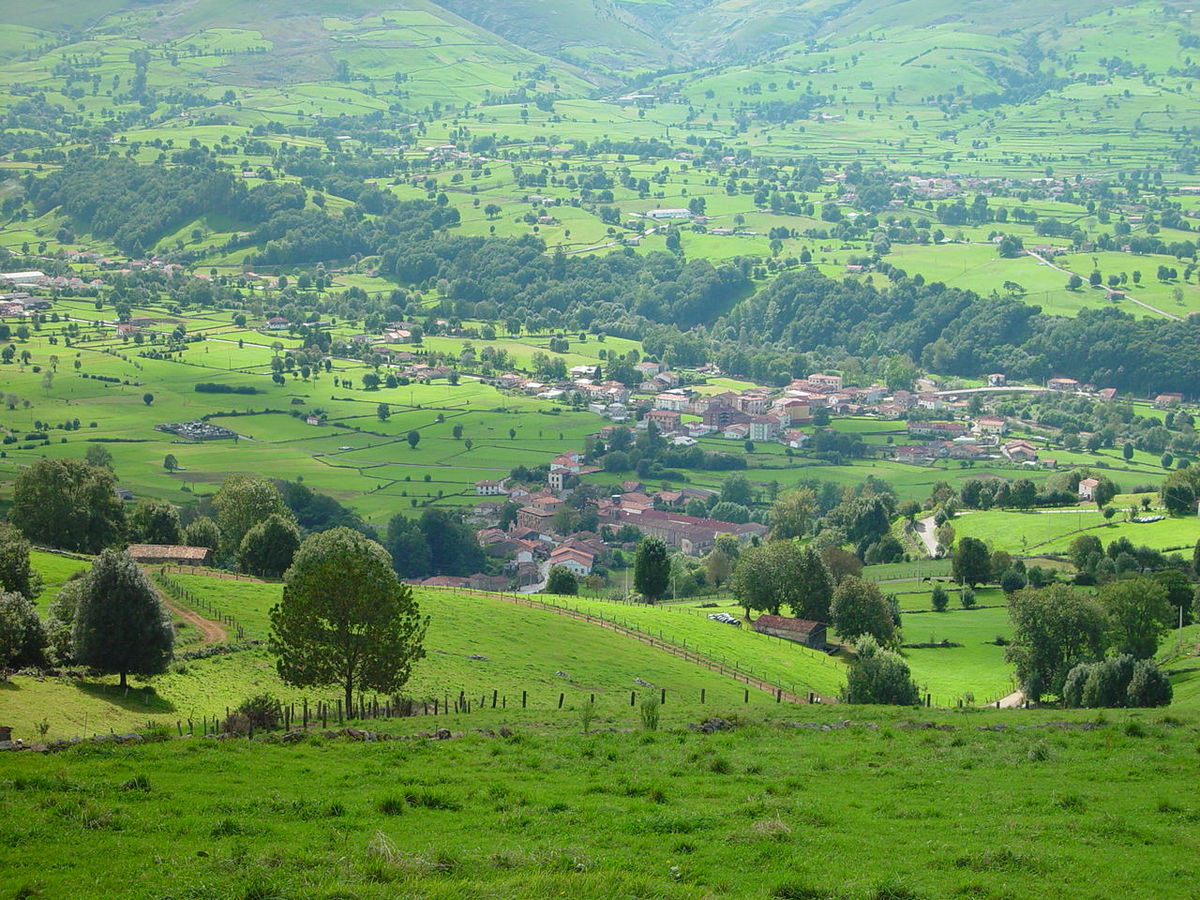
With barely 2,000 residents, the village sits at the soft fold between the Miera and Pas valleys, 180 m above sea-level yet still 23 km from the Bay of Biscay. That short hop is enough to swap Atlantic rollers for dairy pastures and to replace beach-front bravado with a slower, cow-based timetable. Tractors reverse into the bakery delivery bay at seven; by eight the same vehicle is blocking the only through-road while the driver chats about yesterday’s milk price.
A palace you can’t enter, and why that matters
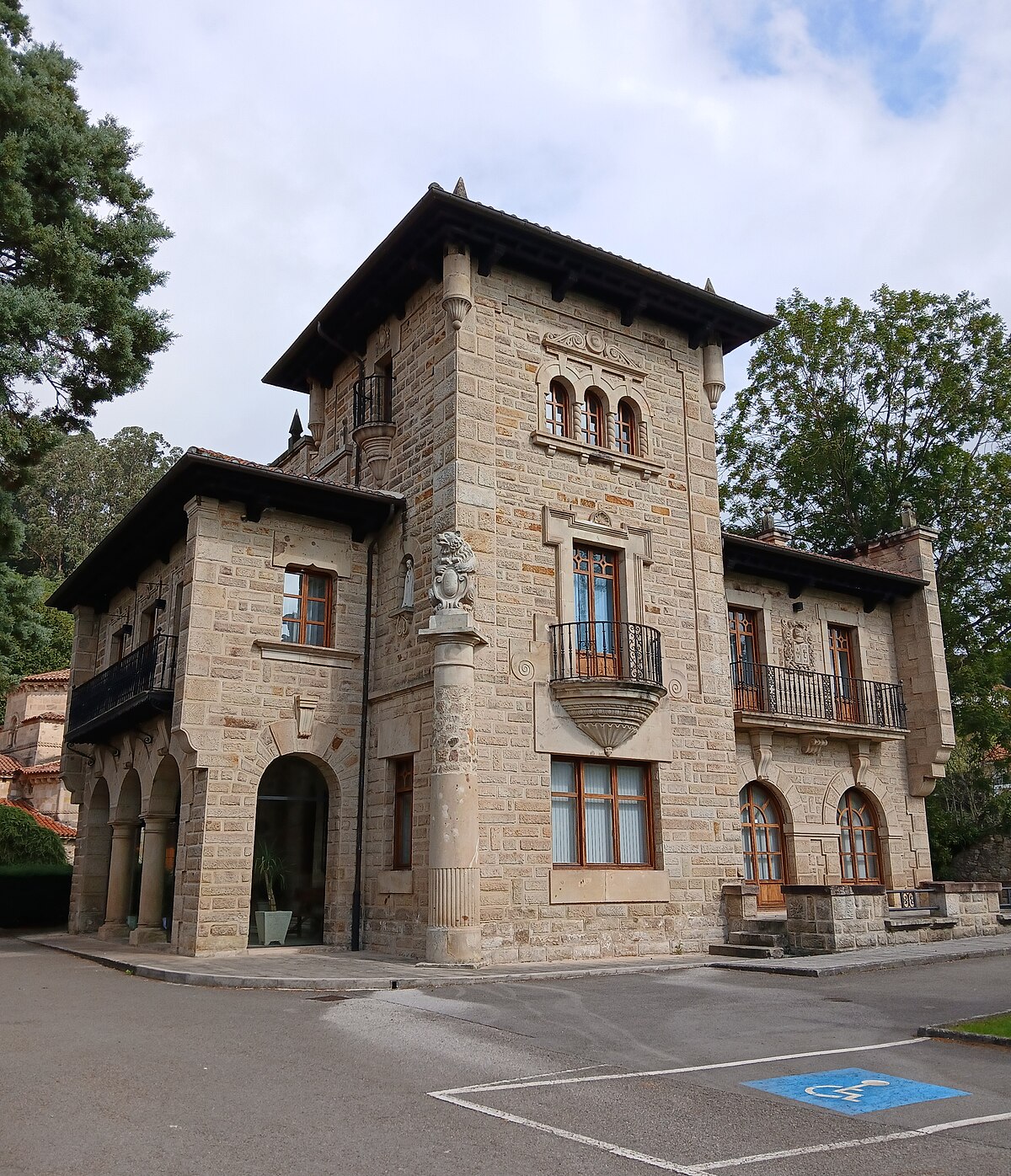
Donadío Palace rises directly off the pavement on Plaza de la Constitución. Stone ribbons frame the windows; the coat of arms still carries traces of original ochre paint. It is the finest baroque frontage in Cantabria – and it is privately owned, always has been. Visitors sometimes circle the block three times looking for the ticket counter. There isn’t one. Accepting that fact is the first step to enjoying Selaya: the monument is the façade, the story is the outside. Spend the saved admission money on a slab of quesada pasiega instead.
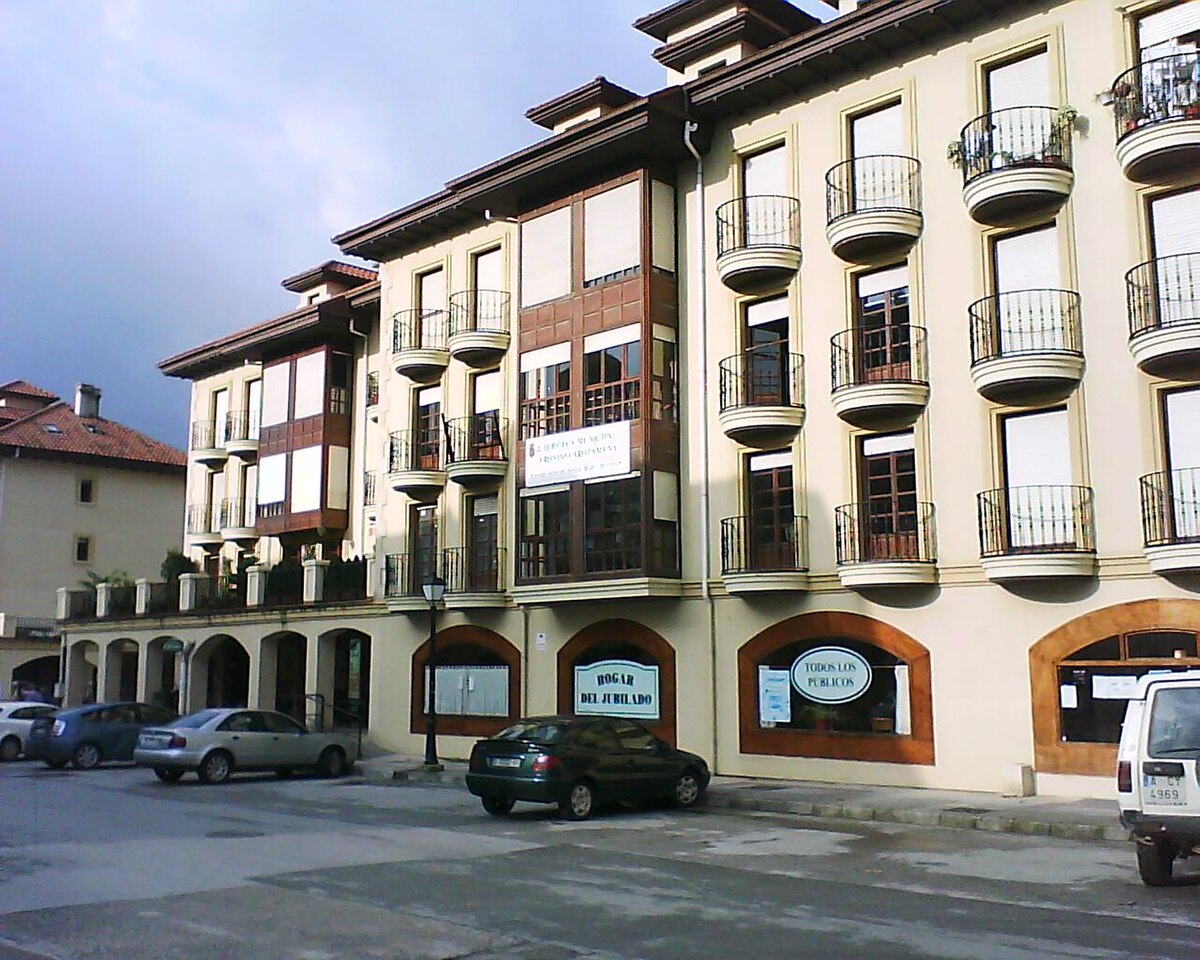
The parish church of San Andrés, two minutes away, keeps its doors mercifully open. Inside, the air is cool and carries a faint whiff of candle wax and damp stone. The sixteenth-century nave was repaired after a fire in 1936; look up and you’ll spot twentieth-century roof timbers butting against older granite. Outside again, peer at the neighbouring mansions: iron balconies painted the same green as the valley floor, lintels carved with the original owner’s initials. Nothing is staged; the curtains still twitch when strangers pause.
Ten minutes to the edge of town – then silence
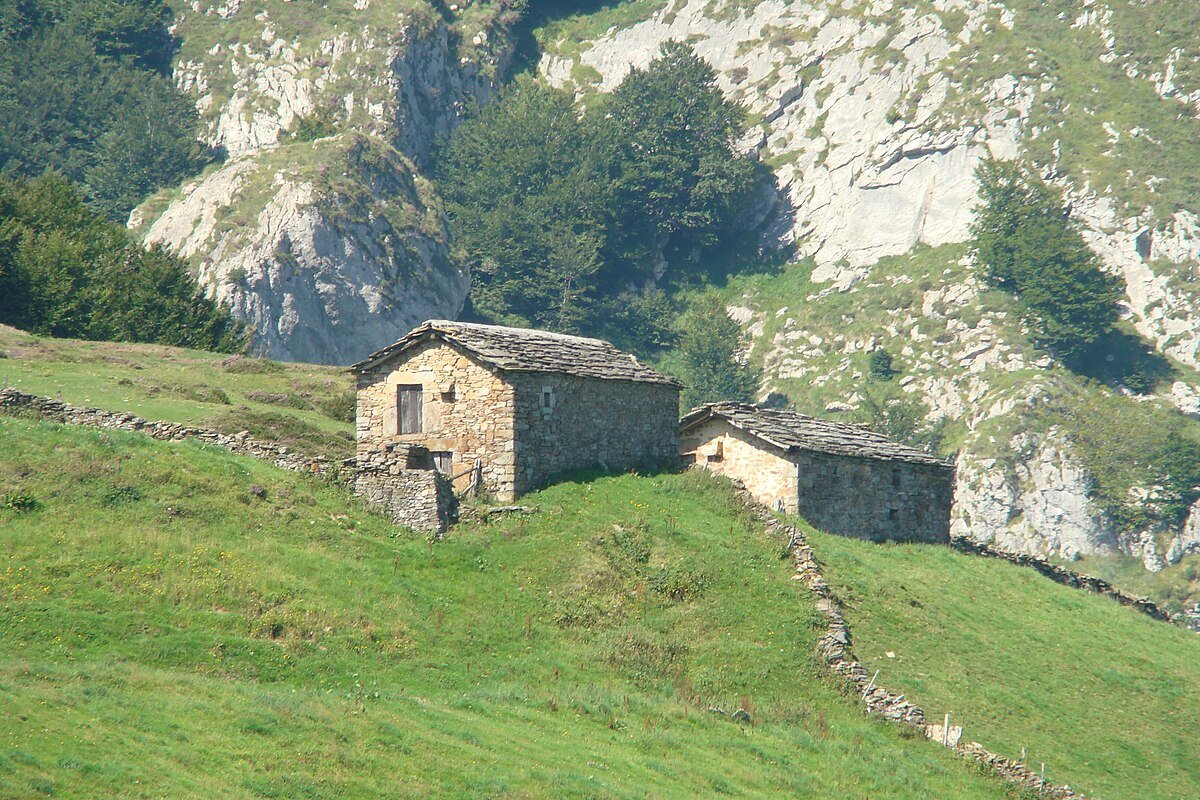
Leave the church square by the uphill lane signposted “La Cavada” and within 200 m tarmac gives way to compacted earth. Stone walls, chest-high and mossy, parcel the hillsides into pocket-handkerchief meadows. Each enclosure holds two or three cows, one wooden hut on stilts and a view back towards the slate rooftops you just left. These are the famous cabañas pasiegas, once seasonal dairies, now weekend retreats owned by the same families for generations. The path is public; the fields are not. Stick to the track, close every gate, and the only hazard is mud after rain. On a dry July morning the walk smells of warm fern and cow saliva – an oddly comforting combination.
If you want mileage rather than ambience, drive ten minutes up the CA-240 to the Puerto de la Braguía (600 m). From the pass a way-marked loop heads along the ridge, through heather and dwarf oak, before dropping back to the village of Vega de Pas. The round trip is 11 km, takes three unhurried hours and delivers wide views north towards Santander’s glittering coastline – proof that the sea remains within reach even here.
Cheese-cake for breakfast
Selaya’s reputation rests on two pastries. Sobaos are buttery fingers with a tight crumb; quesada is a baked cheesecake, paler and lighter than the New York version. Both carry the Pasiego Protected Geographical Indication, which explains why every other house seems to have a hand-lettered “Se vende quesada” sign. The genuine article is made with local milk, free-range eggs and enough sugar to make a dentist wince. Two reliable outlets: Panadería Agustín (opens 07:30, closes when the trays are empty) and Quesería La Pasiega on the main road, where you can watch the batter being poured into aluminium moulds. Expect to pay €10 for a 500 g quesada; it keeps for four days in a cool room, two if the heating is on.
For something savoury, Restaurante Español serves a menu del día that hasn’t changed since 1998: soup or salad, entrecôte or hake, chips, wine, coffee, €14. The cooking is honest, the chips are frozen, the wine comes from Navarra. Nobody complains because the alternative is another cake.
Getting there, staying over, driving away
Ryanair’s morning flight from Stansted reaches Santander in 1 h 50 min. Collect a hire-car, aim west on the A-67, then peel off onto the CA-240. The final 12 km twist through oak woods and past roadside shrines; average speed drops to 35 mph. There is no bus, no train, no Uber. Without wheels you are decoration.
Accommodation is limited to a handful of casas rurales. Casa Rural Abuelo de Selaya, run by a bilingual German couple, offers three en-suite rooms and a wood-burning stove for €80 a night. La Espina, four kilometres outside the village, sleeps eight in uneven bedrooms for €160 total – ideal if you don’t mind sharing a bathroom with your father-in-law. August sells out by Easter; spring and late-September still promise sun and half-price nights.
When it’s time to leave, fill the tank in Solares (12 km). The motorway back to Santander passes the Cabárceno wildlife park: if your flight is after 16:00 you can fit in two hours of semi-free-roaming elephants and almost-African vistas. It makes a soft buffer between rural silence and departure-lounge fluorescence.
The things that don’t make the postcards
Rain arrives on 14 days a month from October through March; carry a waterproof even in July. Mobile coverage is patchy once you leave the village centre – download offline maps. Saturday morning brings a delivery van from the regional cash-and-carry; if you park directly outside the palace you will be asked, politely but firmly, to shift. Sunday is truly dead: no shops, no bars, no ATMs. Plan breakfast accordingly.
Selaya will never tick the “must-see” box. It offers instead a half-day of slowed-down observation: butter in the air, cows beyond the wall, a palace you can walk around but never inside. Treat it as a pause between Cantabrian beaches and the Picos de Europa and the village repays the curiosity. Treat it as a tick-list and you’ll be back in the car within twenty minutes, cake in hand, wondering why you bothered to stop. The choice, like the palace door, is entirely yours.