Full Article
about Vega de Pas
Heart of Pas country
Hide article Read full article
Vega de Pas: el pueblo del sobao que no es solo un pueblo
Vega de Pas es como ese amigo que conoces por una sola anécdota graciosa, pero cuando charlas con él descubres que tiene una vida entera detrás. Todo el mundo lo relaciona con el sobao, y con razón. Pero llegar aquí solo por la pasta de té es como ir a ver a tu equipo de fútbol y quedarte mirando solo la tienda de merchandising. Te pierdes lo importante.
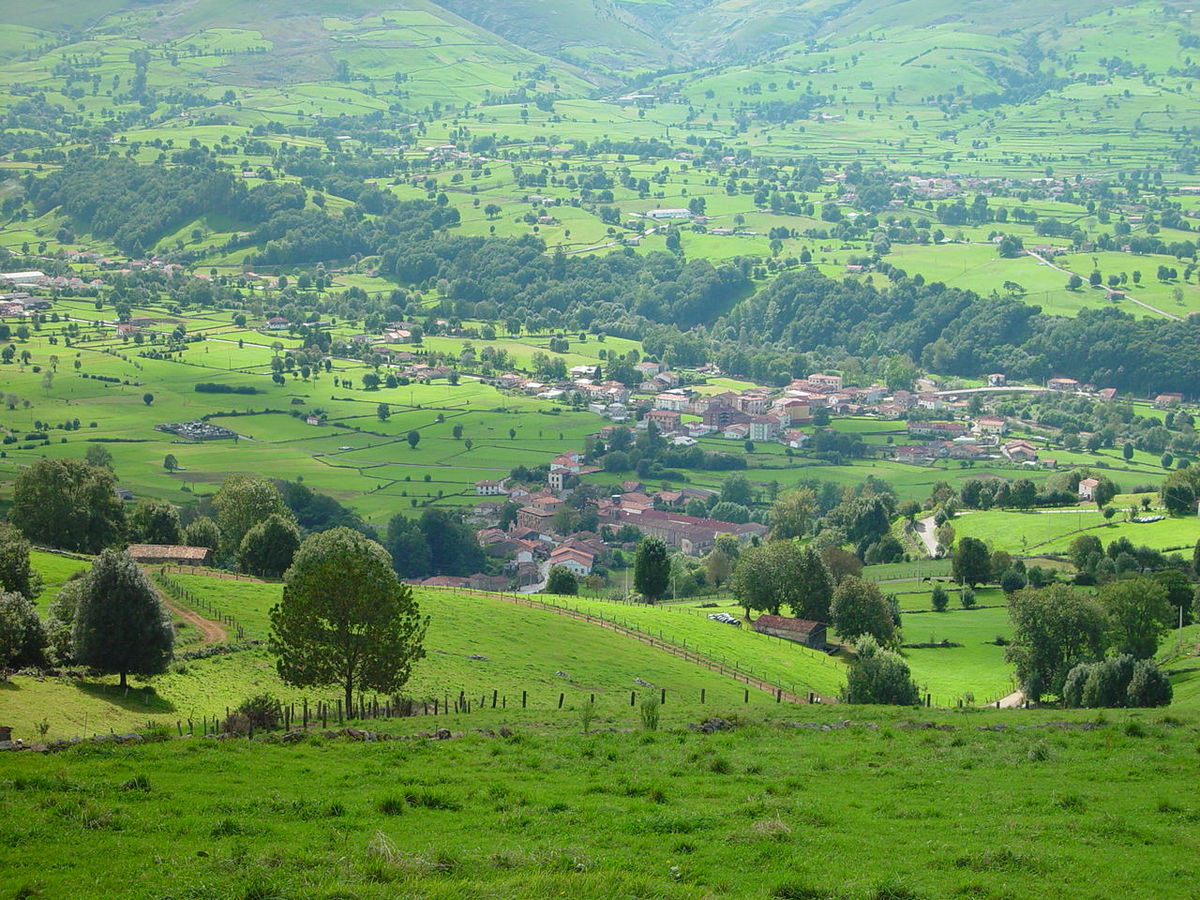
Lo primero que notas es el espacio. Esto no es un pueblo apiñado; son casas y cabañas desperdigadas por todo el valle, como si alguien las hubiera lanzado desde lo alto y se hubieran quedado donde cayeron. Hay más vacas que personas, algo que compruebas en los primeros cinco minutos, y los prados tienen una inclinación que te hace preguntarte cómo no se les caen las ovejas.
El silencio (con banda sonora)
El silencio aquí no es absoluto. Es ese tipo de quietud con audio: se oye el río Pas naciendo entre las piedras, los cencerros a lo lejos y, de vez en cuando, el motor de un tractor subiendo una cuesta como si fuera el último día. El núcleo principal está junto al agua, pero el municipio es mucho más: Guzparras, Yera, Pandillo... Son barrios separados por curvas de carretera, donde la distancia se mide en revueltas.
En medio del pueblo hay un monumento al sobao y la quesada. Parece un homenaje desproporcionado hasta que entiendes que estos dulces no son un reclamo turístico, sino la compra semanal de la gente del valle. La historia local dice que fue una cocinera, Eusebia Hernández, quien le dio la vuelta a la receta tradicional a finales del siglo XIX en el sanatorio del Doctor Madrazo. El resultado fue este bizcocho mantecoso cuyo ingrediente principal es, claramente, mantequilla con algo de harina y huevos.
Cabañas pasiegas y geografía imposible
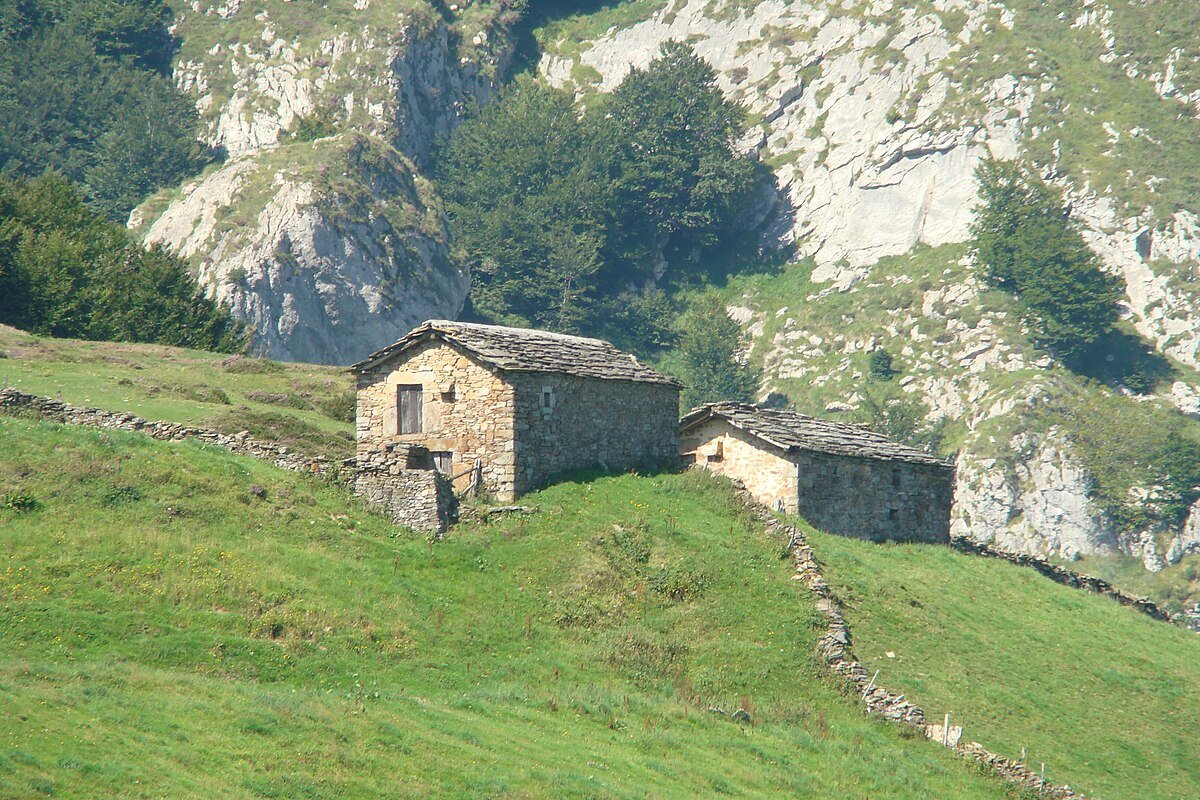
Las cabañas pasiegas no se entienden bien hasta que las ves in situ. Son esas construcciones de piedra con tejado rojo clavadas en laderas que parecen hechas para cabras. Algunas siguen usándose para el ganado; otras se han reformado. Pero el paisaje global sigue siendo el mismo desde hace siglos: prados cercados con muros de piedra, rebaños que suben y bajan según la temporada.
Si tomas la carretera que sube hacia los puertos, la vista se abre. Desde arriba todo cobra sentido: las casas se empequeñecen, el río serpentea y las cabañas salpican las lomas como si fueran setas. Y siempre, en los días claros, está la mole del Castro Valnera vigilándolo todo.
Senderos con agua fría
La caminata más conocida sigue el curso alto del río Pas hasta una cascada llamada el Churrón de Agualto. Es un paseo sencillo: sendero claro, sombra de hayedos y el sonido del agua constante. En otoño cambia completamente, cuando el bosque se pone colorado.
Hay otras rutas por los valles del Yera o del Aján, más recogidos, con puentecillos de piedra y pozas donde el agua se remansa. En verano verás a algún valiente intentando bañarse. Intentando es la palabra clave: esa agua está fría incluso en agosto.
Vida local y un túnel a ninguna parte
Las fiestas aquí siguen el calendario tradicional: una primaveral alrededor del sobao y otra a finales de verano por la Virgen de la Vega. No son espectáculos montados; son celebraciones donde forasteros y vecinos se mezclan sin protocolo.
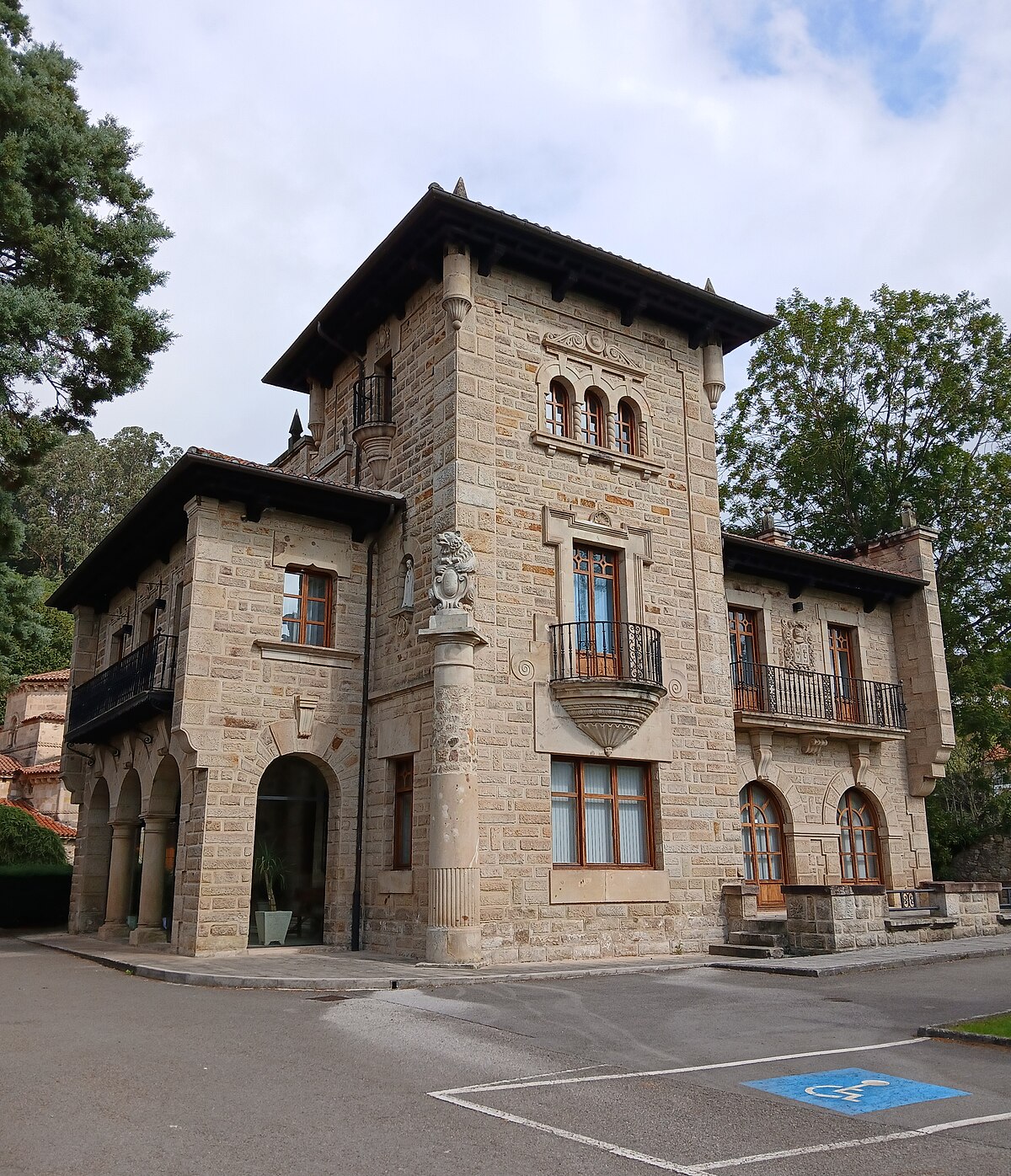
El antiguo sanatorio del Doctor Madrazo sigue en pie (es privado) y en la memoria local. Y al fondo del valle está la boca norte del Túnel de la Engaña, parte de un ferrocarril fantasma que nunca llegó a Burgos. Es un lugar que impresiona más por lo que pretendió ser que por lo que es.
Para comer, la lógica es clara: cocina de montaña, platos contundentes para clima frío. Cocido montañés cuando baja el termómetro, carnes a la brasa y, claro está, los dulces.
Mi consejo sobre los sobaos es simple: cómpralos en una tahona del pueblo. Los reconocerás por su envoltorio de papel sencillo y un aroma a mantequilla que no necesita publicidad. Llévatelos a casa, cómetelos con un café fuerte y entonces entenderás por qué este valle siempre sale a colación