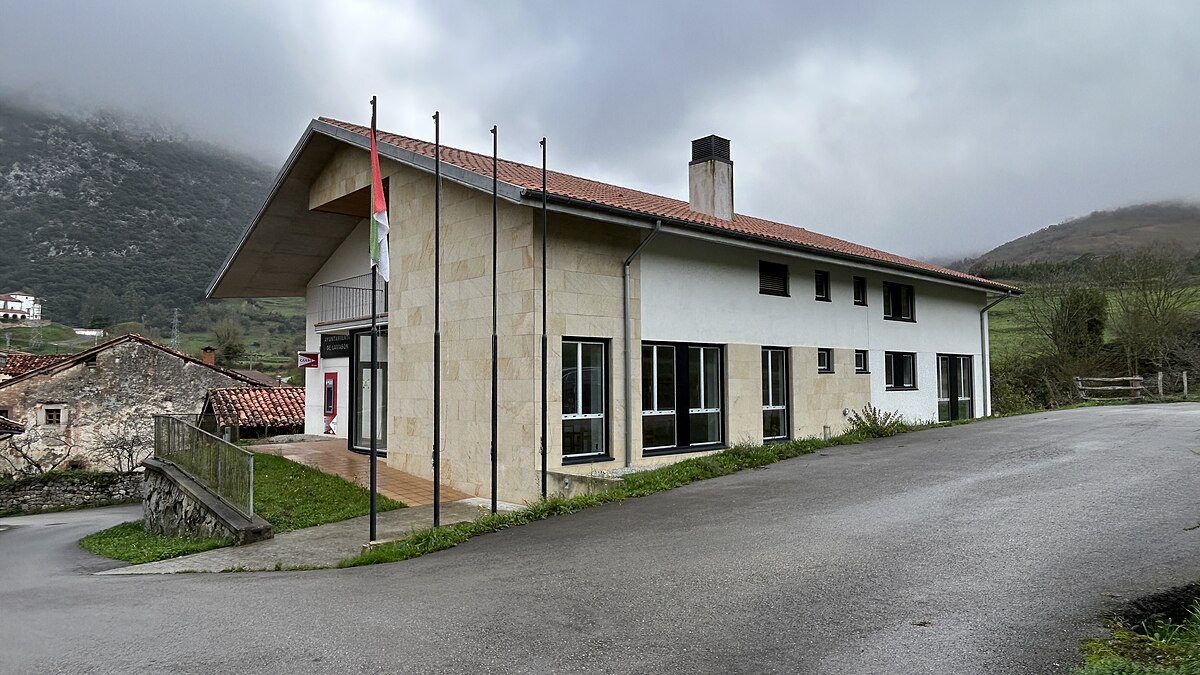
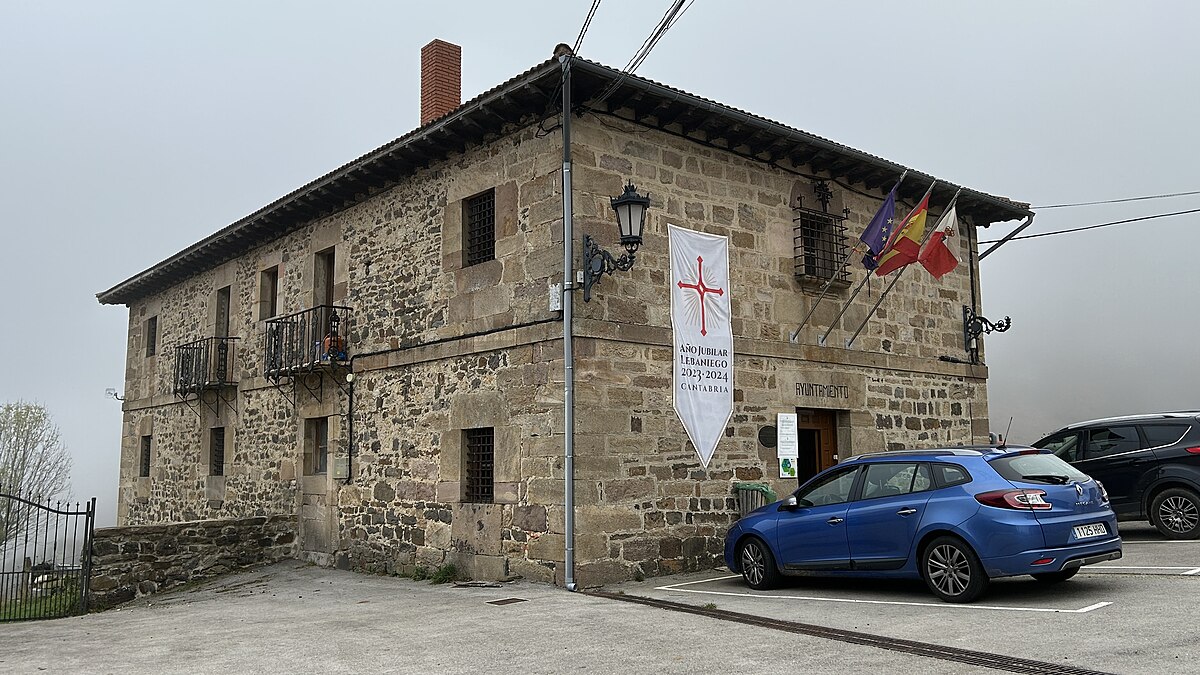
Cabezón de la Sal - Ayuntamiento 1.JPG
Zarateman · CC0
Cantabria · Infinite

Cabezón de la Sal

The weekly market spreads across Plaza de España every Saturday, and by ten o’clock the air smells of brine and woodsmoke. Vendors shout prices for...

8,226 inhabitants · INE 2025
120m Altitude

Why Visit

Mountain Sequoia Forest Nature

Best Time to Visit

summer

The Virgin of El Campo Septiembre

Things to See & Do
in Cabezón de la Sal

Heritage

  • Sequoia Forest
  • Wine Cellar Palace

Activities

  • Nature
  • Culture

Festivals
& & Traditions

Fecha Septiembre

La Virgen del Campo, Día de Cantabria

Las fiestas locales son el momento perfecto para vivir la autenticidad de Cabezón de la Sal.

Full Article
about Cabezón de la Sal

Giant sequoia forest

Ocultar artículo Leer artículo completo

The weekly market spreads across Plaza de España every Saturday, and by ten o’clock the air smells of brine and woodsmoke. Vendors shout prices for Cantabrian anchovies while farmers unload sacks of judiones—buttery white beans fat enough to split their skins. Nobody here is performing “authentic Spain” for visitors; they’re simply doing the shopping. That’s the first thing that strikes you about Cabezón de la Sal: it works for a living.

Eight kilometres south of the A-67, the town sits at 160 m above sea level, high enough to escape coastal fog but low enough to avoid Picos-grade weather. The approach is a ribbon of switchbacks that has coach drivers crossing themselves. Once you’re in, the ground levels out and streets fan north–south between stone mansions whose wooden balconies still show family crests. Park on the wide esplanade by the football ground—free, and you’ll need the space if it’s market day.

Salt gave the place its name and its first pay packets. From medieval times until the early 1900s brine was drawn from shallow wells, evaporated in clay pans, then hauled to the coast in ox carts. The Parque Arqueológico de las Salinas, a ten-minute riverside walk south-east of the centre, explains the process along a 1 km loop of boardwalks. Interpretation boards are in Spanish only, so bring a translation app or simply look at the reconstructed evaporation beds and imagine the back-breaking routine. Opening hours shrink without warning outside July–August; check at the tiny tourist office inside the Casa de Cultura before you set off.

Salt money built the chunky town houses that line Calle de la Reina and Calle Cantón. Walk slowly and you’ll spot 1700s stone lintels carved with sunbursts and wolves—symbols of families who made their fortune selling flavour to the interior. Some properties are immaculate, others have ivy punching through the mortar; restoration grants arrive in dribs and drabs, so the streetscape feels lived-in rather than manicured. The 16th-century church of San Martín anchors the old quarter, but its real value is orientation: stand on the stepped plaza and you can see how the town expanded in concentric rings, each one a little less grand than the last.

Carrejo, a five-minute stroll uphill, shows what the place looked like before the ring roads arrived. Stone walls separate vegetable plots from slate-roofed cottages, and the only traffic is the occasional quad bike heading for the fields. A marked path continues 3 km to Duña where the Casona de los Mier stands empty but impressive—think Tudor manor crossed with mountain bunker. The walk is gentle, but after rain the clay track clings to boots like wet cement; carry a stick or you’ll gain 2 kg of mud.

Food is mountain-serious. Lunch at Asador El Tremedal on the N-634 starts with cocido montañés—bean and cabbage stew fortified with morcilla—then moves on to chuletón de buey, an ox rib-eye the size of a steering wheel. Half portions are available if you ask; the kitchen knows foreign stomachs aren’t calibrated to Cantabrian hunger. Finish with quesada pasiega, a baked cheesecake that tastes like a velvet Yorkshire curd tart. Set menu £22, wine included, but don’t expect an English translation; download Spanish phrases or point bravely.

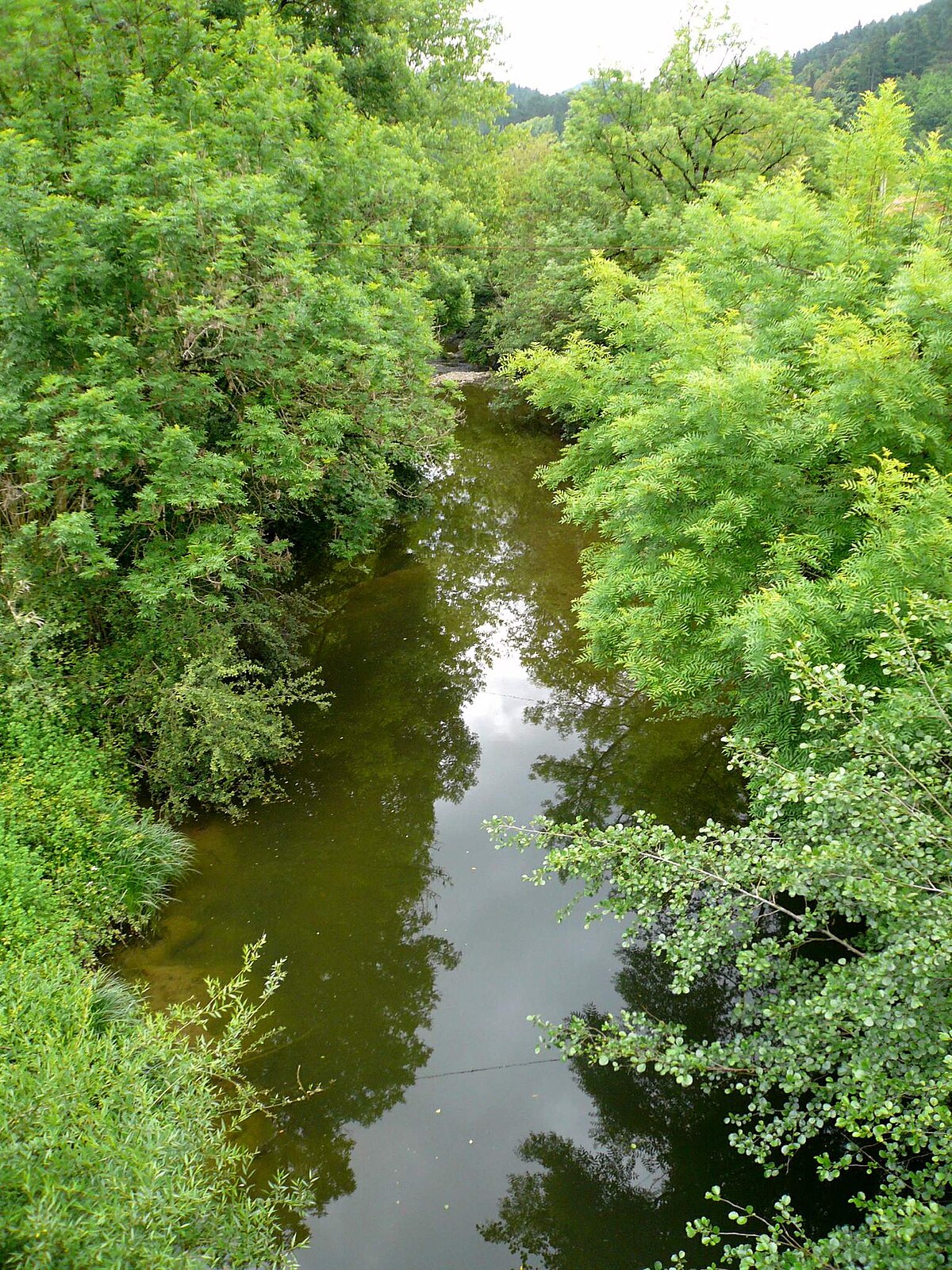
Evenings fade fast. By 22:30 most lights are off and the only sound is the river Saja rolling over weirs. British visitors expecting tapas trails or Irish pubs are routinely disappointed; Torrelavega, 15 minutes away, has late bars if you’re desperate. What Cabezón offers instead is silence thick enough to taste, plus starlight unpolluted by neon. Bring a coat—even in July the temperature can drop to 12 °C once the wind sneaks down from the Peña Sagra.

The town makes a handy launch pad for the western coast. Comillas and its Gaudí caprice, El Capricho, lie 25 minutes north; the prehistoric replica caves at Altamira are 20 minutes east; the Picos de Europa start proper 45 minutes south. Public transport exists but obeys rural Spanish logic: the FEVE narrow-gauge train clatters through twice an hour at peak, once every two hours after lunch, last service to Santander at 21:00. Buy tickets from the machine on the platform—cash only—and validate before boarding or incur the wrath of a conductor who has heard every Brexit joke.

Cyclists like the web of minor roads linking Cabezón to neighbouring villages. gradients rarely top 6 %, but they are relentless; carry spare inner tubes because thorny gorse lines the verges. A signed 30 km loop south to Ruente and back passes the El Pozo de la Nieve, an 18th-century ice store carved into a hillside—cool even in August, and a good excuse for a bocadillo stop.

Come winter the altitude occasionally traps cloud, and the surrounding hills disappear into grey fleece. Snow is rare in town but common on the upper passes; if you’re staying January–February chains can be required for the last 4 km from the motorway. Spring is the sweet spot: orchards burst into white blossom, daylight lingers until nine, and Saturday market stalls sell wild garlic the locals call ajetes. Autumn brings russet beech woods and the annual Día de la Sal, when costumed volunteers re-enact medieval brine boiling in copper pans. It’s low-key, half village fête, half history lesson, and nobody minds if you simply watch and sip free cider.

Leave the car parked and walk the old pack-horse track that once carried salt barrels to the coast. The 8 km descent to San Vicente de la Barquera takes two hours, ending on a working fishing quay where trawlers unload spider crabs. A bus back to Cabezón departs at 17:30—perfect timing for a late-lunch seafood feast before the mountain return.

Cabezón de la Sal will never top Spain’s must-see lists, and residents prefer it that way. Use it as a base and you’ll be rewarded with market-day energy, wall-to-wall silence and a vantage point between Cantabria’s two extremes: the green coast and the stone interior. Just remember to lift your eyes from the phone long enough to read the family shields above the doorways—those stone faces have watched salt turn into money, money into stone, and the whole cycle repeat for half a millennium.

Key Facts

Region
Cantabria
District
Saja-Nansa
INE Code
39012
Coast
No
Mountain
Yes
Season
summer

Livability & Services

Key data for living or remote work

2024
ConnectivityFiber + 5G
TransportTrain station
HealthcareHealth center
EducationHigh school & elementary
Housing~6€/m² rent · Affordable
CoastBeach nearby
Sources: INE, CNMC, Ministry of Health, AEMET

Planning Your Visit?

Discover more villages in the Saja-Nansa.

View full region →

More villages in Saja-Nansa

Traveler Reviews