Full Article
about Cabuérniga
Heart of the Saja Park
Ocultar artículo Leer artículo completo
Morning in the valley
At six-thirty the fog still clings to the meadows and the only traffic jam is a herd of Rubia Gallega cows crossing the road to milking. Their bells clang like slow wind chimes while a farmer in green overalls waves you through. This is the Saja-Nansa basin at its most ordinary—and its most disarming.
Cabuérniga is not a single village but a thinly spread municipality of 1,200 souls scattered across 240 square kilometres of Cantabrian countryside. The valley floor sits at 250 m above sea level yet the surrounding cordillera climbs above 1,500 m, so the weather can switch from Atlantic mild to mountain sharp within an hour. Bring layers, even in July.
The hamlet circuit
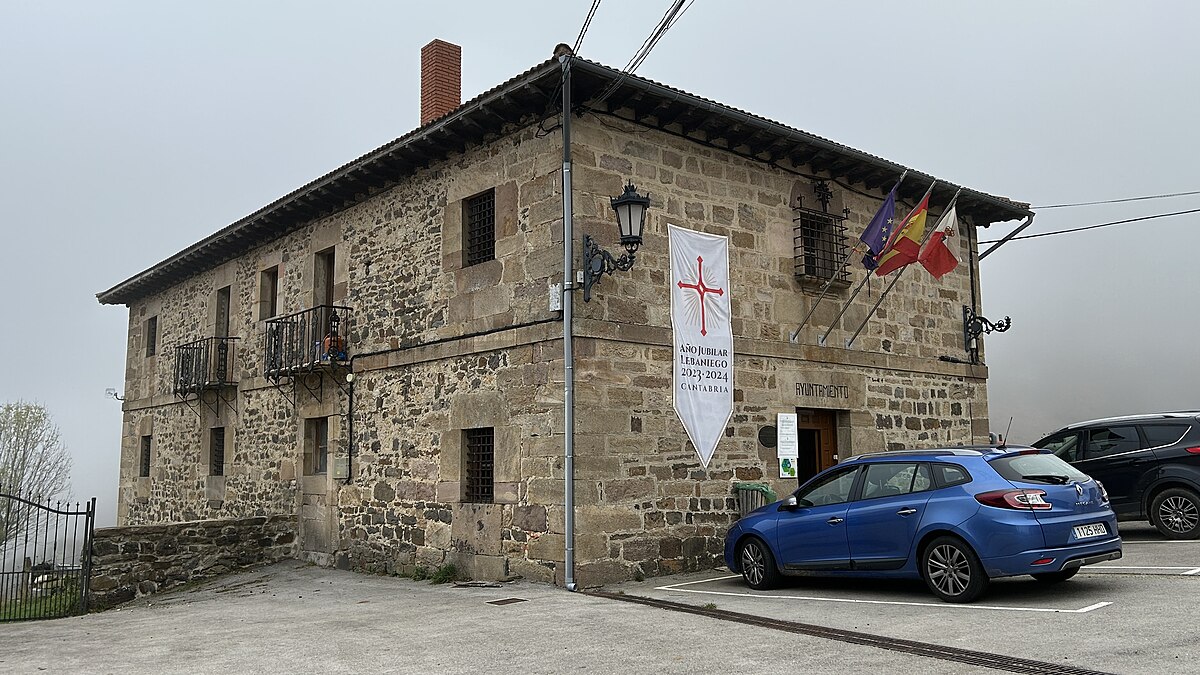
Carmona, Sopeña, Terán, Valle—four names that appear on no coach itinerary and that is precisely their appeal. Park on the gravel verge at the entrance to each settlement; the lanes inside were built for ox carts, not rental SEATs. Walk. In Carmona the houses are built from honey-coloured limestone blocks the size of railway sleepers, their wooden balconies painted ox-blood red. Notice the date stones—1743, 1811, 1890—laid like afterthoughts above doorways wide enough to drive a hay wain through. These are casonas montañesas, farm mansions built when wool and cheese money was plentiful.
Terán’s church of San Martín is usually locked; the baroque altarpiece inside is cited in guidebooks but the real exhibit is the keyholder’s system. Ask at the house opposite with the hydrangeas. If Doña Milagros is in she’ll wipe her hands on her apron and open up; if not, console yourself with the view of grain stores on stilts that keep the rats out of last year’s maize.
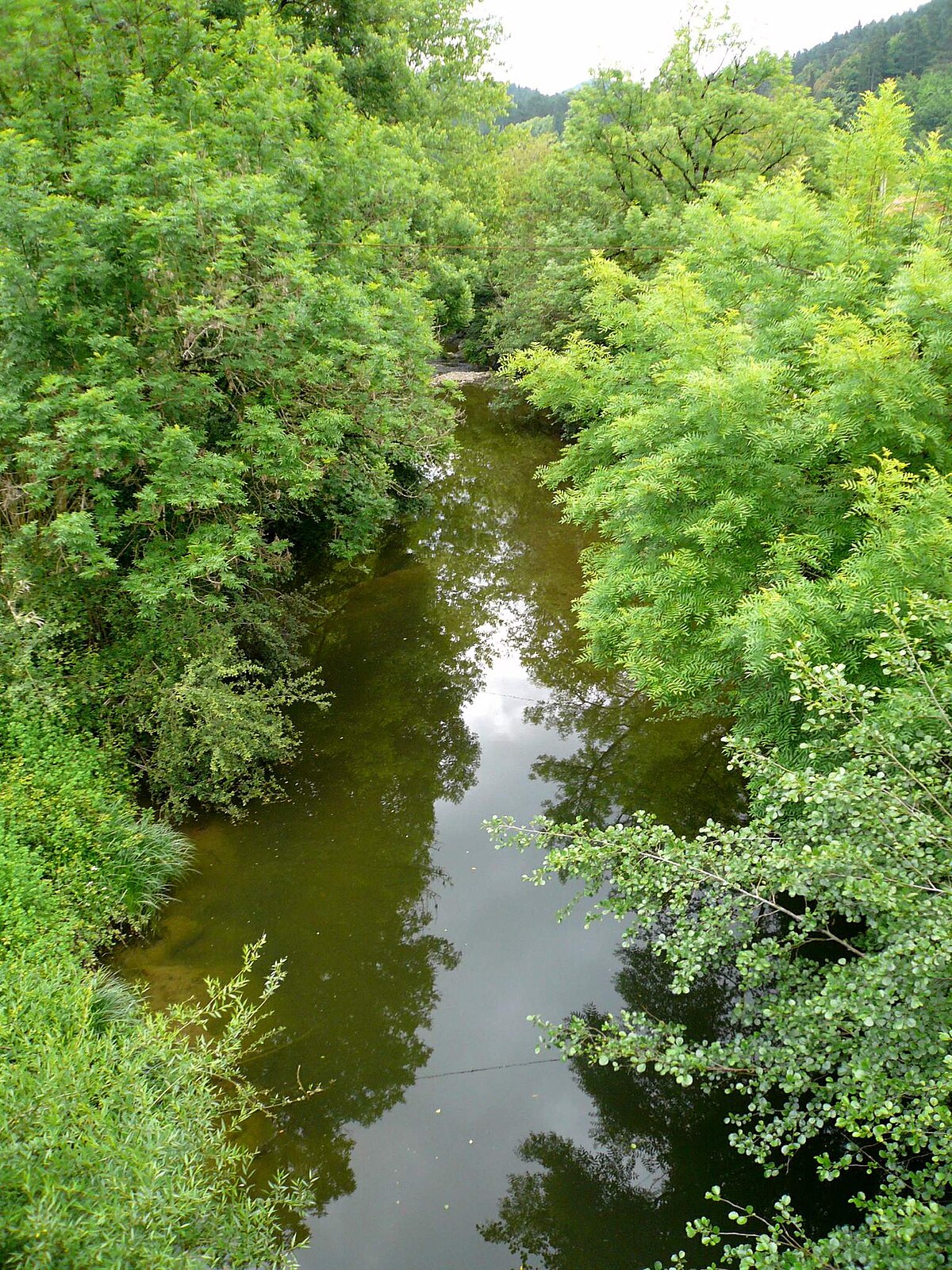
Between Terán and Valle the footpath follows an old drove road. It is 1.8 km, takes thirty-five minutes and climbs 120 m—enough to make you think about second helpings at lunch. Halfway up, the beech wood parts and the whole valley appears: a green amphitheatre stitched with dry-stone walls and the Saja river glinting like polished pewter.
Redwoods that don’t belong
Ucieda’s sequoia plantation is the anomaly everyone photographs. The trees were planted in the 1940s by a forestry student who had seeds left over from a trip to California. They shoot up like rocket flares, perfectly straight and oddly silent—no birds nest in them. The walk from the lay-by takes six minutes and you will meet three other cars on a Tuesday in October, twenty on a Saturday in August. Treat it as a curiosity, not the main act; the real forest is the native beech and oak behind the plantation where wildcats still hunt.
Eating, or how to find lunch when nothing moves quickly
There are no sandwich chains, no tapas bars with neon signs. Your options are family restaurants attached to somebody’s front room. Casa Lucas in Valle opens at 13:30 sharp; arrive at 13:25 and you will stand on the step while the owner finishes shaving. Grilled ternera de Cantabria (€16) comes with chips that taste of potato, not freezer. Vegetarians get a plate of roasted piquillo peppers stuffed with quesada cheese—think cheesecake without the biscuit base.
If you want the three-course menú del día (€12–14) head for Camino Real in Selores, 8 km south. Soup, then either beef stew or hake in green sauce, then rice pudding heavy with cinnamon. They’ll swap the pudding for fruit if you ask nicely; they will not swap it for tiramisu because there isn’t any.
Walking it off
The signposted PR-24 climbs from Carmona to the Collado de Carmona (890 m). Distance: 4 km out, 4 km back. Time: two hours if you stop to watch kites circling overhead. The path is clear but after rain the clay grips like wet treacle; decent soles essential. From the pass the view opens north to the Picos de Europa, still white with snow long after the valley orchards have blossomed.
Autumn brings the berrea, the red deer rut. Walk at dawn along the track from Sopeña towards La Serna and the bellowing sounds like someone dragging a double bass across gravel. Keep your distance; stags are single-minded and protective.
Practicalities you’ll wish you knew earlier
Cash is king—many houses sell homemade sobao sponge cake from a side window and the honesty box is exactly that: a box with a slot. €4 a loaf-sized slab.
Mobile signal dies two kilometres after you leave the N-634. Vodafone users get one bar in Carmona square; everyone else waits until they hit the main road again.
Sat-nav co-ordinates are optimistic. The turning to Sopeña is signposted but the sign is small and nailed to a tree. Download an offline map before you set out.
Distances feel shorter on screen. From Santander airport it is 50 km and takes 55 minutes: first the A-67 motorway, then the AS-114 that wriggles over the 600 m Puerto del Escudo. In winter the pass can ice over; carry chains December–February.
When to come and when to stay away
Late April–mid-June: orchards in flower, nightingales in the valley, temperature 18 °C at midday, 8 °C at dawn. Hotels still charge low-season rates.
Mid-September–October: beech woods turn copper, mushrooms appear on roadside banks, light is soft by five o’clock. Spanish schools are back so you share the lane with locals, not tour buses.
Second half of August: every casona that has been empty since March suddenly fills with cousins from Madrid. Restaurants run out of chairs, cars clog the single-track lanes, and the valley loses its hush. If you must come then, book dinner before you book a bed.
Beds for the night
Posada de Carmona has six rooms in a 17th-century house where beams are held together by wooden pegs. €85 b&b, no televisions, Wi-Fi only in the lounge. Breakfast is sobao, local cheese and coffee strong enough to stain the cup.
Casa de los Cuetos outside Ucieda offers two self-catering apartments from €95. The owner leaves fresh eggs on the windowsill and the only night noise is tawny owls negotiating territory.
Wild camping is tolerated above the tree line; pitch after 19:00, leave by 08:00, carry everything out. Fires are banned—farmers remember every spark that ever singed a hay meadow.
Last look back
Drive out at sunset and the valley seems to fold in on itself, stone and forest blending into a single bruised-purple silhouette. You will meet the same cows heading home, their bells now a softer chime. There is no souvenir shop, no postcard rack, nothing to prove you were here except the mud on your boots and the faint taste of sobao still in your mouth. That, for most visitors who make it this far, is exactly enough.