Full Article
about Lamasón
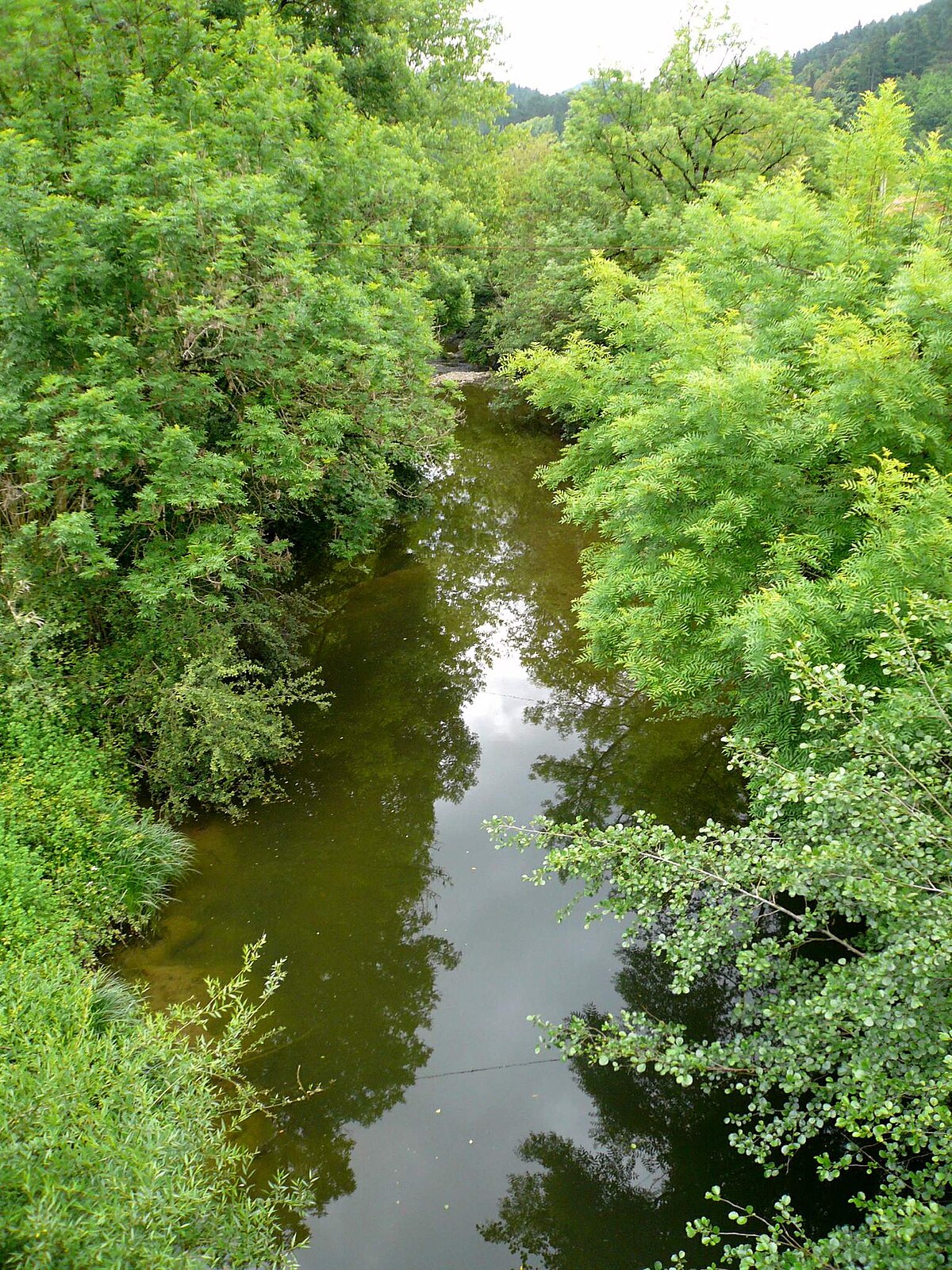
Wild nature of the Nansa
Ocultar artículo Leer artículo completo
The stone houses appear exactly sixty-three minutes after leaving Santander airport. First comes the motorway drone, then the A-8's coastal sweep, and finally the CA-184—a single-track ribbon that climbs into beech woods so abruptly you’ll check the handbrake. Lamason doesn’t announce itself with a signpost Photoshopped for Instagram; the village simply starts when the tarmac narrows and a smell of silage drifts through the air vents.
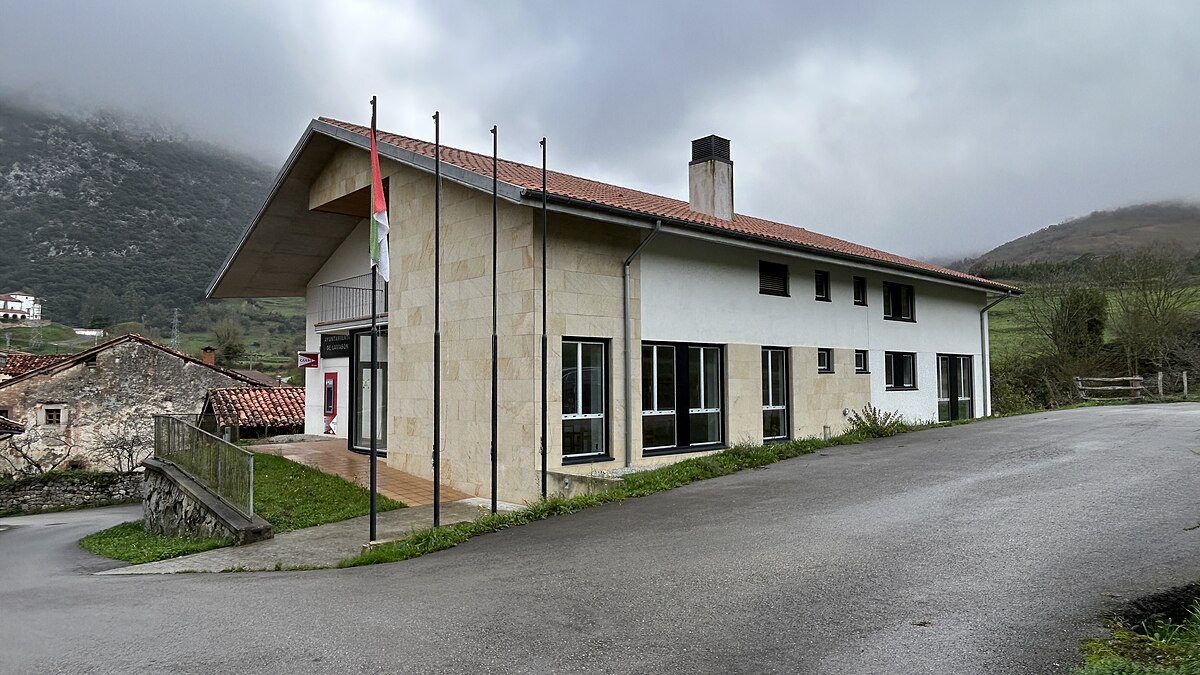
This isn’t one consolidated pueblo but a scatter of hamlets—Quintanilla, Sobrelapeña, Lafuente, Río—strung across a high pasture bowl at 550 metres. The total population is barely three hundred, and that includes the free-roaming cattle that British visitors sometimes try to photograph from car windows. Stone walls divide the meadows into handkerchief plots, each with its own stone-built horreo on stilts to keep mice from the grain. The architecture is practical rather than pretty: slate roofs weighted against winter gales, balconies wide enough to hang washing but not to sip sundowners. Lamason has never needed to court visitors, and the atmosphere remains that of a working hill farm that happens to have a sixteenth-century church in the middle.
Why the Roads Get Narrower
Drive slowly. The CA-184 was designed for ox carts, not for seven-seat people carriers, and the passing bays are exactly one Fiesta wide. Locals approach bends on the assumption that whoever is going uphill has right of way; visitors who hesitate halfway up a gradient force everyone into reverse. There is no petrol station, no cash machine, and the village shop closes for lunch between 13:30 and 17:00. Fill up in Unquera before the turn-off and bring euros—contactless is still regarded with suspicion.
Once parked (tight against a wall, wheels turned in, handbrake tested), the best strategy is to walk. A short loop starts beside the church of San Pedro in Quintanilla, passes two hórreos with missing slats, and follows a grassy lane to an oak grove where the only sound is cowbells echoing off the opposite slope. The gradient is gentle but the path can turn to chocolate mud after rain; trainers are fine in July, ankle boots advisable in October. Allow forty minutes, longer if you stop to identify mushrooms—though unless you can tell a cep from a death cap, admire and move on.
What Passes for Entertainment
Evenings revolve around the Posada Rural Peña Sagra, the only place with beds. Six rooms, beams blackened by centuries of wood smoke, and a dining table set for whoever has ordered dinner. There is no menu in the conventional sense; you eat whatever María has decided to cook, usually cocido montañés (a hearty bean and pork stew) followed by quesada, a baked cheesecake that tastes like a cross between Yorkshire curd tart and a McVitie’s base without the biscuit. Vegetarians get a tortilla the size of a wagon wheel. Beer is served in 200 ml bottles, wine comes from a plastic flagon, and the coffee is proper ground stuff—none of that instant nonsense served on the coast.
If you arrive without booking, the nearest alternative is twenty minutes away in La Hermida, a drive that feels longer after dark because the headlights keep picking up reflective eyes—wild boar, perhaps, or simply a neighbour’s cow that has found a gap in the wall. Mobile signal flickers between Vodafone and nothing; download offline maps before you set off and remember the postcode 39589, otherwise Google cheerfully redirects you to a similarly named hamlet in Asturias.
Seasons That Change the Village Completely
April brings luminous green meadows and orchards of apple blossom; lambs stagger after their mothers and the air smells of wet earth rather than manure. By July the grass has turned pale gold, the cattle shelter under the beeches, and daytime temperatures hover around 24 °C—perfect for walking the old mule track that links Quintanilla to Río in thirty-five minutes. Autumn is mushroom season; cars with Madrid plates appear at weekends, their boots stuffed with wicker baskets and folding knives. November can be glorious or grim: bright skies one day, Atlantic drizzle the next. The first frost usually arrives in early December and may linger until March; the CA-184 is gritted but not obsessively, and a hire-car without winter tyres will struggle if snow blows in from the Picos, thirty kilometres inland.
Winter nights deliver something rare for anyone raised under British street lamps: total darkness. Switch off the torch and the Milky Way appears as a smear of chalk across black slate. Guests at the posada wrap themselves in blankets and sit outside with a glass of orujo, the local firewater distilled from grape skins. Conversation stops when a shooting star arcs overhead; the silence is so complete you can hear your own pulse.
Buying Cheese from a Kitchen Table
There are no gift shops, but if you knock at the house opposite the church on a weekday morning you will probably find Conchi wrapping quesadas in greaseproof paper. She sells them for six euros each, cash only, and may throw in a square of fresh cheese wrapped in chestnut leaves if the cows are producing. The cheese tastes of grass and smoke; eat it within three days because it wasn’t designed for motorway service-station fridges. Similarly, the apples in the orchard behind the posada are free for the taking in October—crisp, sharp, and nothing like the waxed imports stacked in Sainsbury’s.
When Lamason Isn’t Enough
A single overnight stay is usually sufficient unless you plan to walk the Saja-Nansa valley network. The GR-72 long-distance path skirts the village, linking to a three-day circuit that drops into the Río Deva gorge and climbs again through beech woods where wild boar root for acorns. Day walkers can follow yellow waymarks upstream for ninety minutes to a stone bridge where the water runs tea-brown over granite slabs; pack sandwiches because there is no café at the far end.
If the weather closes in, the El Soplao cave is forty minutes by car, its eccentric formations likened to Gothic organ pipes. Closer still is the Hermida gorge, a limestone cleft so narrow that sunlight touches the river for only two hours at midday. Both sites attract coach parties; returning to Lamason afterwards feels like slipping out the back door of a noisy pub into a quiet country lane.
Leaving Without a Fridge Magnet
There is nothing to buy, nothing to tick off, and that is precisely the appeal. British visitors who expect interpretive panels and souvenir teaspoons leave disappointed; those happy to trade a museum entry for an hour of birdsong stay longer than intended. The village rewards patience: a red squirrel crossing the lane, the smell of woodsmoke at dusk, the realisation that the only traffic jam involves heifers, not hatchbacks.
Drive away slowly. The cattle will still be grazing, the church bell will strike the hour whether anyone is listening or not, and the road will widen soon enough. Back on the A-8 you re-enter the world of tolls and Spotify playlists, already half-wondering if the map really showed a turning you missed.