Full Article
about Los Tojos
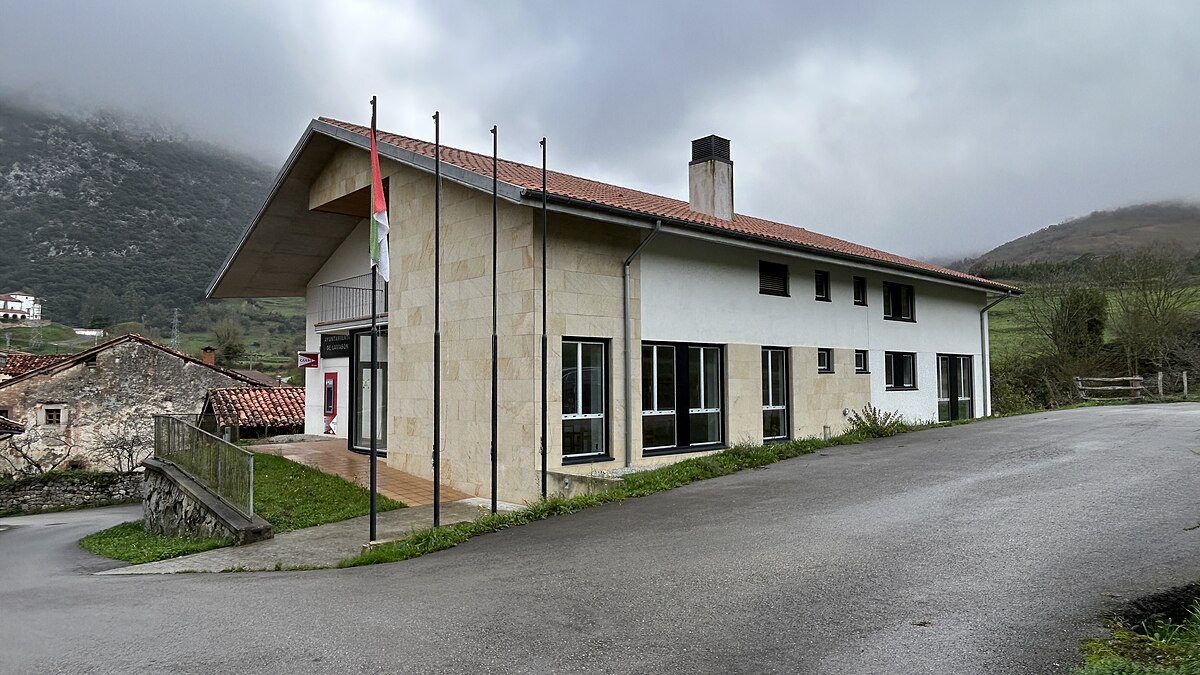
Entrance to Bárcena Mayor
Ocultar artículo Leer artículo completo
The morning milk lorry reaches Los Tojos at 07:15 sharp. If you happen to be on the bend above the dairy, you’ll watch the driver hop out, leave two crates, and disappear back down the lane while the valley is still half-asleep inside its own cloud. By 07:25 the cloud has drifted off, the cows have noticed the crates, and the only sound is a wooden gate clacking shut. That is about as dramatic as the day gets at 640 m in the Cantabrian high country.
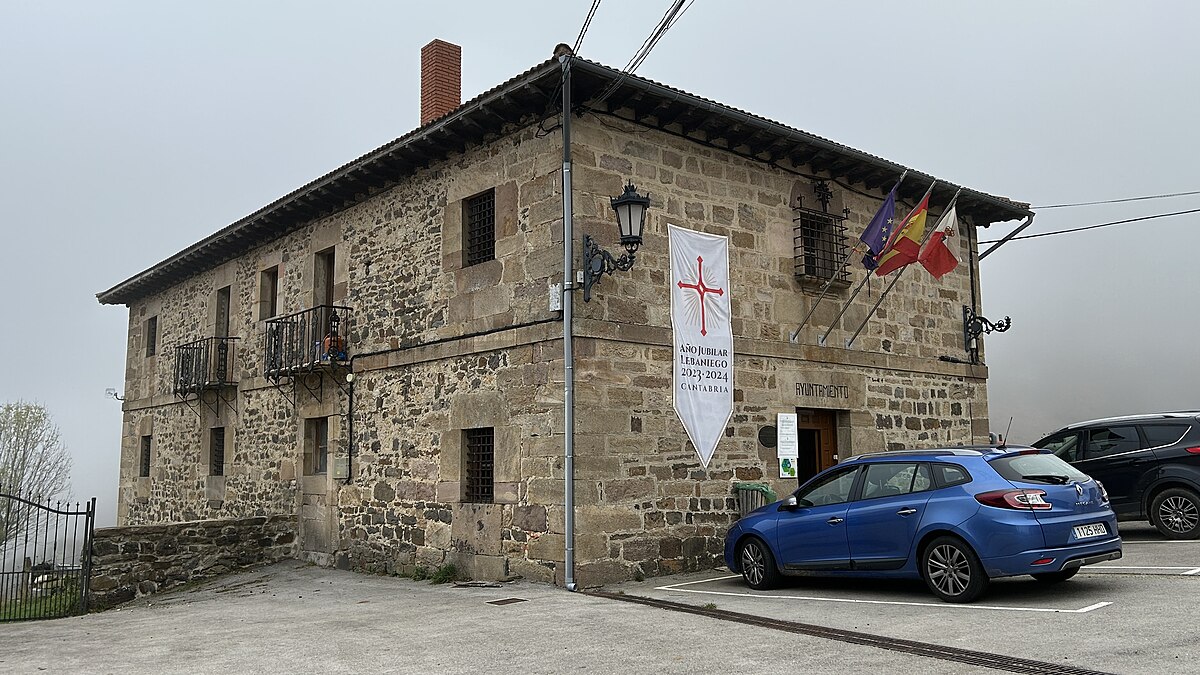
Los Tojos spreads across a ridge between the Saja and Besaya rivers, 45 minutes south of Santander by the N-623 and another 20 along the CA-275. The sign at the entrance reads “Población 400”, but even that number feels generous when you realise it counts the outlying hamlets, each three or four houses tucked into a fold of pasture. Stone walls keep the meadows from sliding downhill, and every wall has a gap exactly one cow-wide; the cattle use them like we use zebra crossings.
Weather that forgets the forecast
Altitude does strange things here. In July you can leave Torrelavega in T-shirt weather, climb 500 m, and arrive to drizzle thick as broth. Winter is properly wintry: Atlantic fronts bank up against the cordal and unload snow that lingers in the lanes long after the coast has greened again. When the CA-275 ices over, the school bus simply doesn’t run; locals keep chains in the boot from November to April and think nothing of it.
Spring and autumn are the reliable seasons. May brings orchid spikes into the hay meadows; October turns the oak belts copper and sets the beeches on fire without a match. Those months also coincide with the quietest roads and the cheapest beds—€45 for a double in the only guesthouse that stays open year-round, Casa las Hayas, including breakfast strong enough to plug a radiator.
Walking without way-markers
There is no tourist office, no leaflets, no colour-coded arrows. Instead you get a lattice of stone tracks that link the hamlets—Los Llanos, La Venta, La Cotera—each about a kilometre apart. Start at the church square (bench, fountain, view straight down the throat of the Besaya gorge) and pick any lane that looks uphill. Within twenty minutes you’ll pass a barn with a swallow’s nest wedged under the eaves and a hand-painted sign advertising eggs at €2 the dozen. Honesty box fashioned from an olive-oil tin—bring coins, because the mobile signal vanished two curves back.
The ridge path to Alto de la Collada is 3.5 km and gains 250 m. On a clear day you can pick out the Picos de Europa fifty kilometres away, looking like broken teeth. On a thick day you’ll see your own boots and the first row of cowbells; the experience is still worthwhile, because the wind carries every sound in stereo. Expect to meet no one except perhaps a farmer on a quad bike, nodding a polite “buenos días” without slowing.
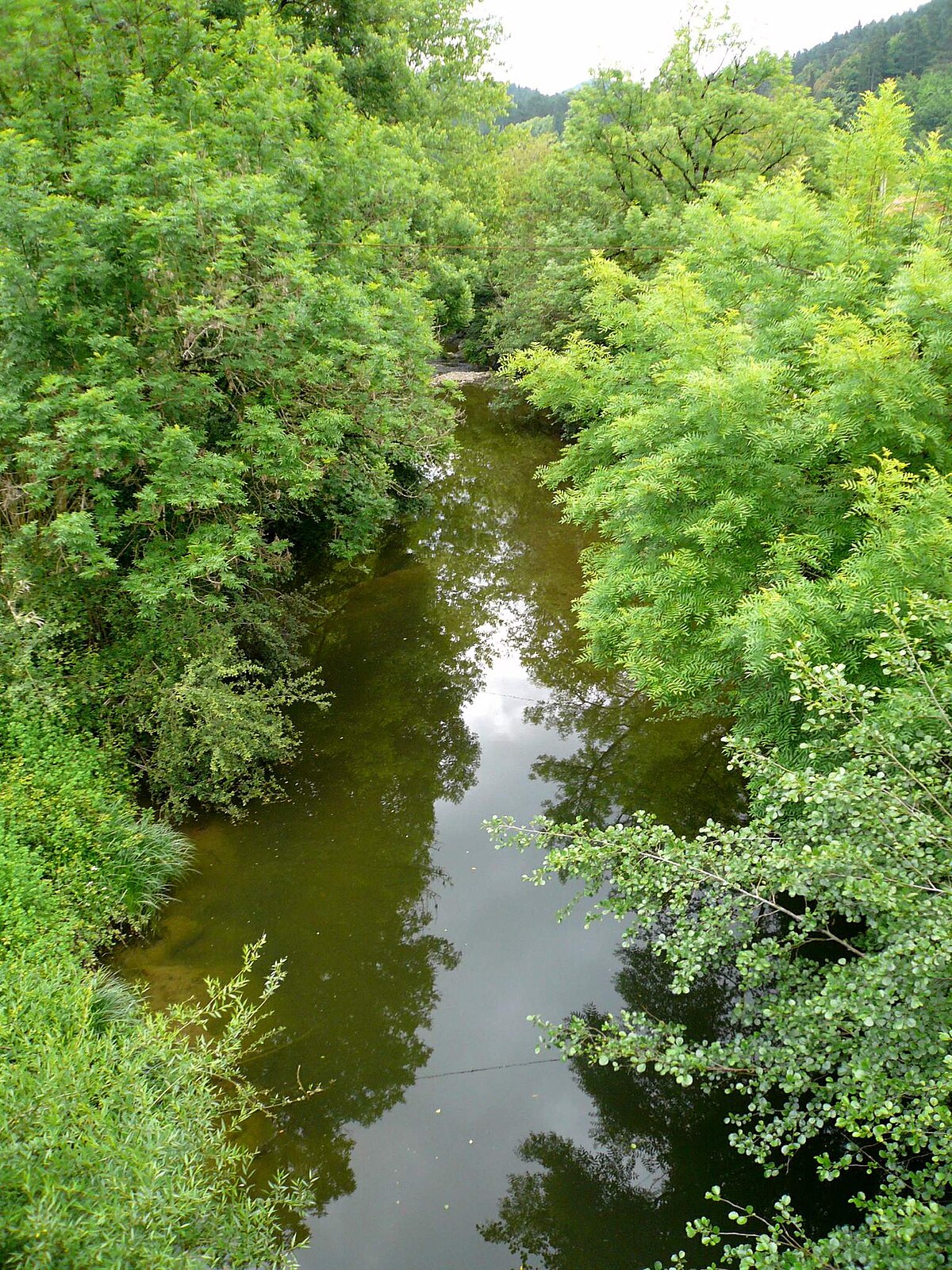
Down in the Bayones valley the loop is softer, 5 km along an old drove road that follows the stream. Hazel and holly close overhead, keeping the path greasy even in August. Halfway round you reach a stone hut with a slate roof held down by rocks; someone has chalked “Café 1 km” on the door. They are joking, but the hut’s overhang makes a perfect place to eat the sandwich you wisely packed.
Food that fights back
Lunch options inside the village are limited to Bar El Roble, open Thursday to Sunday, 13:00–15:30. The menu is handwritten and laminated for durability. Start with cocido montañés, a white-bean and pork stew heavy enough to stun a goat; follow with quesada pasiega, a baked-cheese affair that tastes like custard decided to become cheesecake. Water is free, wine comes in a 50 cl jug whether you asked for it or not, and the bill rarely tops €16. Vegetarians can have tortilla, but the ham hock in the beans has already flavoured everything in the kitchen, so compromise is futile.
If you prefer to self-cater, the tiny shop next to the church opens 09:00–13:00 and stocks tinned tuna, local chorizo, and bread baked in Cabezón de la Sal the previous afternoon. Buy early; when the loaf rack is empty, that’s it until tomorrow.
How to get here without a dent in the door
Public transport reaches Los Tojos twice a day on weekdays: the 0915 Autobuses Cantabria service from Santander bus station, arriving 11:05, and the return at 17:30. The fare is €5.65 each way; buy on board, cash only. Saturday has one bus, none on Sunday. A hire car is simpler, but choose the smallest model the desk offers—the final 12 km are on a road that narrows to a single track whenever two tractors meet. Passing places are signed “Ce” (for “cesión”), and local etiquette is: whoever is closer to the gap reverses, no matter which direction they’re going. Ignore this at your wing-mirrors’ peril.
Parking in the village is informal: nose the tyres against the grass verge and don’t block a gate, even if it looks abandoned. The Guardia Civil patrol sporadically and fines start at €80.
What can go wrong (and probably will)
Weather changes faster than you can tighten a shoelace. Carry a waterproof even if the sky above the coast is cloudless; by the time you reach the ridge the temperature can have dropped eight degrees. Boots with decent tread are non-negotiable—the clay here achieves a friction coefficient close to ice after one shower.
Phone coverage is patchy: Vodafone and EE roam on Movistar, which works on the main track but dies in every hollow. Download an offline map before leaving the valley floor.
Finally, Los Tojos is not a “sight”. If you need castles, cathedrals, or artisan ice-cream, stay on the A-8. What the village offers is rhythm—gates shutting, cattle shifting, clouds clocking in and out on the same rota they have kept since before anyone thought to write a guidebook. Stay long enough to hear it, and the silence starts to sound like music. Leave too early, and all you’ll remember is a wet road and the faint smell of silage.