Full Article
about Peñarrubia
Spectacular gorge
Hide article Read full article
Peñarrubia, un valle sin prisa
Peñarrubia es de esos sitios que te obligan a cambiar de velocidad. No hay una plaza mayor donde aparcar y verlo todo. En realidad, es un puñado de pueblos desperdigados por un valle, y la gracia está en el espacio que hay entre ellos. Llegas pensando en visitar un pueblo y terminas recorriendo una comarca en miniatura.
La sensación es la de estar husmeando en un lugar que no espera visitas. Hay huertos junto a las casas, ovejas sueltas en las praderías y caminos que claramente se usan más para labores del campo que para paseos.
Pueblos de piedra y oficio
Mucha gente termina primero en la iglesia de Santa María de Treviño. No es una catedral, ni lo pretende. Es una iglesia robusta, de piedra, que lleva siglos ahí plantada en medio del valle. Las praderas alrededor le dan un aire tranquilo, como de sitio con los pies en la tierra.
A partir de ahí, los pueblos van apareciendo: Barcenillas, Salarzón, Calga. Son núcleos pequeños, sin cartel turístico que marque un itinerario. Lo que ves son casas de mampostería con balcones de madera, portones grandes y esa estructura tradicional donde se adivina la vivienda, el establo y la cuadra.
De vez en cuando pasa alguien con un tractor o arreando unas vacas. No es una escenografía. Es el día a día del valle.
Los caminos que unen estos sitios son otra pista. Son veredas con puentecillos estrechos y fuentes lavaderas, por donde es más normal cruzarse con un vecino en su furgoneta que con otro senderista. No están diseñados para el paseo ocasional; son las venas del lugar.
Caminar sin plan (pero con sentido)
El mejor plan aquí suele ser no tener un plan rígido. Aparcar en uno de los pueblos y empezar a andar hacia otro vale.
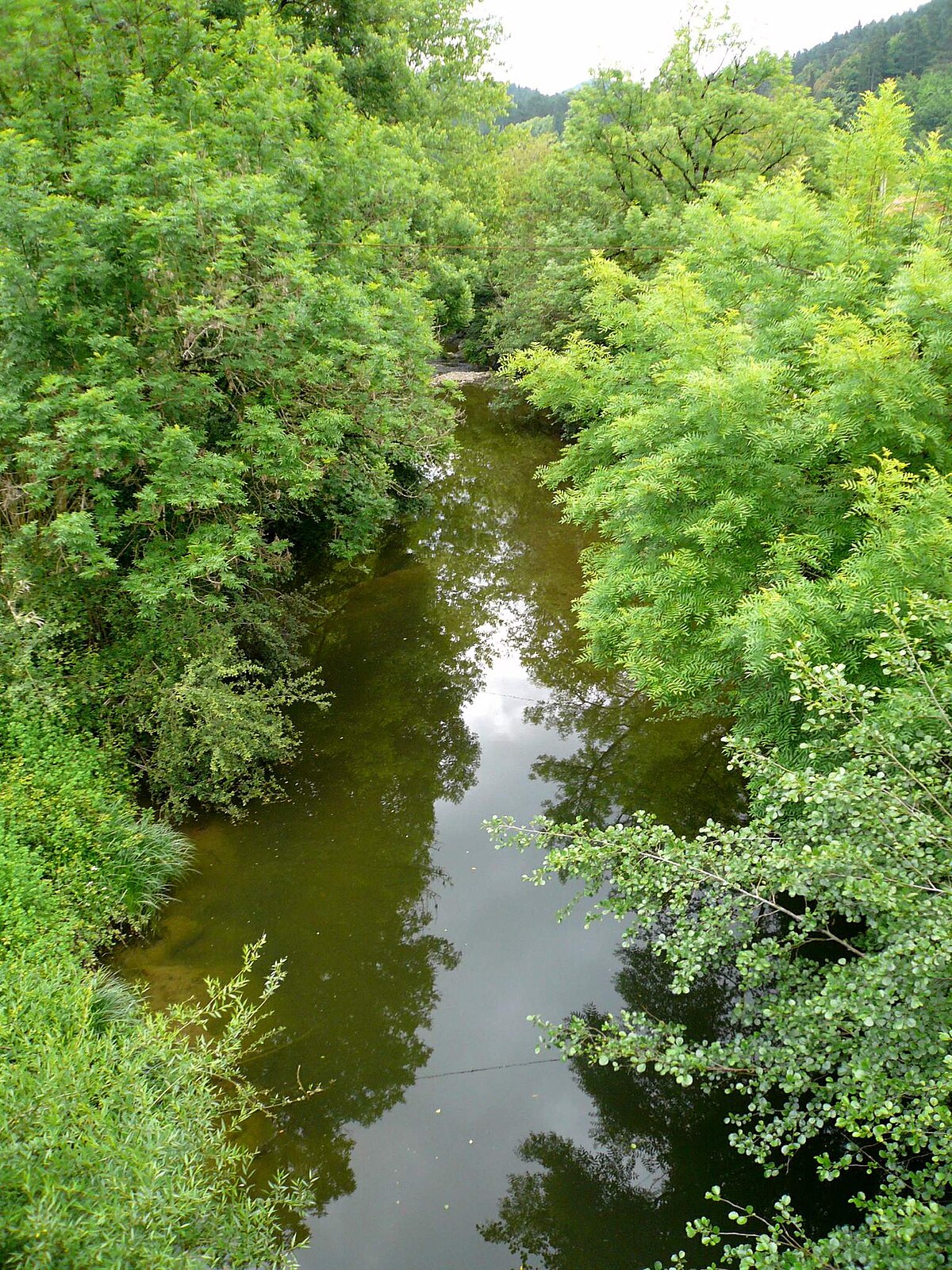
Eso sí, los caminos suben y bajan más de lo que aparentan en el mapa. Si ha llovido, el barro aparece rápido y una caminata corta se puede alargar solo por esquivar charcos. Merece la pena ir despacio. Los detalles son los que acaban quedándose: el rebaño junto al arroyo, la huerta pegada a la casa, la niebla que baja por la ladera a media mañana.
Para comer, la lógica es similar a la del paisaje: cocina de monte, contundente. El cocido montañés aparece cuando refresca, igual que los quesos curados o lo que haya dado la huerta ese día. No vayas buscando un plato concreto; mejor pregunta qué hay.
Cuándo venir (y qué meter en la mochila)
La primavera y el otoño funcionan bien para moverse por aquí. En primavera el valle está verde intenso; en otoño se tiñe de dorado en las praderías. La temperatura suele acompañar para caminar.
En verano hay más movimiento los fines de semana. No es agobiante, pero se nota en las carreterillas locales. Si sales pronto por la mañana, los caminos siguen siendo tuyos.
El invierno cambia bastante el ambiente. Los días son cortos y la niebla se instala con frecuencia. A algunos les puede parecer gris; a otros les gustará ese silencio roto solo por el humo saliendo de las chimeneas. El frío y la humedad calan pronto, así que conviene ir preparado.
Lo que nadie te dice (pero deberías saber)
Vale la pena tener clara una cosa antes de llegar: Peñarrubia no es un pueblo compacto donde todo está junto.
Es un municipio formado por pueblos separados por praderas y cuestas. En el mapa parece pequeño, pero cuando te pones a moverte entre uno y otro, las distancias se notan.
Muchas fotos enseñan un rincón bonito —una fuente, un puente— y da la impresión de que todo está al lado. En realidad hay buen trecho de valle entre punto y punto.
Esa separación es justo lo que define el sitio.
Errores típicos (y cómo evitarlos)
El error más común es querer abarcar demasiado en poco tiempo. Las cuestas y las paradas imprevistas para mirar el paisaje alargan cualquier paseo. Es mejor elegir dos pueblos e ir entre ellos con calma.
Otro detalle práctico: lleva calzado que aguante terreno húmedo. En cuanto llueve, muchos caminos se ablandan enseguida. Si buscas monumentos espectaculares o vida animada, probablemente este no sea tu sitio. Pero si te apetece perderte por un valle donde el tiempo va a otro ritmo —el ritmo del pastoreo y las cosechas— entonces Peñarrubia tiene sentido. Es ese tipo de lugar al que vuelves mentalmente cuando necesitas respirar