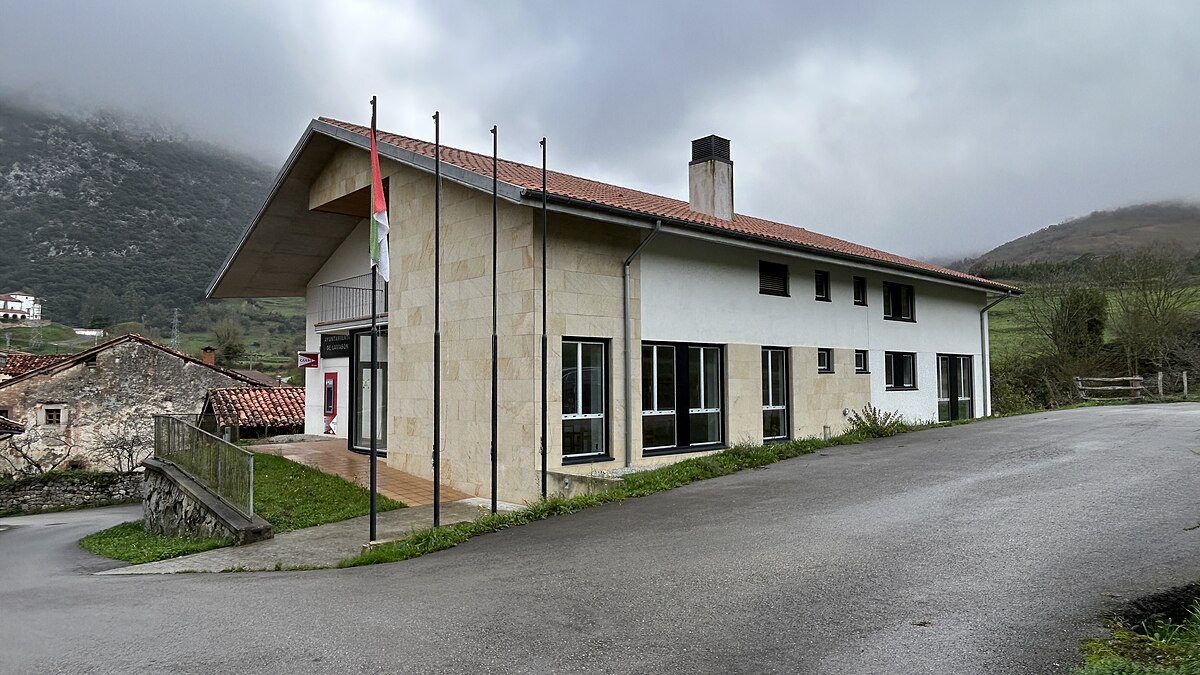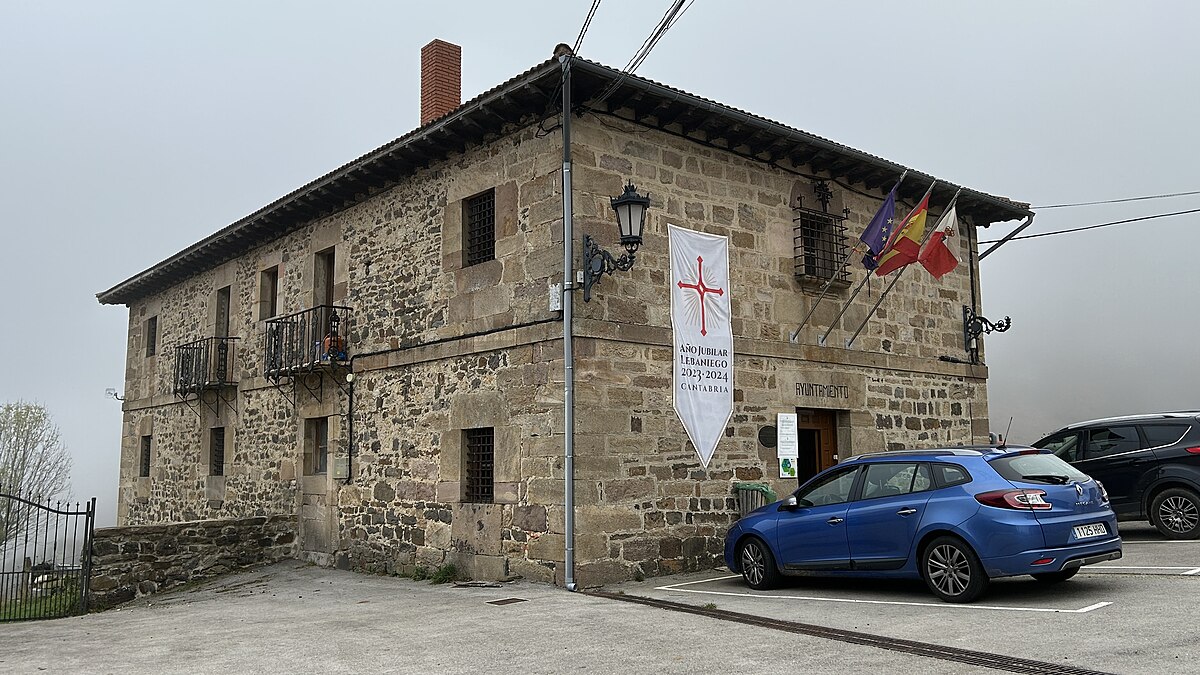
Ayuntamiento de Polaciones.jpg
Uviein · CC0
Cantabria · Infinite

Polaciones

The stone houses appear suddenly, tucked into folds of green that seem impossibly steep for farming. One moment you're navigating hairpin bends thr...

209 inhabitants · INE 2025
800m Altitude

Why Visit

Mountain Polaciones Valley Mountaineering

Best Time to Visit

summer

Our Lady of the Snows Agosto

Things to See & Do
in Polaciones

Heritage

  • Polaciones Valley
  • Mountains

Activities

  • Mountaineering
  • Isolation

Festivals
& & Traditions

Fecha Agosto

Nuestra Señora de las Nieves, San Roque

Las fiestas locales son el momento perfecto para vivir la autenticidad de Polaciones.

Full Article
about Polaciones

Remote, wild valley

Ocultar artículo Leer artículo completo

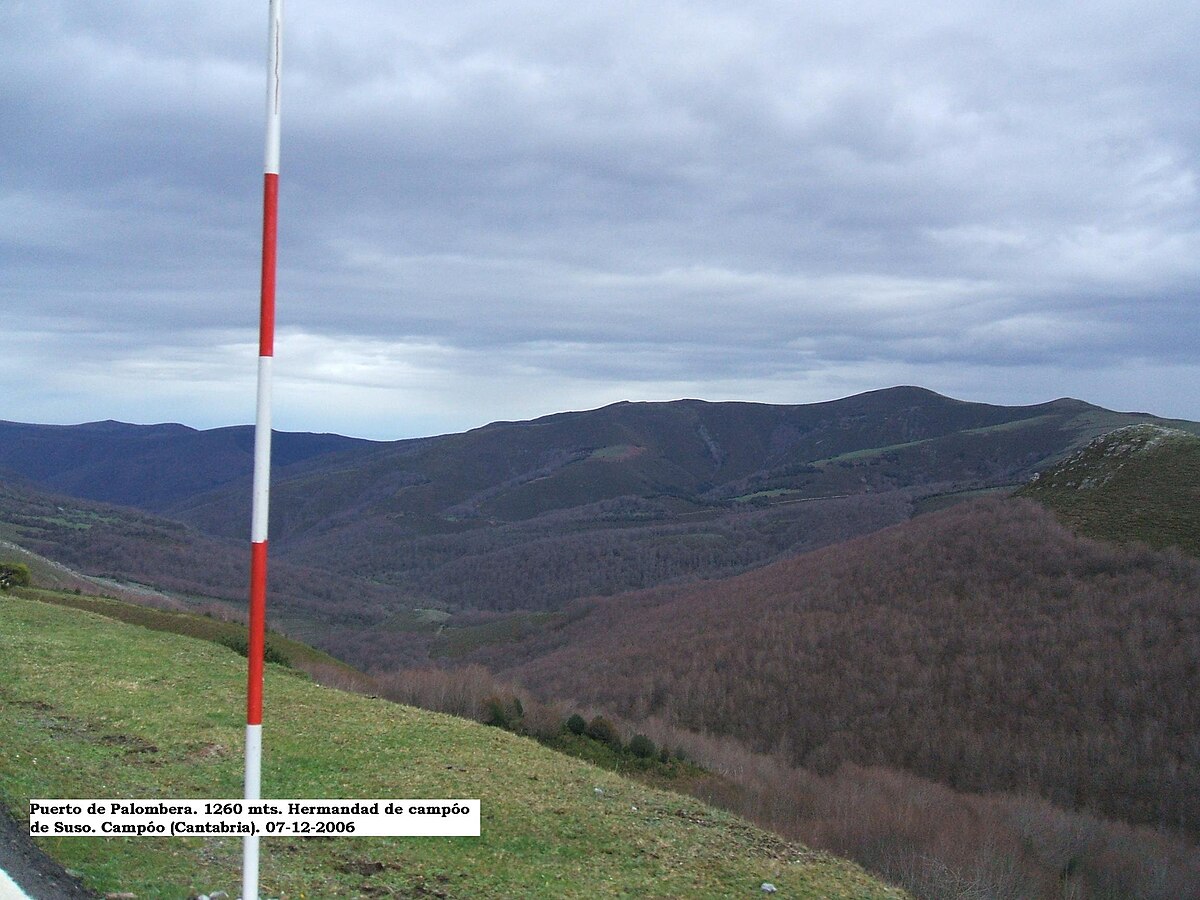
The stone houses appear suddenly, tucked into folds of green that seem impossibly steep for farming. One moment you're navigating hairpin bends through beech forest, the next you're braking for a farmer moving cattle across the road. This isn't a single village but a constellation of twelve hamlets—Lombraña, Pernía, Tresabuela, La Lomba—each separated by kilometres of winding mountain road rather than metres of village lane.

Welcome to Polaciones, where the Saja-Nansa valley system spreads its villages like confetti across 70 square kilometres of Cantabrian hillside. With barely 200 permanent residents scattered across this territory, the place operates on mountain time. Mobile signals vanish without warning. The post office opens when someone's available. And the best approach involves abandoning any notion of ticking off sights in favour of settling into the rhythm of altitude and isolation.

The Architecture of Survival

These villages weren't built for tourists—they evolved for winter survival. Stone houses huddle together, sharing walls to conserve heat. Wooden balconies face south to catch weak winter sun. Barns attach directly to living quarters, ensuring livestock warmth and convenient care during snow months. In Lombraña, population fourteen, the 18th-century church squats low against prevailing winds, its bell tower barely clearing surrounding rooftops.

The details reward lingering. Notice how chimney pots angle slightly west, a practical response to Atlantic weather systems. Observe the evolution in rooflines—older sections with slate brought by ox-cart from coastal quarries, newer additions using locally-sourced stone. Generations of repair work show in mismatched mortar colours, each telling its own story of winter storms survived.

Walking between houses reveals spaces designed for agricultural efficiency. Every dwelling sits within its own micro-territory: vegetable plots on the sunniest slope, hay storage under the eaves, water channels directing mountain streams past doorways. Nothing's ornamental. Even the flowers spilling from window boxes serve dual purpose—attracting pollinators for fruit trees while adding colour to grey stone.

Walking the Invisible Network

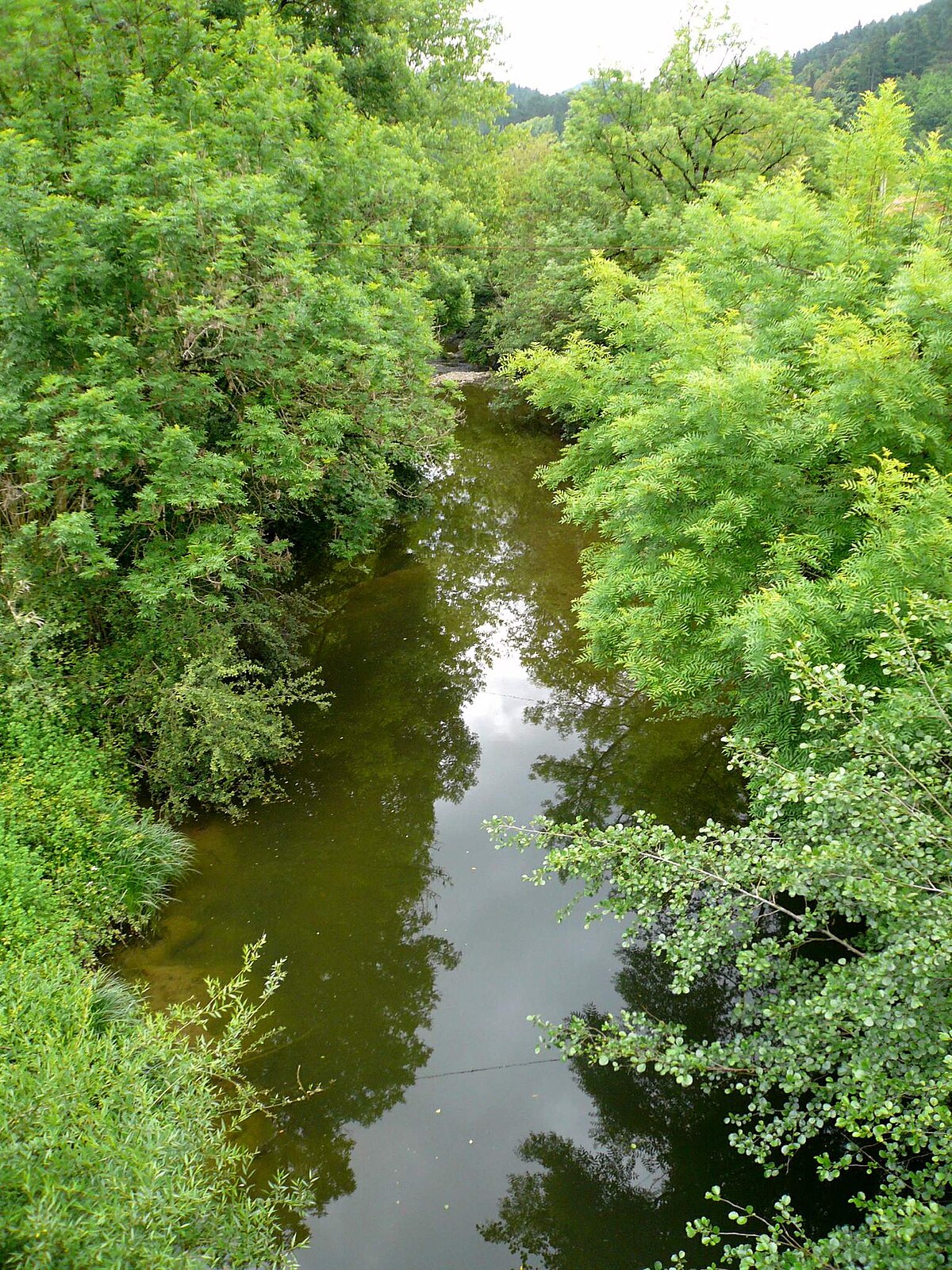
The valley's footpaths follow routes older than the roads, connecting hamlets via bridges and passes that made sense to medieval traders. Start from Puente Pumar, where the 17th-century stone bridge crosses the Saja River, and you'll find tracks heading in multiple directions—upstream towards high pastures, downstream towards coastal plains, sideways into neighbouring valleys.

Distances deceive here. What appears a gentle stroll on the map becomes a serious undertaking when every path climbs then descends, repeatedly. A five-kilometre route between Tresabuela and Pernía involves 300 metres of cumulative ascent, following ancient rights-of-way that duck through oak woodland and emerge suddenly onto open hillside. The reward comes in perspective—each hamlet revealing itself gradually, first as a church spire between hills, then as a cluster of roofs, finally as individual houses with smoke rising from chimneys.

Spring brings the famous cow-bell symphony as herds move to high pastures. The sound carries for miles in mountain air, a constant acoustic backdrop that shifts with wind direction. By late June, most cattle have vanished uphill, leaving valley floors to sheep and the occasional free-range chicken. Autumn reverses the migration, animals returning downhill ahead of first snows—usually November, though October's possible at altitude.

Weather That Makes Decisions

The Atlantic climate operates on steroids here. Morning fog can transform a promising day into something resembling November in Devon, except you're 700 metres up a Spanish mountain. Carry layers. The sun that felt warm in the valley bottom becomes feeble when clouds roll over the watershed, temperature dropping ten degrees in twenty minutes.

Summer offers the most reliable walking weather, though 'reliable' remains relative. Afternoon thunderstorms build quickly over the Cordillera Cantábrica, arriving with spectacular theatricality—black clouds, dramatic thunder, spectacular lightning. Seek shelter immediately; these storms mean business, turning paths into streams within minutes. Winter brings proper snow, the white stuff settling from December through March at higher elevations. Roads become treacherous, some hamlets virtually inaccessible for days.

The sweet spots are May and September. Late spring sees meadows carpeted with wildflowers—bluebells, orchids, and something the locals call 'leche frita' that translates literally as 'fried milk' but refers to a delicate white bloom. September offers settled weather plus autumn colour beginning in valley bottoms, working its way uphill through October.

Eating on Mountain Terms

Food here follows the agricultural calendar rather than tourist demand. Casa Molleda in neighbouring Cabuérniga serves mountain stews using beef from valley herds, trout from local rivers when available, and setas (wild mushrooms) collected from surrounding woodland during autumn. Portions reflect farming appetites—order the half-racione unless you've just walked twenty kilometres.

The local cheese, Queso de Nansa, develops its character from mountain herbs cattle graze during summer months. Production remains small-scale; you'll find it in village bars rather than specialist shops, often served simply with quince paste and local bread. Honey comes from hives positioned in high meadows, the resulting product reflecting heather, bramble, and chestnut blossom depending on season.

Vegetarian options exist but require planning. Most traditional dishes build around meat preservation—this is country where winter survival meant salting and curing everything possible. Phone ahead if dietary requirements are specific; improvisation becomes tricky when the nearest supermarket sits forty minutes away via mountain roads.

Getting There, Staying Put

Santander airport offers the most straightforward access, with direct flights from Bristol, Manchester, and London Stansted. Hire cars essential—public transport stops at San Vicente de la Barquera, forty kilometres distant. The drive takes ninety minutes via the A-67 and N-621, then smaller roads that demand concentration. Signposting improves annually but GPS remains unreliable in valleys; download offline maps before leaving civilisation.

Accommodation clusters in converted rural buildings. Casa Rectoral in Puente Pumar occupies a former priest's house, now part of the Saja-Nansa Ecomuseum network. Rooms combine period features with modern necessities—proper heating crucial at altitude. The posada in Pejanda operates more like a private home than hotel, family-run with dinner available if booked in advance. Both place you within walking distance of valley trails rather than requiring daily driving.

Polaciones demands patience and rewards it generously. This isn't country for sightseeing checklists or Instagram moments. It's landscape that reveals itself slowly—through changing light on distant peaks, through understanding why villages sit where they do, through realising that the apparent emptiness actually hums with agricultural life following rhythms centuries old. Come prepared for mountain weather, abandon rigid schedules, and discover a Spain that package holidays never reach.

Key Facts

Region
Cantabria
District
Saja-Nansa
INE Code
39053
Coast
No
Mountain
Yes
Season
summer

Livability & Services

Key data for living or remote work

2024
Connectivity5G available
HealthcareHospital 22 km away
EducationElementary school
Housing~5€/m² rent · Affordable
Sources: INE, CNMC, Ministry of Health, AEMET

Planning Your Visit?

Discover more villages in the Saja-Nansa.

View full region →

More villages in Saja-Nansa

Traveler Reviews