Full Article
about Rionansa
Heart of the Nansa valley
Hide article Read full article
A valley you arrive in without noticing
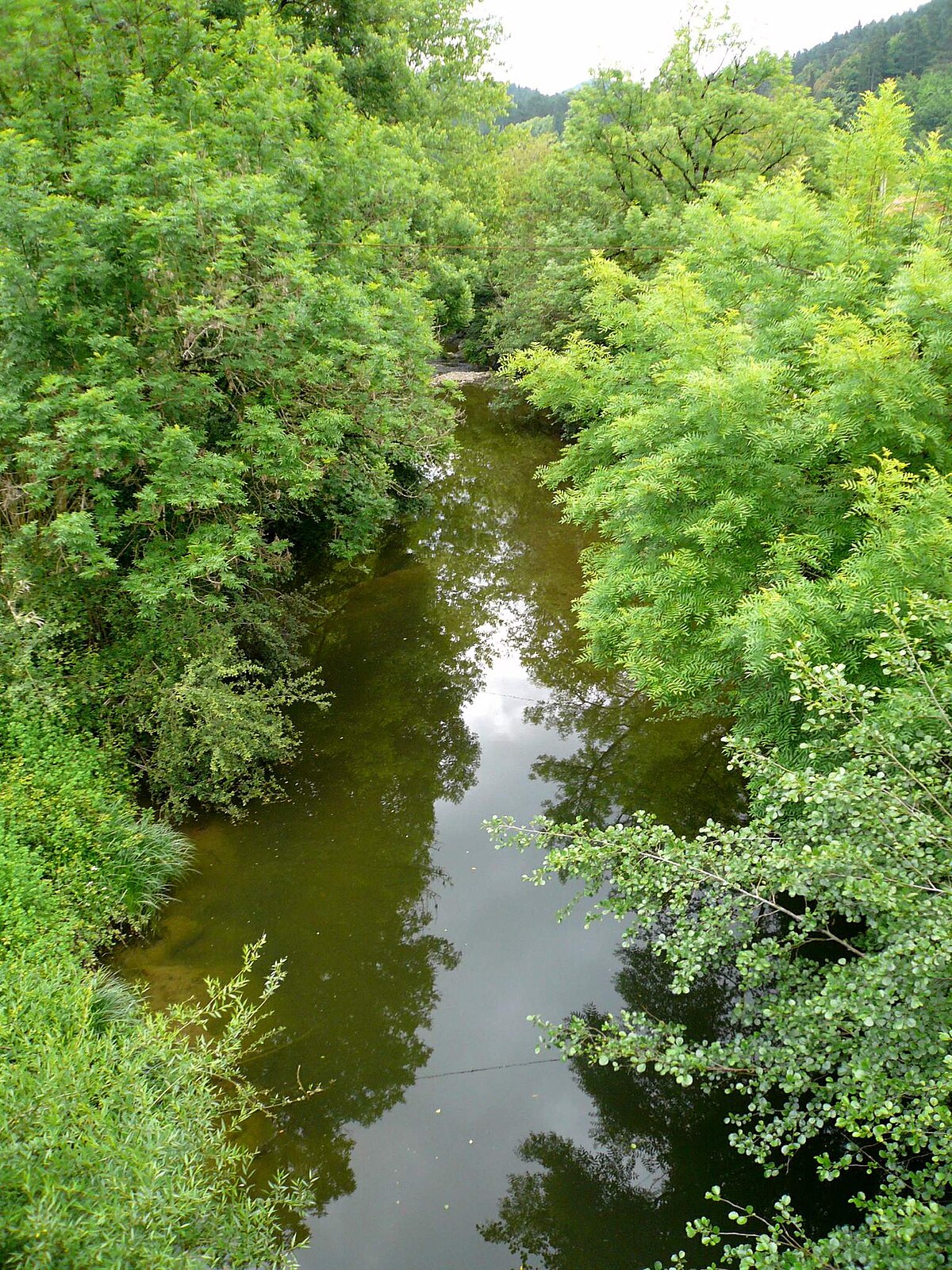
Getting to Rionansa is a bit like taking a random exit off the motorway just because you’re bored of the main road. There’s no big reveal. The valley just sort of widens, the River Nansa shows up, and a few stone roofs pop up between fields. You don’t get a welcome sign. You just realise you’re already there.
This isn't one town; it's a bunch of villages—Celucos, Rozadío, Puentenansa—scattered along the Nansa valley in Cantabria. About a thousand people live here total. That number tells you most of what you need to know: there are no attractions, as such. What you get are walled meadows, cows that have right of way, and farmhouses that haven’t moved in centuries.
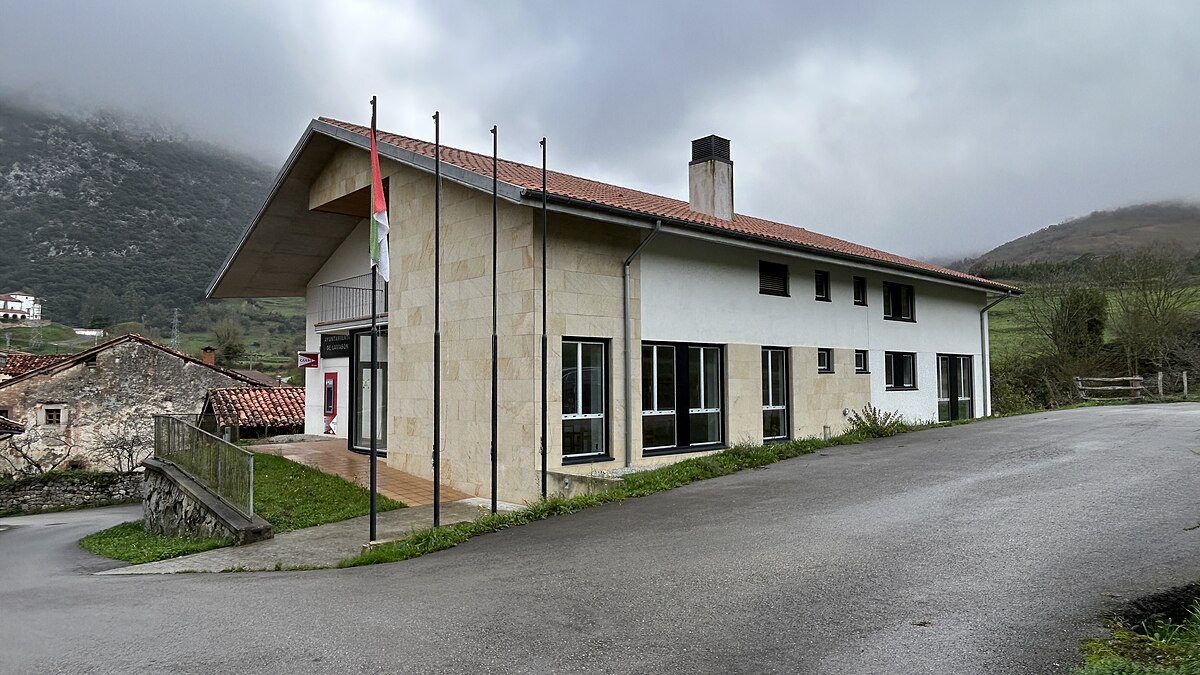
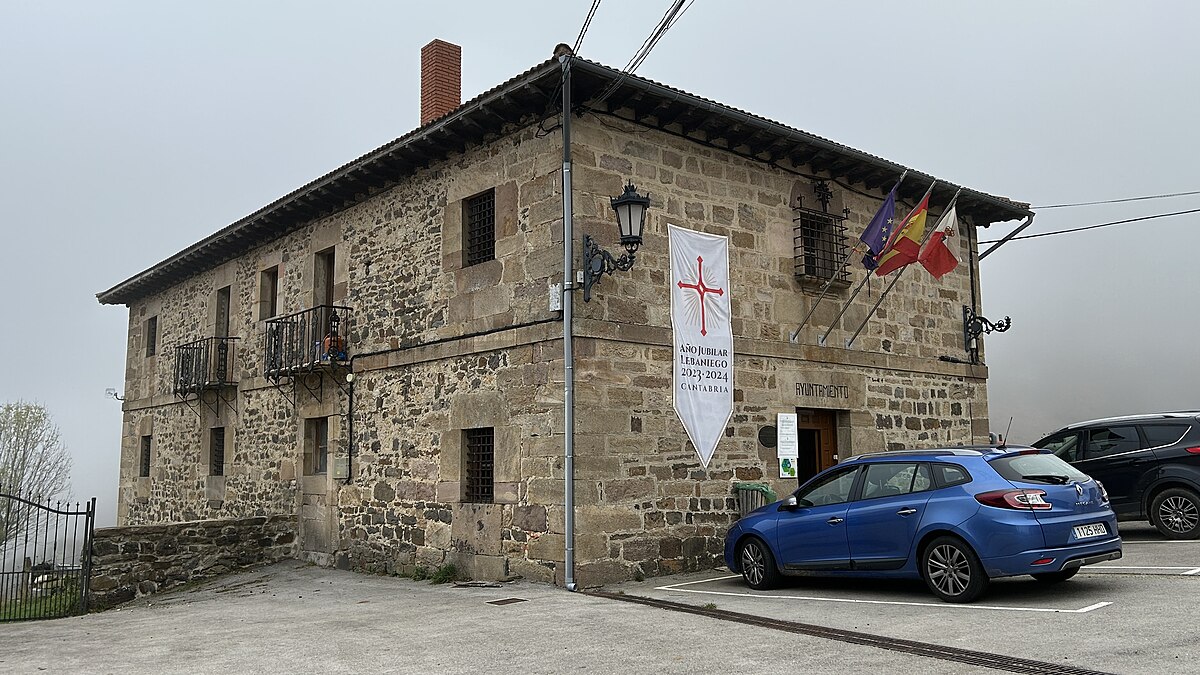
The buildings make sense for a place that lives off its land. It’s all stone, wood, and slate. Walking through Celucos or Riosaco doesn’t feel like touring a museum exhibit. It feels more like accidentally wandering into someone’s weekday, where barns and kitchen gardens sit right next to the front door.
Getting your bearings (and losing them)
Most people end up in Puentenansa first. It’s not a capital; it's more of a practical hub with a church that looks like every other valley church—simple, stone, marking the centre of things.
From there, the point is to move between villages and notice what's around you. The Nansa river is the main thread, cutting through pastures and woods. In some spots, you can just clamber down the bank and sit. It’s not an activity with a name or an entry fee. That’s kind of the appeal.
After too much time in traffic, the soundtrack here—moving water and cowbells—can actually seem strange for a minute.
Walking where nothing is an official "trail"
Here’s something I like about Rionansa: not every path has a sign calling it a “scenic route.” A lot of them are just farm tracks or shortcuts locals use to get to the next village.
You can follow the river for a bit or take any track that heads uphill. It’s wise to have an offline map or ask someone before you wander too far. You won't get hopelessly lost, but this isn't one of those parks with arrows every fifty metres.
The river draws fly fishers when the season's on, assuming they've got their permits sorted. The Nansa has a reputation for trout, though people here will tell you with a grin that the fish are usually smarter than the fishermen.
For a quick pit stop
If you're just passing through on the CA-181 road, Rionansa works as a quiet intermission.
Pull over at Puentenansa, stretch your legs by the water for twenty minutes, then drive five minutes up to Celucos. These hamlets are tiny—you can see them in ten—but they frame how life is organised in this valley: around livestock, family plots, and stone.
Sometimes that's enough: stop the car, walk down to the riverbank, look back at the hillside of scattered houses. There's no programme beyond that.
Set your expectations before coming
Don't come with a checklist. If your plan is to "see the sights" before lunch, you'll be underwhelmed and probably leave confused.
The point is the sum of its parts: the shape of the land itself, the slow pace in the air between villages. Your plans work better here if they're loose and short.
Drive patiently. The roads coil like springs and distances are liars; what looks adjacent on a map takes twenty minutes of careful cornering.
And park smartly. These lanes are narrow. Tractors, trailers full of hay, and herds of cows aren't just local colour—they're actual traffic.
Common mistakes (I've made some)
Trying to tick off every village in an afternoon tops the list. They're spread out across winding roads; it always takes longer than it looks.
Relying solely on your phone is another one mobile signal gets patchy once you're between hillsides Download your maps first
But maybe biggest one is never getting out from behind wheel The best version Rionansa reveals itself on foot even if it's just five-minute stroll down dead-end lane
Getting there & what to pack
From coast head inland from Cabezón de la Sal towards Valle del Nansa Follow CA-181 road alongside river The drive itself sets scene forests tight bends glimpses water
Wear shoes you don't mind getting muddy And pack layer waterproof even if sky looks clear Weather turns fast these valleys
Rionansa isn't trying impress anyone It's one those places where daily rhythm landscape come first Arrive expecting that everything else tends fall into place